
Culture
Leh Ladakh: Thriving Heritage in the Modern World
5 minutes
20th April 2024
by Rohit
Significance of it's culture in 21st century
Nestled within the majestic Himalayas, Leh Ladakh is not just a destination; it's a living testament to a cultural legacy that has withstood the test of time. As modernity sweeps across the globe, the people of this region find themselves at a unique crossroads, balancing the preservation of their rich heritage with the inevitable tide of change. Yet, against the backdrop of breathtaking landscapes and ancient monasteries, Leh Ladakh's culture continues to thrive in the modern world, fueled by a deep reverence for tradition and a determination to adapt to the challenges of the 21st century.
Embracing Tradition in Festivals
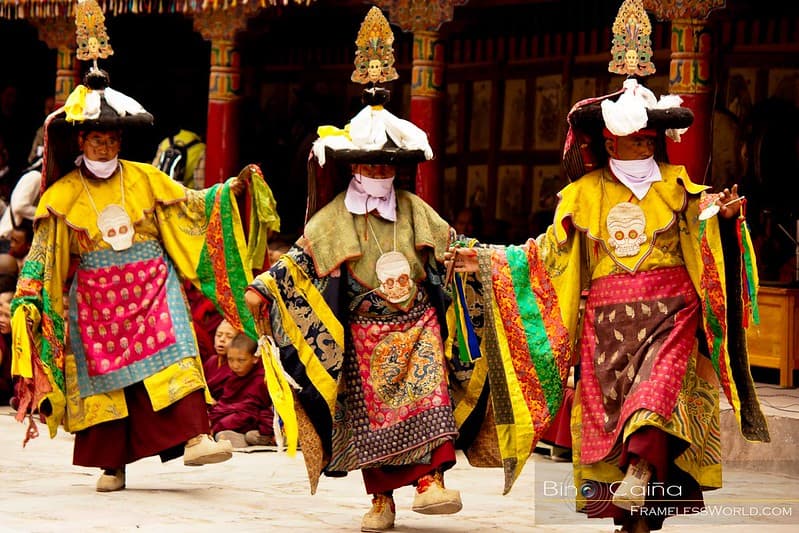
Hemis festival - Courtesy of Photographer
Festivals form the vibrant heart of Leh Ladakh's cultural tapestry, weaving together spirituality, community, and tradition in colorful displays of celebration. One of the most renowned festivals is the Hemis Festival, held annually at the Hemis Monastery, the largest and wealthiest monastery in Ladakh. This two-day extravaganza honors Guru Padmasambhava, the founder of Tibetan Buddhism, with masked dances, music, and rituals that date back centuries. Despite the passage of time, the Hemis Festival remains a cherished event, drawing pilgrims and tourists alike to witness its mesmerizing spectacle.
Similarly, the Ladakh Festival showcases the region's diverse cultural heritage through folk dances, music performances, and traditional attire. Organized by the Ladakh Tourism Department, this week-long celebration highlights the rich tapestry of Ladakhi culture, from its vibrant Tibetan influence to its ancient Buddhist roots. As visitors immerse themselves in the festivities, they become part of a living tradition that bridges the gap between past and present, reminding us of the enduring spirit of Leh Ladakh's people.
Monasteries: Guardians of the Past
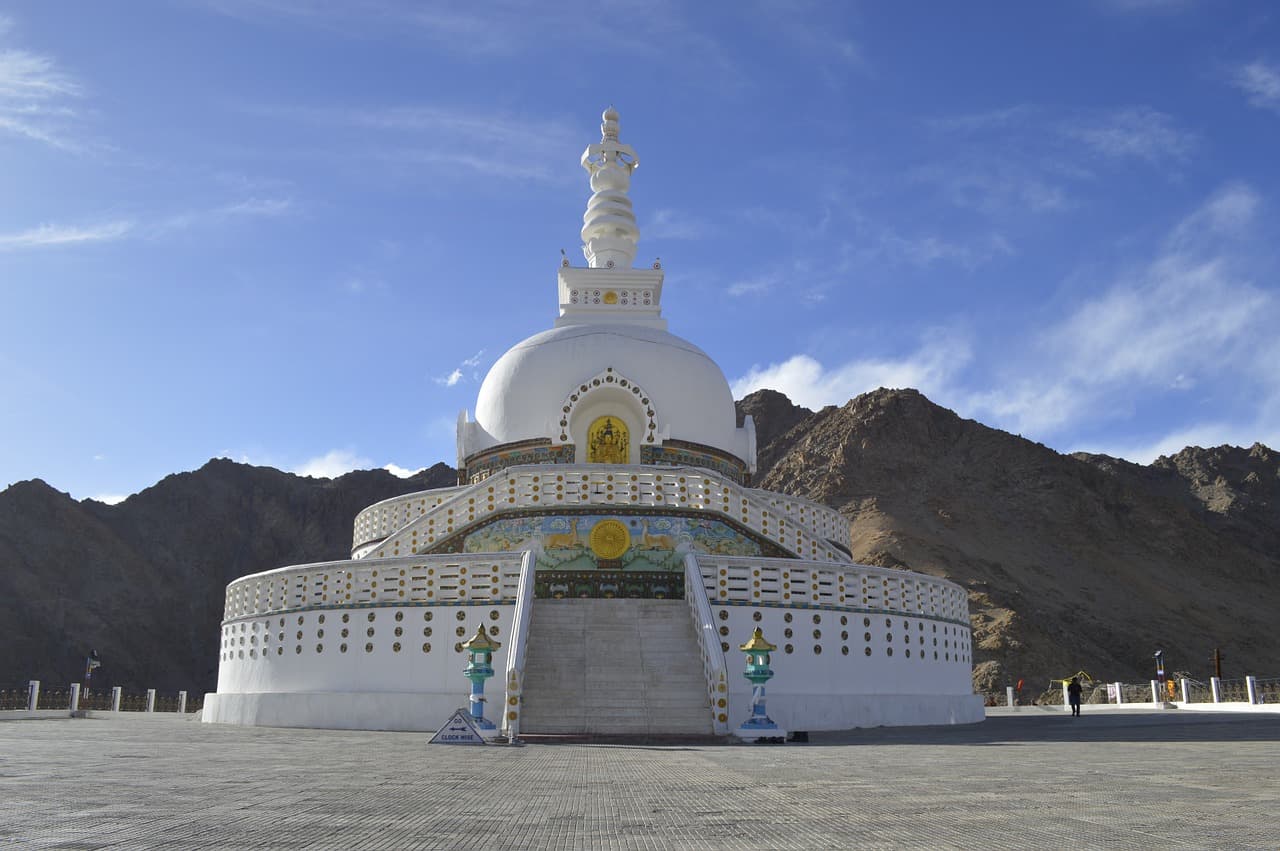
shanti stupa - Courtesy of Photographer
At the heart of Leh Ladakh's cultural preservation efforts stand its monasteries, revered as sanctuaries of wisdom, spirituality, and art. Perched atop rocky cliffs or nestled within verdant valleys, these ancient institutions serve as beacons of tradition in an ever-changing world. Take, for example, the Thiksey Monastery, with its imposing structure reminiscent of the famed Potala Palace in Tibet. Here, monks diligently preserve sacred scriptures, exquisite thangka paintings, and intricate sculptures, ensuring that the spiritual heritage of Leh Ladakh endures for generations to come.
Likewise, the Diskit Monastery, perched on a hilltop overlooking the Nubra Valley, offers a glimpse into the mystical realm of Tibetan Buddhism. Its towering statue of Maitreya Buddha, adorned with gold and precious stones, is a testament to the artistic mastery of Ladakhi craftsmen. Yet, beyond its architectural marvels, Diskit Monastery serves as a haven of tranquility, where monks engage in prayer, meditation, and the study of Buddhist philosophy, perpetuating a tradition that spans centuries.
Adapting to Change: Modern Challenges, Timeless Values
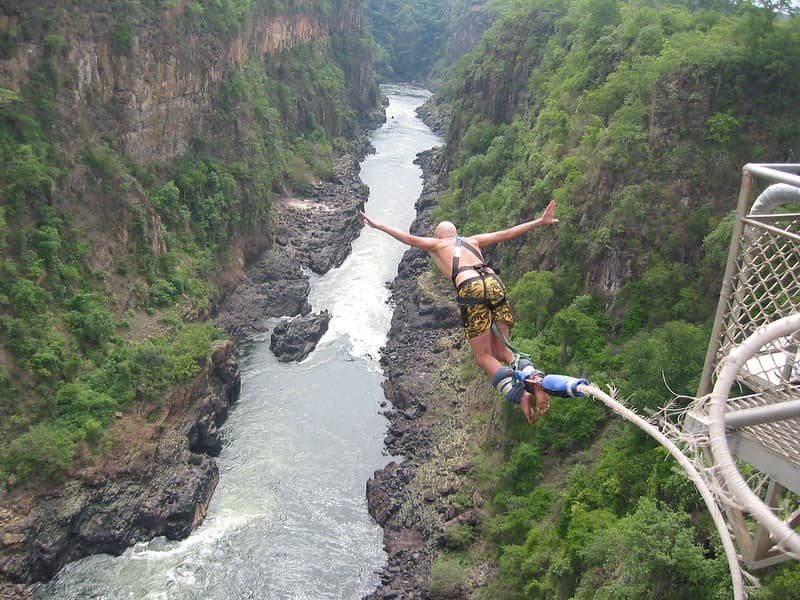
bungee jump as the lastest tourist activity - Courtesy of Photographer
Despite the allure of tradition, Leh Ladakh is not immune to the winds of change blowing from the modern world. Rapid urbanization, infrastructure development, and tourism have brought both opportunities and challenges to the region, testing the resilience of its cultural heritage. Yet, amidst these changes, the people of Leh Ladakh remain steadfast in their commitment to preserving their way of life.
Community initiatives, such as the Ladakh Autonomous Hill Development Council's efforts to promote sustainable tourism, aim to strike a balance between economic progress and cultural preservation. By encouraging responsible travel practices and supporting local artisans, these initiatives empower communities to safeguard their heritage while embracing the benefits of development.

Leave the planning to a local expert
Looking to the Future: Education and Empowerment
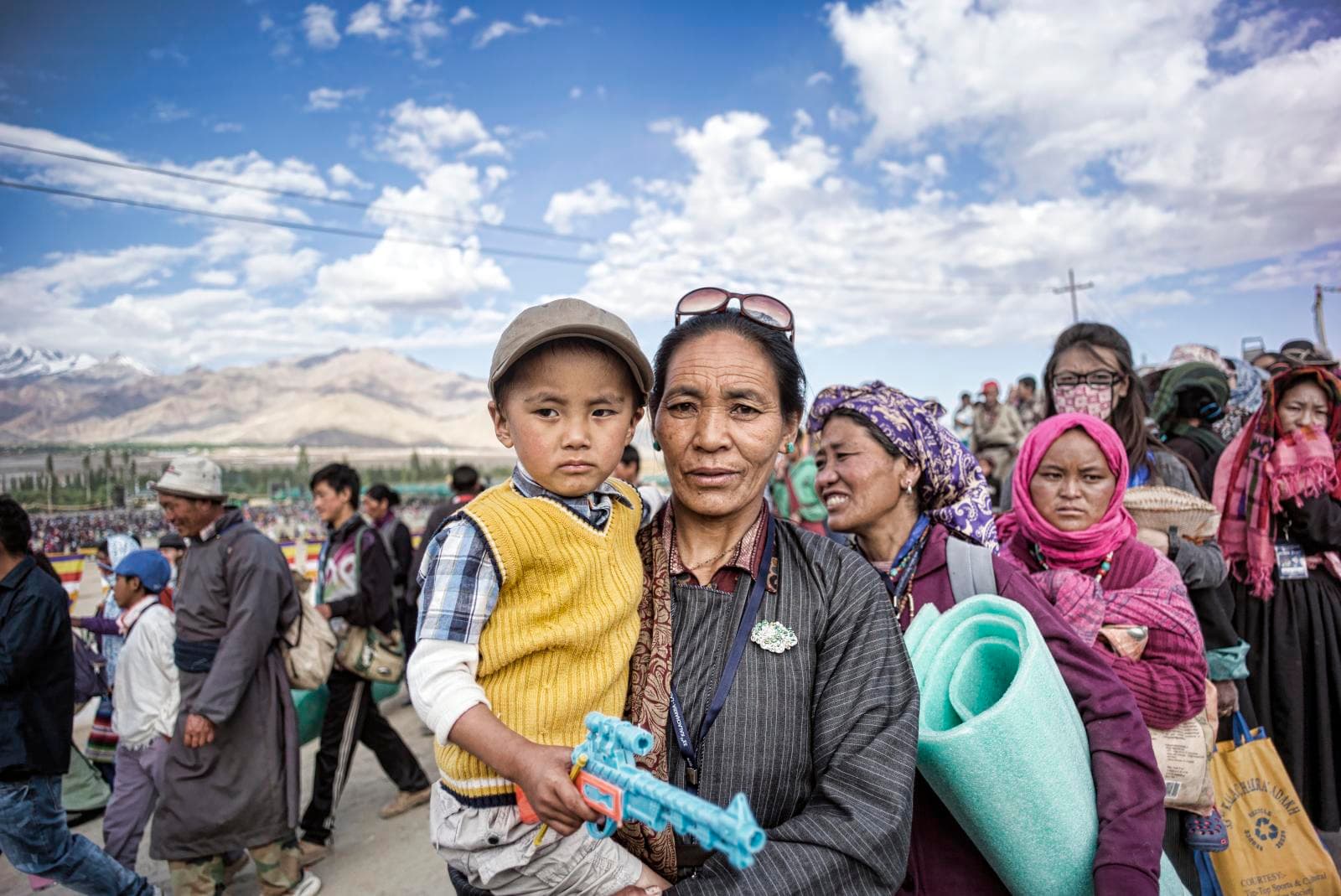
people of Leh - Courtesy of Photographer
As Leh Ladakh navigates the complexities of the modern world, education emerges as a powerful tool for preserving its cultural heritage. Schools and educational institutions in the region incorporate teachings on local history, language, and traditions into their curriculum, ensuring that future generations are equipped with the knowledge and skills to carry forward the legacy of Leh Ladakh's culture.
Conclusion
In conclusion, Leh Ladakh's journey towards cultural preservation is a testament to the resilience of its people and the enduring power of tradition. As festivals bring communities together and monasteries stand as guardians of the past, the spirit of Leh Ladakh thrives in the modern world, rooted in timeless values and a deep reverence for heritage. As the region embraces change while honoring tradition, it serves as an inspiring example of how culture can endure, evolve, and flourish in the face of adversity.