
Bara Imambara
_on_a_summer_afternoon.jpg&w=1920&q=75)
Overview
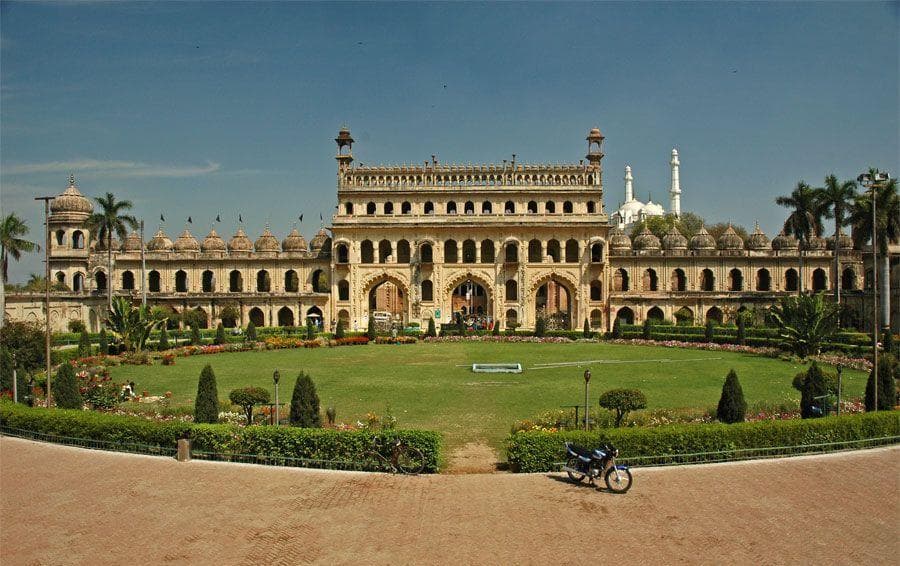
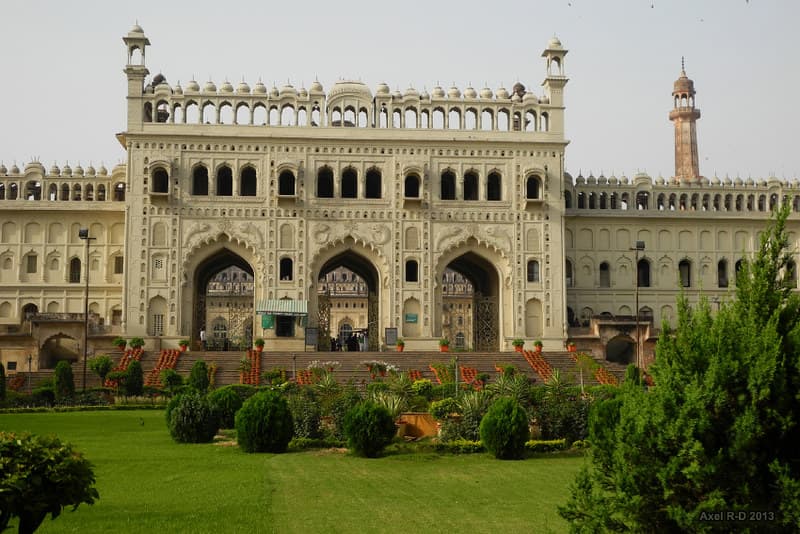
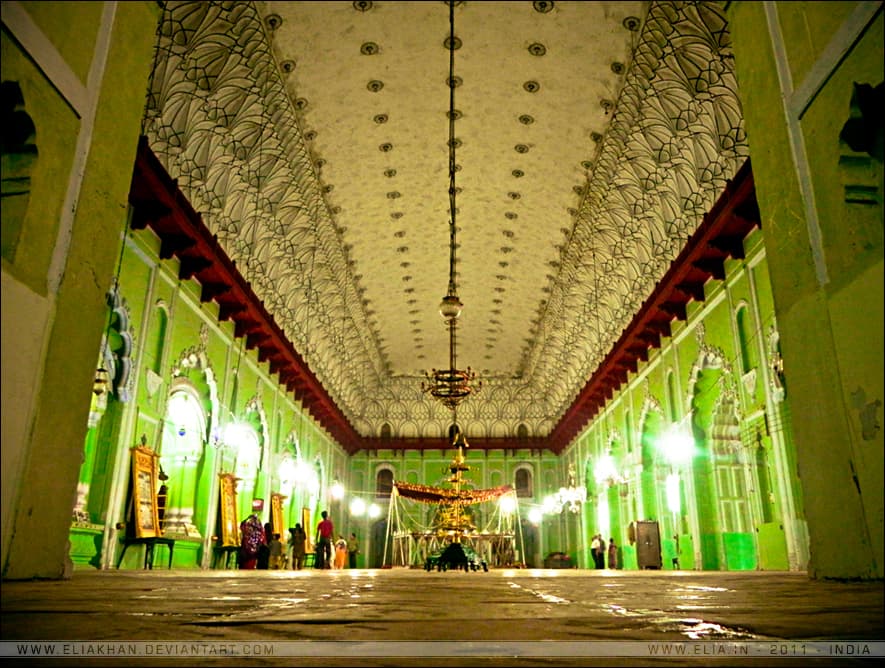
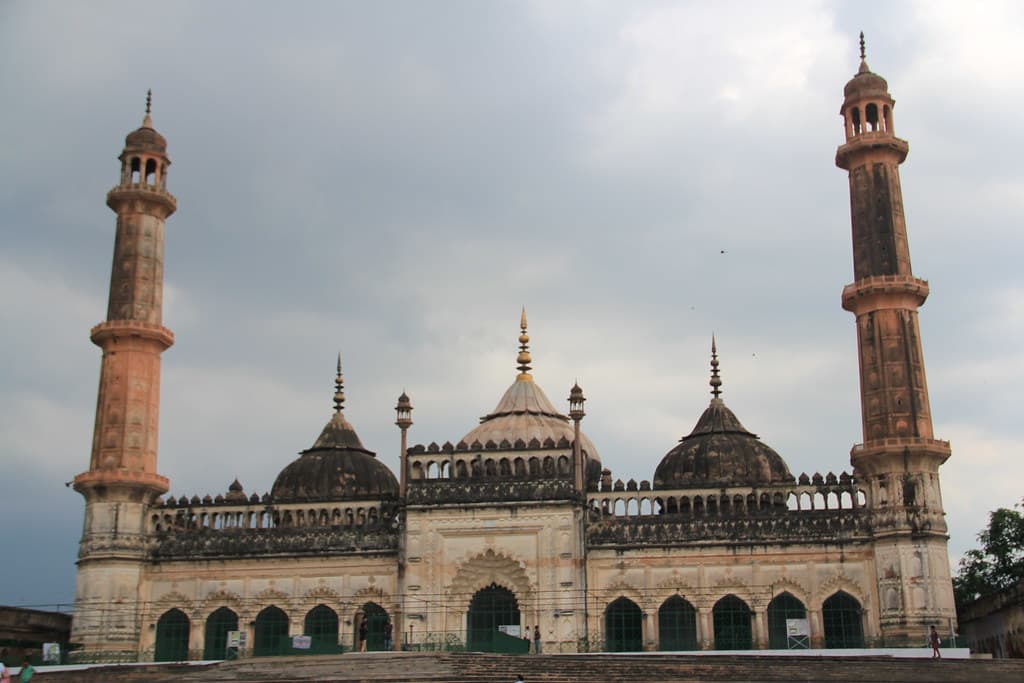
The Bara Imambara in Lucknow is a striking example of Mughal architecture, renowned for its grandeur and historical significance. Constructed in 1784 by Nawab Asaf-ud-Daula, this monumental structure is not only an impressive architectural feat but also an important cultural and historical landmark. The complex includes a large central hall, which is one of the largest arched constructions without support beams, showcasing intricate craftsmanship. The Bara Imambara features a labyrinth of narrow passages and secret corridors, designed to provide an intriguing exploration experience. The central courtyard is surrounded by lush gardens, and the entire area is complemented by the Asfi Mosque and the Bhulbhulaiya, or the labyrinth, which adds an element of adventure to the visit. The imambara's distinctive architecture and its rich history make it a must-visit destination for anyone interested in exploring the cultural heritage of Lucknow.
Key Features and Attractions
Imambara Structure: The Bara Imambara is renowned for its grand hall, which is one of the largest arched constructions without support beams. The central hall, measuring approximately 50 meters in length and 15 meters in height, is an impressive example of Mughal architecture.
Bhulbhulaiya (Labyrinth): A significant feature of the Bara Imambara is the labyrinth of narrow passages and staircases known as Bhulbhulaiya. This complex maze was designed both as a part of the building’s architectural intrigue and as a defensive mechanism.
Shahi Baag: The Bara Imambara also includes the Shahi Baag, a well-maintained garden area that adds to the complex’s historical ambiance.
Cultural Heritage and Historical Significance
The Bara Imambara holds a significant place in the cultural and historical landscape of Lucknow. It was constructed during a time of famine in the region, reflecting Nawab Asaf-ud-Daula's efforts to provide employment and relief to his people. The building is also notable for its architectural innovation, particularly the use of an arched design that does not rely on traditional support structures.
The Bara Imambara is part of the broader architectural heritage of Lucknow, which includes other historical landmarks such as the Chota Imambara and the Hussainabad Clock Tower. Together, these structures offer insight into the opulence and artistic sophistication of the Mughal and Awadhi periods.
Nearby Attractions
Chota Imambara: Located a short distance from the Bara Imambara, the Chota Imambara is another significant monument in Lucknow, known for its beautiful decoration and intricate designs.
Hussainabad Clock Tower: Close to the Bara Imambara, this clock tower is one of the tallest in India and reflects the architectural elegance of the era.
Rumi Darwaza: This gateway, often considered an entrance to the Bara Imambara, is a must-see for its architectural beauty and historical importance.
Local Cuisine
Lucknow is famous for its rich culinary heritage. Visitors to the Bara Imambara can explore local delicacies such as:
- Tunday Kababi: Renowned for its kebabs, this eatery is a staple for those seeking authentic Awadhi flavors.
- Galouti Kebab: These tender kebabs are a signature dish of Lucknow, known for their delicate texture and rich spices.
- Awadhi Biryani: A fragrant and flavorful rice dish, often accompanied by a variety of meats and aromatic spices.

Leave the planning to a local expert
Tips for Visitors
Timing: The Bara Imambara is best visited in the cooler months of the year, from October to March, to avoid the extreme heat of the summer months.
Dress Code: As a place of historical significance and religious reverence, it is advisable to dress modestly and respectfully.
Guided Tours: Consider hiring a local guide to gain deeper insights into the history and architectural nuances of the Imambara.
Footwear: Visitors are required to remove their shoes before entering the main hall, so wearing easy-to-remove footwear can be convenient.
Conclusion
The Bara Imambara stands as a remarkable example of historical architecture and cultural heritage in Lucknow. Its grand hall, intricate labyrinth, and adjacent structures like the Rumi Darwaza reflect the grandeur and artistic achievements of the Awadhi era. The Imambara not only offers a glimpse into the architectural ingenuity of its time but also serves as a cultural landmark that continues to captivate visitors with its historical significance and architectural beauty.