
Chota Imambara
.jpg&w=1920&q=75)
Overview
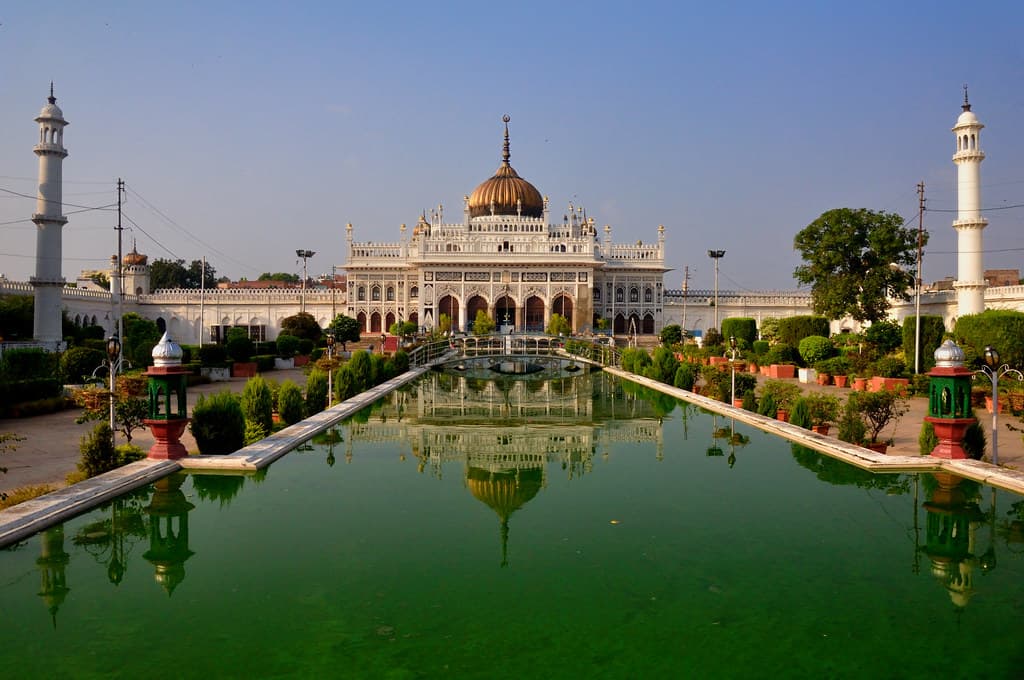
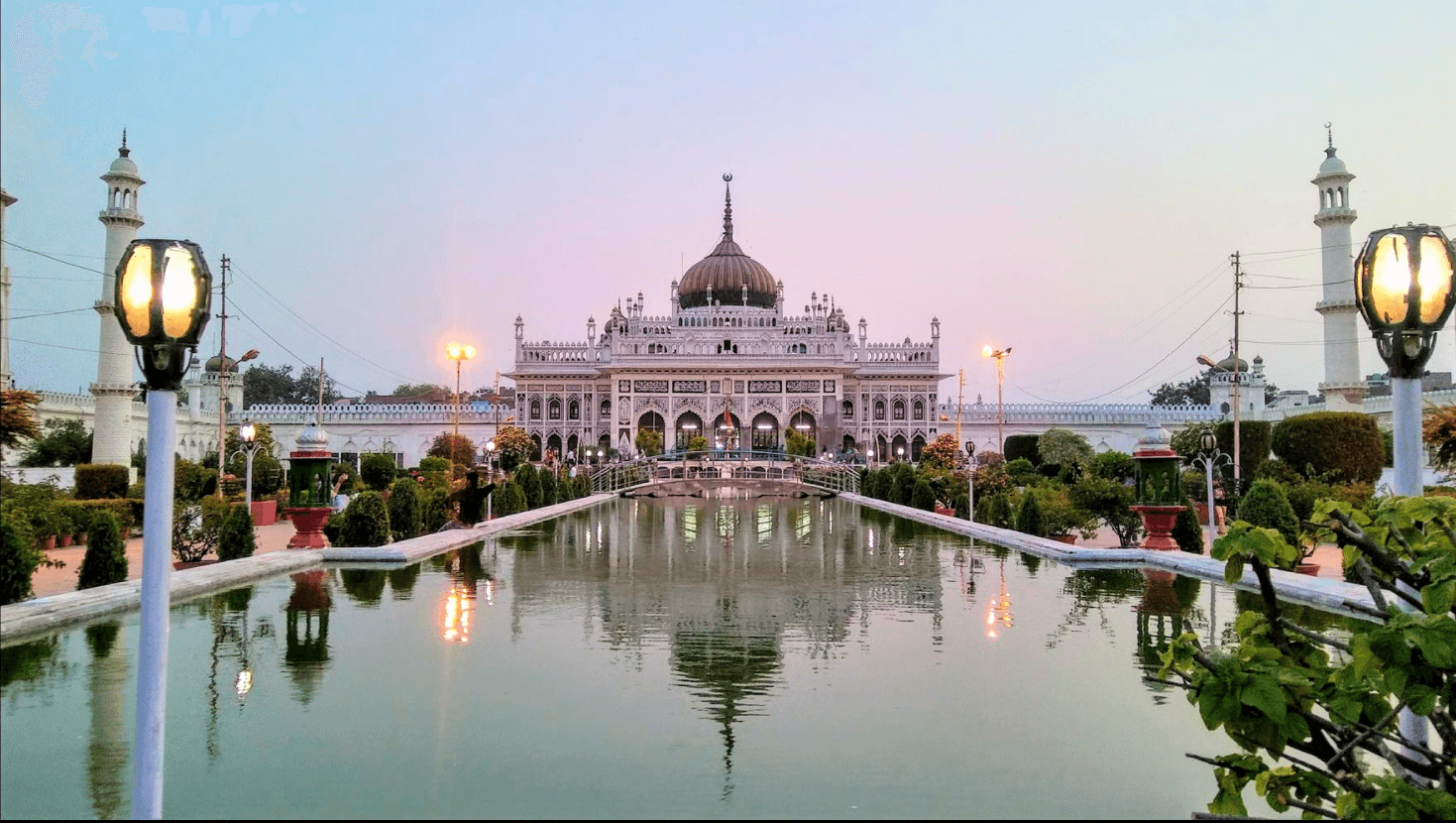
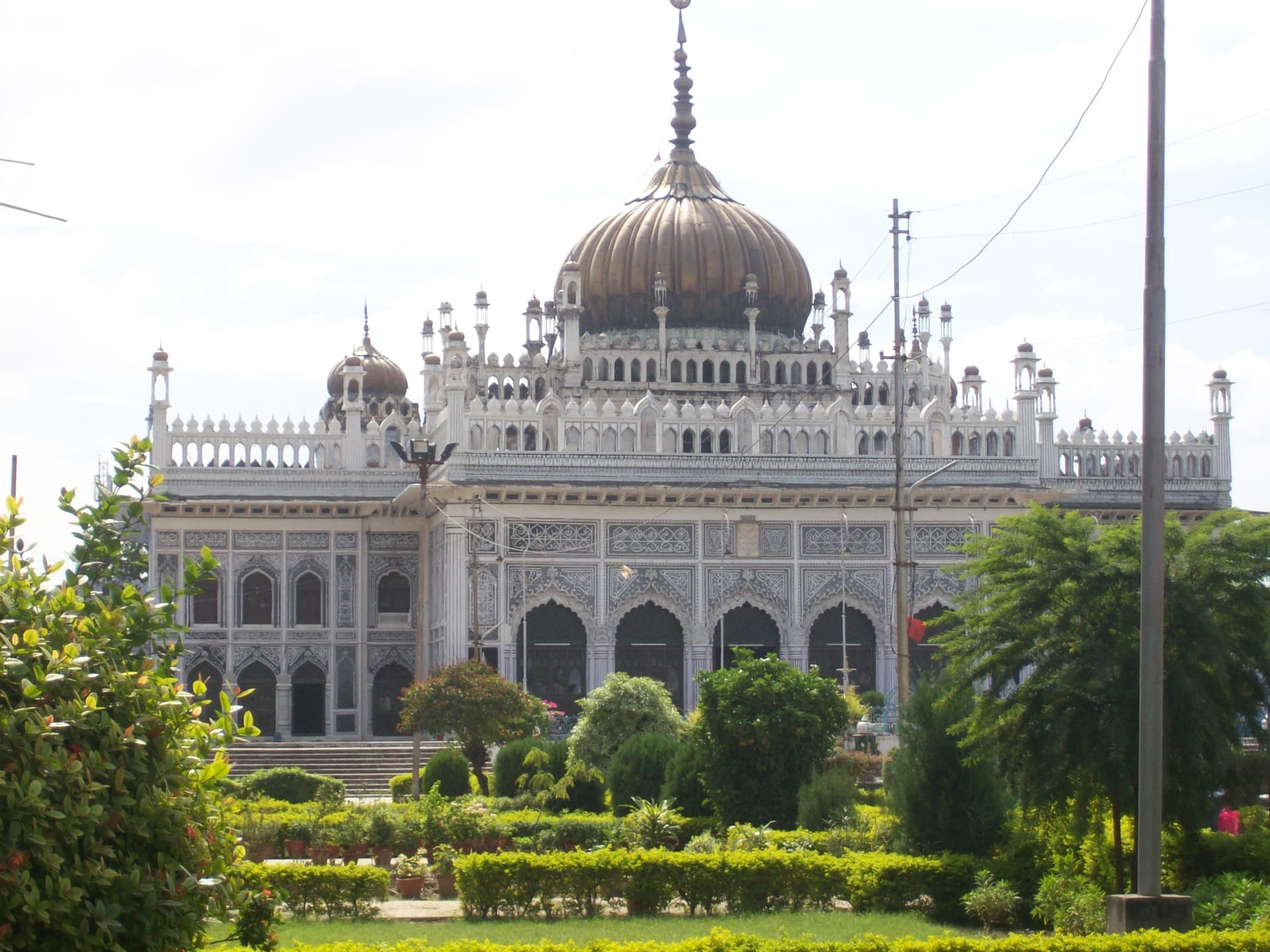
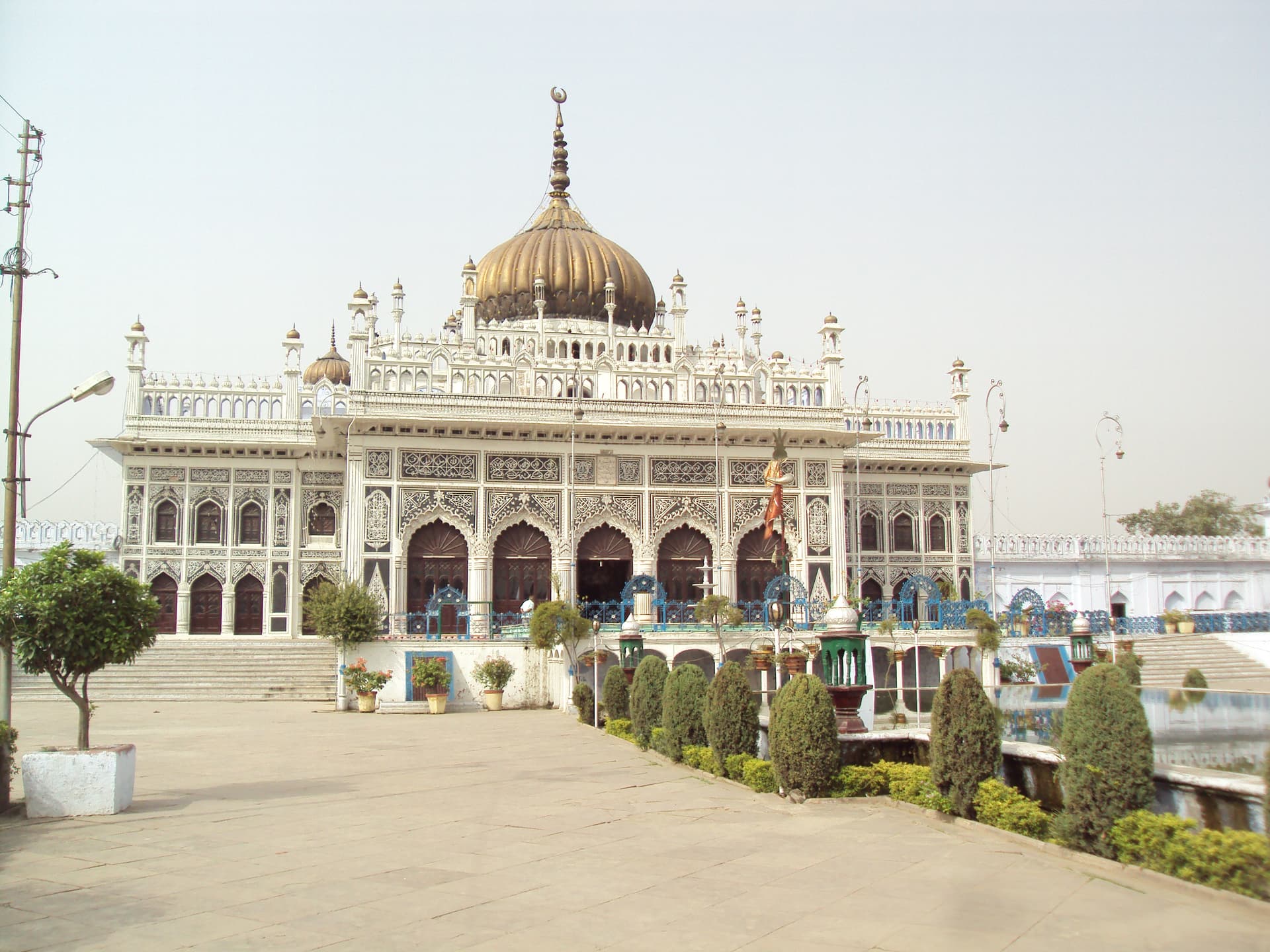
Chota Imambara, also known as the Imambara of Hussainabad, is a significant historical and cultural landmark in Lucknow. Built in 1838 by Muhammad Ali Shah, the third Nawab of Awadh, this splendid edifice serves as a congregation hall for Shia Muslims during Muharram. The structure is a fine example of Mughal architecture with intricate designs and embellishments. The exterior features a grand façade adorned with Islamic calligraphy and detailed minarets, while the interior is beautifully decorated with chandeliers, mirrors, and silver work, creating an opulent and majestic ambiance. Noteworthy elements include the tombs of Muhammad Ali Shah and his mother, which are located within the Imambara, as well as the adjacent mosque and the ornate main entrance. The surrounding complex includes a serene pond and several smaller buildings, each contributing to the site's historical and architectural significance. Chota Imambara is an essential visit for those interested in the rich cultural heritage and architectural beauty of Lucknow.
Key Features and Attractions
Central Hall: The main hall of Chota Imambara is an architectural marvel, featuring a large central dome and several smaller ones. The hall is richly decorated with chandeliers, including those brought from Belgium, adding to its grandeur.
Tazia Replicas: Inside the Imambara, one can find intricate replicas of Tazias (miniature mausoleums) used in Muharram processions. These replicas are meticulously crafted and offer insight into the ceremonial practices of Shia Muslims.
Tomb of Muhammad Ali Shah: The central hall houses the tomb of Muhammad Ali Shah and his mother. The tombs are placed under elaborate canopies adorned with gold and silver.
Bahra Imambara: Adjacent to the main hall is the Bahra Imambara, a small structure housing the graves of the Nawab's family members. This area is less grand but equally significant.
Husainabad Mosque: Situated within the complex, the Husainabad Mosque features two tall minarets and a serene prayer hall. Its symmetrical design and detailed ornamentation reflect the architectural style of the period.
Water Bodies and Gardens: The Imambara complex includes well-maintained gardens and water bodies, enhancing the overall aesthetic appeal of the site.
Cultural Heritage
Chota Imambara stands as a testament to the rich cultural heritage of Lucknow, which was a major center of Shia culture during the Nawabi era. The Imambara not only serves as a religious site but also as a venue for various cultural and social gatherings. The annual Muharram procession is a significant event, drawing thousands of devotees who come to pay their respects and participate in the rituals.
Historical Significance
Chota Imambara is historically significant as it reflects the prosperity and artistic inclinations of the Nawabs of Awadh. Constructed during a period of economic difficulty, the project provided employment to thousands of people, showcasing the Nawab's concern for his subjects. The building's architecture, combining Mughal and Persian elements, highlights the syncretic cultural influences of the time.
Nearby Attractions
Bara Imambara: Located nearby, this grand imambara is another architectural masterpiece from the Nawabi era, featuring the famous Bhulbhulaiya (labyrinth).
Rumi Darwaza: This iconic gateway, also built by Nawab Asaf-ud-Daula, is an impressive example of Awadhi architecture.
Clock Tower: Situated close to the Chota Imambara, this Victorian-Gothic style clock tower is one of the tallest in India.
Picture Gallery: Housed in the same complex, the Picture Gallery features portraits of the Nawabs of Awadh, providing a visual history of the region's rulers.

Leave the planning to a local expert
Local Cuisine
Lucknow is renowned for its rich culinary heritage, offering a variety of delectable dishes. Visitors to Chota Imambara can explore local eateries and enjoy traditional Awadhi cuisine, including:
- Kebabs: Tunday Kababi's galouti kebabs and kakori kebabs are famous for their melt-in-the-mouth texture.
- Biryani: Awadhi biryani, known for its aromatic flavors and tender meat, is a must-try.
- Nihari: A slow-cooked stew of meat, nihari is a popular breakfast dish in Lucknow.
- Sheermal and Roomali Roti: These traditional breads complement the rich curries and kebabs.
Tips for Visitors
Timings: The Chota Imambara is open from morning to evening. It's advisable to visit early to avoid crowds and heat.
Dress Code: As a religious site, modest attire is recommended. Visitors may need to cover their heads before entering certain areas.
Guides: Hiring a local guide can enhance the experience by providing detailed historical and cultural insights.
Photography: While photography is allowed, be respectful of the sanctity of the place and avoid disturbing worshippers.
Conclusion
Chota Imambara is a jewel in Lucknow's architectural and cultural landscape. Its historical significance, coupled with its stunning design and intricate detailing, makes it a must-visit destination for history enthusiasts and cultural explorers. Whether you're interested in the architectural beauty, the rich cultural heritage, or simply the serene ambiance, Chota Imambara offers a unique glimpse into the splendor of the Nawabi era.