
Husainabad Clock Tower
Overview
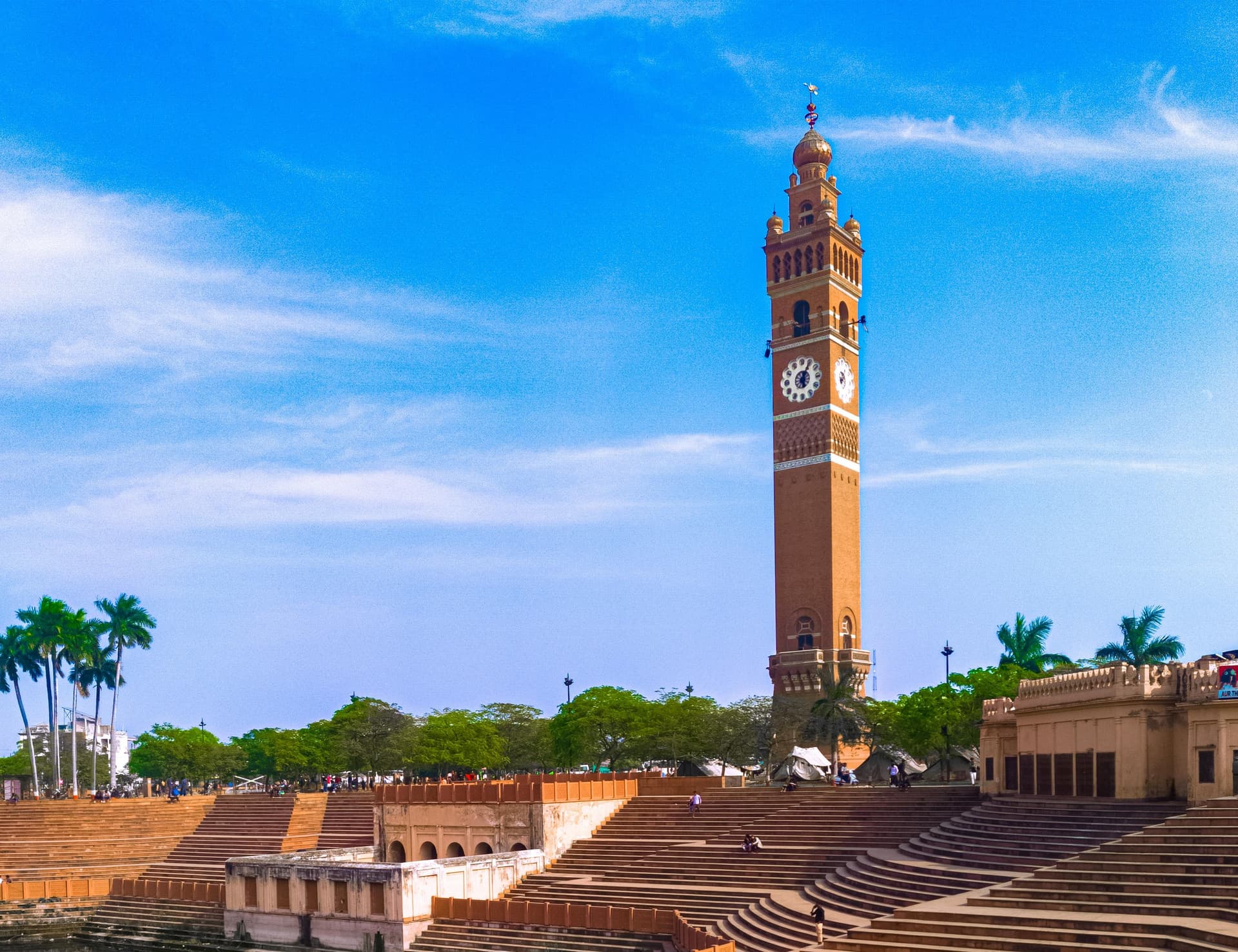
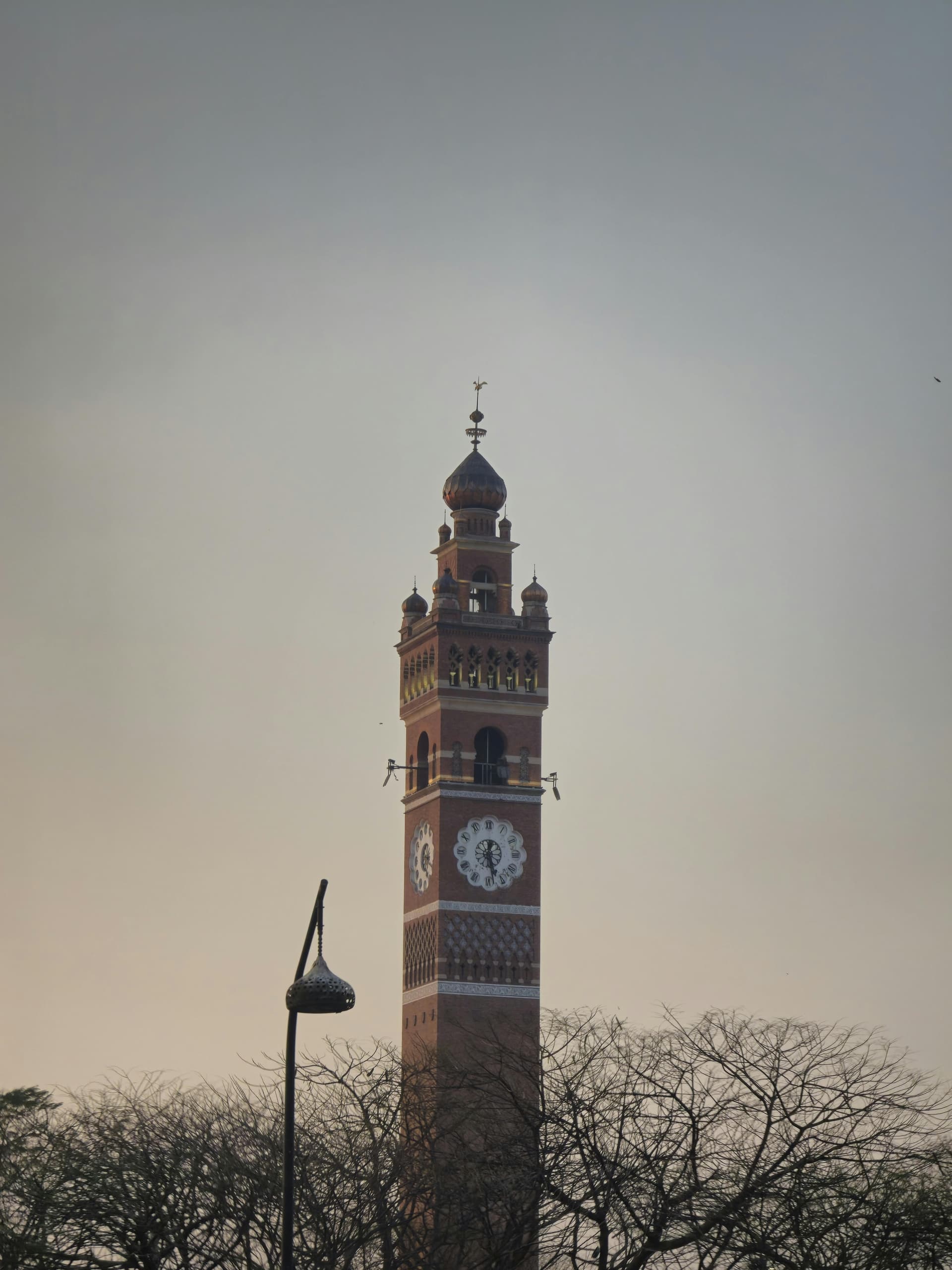
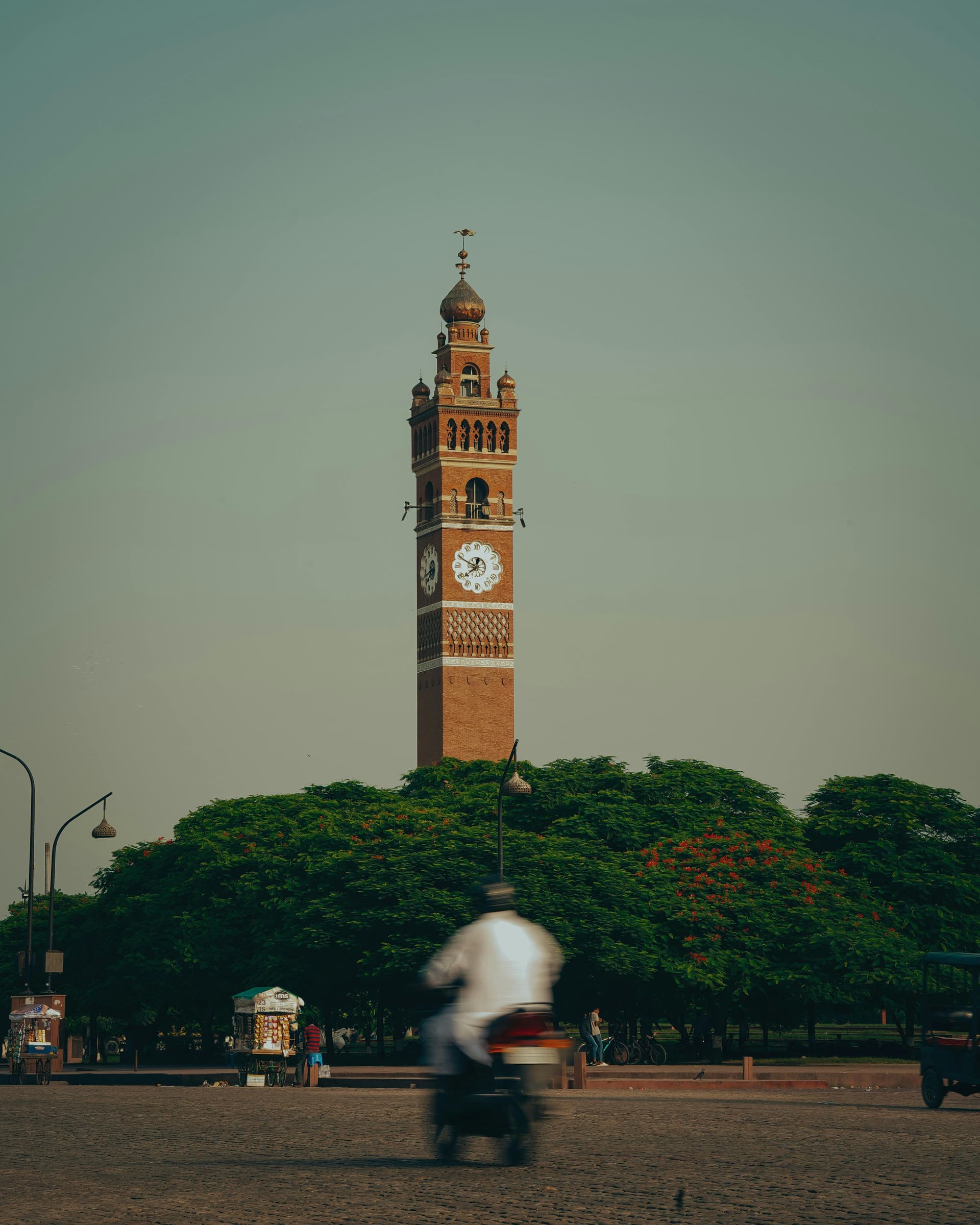
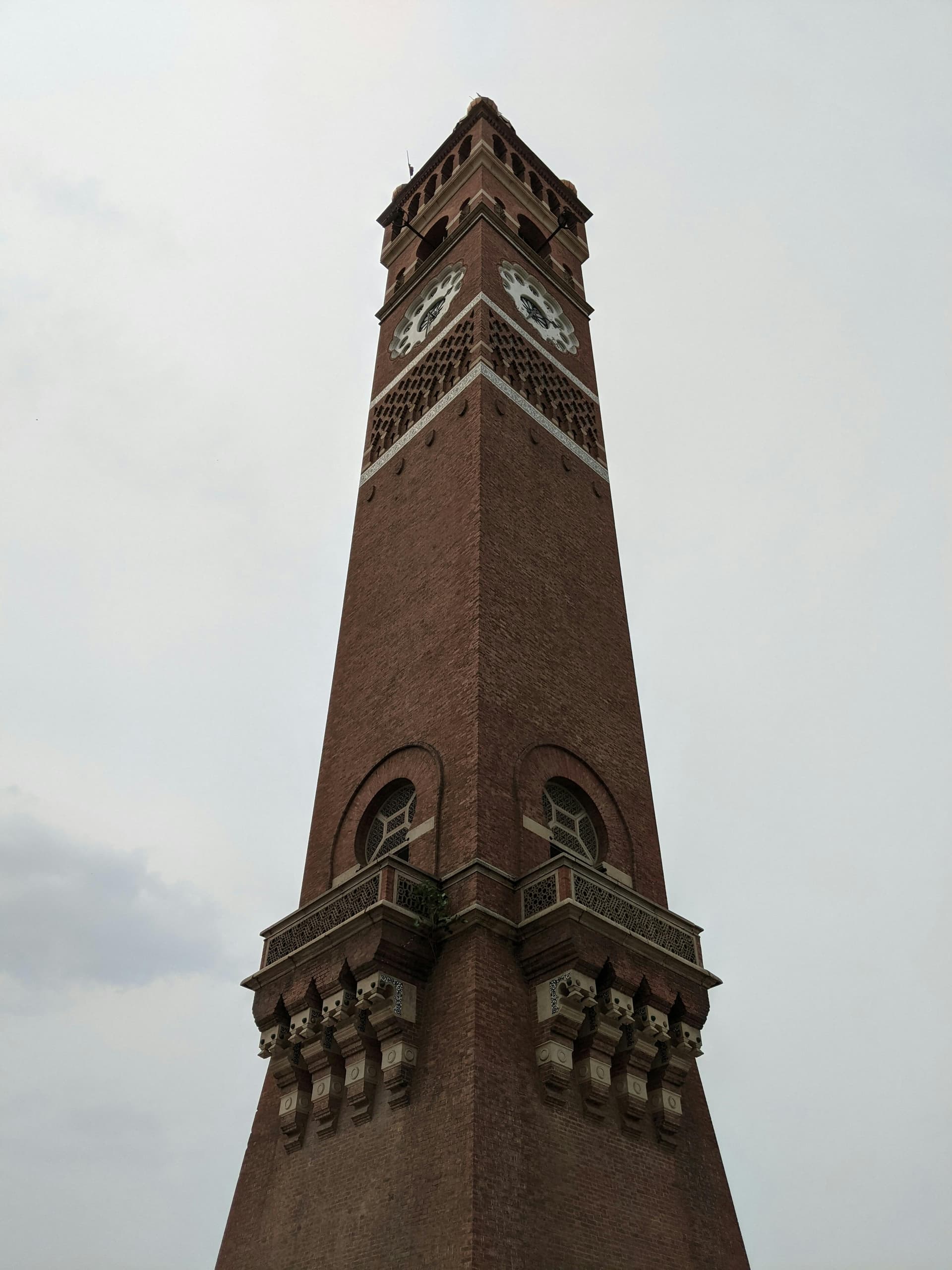
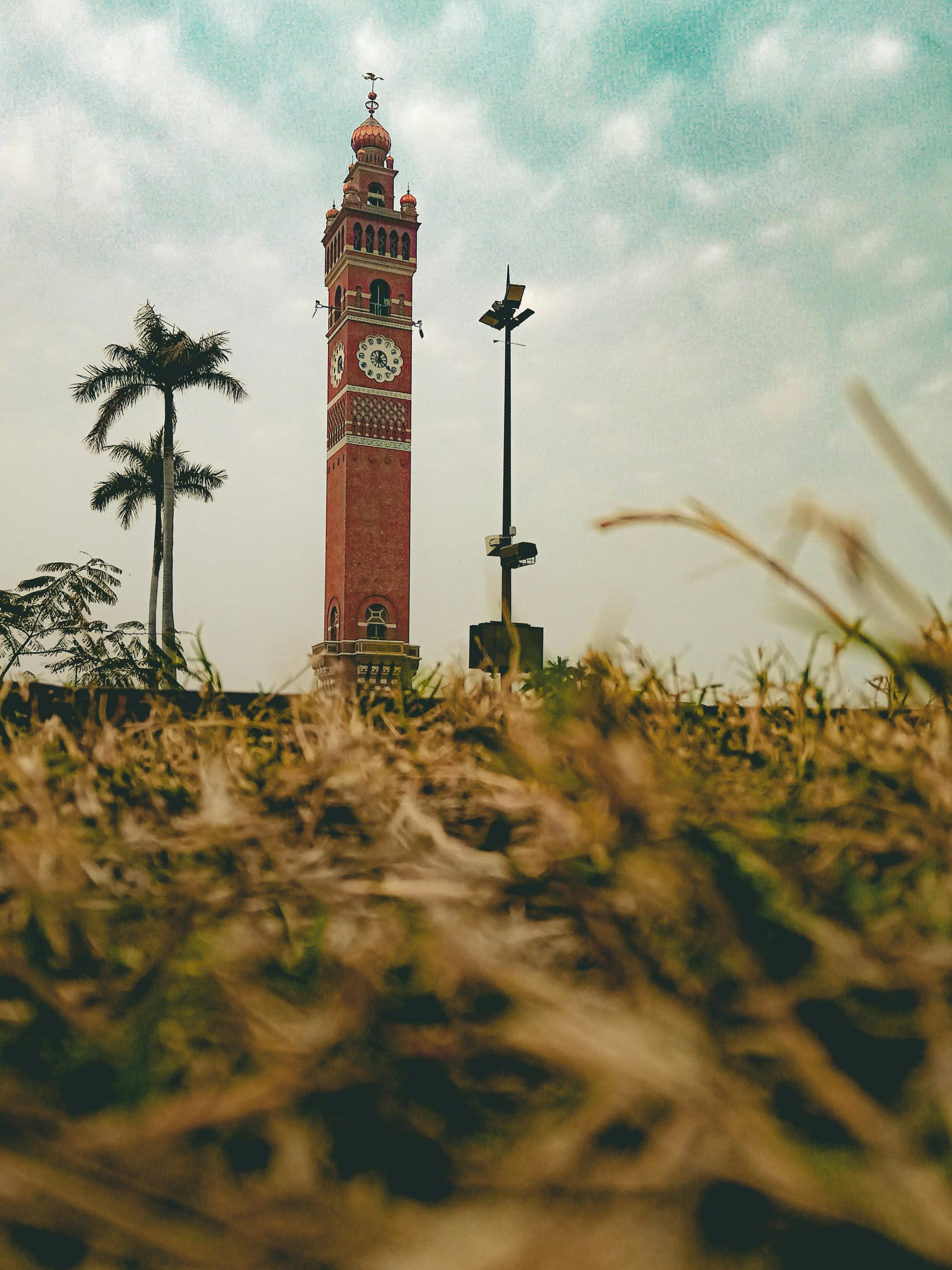
The Husainabad Clock Tower in Lucknow is an impressive structure that stands as a testament to the city's rich historical and architectural legacy. Built in 1881 by Nawab Husainabad, this towering edifice is a remarkable example of Gothic Revival architecture, characterized by its ornate detailing and striking clock face. Rising to a height of 221 feet, the clock tower is an iconic landmark that commands attention with its intricate carvings and grandeur. The tower's four faces are adorned with a clock that chimes every hour, adding to the charm of the structure. Its location in the Husainabad area, near the Rumi Darwaza and the Bara Imambara, makes it a central feature of a historic complex that reflects the opulence of the Nawabi era. The tower's rich red brick facade contrasts with its decorative stonework, creating a visually stunning effect. Visitors to the Husainabad Clock Tower will find it an excellent vantage point for exploring the architectural elegance of Lucknow and experiencing a piece of its regal past.
Key Features and Attractions
Architectural Design: The Husainabad Clock Tower showcases a blend of Gothic and Indo-Saracenic architectural styles. Its towering structure is characterized by intricate brickwork and ornamental details, including arched windows and decorative spires. The tower’s clock, imported from London, is a notable feature that continues to chime every hour.
Clock Mechanism: The clock itself is an important aspect of the tower. Made by the famous English clockmaker, John Moore, it has been operational since its installation, serving as a timekeeping beacon for the city.
Observation Points: The clock tower offers a panoramic view of the surrounding area from its upper levels. Visitors can appreciate the detailed craftsmanship and expansive view of Lucknow’s urban landscape.
Cultural Heritage
The Husainabad Clock Tower is more than just a timepiece; it represents the grandeur of Lucknow’s past and the legacy of Nawabi architecture. It is situated in the Husainabad area, known for its rich historical context and vibrant cultural scene. The tower complements the historical fabric of Lucknow, which is also reflected in its other notable structures like the Bara Imambara and Rumi Darwaza.
Historical Significance
The clock tower was built to mark the end of the First War of Indian Independence in 1857 and celebrate the resilience and recovery of the city. It is a symbol of the Nawabi era and stands as a reminder of Lucknow’s historical and political past. The structure was commissioned to showcase the technological and architectural advancements of the period.
Nearby Attractions
Bara Imambara: Located a short distance away, this grand monument is renowned for its labyrinthine layout and impressive architecture.
Rumi Darwaza: An iconic gateway built in the 18th century, showcasing intricate Mughal architecture.
Chota Imambara: Another significant monument known for its detailed interiors and historical importance.
Husainabad Imambara: A nearby shrine known for its architectural beauty and religious significance.

Leave the planning to a local expert
Local Cuisine
Lucknow is celebrated for its rich culinary traditions. Near the Husainabad Clock Tower, visitors can sample local delicacies such as:
- Kebabs: Seekh kebabs, galouti kebabs, and shami kebabs are a must-try.
- Biryani: The city’s version of biryani is aromatic and flavorful.
- Chaat: A variety of street food including pani puri and aloo tikki.
- Halwa: Traditional sweet dishes like suji halwa.
Tips for Visitors
Timing: The clock tower is best visited during daylight hours to fully appreciate the architectural details and enjoy the surrounding views.
Dress Code: Wear comfortable clothing and appropriate footwear as there may be some walking involved.
Local Guides: Consider hiring a local guide to gain deeper insights into the historical significance and architectural features of the tower.
Photography: Bring a camera to capture the intricate details of the tower and its surroundings.
Safety: As with any tourist attraction, stay aware of your belongings and follow local guidelines.
Conclusion
The Husainabad Clock Tower stands as a striking example of 19th-century architecture and a symbol of Lucknow’s storied past. With its impressive structure, historical significance, and the rich cultural context of the region, it is a key landmark for those interested in exploring the historical and architectural heritage of the city. Its proximity to other historical sites and the local culinary scene further enhances its appeal to visitors.