
Jama Masjid, Lucknow
.jpg&w=1920&q=75)
.jpg&w=1920&q=75)
Overview
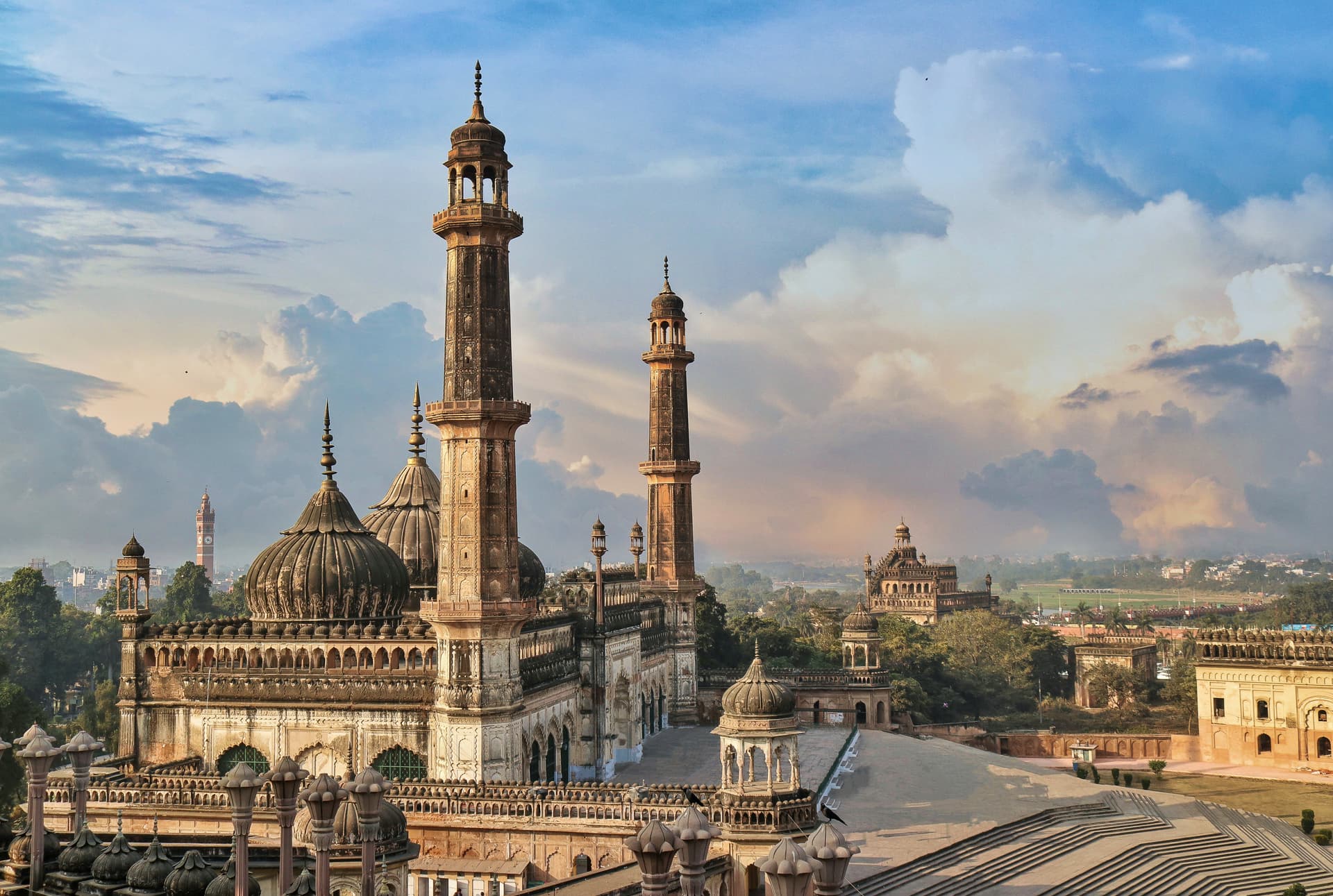
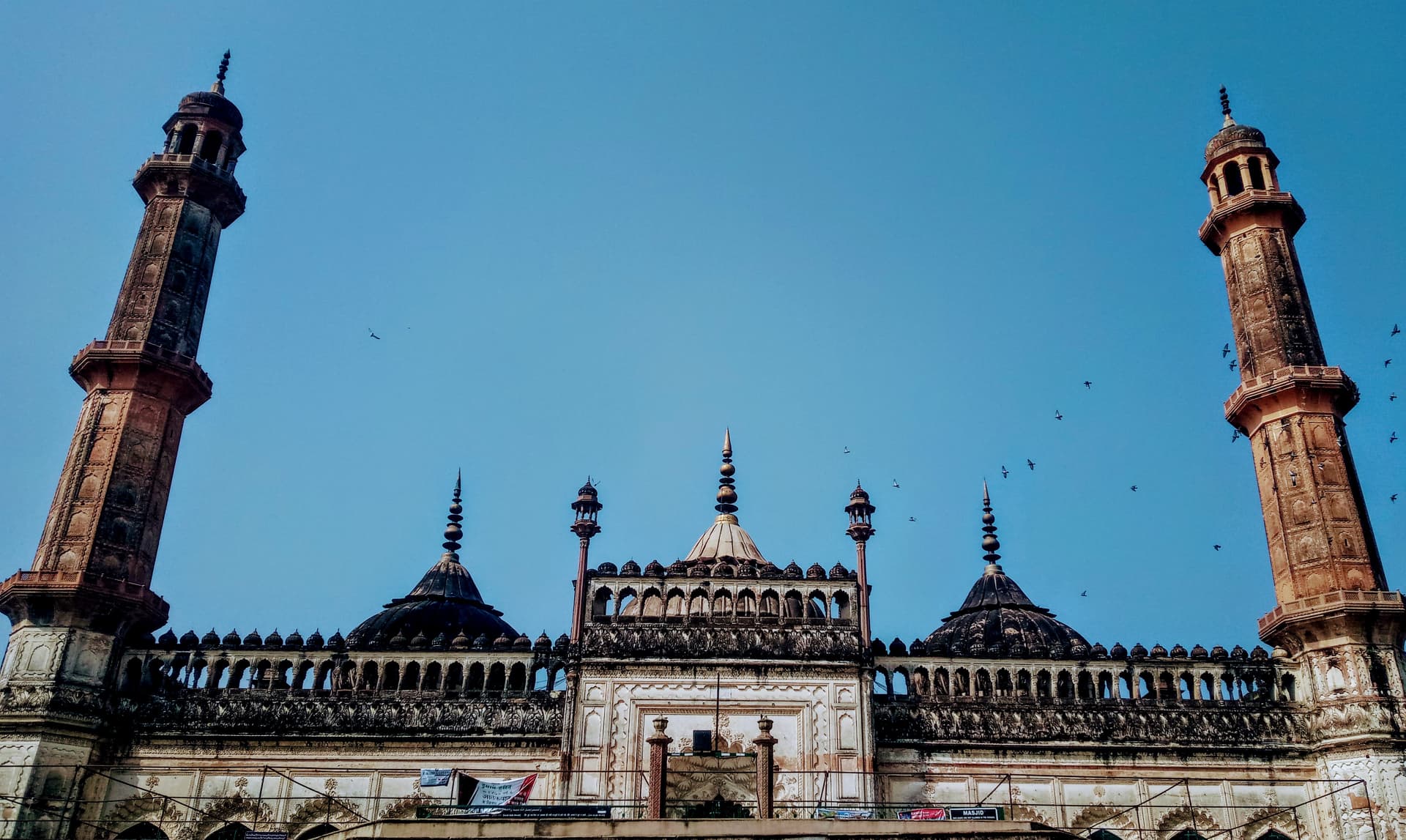
Jama Masjid, situated in the heart of Lucknow, is a striking example of Mughal architectural prowess. Commissioned by Nawab Shuja-ud-Daula in the 18th century, this grand mosque features an imposing façade with intricately designed red sandstone arches and domes. The mosque's spacious courtyard is flanked by majestic minarets and adorned with detailed calligraphy and floral motifs that highlight its artistic splendor. The central prayer hall, with its beautifully crafted pillars and large domes, offers a profound sense of the grandeur of Mughal design. Visitors can appreciate the mosque's historical significance, not only as a place of worship but also as a symbol of Lucknow's rich cultural heritage. The area surrounding the Jama Masjid is vibrant, with local markets offering a variety of traditional crafts and cuisine. For those exploring the city, nearby attractions include the Bara Imambara and the Rumi Darwaza. When visiting, it's advisable to dress modestly and respect the local customs to fully appreciate the historical and cultural essence of this architectural gem.
Key Features and Attractions
Architectural Design: The Jama Masjid is renowned for its impressive Mughal architecture, characterized by its massive red sandstone walls and elegant marble work. The mosque features a large courtyard, which is one of its most defining elements. It is surrounded by high walls with three grand gateways, each adorned with intricate carvings and delicate designs.
Prayer Hall: The mosque's prayer hall is an expansive space supported by several large pillars. It is embellished with detailed frescoes and calligraphy, adding to the grandeur of the interior.
Minarets: The Jama Masjid features two towering minarets, each standing at approximately 60 feet. These minarets are intricately designed with detailed carvings and provide an elevated view of the surrounding area.
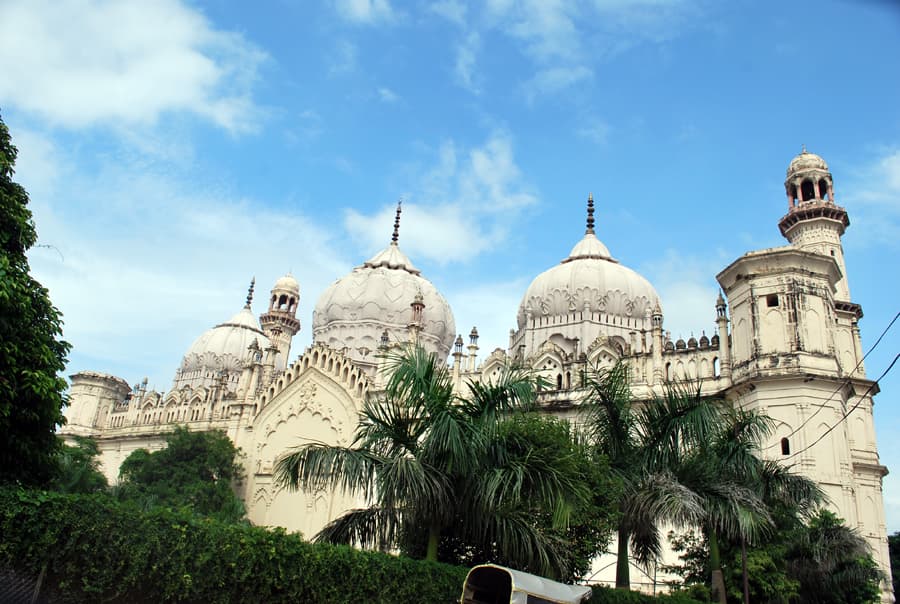
Domes: The mosque is topped with three large domes, which are decorated with beautiful floral patterns and geometric designs. These domes add to the aesthetic appeal of the structure.
Cultural Heritage
The Jama Masjid is a vital cultural symbol for the Muslim community in Lucknow. It serves not only as a place of worship but also as a center for religious and cultural activities. The mosque's architecture and design are representative of the artistic and cultural flourishes during the Nawabi period, showcasing the blend of Mughal and Persian influences.
Historical Significance
The mosque was built by Nawab Shuja-ud-Daula, a prominent ruler of the Oudh (Awadh) region. It was constructed to commemorate his rule and reflect the grandeur of his reign. The Jama Masjid stands as a testament to the opulence and architectural innovation of the Nawabi era. Its establishment marked a significant period in Lucknow’s history, during which the city became a center of culture and learning.
Nearby Attractions
Rumi Darwaza: Located nearby, this grand gateway is a prime example of Mughal architecture and serves as a notable landmark in Lucknow.
Bara Imambara: A short distance away, this historic monument is famous for its impressive labyrinth and the architectural ingenuity of its construction.
Chota Imambara: Known for its beautiful decoration and impressive chandeliers, this monument is another prominent attraction in Lucknow.

Leave the planning to a local expert
Tips for Visitors
Dress Modestly: As a place of worship, it is essential to dress modestly. Visitors should cover their heads and avoid wearing revealing clothing.
Timing: It’s best to visit the mosque during the early morning or late afternoon to avoid crowds and to witness the mosque in its serene ambiance.
Respect Local Customs: Visitors should maintain silence and respect the prayer times and activities taking place within the mosque.
Photography: Photography might be restricted inside the mosque. It is advisable to check with the authorities before taking any photos.
Conclusion
The Jama Masjid in Lucknow is a remarkable representation of Mughal architectural brilliance and historical significance. Its grand design and cultural heritage make it a must-visit landmark for anyone interested in exploring the rich history and architecture of Lucknow. With its proximity to other historical sites and vibrant local cuisine, it offers a comprehensive experience of the city's cultural and historical tapestry.