
Rumi Darwaza
.jpg&w=1920&q=75)
.jpg&w=1920&q=75)

Overview
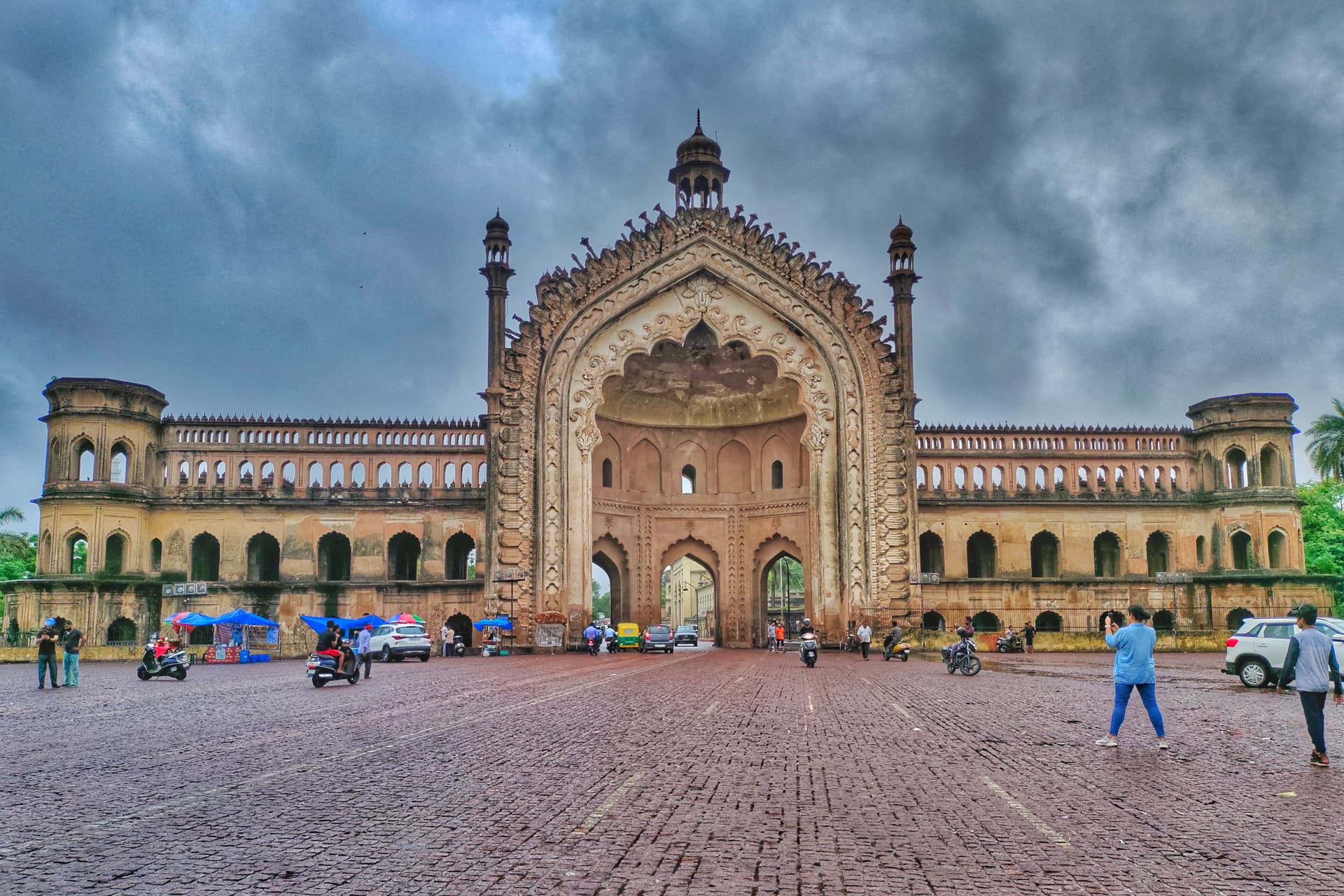
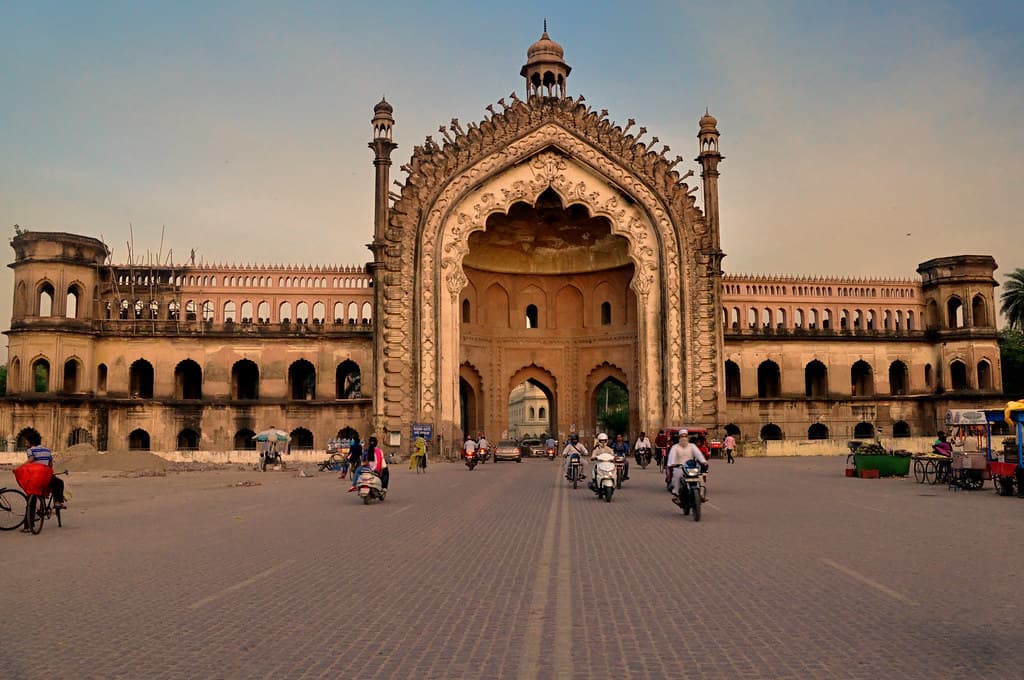
Rumi Darwaza, also known as the Turkish Gate, stands as one of Lucknow’s most iconic landmarks. Built in 1784 by Nawab Asaf-ud-Daula, this grandiose gateway exemplifies the opulence of Awadhi architecture. The structure features a massive central arch flanked by smaller arches, adorned with intricate carvings and ornamental detailing that reflect the blend of Mughal and Persian styles. Rising to a height of approximately 60 feet, Rumi Darwaza serves as an impressive example of the grandeur of Nawabi era constructions. This gateway was originally constructed as an entrance to the city and has since become a symbol of Lucknow's rich heritage. Visitors are often captivated by its sheer scale and the elaborate decorative work that highlights the artistic skills of its era. The surrounding area is a bustling hub, adding a vibrant atmosphere to the historical significance of the site.
Key Features and Attractions
Architectural Design: Rumi Darwaza is renowned for its unique blend of Mughal and Persian architectural styles. The gate features a colossal structure with a height of about 60 feet. Its central arch is adorned with intricate carvings and a large central dome, which is a defining feature of the structure.
Material and Construction: Constructed using red sandstone, the gate is decorated with delicate floral patterns and geometric designs. The intricacy of the carvings reflects the skilled craftsmanship of the era.
Historical Significance: Built in 1784 by Nawab Asaf-ud-Daula, this gate was part of an extensive fortification project. It served as the entrance to the city and symbolized the grandeur of the Nawabi era. Its name, Rumi Darwaza, reflects the influence of Turkish architecture, as "Rumi" means "Roman" or "Turkish" in Persian.
Cultural Heritage
Rumi Darwaza represents the architectural and cultural synthesis of the Mughal and Persian influences prevalent during the Nawabi period. It reflects the opulence of the era and stands as a cultural landmark in Lucknow. The structure's elegance and design are indicative of the artistic achievements of the time.
Nearby Attractions
Bara Imambara: A short distance from Rumi Darwaza, Bara Imambara is another significant architectural marvel built by Nawab Asaf-ud-Daula. The complex includes the central hall, one of the largest arched constructions without support beams, and the labyrinthine Bhool Bhulaiyaa (maze).
Chota Imambara: Also known as the Imambara of Hussainabad, this monument is renowned for its intricate decoration and the mausoleum of Nawab Muhammad Ali Shah.
Hussainabad Clock Tower: Positioned close to the Chota Imambara, this clock tower is a remarkable example of colonial-era architecture and adds to the historical richness of the area.
Local Cuisine
Lucknow is celebrated for its rich culinary heritage. While visiting Rumi Darwaza, you might want to explore local delicacies such as:
- Tunday Kababi: Famous for its kebabs and other Mughlai dishes.
- Awadhi Biryani: A flavorful rice dish prepared with aromatic spices and tender meat.
- Chaat: Street food offerings, including various types of spicy and tangy snacks.

Leave the planning to a local expert
Tips for Visitors
Best Time to Visit: Early mornings or late evenings are ideal to avoid the midday heat and experience the monument in a more relaxed environment.
Dress Code: Wear comfortable clothing and be respectful of local customs. Modest attire is recommended when visiting religious and historic sites.
Guided Tours: Consider hiring a local guide to gain deeper insights into the history and significance of Rumi Darwaza and other nearby attractions.
Photography: The gate provides excellent photo opportunities. Ensure to check local regulations regarding photography, especially if using a tripod.
Conclusion
Rumi Darwaza stands as a prominent landmark in Lucknow, embodying the grandeur and cultural richness of the Nawabi era. Its architectural brilliance, historical significance, and cultural heritage make it a must-visit site for anyone exploring the city. The nearby attractions and local cuisine further enhance the experience, offering a comprehensive glimpse into the past and present of this vibrant region.