
The Residency
Overview
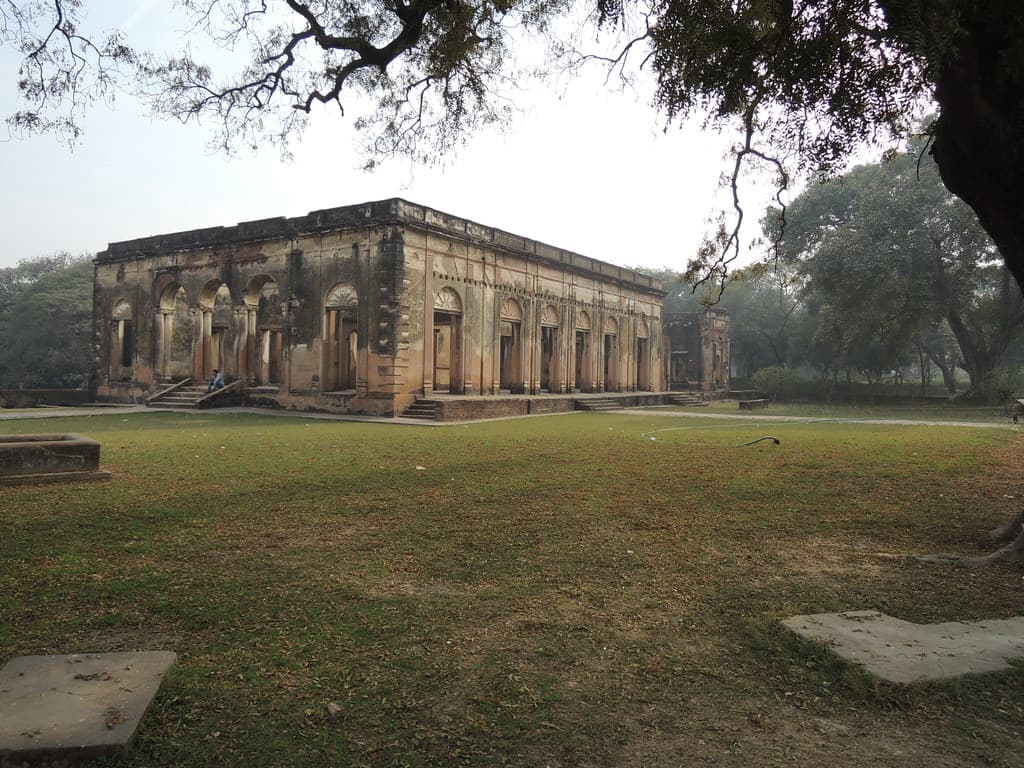
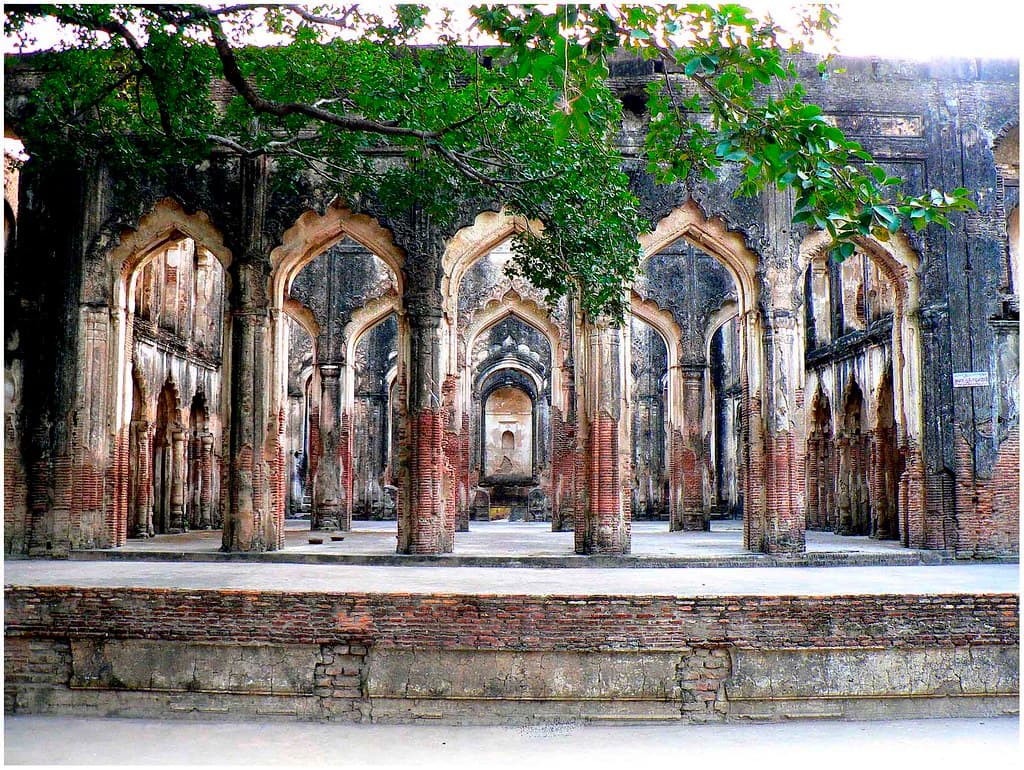
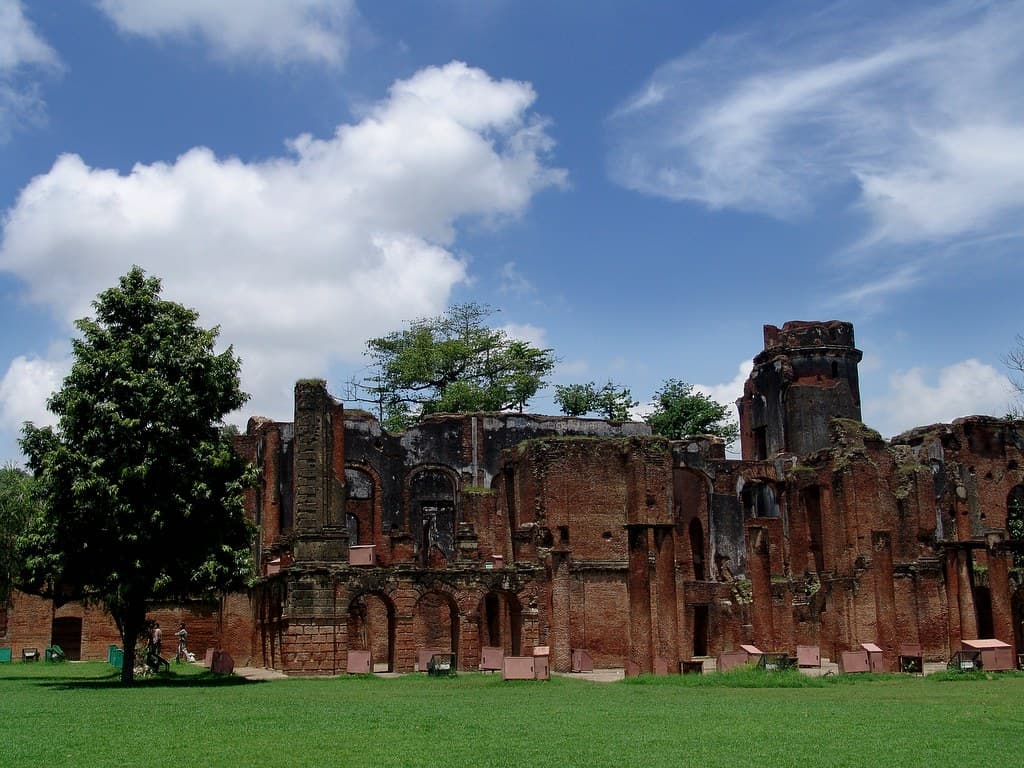
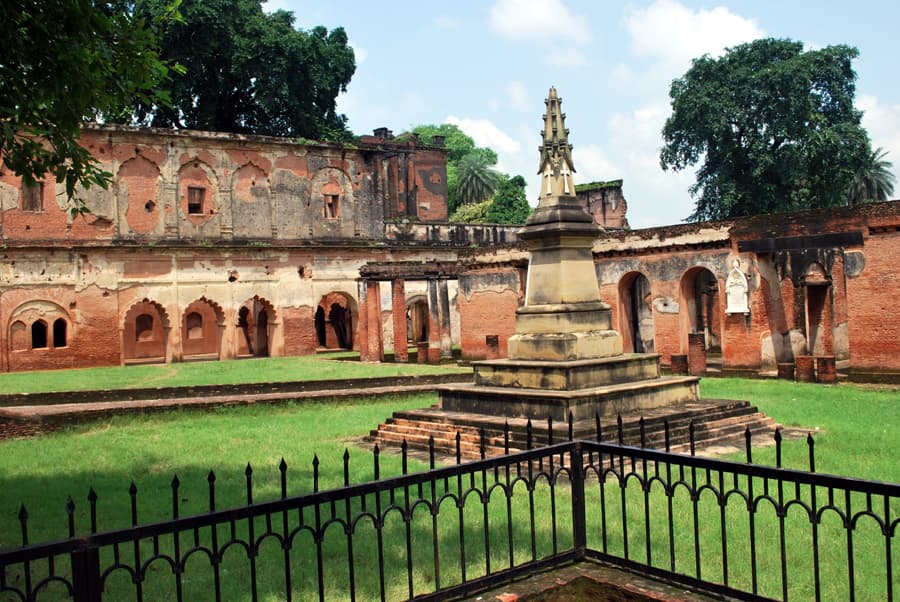
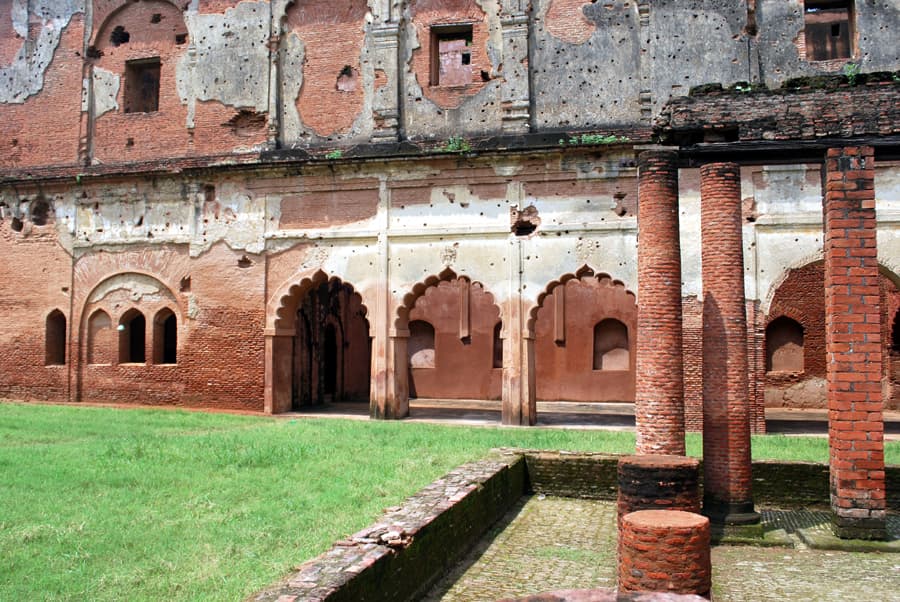
The Residency in Lucknow stands as a poignant reminder of the tumultuous history of British India. Constructed in the late 18th century by Nawab Asaf-ud-Daula, this complex served as the residence for the British Resident General. Today, the site is a sprawling ruin, marked by bullet-ridden walls and the remnants of colonial-era architecture, bearing testimony to the siege during the Revolt of 1857. Visitors can explore the ruins of the main Residency building, the Banquet Hall, and the Treasury House, each narrating its own tale of the past. The cemetery, with its weathered tombstones, is a somber tribute to those who perished during the siege. The museum within the complex offers detailed exhibits and artifacts from the period, providing a deeper understanding of the events that transpired. The Residency is not only a significant historical landmark but also a place of reflection, making it an essential visit for anyone interested in India's rich and complex history.
Key Features and Attractions
Historical Ruins: The Residency’s most striking feature is its collection of ruins, including the remnants of the main building, which was once a grand structure. The ruins are evocative of the intense battles that took place here during the Siege of Lucknow.
Memorials and Monuments: Several memorials within the complex commemorate the sacrifices of British soldiers and Indian sepoys. Key memorials include the Memorial Church, the 1857 Memorial, and the memorial to the fallen British soldiers.
Museum: The Residency houses a small museum displaying artifacts, paintings, and historical documents related to the Siege of Lucknow and the British colonial era. These exhibits provide valuable insights into the events of 1857.
Historical Plaques and Markers: Informative plaques and markers throughout the complex offer detailed descriptions of significant events and locations within the Residency.
Cultural Heritage
The Residency holds immense cultural significance as a symbol of the colonial era and the struggle for independence. The site is a testament to the resilience of both the British forces and the local Indian population during a turbulent period. It reflects the complex interactions between the colonizers and the colonized and stands as a reminder of the historical upheavals that shaped modern India.
Historical Significance
Built in the late 18th century, The Residency was initially intended to serve as the residence of the British Resident in Lucknow. However, it became infamous for its role during the 1857 uprising when it was besieged by Indian rebels. The prolonged siege resulted in severe damage to the structure, which remains a poignant reminder of the conflict. The site played a crucial role in the struggle for independence and is considered a landmark of national and historical importance.
Nearby Attractions
Bara Imambara: A grand architectural masterpiece built by Nawab Asaf-ud-Daula, featuring a large central hall and the intriguing Bhool Bhulaiyaa (labyrinth).
Chota Imambara: Another impressive structure built by Nawab Muhammad Ali Shah, known for its elegant design and elaborate decorations.
Rumi Darwaza: A striking gateway known for its Indo-Islamic architecture, often referred to as the "Turkish Gate."
Gomti Riverfront Park: A picturesque park along the Gomti River, offering leisure activities and a relaxing environment.

Leave the planning to a local expert
Tips for Visitors
Visit Early: To avoid crowds and enjoy a more reflective experience, consider visiting The Residency early in the day.
Wear Comfortable Footwear: The site involves a fair amount of walking, so comfortable shoes are advisable.
Guided Tours: Engaging a local guide can enhance your understanding of the site’s historical context and significance.
Carry Water and Snacks: There are limited facilities within the complex, so carrying water and light snacks is recommended.
Conclusion
The Residency in Lucknow offers a compelling insight into a pivotal chapter of Indian history. With its evocative ruins, memorials, and museum, the site stands as a powerful reminder of the struggles and resilience of the past. Whether you're a history enthusiast or simply interested in exploring significant cultural landmarks, The Residency provides a valuable and enriching experience.