
Aayiram Kaal Mandapam
.jpg&w=1920&q=75)
.jpeg&w=1920&q=75)
Overview
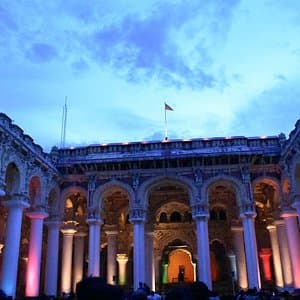
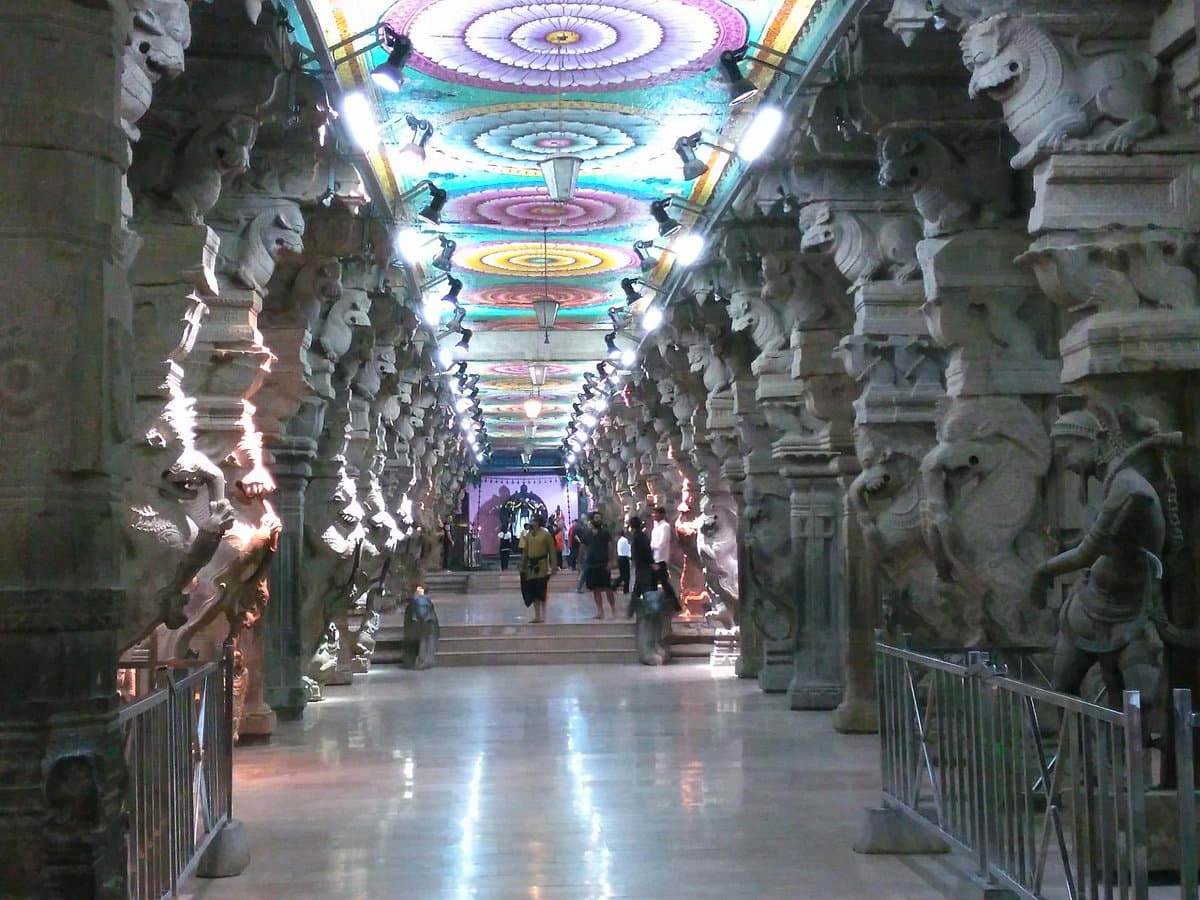
Aayiram Kaal Mandapam, also known as the Thousand Pillar Hall, is a magnificent architectural marvel located within the premises of the Meenakshi Amman Temple in Madurai, Tamil Nadu. This grand hall is renowned for its thousand intricately carved pillars, each adorned with exquisite sculptures and designs, representing the pinnacle of Dravidian architecture.
Historical Significance:
The Aayiram Kaal Mandapam was constructed in the late 16th century during the reign of the Nayak dynasty, particularly under the rule of King Thirumalai Nayak. The hall was built as an addition to the already grand Meenakshi Amman Temple complex, enhancing its architectural splendor and providing a space for rituals, ceremonies, and cultural performances.
Architectural Details:
Dravidian Architecture: The mandapam exemplifies the Dravidian architectural style, characterized by its towering pillars, intricate carvings, and detailed craftsmanship.
Pillars: The hall contains 985 pillars, each uniquely carved with images of gods, goddesses, mythical creatures, and floral patterns. The pillars are arranged in such a way that they create an illusion of endlessness, adding to the hall’s grandeur.
Sculptures: The sculptures on the pillars depict various scenes from Hindu mythology, including the tales of Meenakshi and Sundareswarar. The level of detail and artistry in these sculptures is a testament to the skill of the artisans of the time.
Ceiling: The ceiling of the hall is equally ornate, featuring frescoes and murals that add to the visual appeal of the space.
Key Features and Attractions:
Museum: The Aayiram Kaal Mandapam houses a museum that exhibits artifacts, sculptures, paintings, and historical relics from the temple’s history. This museum provides visitors with insights into the cultural and religious significance of the Meenakshi Temple.
Musical Pillars: Some pillars in the hall are known as musical pillars. When struck, they produce musical notes, demonstrating the advanced knowledge of acoustics possessed by the ancient builders.
Light and Shadow Play: The arrangement of the pillars and the natural light entering the hall create fascinating patterns of light and shadow, enhancing the mystical ambiance of the space.
Nearby Attractions:
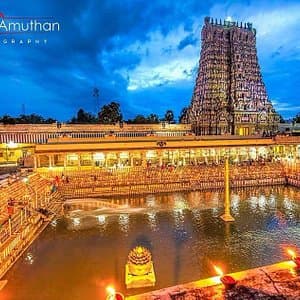
Meenakshi Amman Temple: The main temple complex, dedicated to Goddess Meenakshi and Lord Sundareswarar, is a significant religious site and architectural masterpiece.
Thirumalai Nayakkar Mahal: A historic palace located in Madurai, known for its Indo-Saracenic architecture and grand courtyard.
Pazhamudircholai: A temple dedicated to Lord Muruga, situated on a hilltop near Madurai.
Local Cuisine:
Madurai Specialties: Madurai is famous for its culinary delights, including dishes like idli, dosa, sambar, and the unique Jigarthanda, a refreshing milk-based drink.
Street Food: The streets of Madurai are lined with vendors offering a variety of traditional snacks like vadai, bajji, and sweetmeats.

Leave the planning to a local expert
Festivals and Events:
Chithirai Festival: One of the major festivals celebrated in Madurai, featuring grand processions and elaborate rituals that often include events at the Aayiram Kaal Mandapam.
Navaratri: A nine-day festival dedicated to Goddess Durga, observed with music, dance, and special poojas (rituals) in the mandapam.
Meenakshi Thirukalyanam: The divine marriage ceremony of Goddess Meenakshi and Lord Sundareswarar, celebrated with great fervor and involving elaborate rituals.
Sustainability and Conservation:
Efforts to preserve and maintain the Aayiram Kaal Mandapam include:
- Restoration Projects: Regular restoration and conservation work to preserve the structural integrity and artistic features of the hall.
- Cultural Preservation: Initiatives to document and promote the temple’s historical and cultural significance, ensuring that its legacy is passed on to future generations.
- Eco-Friendly Practices: Implementation of sustainable practices in the management of the temple premises, including waste management and the use of eco-friendly materials.
Tips for Visitors:
Best Time to Visit: The ideal time to visit is between October and March when the weather is cooler and more pleasant.
Dress Code: Modest attire is recommended, with shoulders and knees covered, as a mark of respect for the religious site.
Footwear: Footwear should be removed before entering the temple premises. Designated areas are provided for leaving shoes.
Guided Tours: Hiring a local guide can provide deeper insights into the hall’s history, architecture, and cultural significance.
Photography: While photography is generally allowed, it’s best to inquire about specific restrictions, especially in sacred areas.
Conclusion:
Aayiram Kaal Mandapam is an architectural and cultural treasure of Tamil Nadu, showcasing the artistry and religious devotion of its creators. The hall’s intricate carvings, historical significance, and role in cultural traditions make it a must-visit destination for history enthusiasts, architecture lovers, and spiritual seekers. A visit to Aayiram Kaal Mandapam offers a profound experience of the rich heritage and timeless beauty of Madurai.