
Azhagar Kovil Temple
Overview
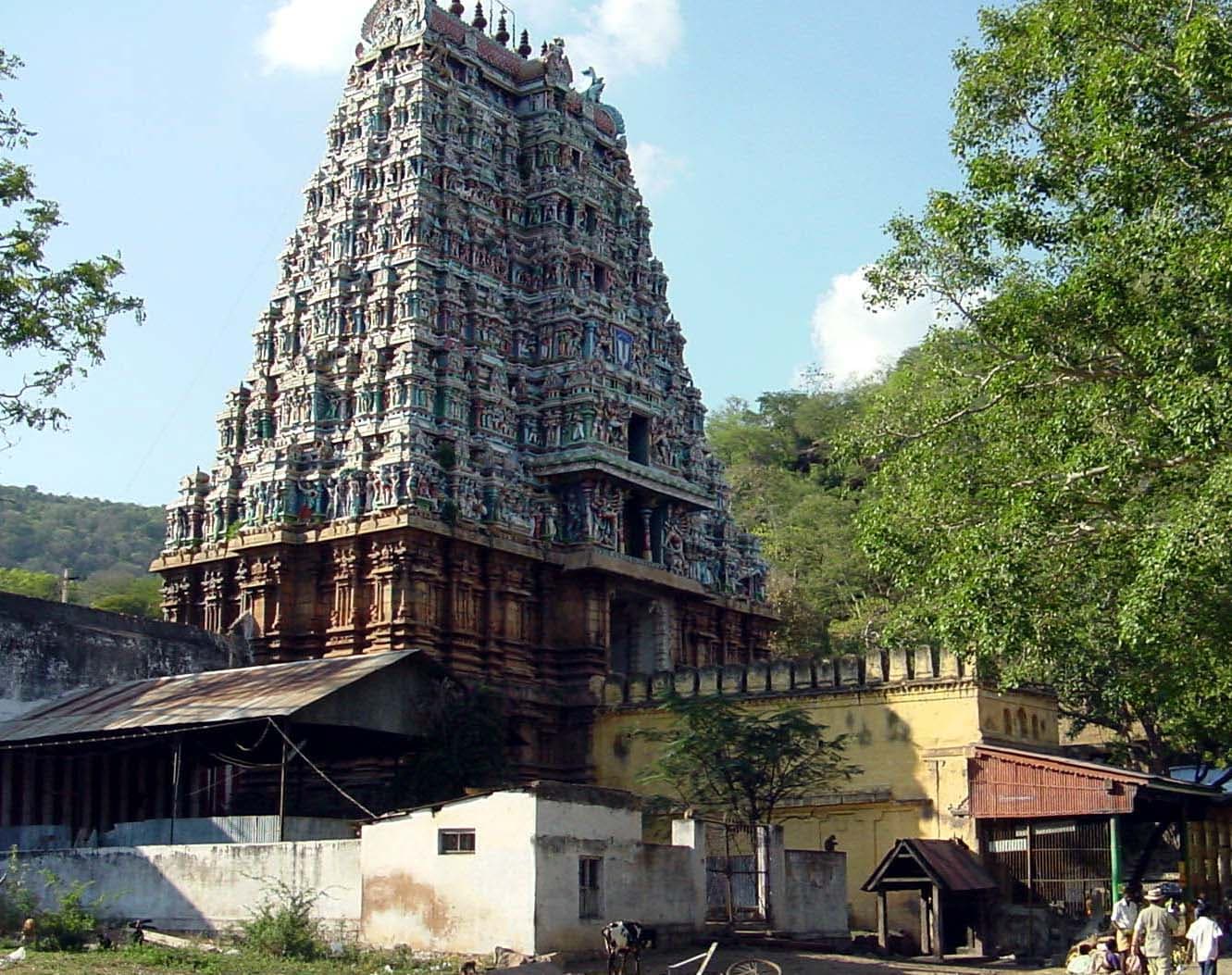
Azhagar Kovil, also known as Alagar Koyil, is a revered Hindu temple located in the foothills of the Alagar Hills, about 20 kilometers from Madurai, Tamil Nadu. The temple is dedicated to Lord Vishnu, who is worshipped here as Sundararaja Perumal (also known as Kallazhagar). It is a significant religious site and a fine example of South Indian temple architecture.
Historical Significance:
Azhagar Kovil has a rich historical and mythological background. The temple's origins date back to ancient times, with references found in Sangam literature. The temple has been patronized by various dynasties, including the Pandyas, Cholas, and Nayaks, each contributing to its construction and renovation over the centuries. The temple is also associated with several legends, particularly those involving Lord Vishnu’s avatars.
Architectural Details:
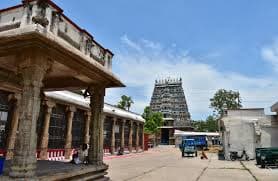
Dravidian Architecture: The temple is a quintessential example of Dravidian architecture, featuring towering gopurams (gateway towers), intricately carved pillars, and expansive courtyards.
Main Sanctum: The main sanctum houses the idol of Sundararaja Perumal, depicted in a standing posture. The idol is adorned with rich garments and jewelry, reflecting the temple’s grandeur.
Vimana: The sanctum sanctorum is topped by a golden vimana (tower), which is a distinctive feature of South Indian temples.
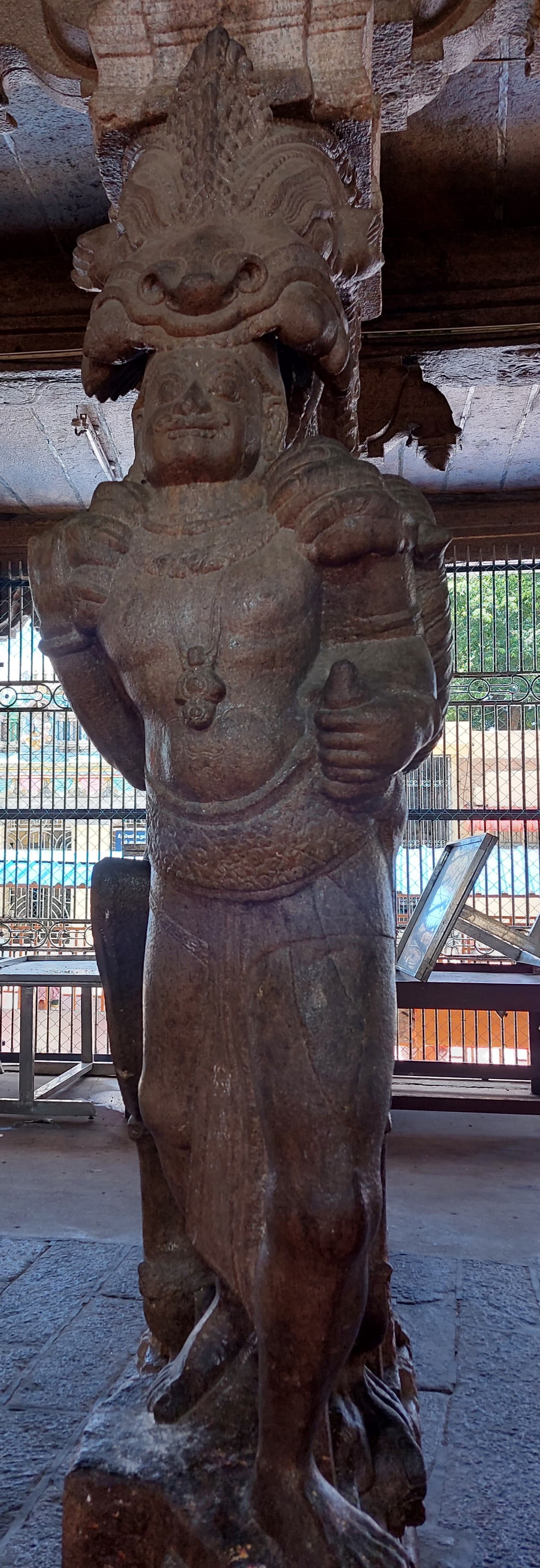
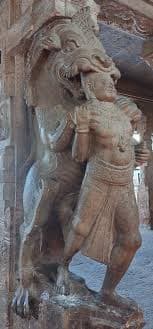
Mandapams: The temple has several mandapams (halls) with exquisitely carved pillars depicting various deities, mythological scenes, and ornamental designs.
Sacred Tank: The temple complex includes a sacred tank, known as Nupura Gangai, believed to have holy water with healing properties.
Key Features and Attractions:
Chithirai Festival: A major attraction is the Chithirai Festival, during which the idol of Kallazhagar is carried in a grand procession to the Vaigai River. This event symbolizes the divine marriage of Lord Sundareswarar and Goddess Meenakshi.
Kalyana Mandapam: A hall within the temple complex where the celestial wedding ceremonies and rituals are conducted.
Hill Temple: The temple’s scenic location at the base of the Alagar Hills offers a tranquil environment, with lush greenery and natural beauty enhancing the spiritual experience.
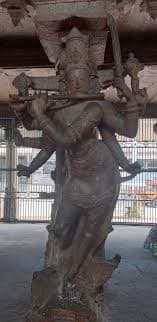
Sculptural Beauty: The temple’s numerous sculptures and carvings are masterpieces of South Indian art, depicting various forms of Vishnu, along with other deities and mythical beings.
Nearby Attractions:
Pazhamudircholai: Another significant temple dedicated to Lord Muruga, located on a hilltop near Azhagar Kovil.
Meenakshi Amman Temple: A prominent temple in Madurai, dedicated to Goddess Meenakshi and Lord Sundareswarar.
Thirumalai Nayakkar Palace: A grand 17th-century palace known for its architectural splendor, situated in Madurai.
Local Cuisine:
Puliyodarai: A traditional tamarind rice dish often served as prasad (offering) in South Indian temples.
Sakkarai Pongal: A sweet dish made from rice, jaggery, and ghee, typically prepared during festivals.
Madurai Specialties: Nearby Madurai offers a variety of local dishes such as idli, dosa, and Jigarthanda, a refreshing drink.
Leave the planning to a local expert
Festivals and Events:
Chithirai Festival: Celebrated in April-May, this festival is one of the most significant events at Azhagar Kovil, attracting thousands of devotees.
Vaikunta Ekadashi: A major festival dedicated to Lord Vishnu, celebrated with special rituals and decorations.
Margazhi Festival: During the Tamil month of Margazhi (December-January), the temple hosts various cultural and religious events.
Accommodation and Stays:
Guesthouses: Simple and affordable guesthouses are available near the temple, providing basic amenities for pilgrims.
Hotels in Madurai: Visitors can also stay in Madurai, where a range of accommodation options from budget to luxury hotels are available.
Homestays: For a more personal experience, visitors can opt for homestays in nearby villages, offering traditional hospitality.
Tips for Visitors:
Best Time to Visit: The ideal time to visit is during the cooler months from October to March, or during major festivals.
Dress Code: Modest attire is required, with shoulders and knees covered. Traditional attire such as sarees for women and dhotis for men are recommended.
Temple Timings: The temple is open from early morning to late evening, but it’s advisable to check specific timings for darshan (viewing the deity) and rituals.
Footwear: Footwear is not allowed inside the temple premises. Designated areas are provided to leave your shoes.
Photography: Photography may be restricted in certain areas, so it’s best to inquire about the temple’s policies.
Guided Tours: Hiring a local guide can enhance your visit by providing detailed insights into the temple’s history, architecture, and rituals.