
Kudumiyanmalai Temple
.jpg&w=1920&q=75)
.jpg&w=1920&q=75)
Overview
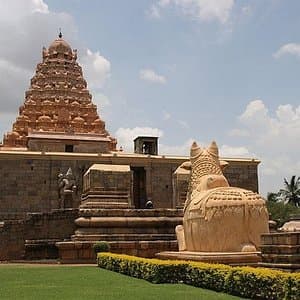
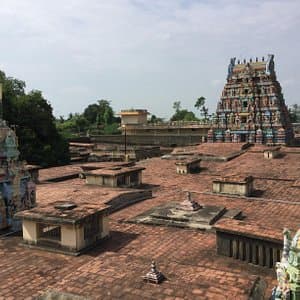
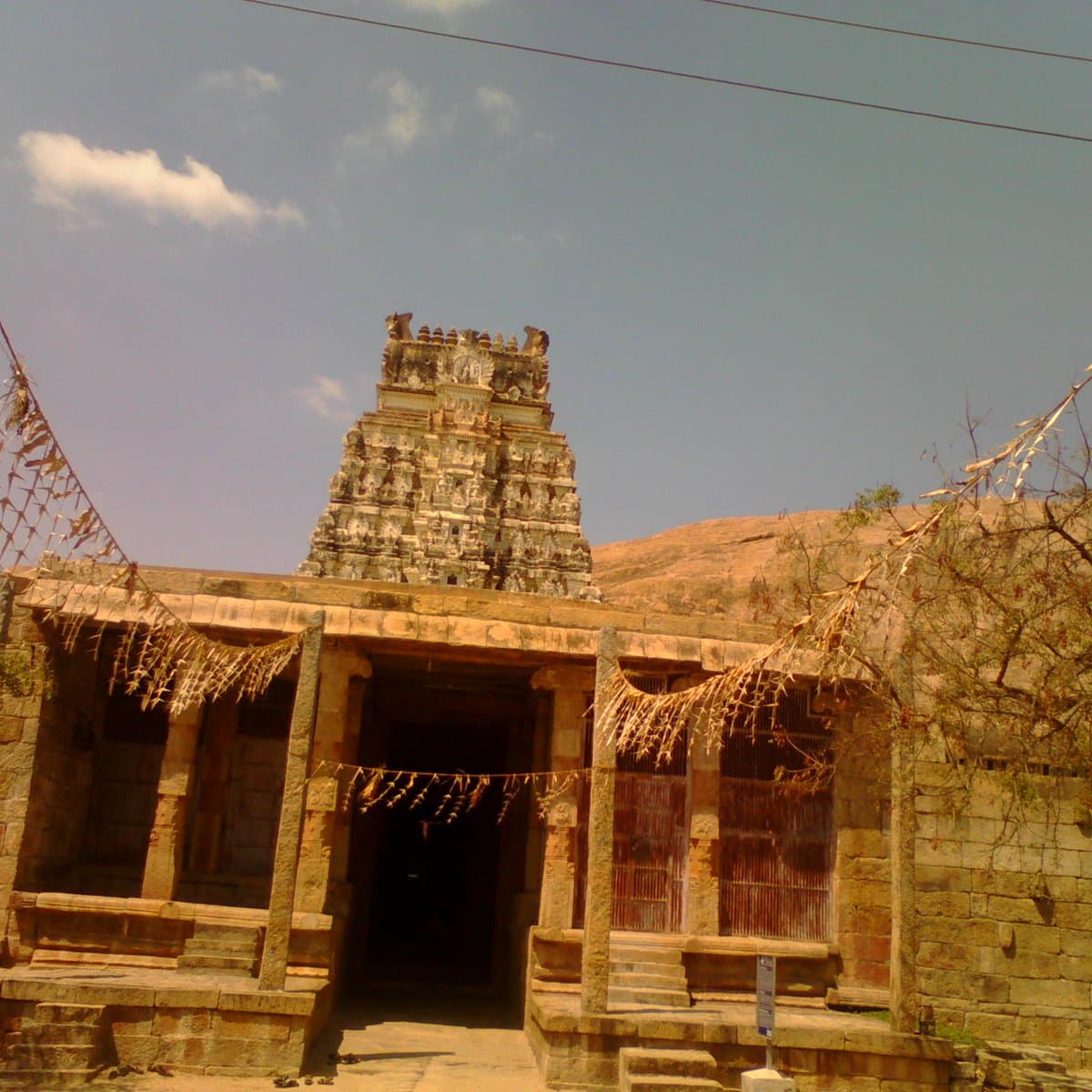
Kudumiyanmalai Temple, located in the Pudukkottai district of Tamil Nadu, is a significant historical and architectural site. Dedicated to Lord Shiva, the temple complex includes the Shikhagireeshwarar Temple and Melakkoil. The temple is renowned for its intricate rock-cut architecture and inscriptions that provide insights into ancient Tamil culture and music.
Historical Significance:
The Kudumiyanmalai Temple dates back to the 7th century CE, during the reign of the Pallavas, and later additions were made by the Cholas and the Pandyas. The temple is particularly noted for its musical inscriptions, which are among the earliest examples of written musical notations in India. These inscriptions are believed to have been made by Mahendravarman I, a Pallava king and patron of the arts.
Architectural Details:
Rock-Cut Architecture: The temple is carved out of a large rock, showcasing the architectural skills of ancient artisans. The rock-cut sanctum and mandapams (halls) are adorned with detailed carvings and sculptures.
Shikhagireeshwarar Temple: The main shrine is dedicated to Lord Shiva, known here as Shikhagireeshwarar. The sanctum houses a Shiva Lingam, the symbolic representation of Lord Shiva.
Melakkoil: An ancient rock-cut cave temple located above the main shrine, featuring early Pallava architecture. This cave temple is dedicated to Lord Shiva and includes a small sanctum and pillared hall.
Inscriptions: The temple walls are covered with inscriptions in Tamil and Grantha scripts. The musical inscriptions on the walls of the Ardhamandapa (hall) are of particular interest to historians and musicologists.
Key Features and Attractions:
Musical Inscriptions: The most notable feature of the temple is the set of musical notations inscribed on the walls. These inscriptions detail various ragas and musical compositions, offering a glimpse into the musical traditions of the time.
Carvings and Sculptures: The temple's rock-cut pillars and walls are intricately carved with depictions of Hindu deities, mythological scenes, and floral patterns.
Panoramic Views: The temple's location on a hill provides panoramic views of the surrounding landscape, enhancing the spiritual and aesthetic experience.
Nearby Attractions:
Thirumayam Fort: A historic fort located about 20 kilometers from the temple, known for its strategic significance and architectural features.
Sittannavasal: A rock-cut Jain complex with ancient frescoes and sculptures, offering insights into the region’s Jain heritage.
Brahadambal Temple: Another important temple in Pudukkottai dedicated to Goddess Brahadambal, showcasing Chola architecture.
Local Cuisine:
Pudukkottai Specials: Traditional Tamil Nadu dishes such as dosai, idli, and pongal are popular in the region. Local variations include the use of native spices and ingredients.
Street Food: The area around the temple has several eateries offering traditional South Indian snacks like vadai, bajji, and filter coffee.

Leave the planning to a local expert
Festivals and Events:
Maha Shivaratri: Celebrated with great fervor, this festival includes special poojas (rituals), abhishekams (anointing the deity), and cultural programs.
Panguni Uthiram: A major Tamil festival celebrated in March-April, marked by special temple rituals and processions.
Navaratri: The nine-day festival dedicated to Goddess Durga, observed with daily poojas, music, and dance performances.
Tips for Visitors:
Best Time to Visit: The ideal time to visit is between October and March when the weather is cooler and more pleasant.
Dress Code: Modest attire is recommended, with shoulders and knees covered, as a mark of respect for the religious site.
Footwear: Footwear should be removed before entering the temple premises. Designated areas are provided for leaving shoes.
Guided Tours: Hiring a local guide can provide deeper insights into the temple’s history, architecture, and inscriptions.
Photography: Photography may be restricted in certain areas, so it’s best to inquire about the temple’s policies.
Conclusion:
Kudumiyanmalai Temple is a site of immense historical, cultural, and architectural significance. Its rock-cut architecture, musical inscriptions, and scenic location make it a unique destination for history enthusiasts, architecture lovers, and spiritual seekers. A visit to this temple not only offers a journey through the rich heritage of Tamil Nadu but also a deeper appreciation of the region’s artistic and cultural achievements.