
Meenakshi Amman Temple
Overview
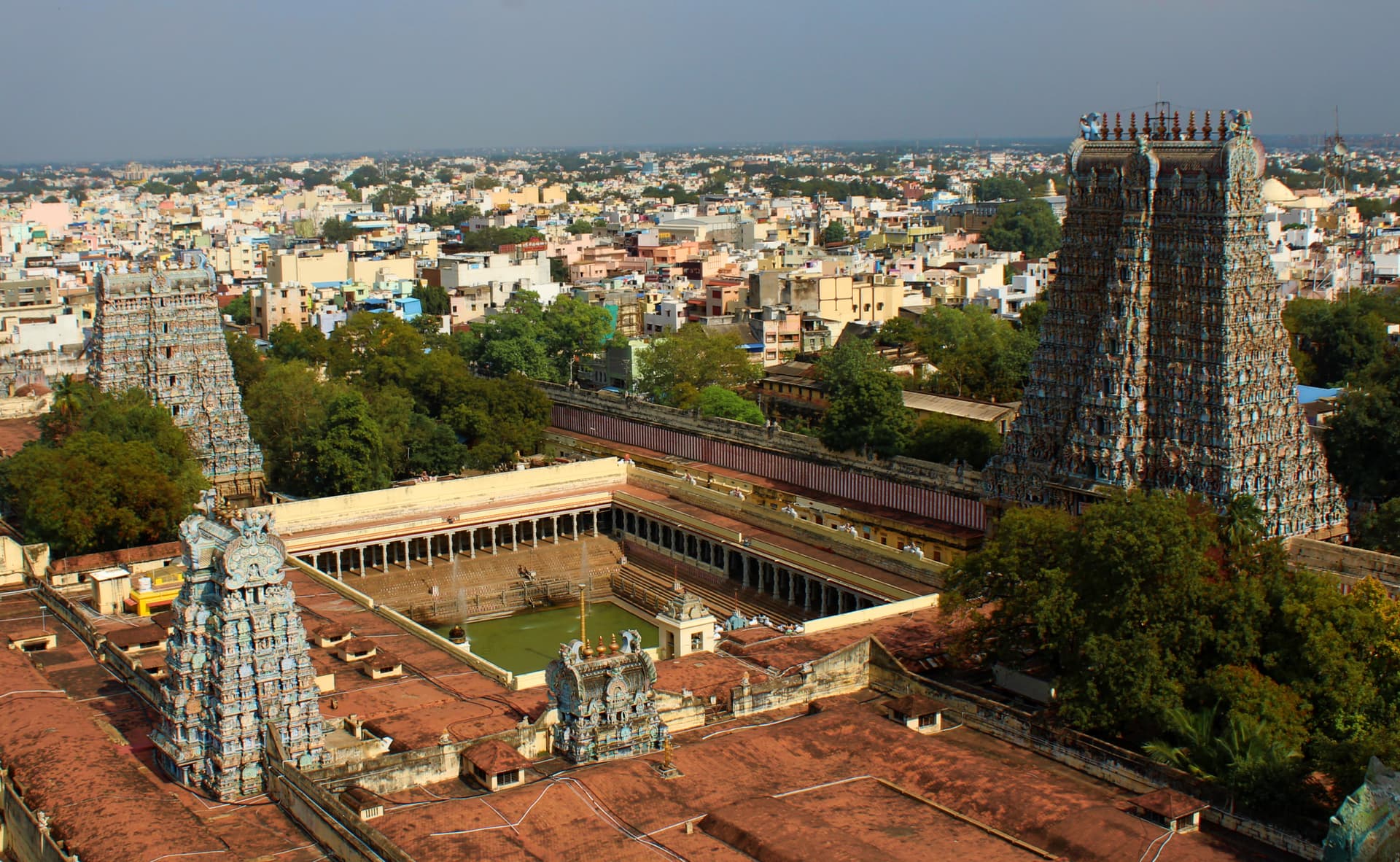
The Meenakshi Amman Temple, located in Madurai, Tamil Nadu, is one of the most prominent Hindu temples in India. Dedicated to Goddess Meenakshi (a form of Parvati) and her consort, Lord Sundareswarar (a form of Shiva), the temple is a major pilgrimage site and an architectural marvel that attracts millions of visitors annually. The temple complex is a vibrant center of Tamil culture, religion, and art.
Historical Significance:
The Meenakshi Amman Temple's origins date back to ancient times, with references found in Tamil literature as early as the 6th century CE. The current structure was built during the reign of the Nayak Dynasty in the 16th century, who were patrons of art and architecture. The temple played a crucial role in the cultural and religious life of Madurai, serving as a hub for festivals, rituals, and scholarly pursuits.
Architectural Details:
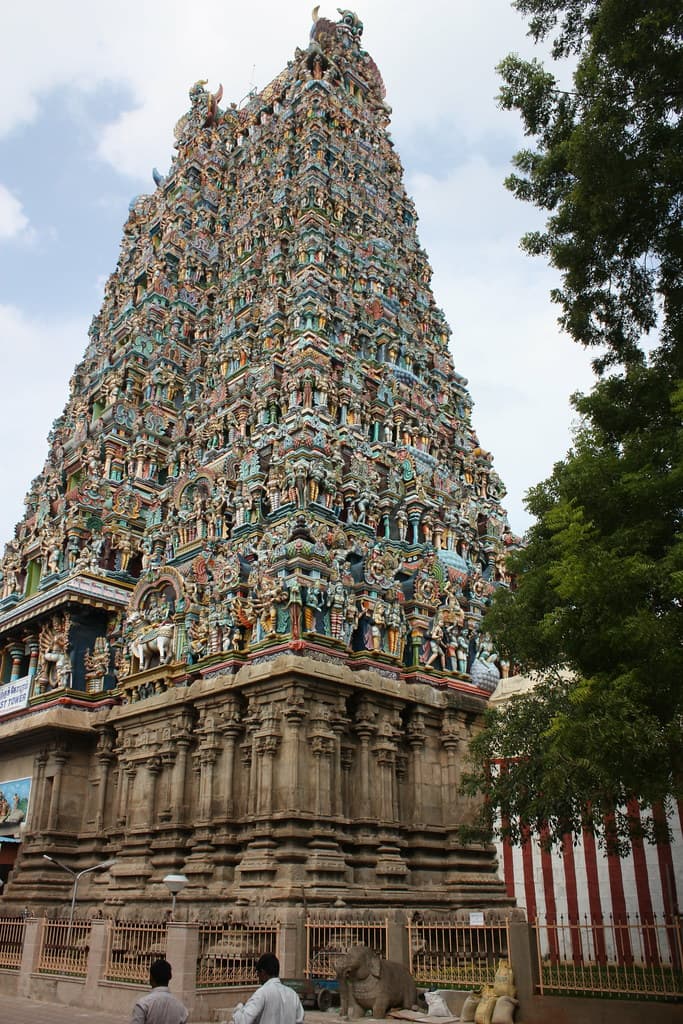
Dravidian Style: The temple is a classic example of Dravidian architecture, characterized by its towering gopurams (gateway towers), intricate carvings, and sprawling courtyards.
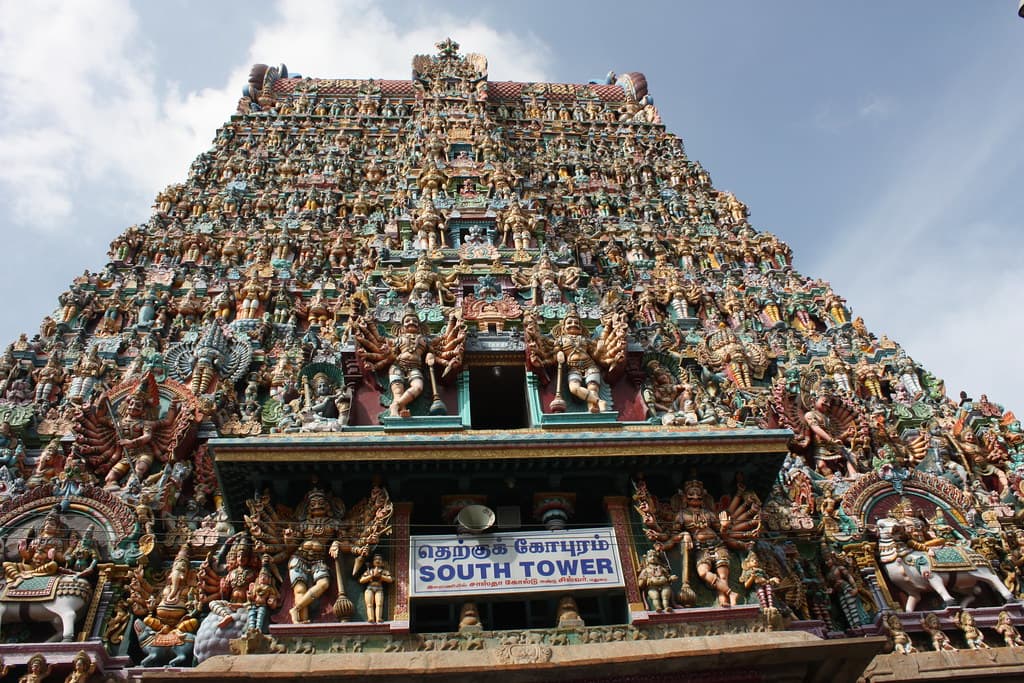
Gopurams: The temple has 14 gopurams, with the tallest being the southern tower, which stands at approximately 170 feet. These towers are adorned with thousands of colorful sculptures depicting various deities, mythical creatures, and scenes from Hindu mythology.
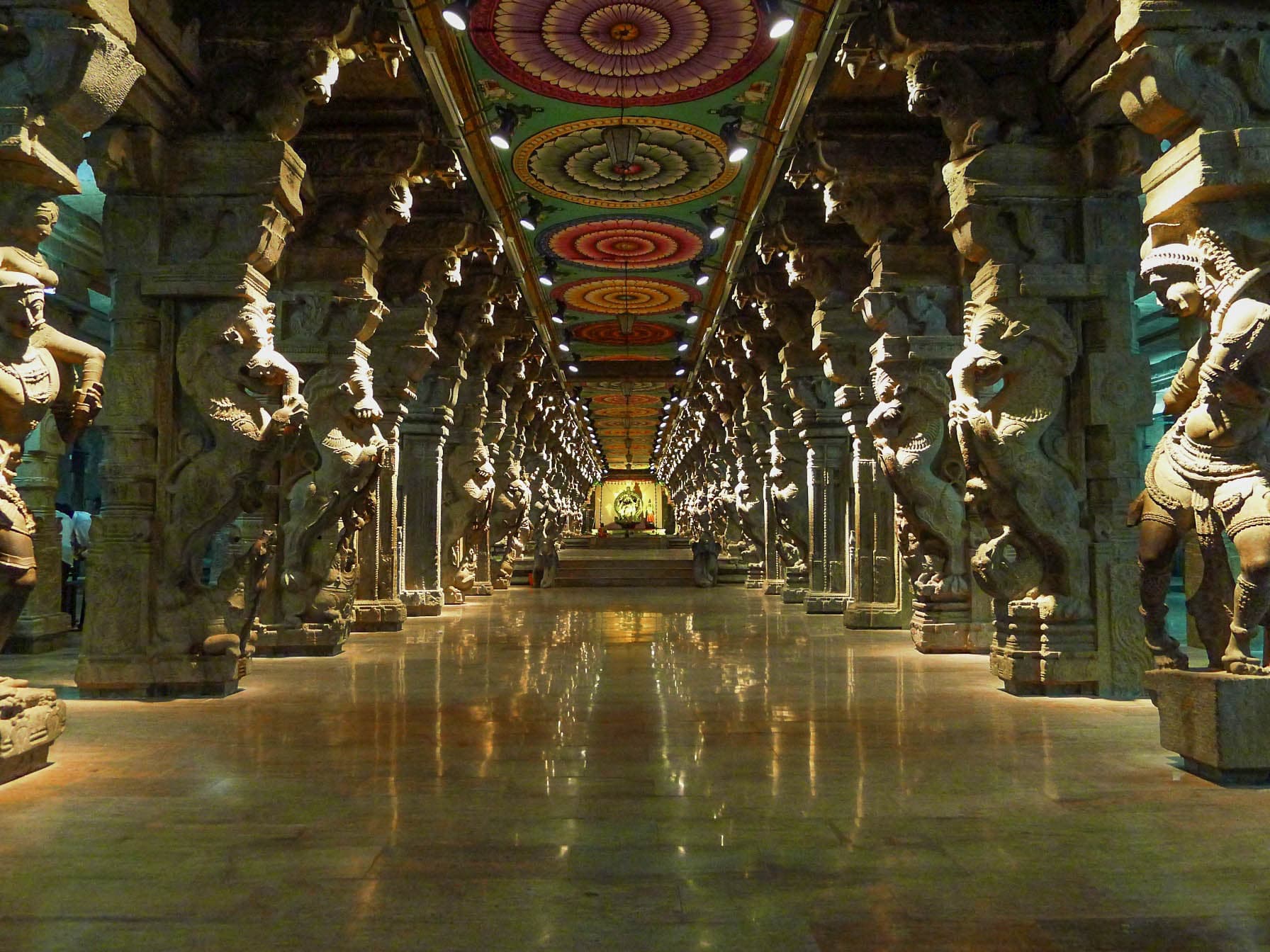
Hall of Thousand Pillars: This hall, also known as Ayiram Kaal Mandapam, is renowned for its 985 intricately carved pillars, each depicting a unique scene or deity. The hall also houses a museum with exhibits on the temple’s history and art.
Sanctum Sanctorum: The central shrines of Meenakshi and Sundareswarar are richly decorated with gold-plated vimanas (towering structures over the sanctum) and elaborate sculptures.
Key Features and Attractions:
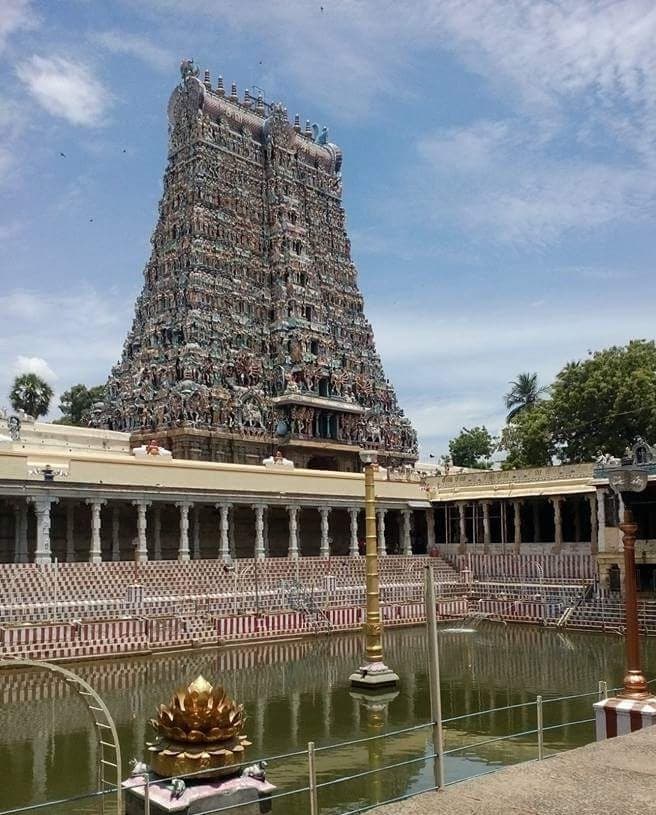
Golden Lotus Tank: The temple's sacred tank, Potramarai Kulam, is believed to have divine powers. It is surrounded by a colonnade with murals depicting the life of Meenakshi and various religious stories.
Musical Pillars: Certain pillars in the temple produce musical notes when tapped, showcasing the advanced knowledge of acoustics possessed by the temple's architects.
Festivals: The temple hosts numerous festivals throughout the year, with the Meenakshi Thirukalyanam (the celestial wedding of Meenakshi and Sundareswarar) being the most famous. This festival attracts thousands of devotees and features grand processions, traditional music, and dance performances.
Nearby Attractions:
Thirumalai Nayakkar Palace: Located about 1.5 km from the temple, this 17th-century palace showcases the architectural grandeur of the Nayak dynasty.
Gandhi Memorial Museum: A museum dedicated to Mahatma Gandhi, displaying a comprehensive history of India's independence movement.
Alagar Koyil: A temple dedicated to Lord Vishnu, situated in the Alagar Hills, about 20 km from Madurai.

Leave the planning to a local expert
Festivals and Events:
Meenakshi Thirukalyanam: Celebrated during the Tamil month of Chithirai (April-May), this festival marks the divine marriage of Meenakshi and Sundareswarar with elaborate rituals and processions.
Float Festival: Held in January or February, idols of the deities are taken on floats across the temple tank, accompanied by music and chanting.
Navaratri: A nine-night festival dedicated to the worship of the goddess, featuring music, dance, and special pujas (rituals).
Tips for Visitors:
Dress Code: Visitors are required to dress modestly, covering their shoulders and knees. Traditional attire such as sarees for women and dhotis for men are recommended.
Temple Timings: The temple is open from early morning to late evening, but it is advisable to check specific timings for darshan (viewing the deity) and rituals.
Footwear: Footwear is not allowed inside the temple premises. Designated areas are provided to leave your shoes.
Photography: Photography is restricted inside the temple, especially in the sanctum sanctorum. Be sure to inquire about permitted areas for photography.
Guided Tours: Hiring a local guide can enhance your visit by providing detailed insights into the temple’s history, architecture, and rituals.
Conclusion:
The Meenakshi Amman Temple is not just a place of worship but a symbol of Tamil Nadu's rich cultural heritage and architectural brilliance. Its historical significance, artistic grandeur, and spiritual ambiance make it a must-visit destination for pilgrims and tourists alike. Whether you are drawn by its religious importance, architectural beauty, or the vibrant festivals, a visit to this temple promises a profound and enriching experience.