
Thiruparankundram Temple
.jpg&w=1920&q=75)
Overview
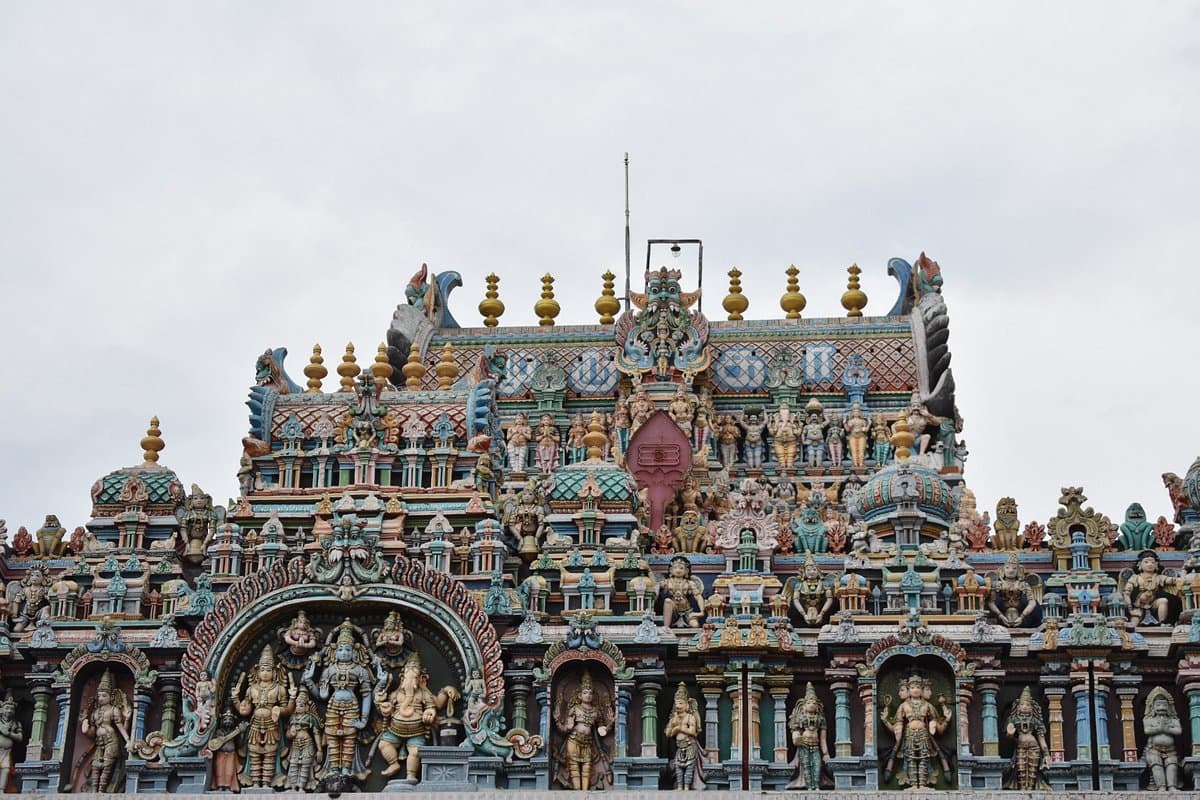
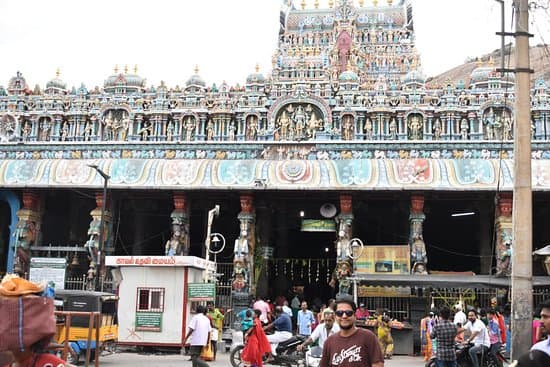
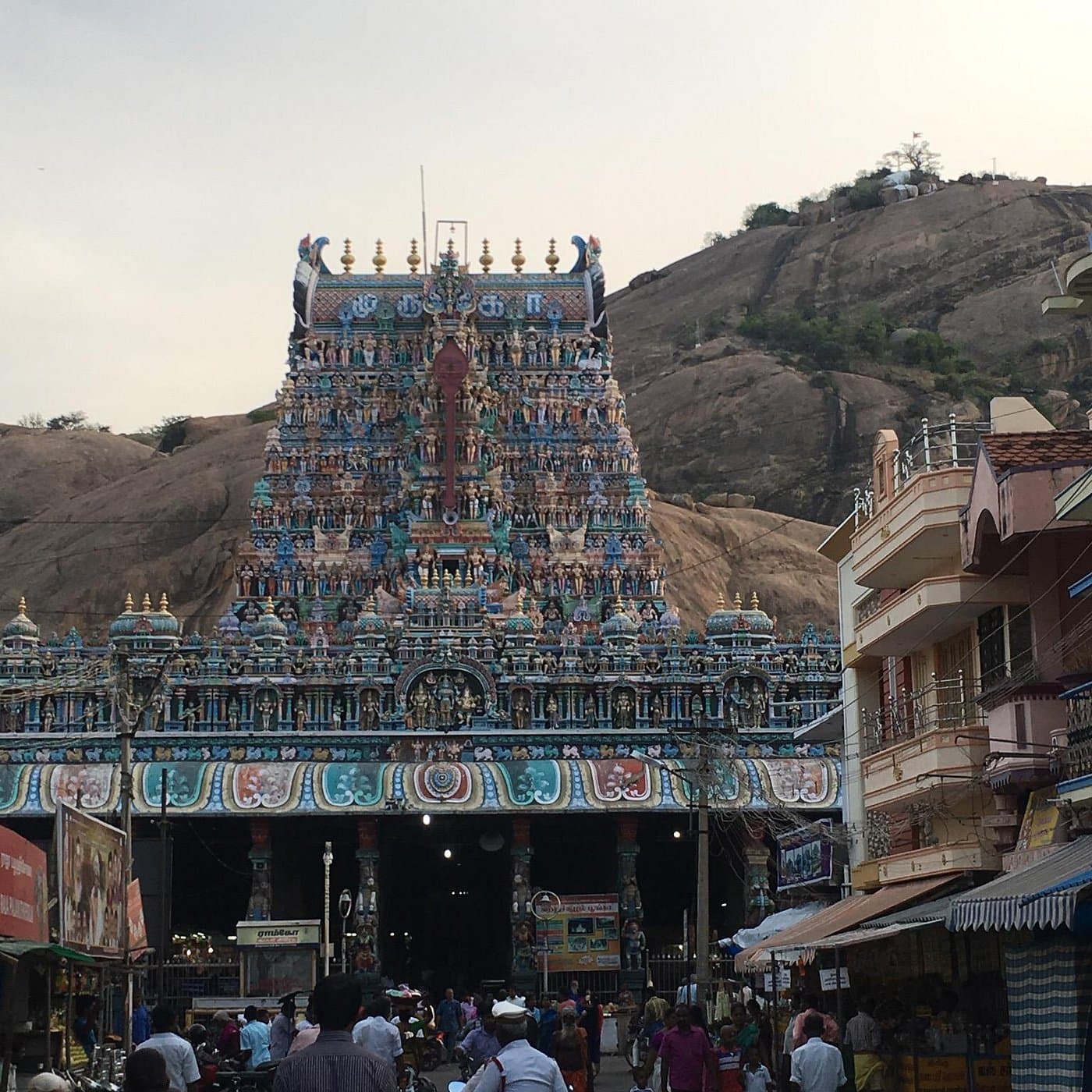
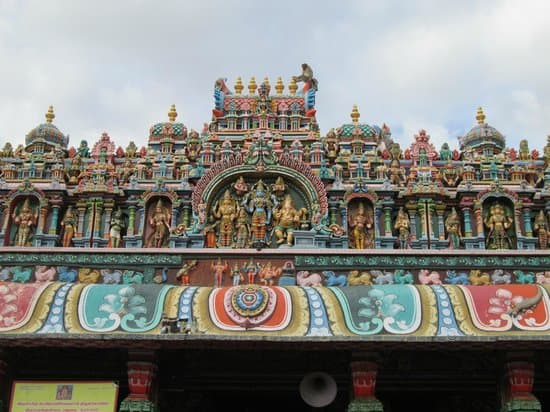
Thiruparankundram Temple, also known as Thiruparankundram Murugan Temple, is one of the six abodes (Arupadai Veedu) of Lord Murugan (also known as Subramanya or Kartikeya). Located in Thiruparankundram, near Madurai, Tamil Nadu, this temple is revered for its historical, religious, and architectural significance. It is a major pilgrimage site and attracts devotees from across the country.
The Thiruparankundram Temple dates back to the 6th century and is believed to have been built during the Pandya dynasty. The temple is significant as it is said to be the place where Lord Murugan married Deivanai, the daughter of Lord Indra, after defeating the demon Surapadman. This event is celebrated annually with great fervor. The temple has been mentioned in various Tamil scriptures and literary works, highlighting its long-standing cultural importance.
Architectural Details:
Rock-Cut Architecture: The temple is carved out of a hill, showcasing the Dravidian rock-cut architectural style. The sanctum is located within a cave, creating a serene and unique atmosphere.
Mandapams: The temple features several mandapams (halls), including the Kambathadi Mandapam and the Mahamandapam, adorned with intricate pillars and sculptures.
Sanctum: The sanctum sanctorum houses the main deity, Lord Murugan, along with deities of Deivanai and other gods. The inner sanctum is known for its serene and divine ambiance.
Sculptures and Inscriptions: The temple walls and pillars are decorated with numerous sculptures depicting scenes from Hindu mythology, as well as inscriptions in ancient Tamil, detailing donations and renovations carried out over the centuries.
Key Features and Attractions:
Main Shrine: The primary attraction is the main shrine dedicated to Lord Murugan, where he is depicted with his consort Deivanai. The shrine’s peaceful setting within the rock adds to its spiritual aura.
Rock-Cut Sanctum: The rock-cut sanctum and cave temple architecture are unique features that attract architecture enthusiasts and historians.
Hilltop View: The temple is situated on a hill, offering panoramic views of the surrounding landscape, including the city of Madurai.
Nearby Attractions:
Meenakshi Amman Temple: Located in Madurai, this famous temple is dedicated to Goddess Meenakshi and Lord Sundareswarar and is an architectural marvel.
Azhagar Kovil: A temple dedicated to Lord Vishnu, situated in the Alagar Hills, offering scenic views and religious significance.
Gandhi Memorial Museum: A museum in Madurai that chronicles the life and achievements of Mahatma Gandhi.
Festivals and Events:
Skanda Sashti: A significant festival dedicated to Lord Murugan, celebrated with elaborate rituals, processions, and cultural performances.
Panguni Uthiram: A major festival celebrating the celestial marriage of Lord Murugan and Deivanai, involving special poojas and grand ceremonies.
Thai Poosam: Celebrated in January-February, this festival includes processions, music, and dance performances in honor of Lord Murugan.

Leave the planning to a local expert
Tips for Visitors:
Best Time to Visit: The ideal time to visit is between October and March when the weather is cooler and more pleasant.
Dress Code: Modest attire is recommended, with shoulders and knees covered, as a mark of respect for the religious site.
Footwear: Footwear should be removed before entering the temple premises. Designated areas are provided for leaving shoes.
Guided Tours: Hiring a local guide can provide deeper insights into the temple’s history, architecture, and cultural significance.
Photography: While photography is generally allowed, it’s best to inquire about specific restrictions, especially in sacred areas.
Conclusion:
Thiruparankundram Temple is a remarkable site of historical, cultural, and spiritual significance. Its rock-cut architecture, intricate sculptures, and religious importance make it a must-visit destination for pilgrims, history enthusiasts, and architecture lovers. A visit to Thiruparankundram Temple offers a profound experience of Tamil Nadu’s rich heritage and timeless devotion to Lord Murugan.