
Vaigai River
.jpeg&w=1920&q=75)
.jpeg&w=1920&q=75)
.jpeg&w=1920&q=75)
Overview
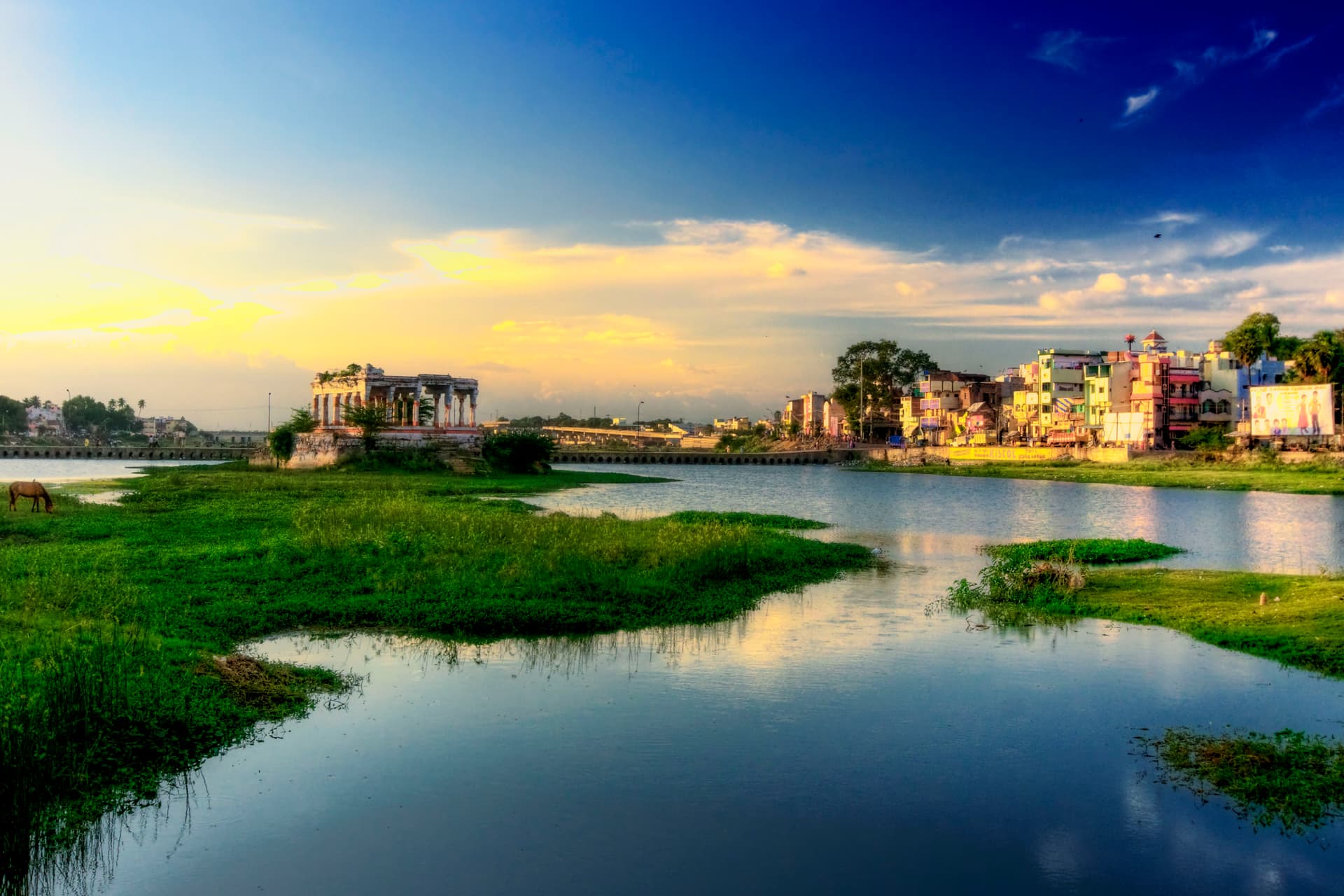
The Vaigai River is a significant river in the southern part of India, flowing through the state of Tamil Nadu. Originating in the Western Ghats and flowing southeast through the state, it plays a crucial role in the agriculture and water supply of the region. The river passes through several important towns and cities, including Madurai, where it is closely linked with the cultural and historical landscape.
Historical Significance:
The Vaigai River has been an important lifeline for Tamil Nadu for centuries. It is mentioned in ancient Tamil literature, including Sangam poetry, which describes its significance in the lives of the people in the region. The river has supported agriculture, facilitated trade, and played a key role in the development of the historical city of Madurai. Numerous temples and historic sites along its banks bear testament to its historical importance.
Architectural and Structural Details:
Ancient Irrigation Systems: The river has been associated with ancient irrigation practices, including the construction of anicuts (small dams) and channels that have been used for agricultural purposes.
Temples and Monuments: Several temples and monuments are located along the Vaigai River, showcasing traditional South Indian architecture and art.
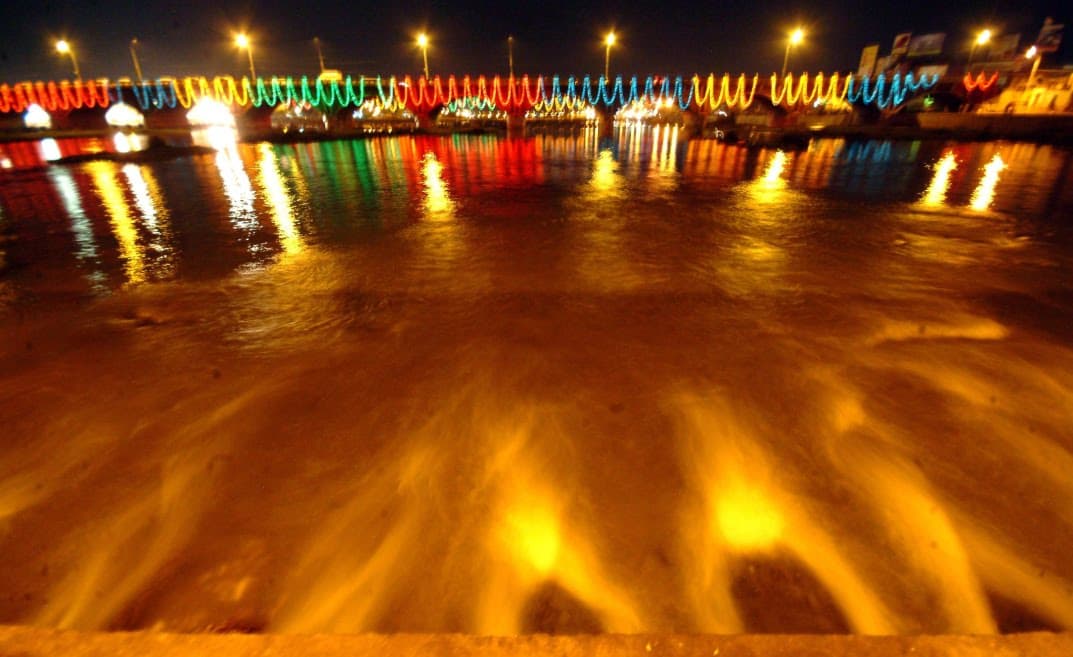
Bridges: Several bridges span the Vaigai River, including the Madurai Bridge, which provides crucial connectivity between the banks and supports regional transportation.
Key Features and Attractions:
Vaigai Dam: Located near Periyakulam, the Vaigai Dam is a key structure built across the river to regulate its flow and support irrigation in the surrounding areas. The dam is a popular spot for visitors interested in engineering and hydrology.
Meenakshi Amman Temple: Situated in Madurai, this famous temple is located near the Vaigai River and holds significant cultural and religious importance.
Puthupatti Lake: An artificial lake created by diverting the river’s flow, providing a serene environment for recreation and birdwatching.
Vaigai Riverfront: The riverbanks in cities like Madurai are developed into recreational areas, with parks and walking paths that offer scenic views and leisure activities.
Nearby Attractions:
Madurai: The city of Madurai, located on the banks of the Vaigai River, is known for its historic temples, including the Meenakshi Amman Temple and Thirumalai Nayakkar Palace.
Koodal Azhagar Temple: An ancient temple dedicated to Lord Vishnu, located in Madurai.
Azhagar Kovil: A temple dedicated to Lord Vishnu, situated in the foothills of the Alagar Hills, offering scenic views and cultural significance.

Leave the planning to a local expert
Sustainability and Conservation:
Efforts to preserve and manage the Vaigai River include:
- Water Management: Initiatives to ensure sustainable water use and manage the river’s flow for agricultural and domestic needs.
- Pollution Control: Measures to reduce pollution and maintain the cleanliness of the river, including waste management programs and environmental regulations.
- Conservation Projects: Projects aimed at preserving the river’s ecosystem and supporting biodiversity along its banks.
Tips for Visitors:
Best Time to Visit: The ideal time to visit the Vaigai River and its surroundings is between October and March when the weather is more pleasant.
Local Customs: Respect local customs and traditions, particularly during religious ceremonies and festivals.
Photography: While photography is generally allowed, be mindful of local guidelines and restrictions, especially in religious and cultural sites.
Guided Tours: Consider hiring a local guide to explore the historical and cultural sites along the river and gain deeper insights into the region’s heritage.