
Mahabaleswar Temple
Overview
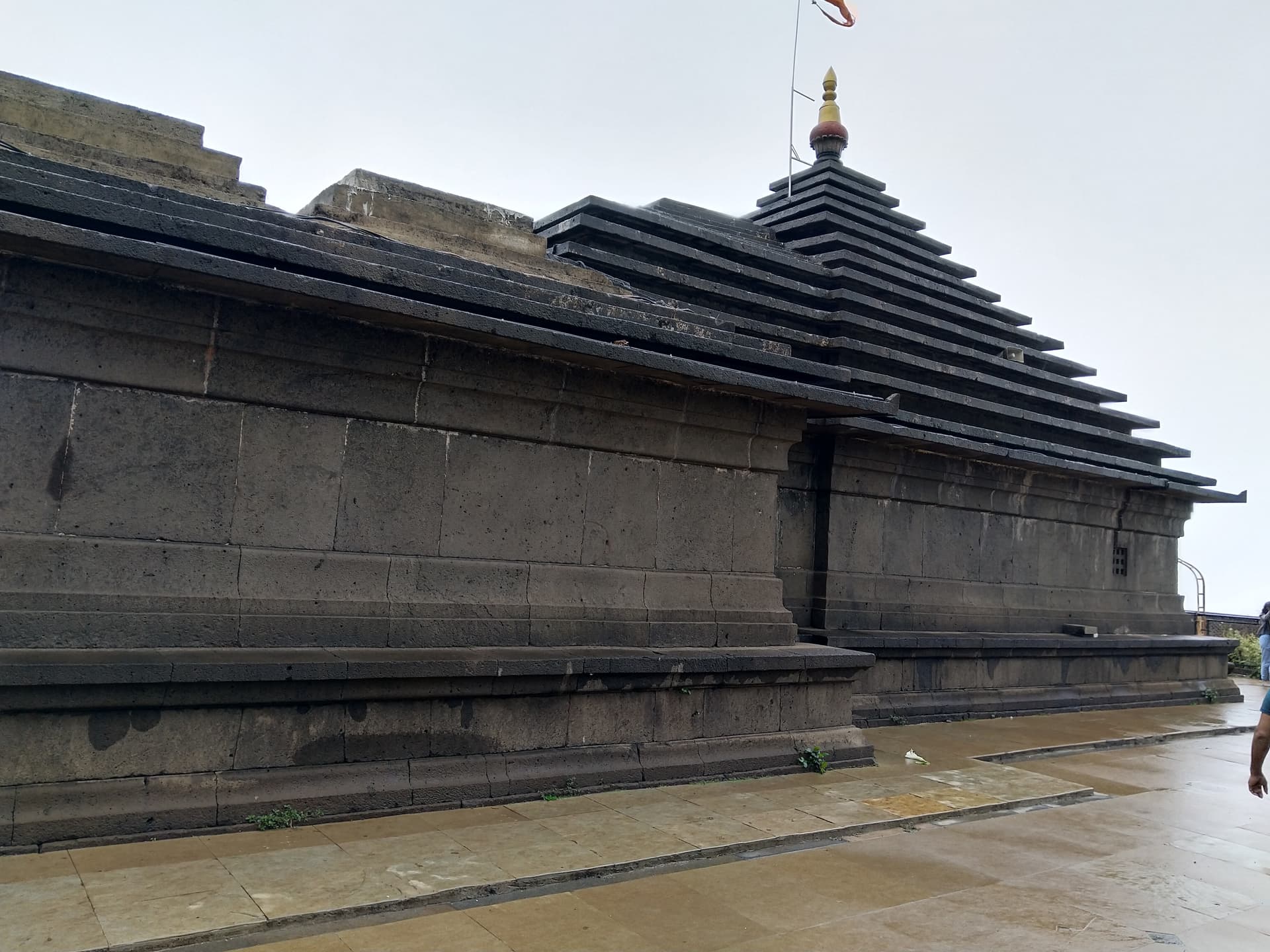
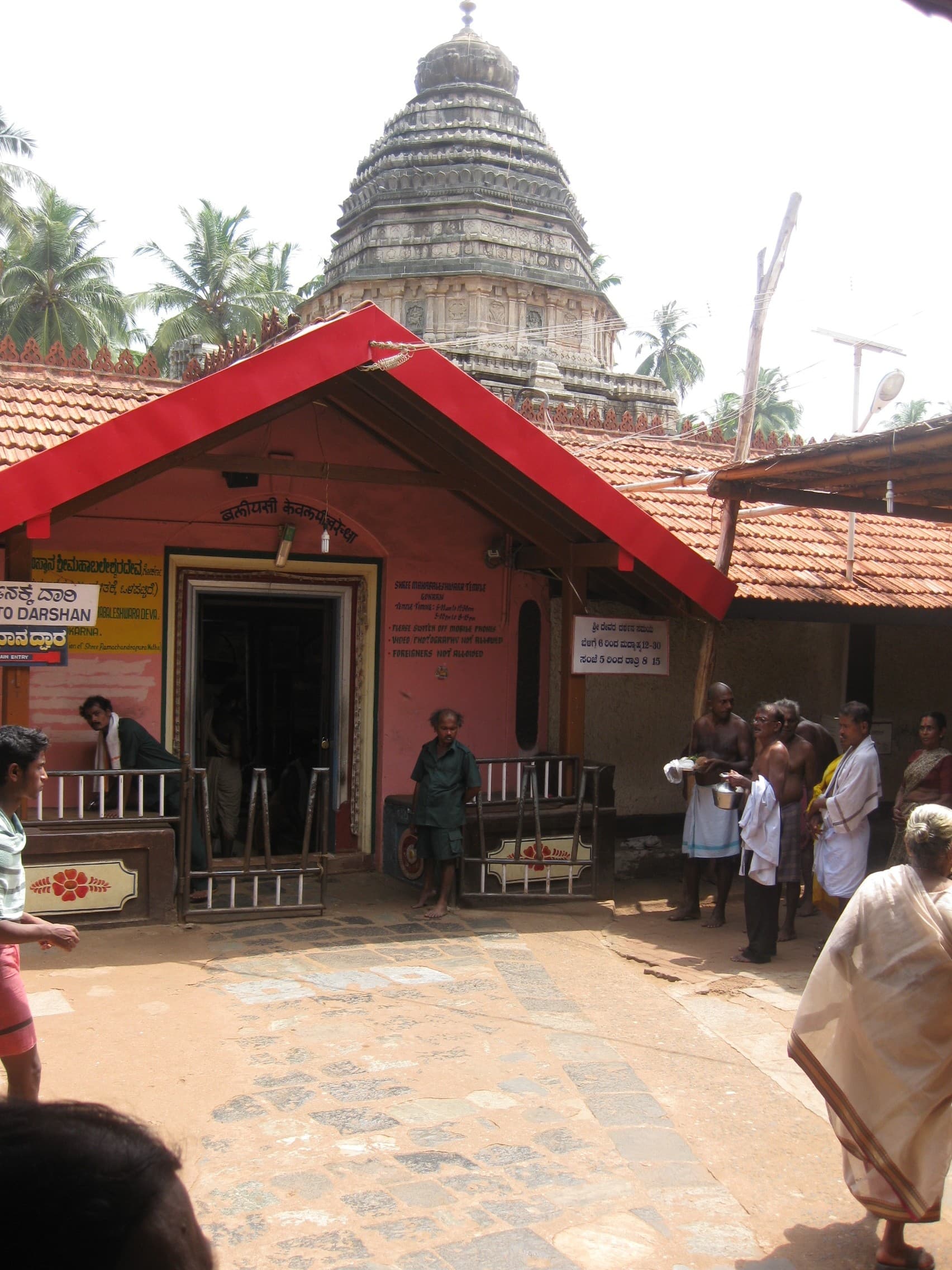
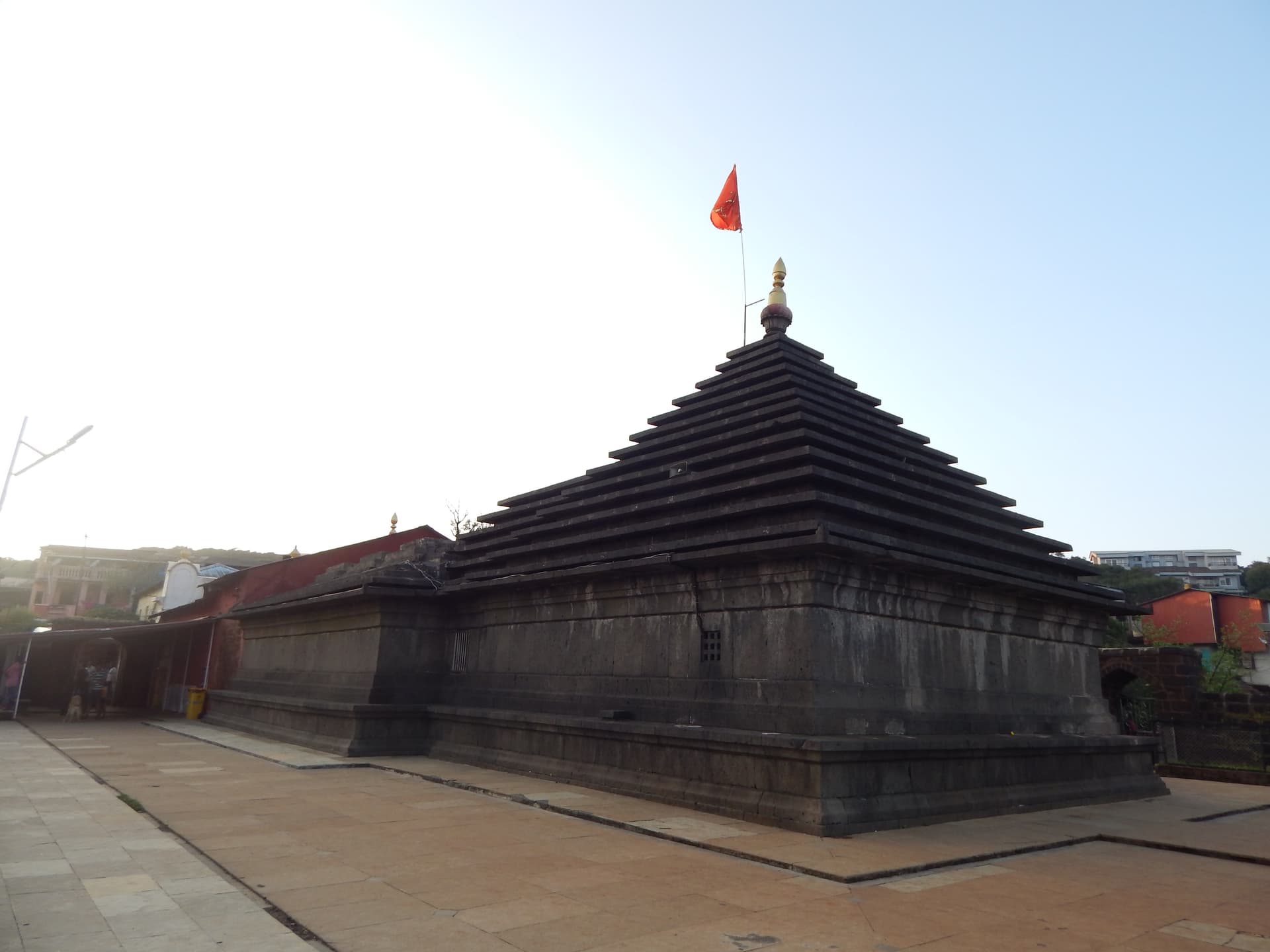
The Mahabaleshwar Temple is a significant Hindu shrine located in Mahabaleshwar, a popular hill station in Maharashtra, India. Dedicated to Lord Shiva, the temple is an important pilgrimage site and a focal point of religious and cultural life in the region. Its historic and spiritual significance, combined with its serene setting, makes it a prominent attraction for visitors and devotees.
Historical Significance
The Mahabaleshwar Temple is one of the oldest temples in the region, with its origins tracing back to ancient times. The temple is believed to have been originally constructed in the 16th century during the reign of the Chhatrapati Shivaji Maharaj, the founder of the Maratha Empire. It holds a special place in the cultural and religious history of Mahabaleshwar and the surrounding area.
Architectural Details
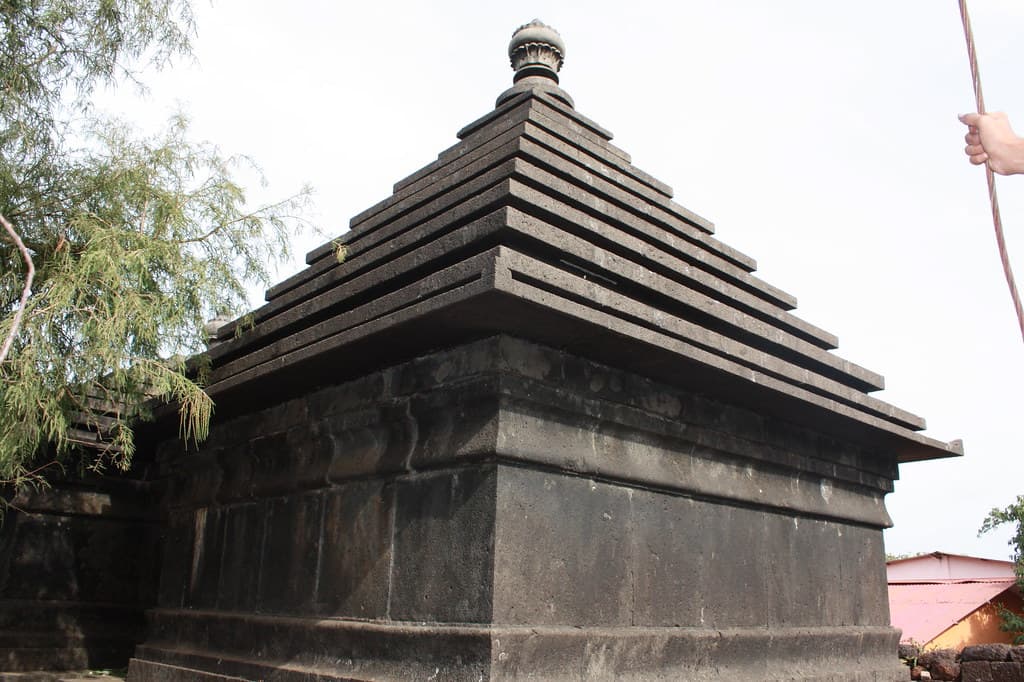
The architecture of the Mahabaleshwar Temple reflects traditional Hindu temple design with specific elements:
- Shikhara (Tower): The temple features a typical Shikhara or tower structure, which is a common architectural element in Hindu temples.
- Sanctum Sanctorum (Garbhagriha): The central area where the main deity, Lord Shiva, is enshrined.
- Mandapa (Pillared Hall): An open hall with columns, where devotees gather for prayers and ceremonies.
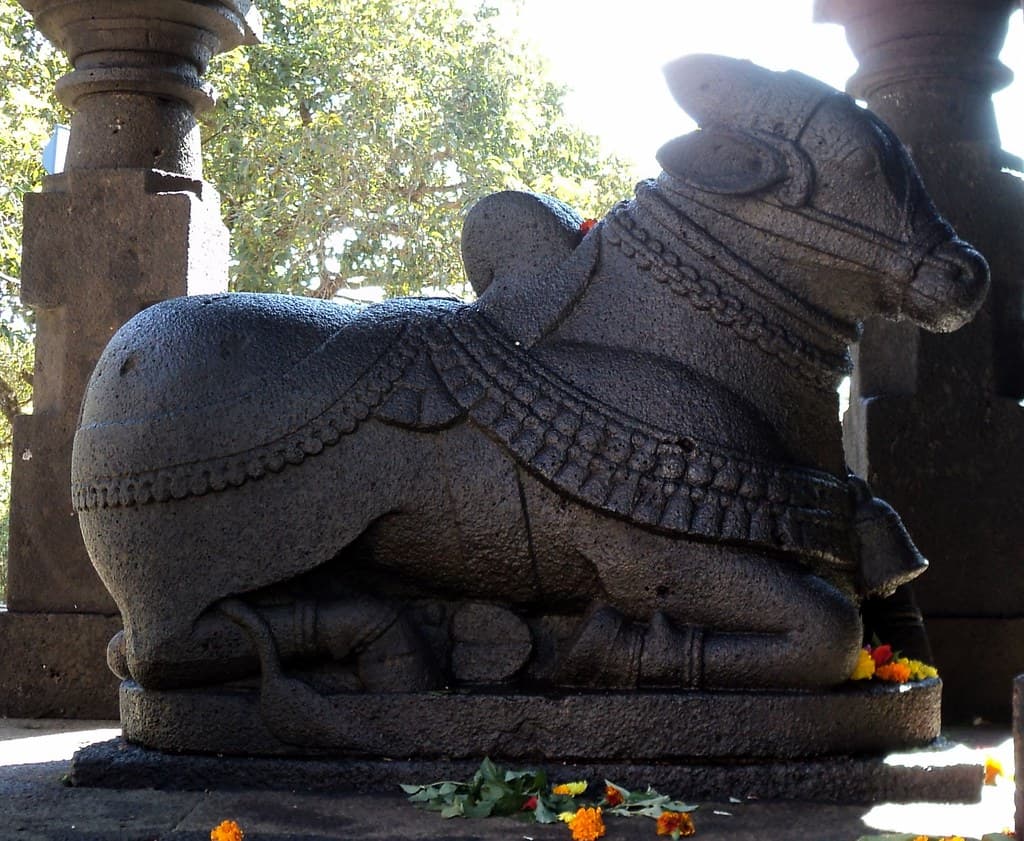
- Intricate Carvings: The temple showcases intricate carvings and sculptures, depicting various deities and motifs relevant to Hindu iconography.
Key Features and Attractions
Shiva Linga: The main deity of the temple is represented by a sacred Shiva Linga, which is the central focus of worship and rituals.
Religious Rituals: The temple hosts daily rituals and ceremonies, including morning and evening aarti (prayer offerings), which are performed by the priests.
Pilgrimage Site: The temple attracts numerous pilgrims and visitors, especially during major Hindu festivals and auspicious days.
Cultural Heritage
The Mahabaleshwar Temple is a vital part of the cultural and religious heritage of Mahabaleshwar. It reflects the devotion and architectural styles of ancient Hindu temple traditions. The temple is an embodiment of local religious practices and continues to be a center for community gatherings and spiritual activities.
Nearby Attractions
Arthur’s Seat: A popular viewpoint offering panoramic views of the surrounding valleys and hills.
Venna Lake: A picturesque lake where visitors can enjoy boating and leisurely walks.
Lingmala Waterfalls: A beautiful waterfall located a short drive away, offering a serene natural experience.
Pratapgad Fort: A historic fort with significance in Maratha history, located nearby.

Leave the planning to a local expert
Festivals and Events
Mahashivaratri: A major festival dedicated to Lord Shiva, celebrated with great devotion and special rituals at the temple.
Ganesh Chaturthi: Celebrated with enthusiasm in the region, featuring decorations and processions.
Diwali: The festival of lights, marked by traditional celebrations and festive decorations.
Sustainability and Conservation
Efforts to maintain the temple and its surroundings include:
- Waste Management: Initiatives to keep the temple area clean and manage waste effectively.
- Eco-friendly Practices: Promoting responsible tourism and minimizing environmental impact.
Tips for Visitors
Dress Code: Dress modestly while visiting the temple as a mark of respect for the religious setting.
Footwear: Remove footwear before entering the temple premises, as is customary in Hindu temples.
Photography: Check with temple authorities regarding photography permissions inside the temple.
Timing: Visit early in the morning or late afternoon to avoid peak hours and experience the rituals peacefully.
Conclusion
The Mahabaleshwar Temple is a significant spiritual and cultural landmark in Mahabaleshwar. Its ancient architecture, religious rituals, and serene atmosphere make it a must-visit site for devotees and tourists alike. As a center of devotion and tradition, the temple enriches the spiritual experience of visitors and contributes to the cultural heritage of the region.