
Beas River
Overview
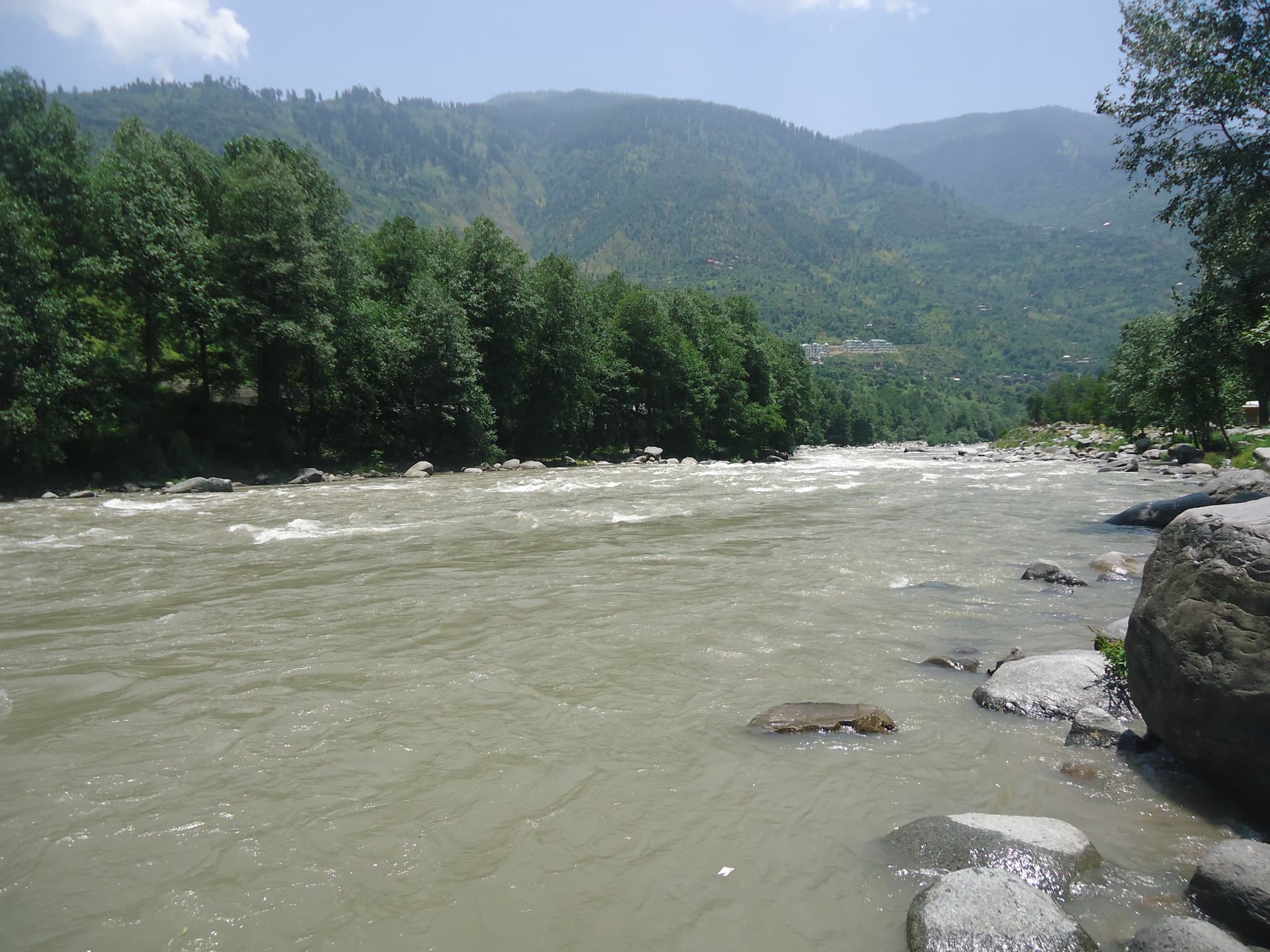
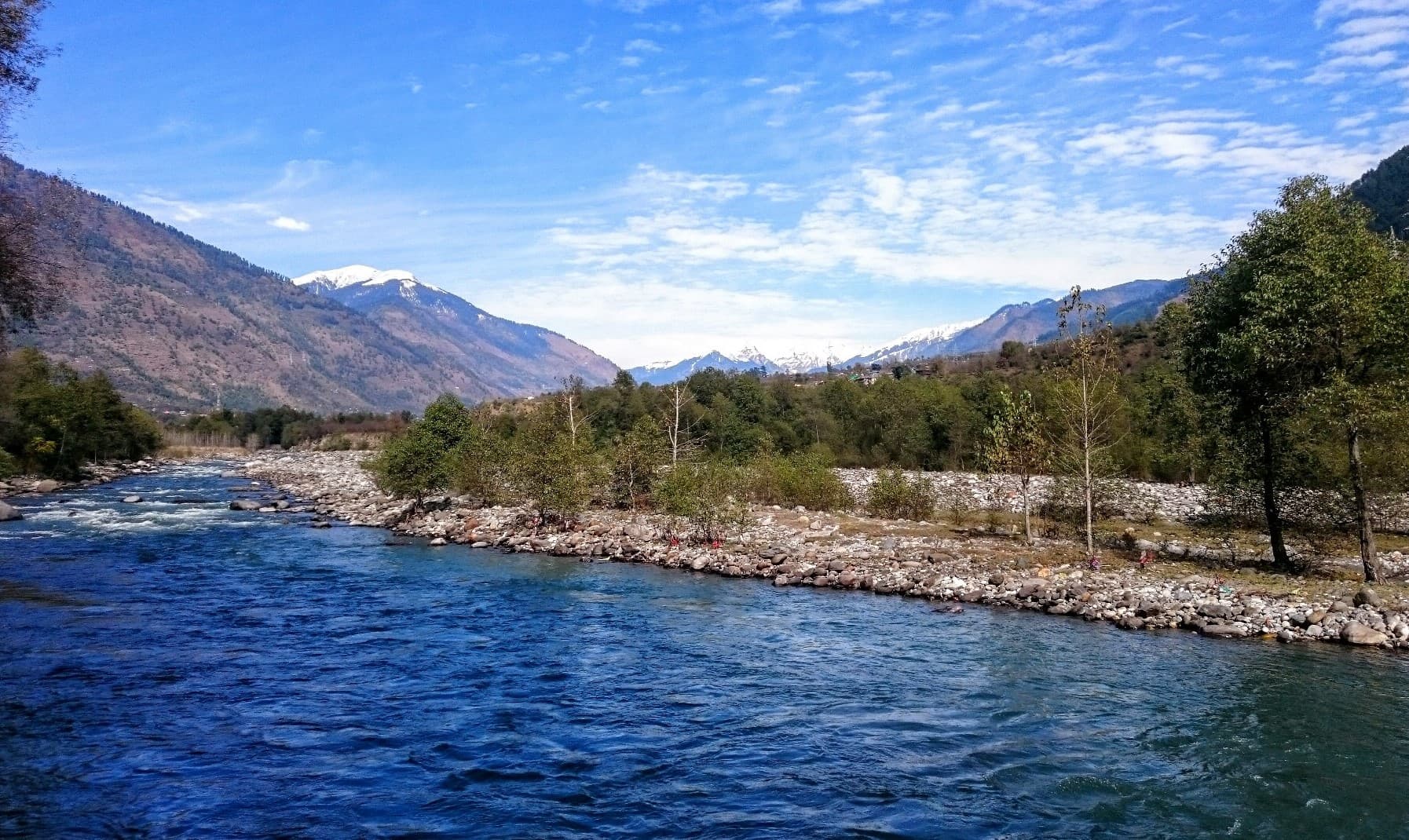
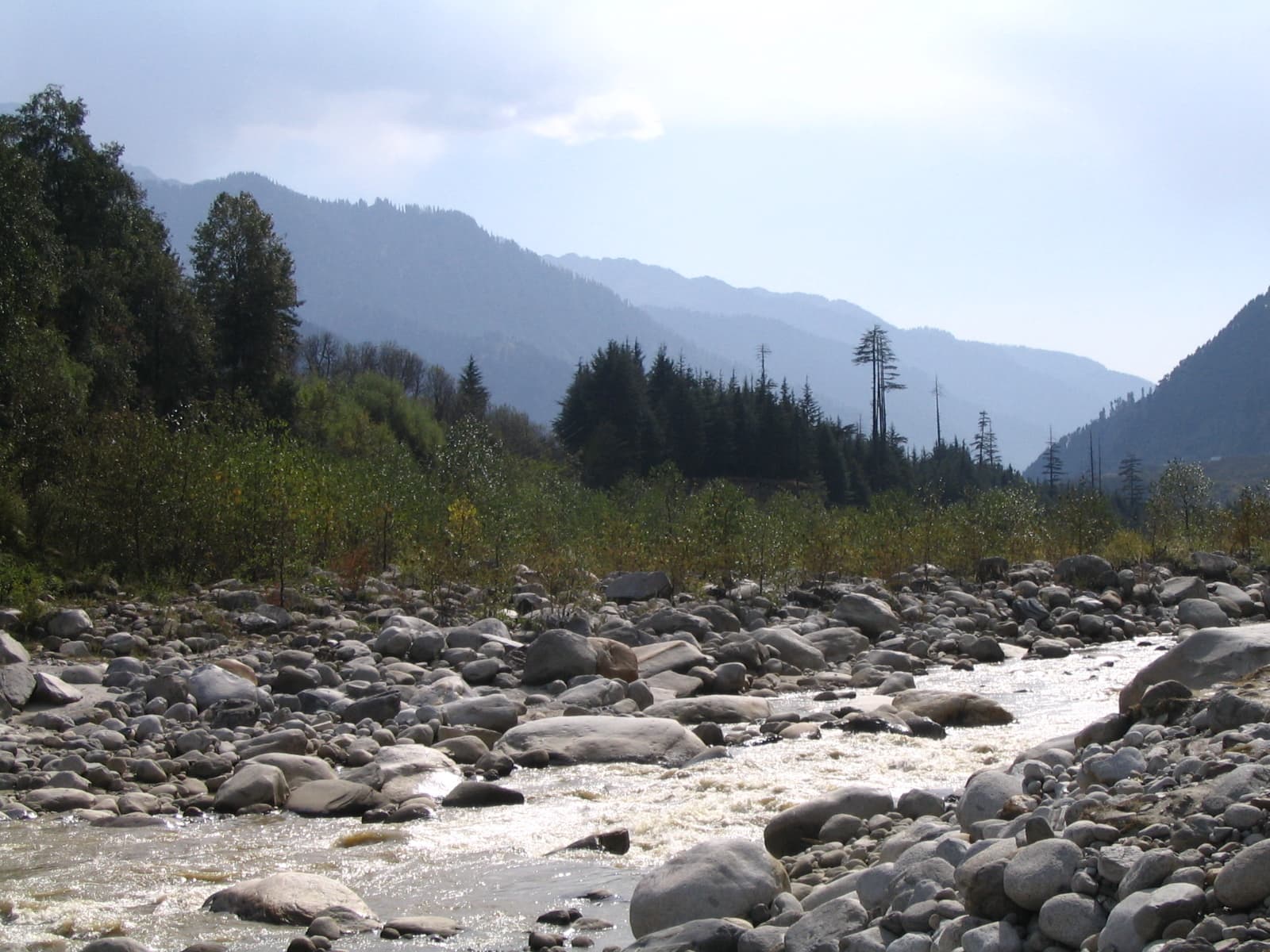
The Beas River is a major river in northern India, originating from the Himalayas and flowing through the Kullu Valley near Manali in Himachal Pradesh. The river is approximately 470 kilometres long and is an important water source for the region. It is known for its clear waters and role in supporting local agriculture and tourism.
Historical Significance:
The Beas River has been a significant geographic feature in the history of the Kullu Valley and the surrounding regions. It was historically crucial for agriculture and transportation. The river is also mentioned in ancient texts and has been associated with various mythological stories, including those related to the sage Vyas, from whom the river is said to have derived its name.
Architectural Details:
There are no notable architectural structures directly associated with the Beas River itself. However, several bridges and small dams span the river, supporting local infrastructure and agriculture. The riverbanks are often lined with traditional houses and resorts that utilise the river’s proximity for scenic and recreational purposes.
Key Features and Attractions:
- Rafting: The Beas River is a popular spot for white-water rafting, offering various rapids for adventure enthusiasts.
- Fishing: The river is known for trout fishing, attracting anglers to its waters.
- Scenic Views: The river flows through lush valleys and alongside steep mountain slopes, providing natural beauty and recreational opportunities.
Cultural Heritage:
The Beas River plays a role in the local cultural practices and festivals. It is an integral part of the landscape and daily life in the Kullu Valley. Local traditions and rituals often involve the river, and it is considered a sacred site by some local communities. The river also features in folklore and myths associated with the region.
Nearby Attractions:
- Manali: A popular hill station offering various attractions including temples, shopping, and natural beauty.
- Solang Valley: Known for adventure sports and scenic landscapes.
- Kullu: Famous for its temples, local crafts, and cultural festivals.
- Naggar Castle: An ancient castle with historical and architectural significance.
Local Cuisine:
- Chana Madra: A dish made with chickpeas in a yoghurt-based gravy.
- Siddu: Steamed bread made from wheat flour, often filled with various ingredients.
- Tibetan Cuisine: Includes momos (dumplings) and thukpa (noodle soup), reflecting the influence of Tibetan culture in the region.
Festivals and Events:
- Raja Sansar Chand Festival: Celebrated in Kullu and includes various cultural performances and local traditions.
- Winter Carnival: Held in Manali, featuring various events and activities during the winter season.
Leave the planning to a local expert
Accommodation and Stays:
- Manali: Offers a range of accommodation options from luxury hotels to budget guesthouses.
- Riverside Resorts: There are several resorts and lodges located along the Beas River that offer views and access to the river for recreational activities.
- Camping: Some areas along the river offer camping options for outdoor enthusiasts.
Sustainability and Conservation:
Efforts are in place to protect the Beas River from pollution and environmental degradation. Initiatives include waste management programs, regulating water usage, and promoting eco-friendly tourism practices. Visitors are encouraged to follow guidelines to minimise their impact on the river and its surroundings.
Tips for Visitors:
- Best Time to Visit: March to June and September to November, when the weather is pleasant for outdoor activities.
- Safety: Follow safety guidelines for water activities and be cautious of strong currents.
- Permits: Ensure you have the necessary permits for fishing or rafting if required.
Respect Local Customs: Be mindful of local practices and traditions related to the river.
Conclusion:
The Beas River is a vital feature of the Kullu Valley, offering both natural beauty and recreational opportunities. It supports local agriculture and tourism while being an integral part of the region's cultural heritage. By adhering to sustainable practices and respecting local customs, visitors can enjoy the river while contributing to its preservation and continued health.