
Jogini Waterfall
Overview
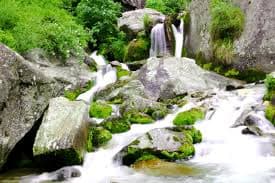
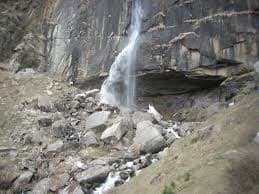
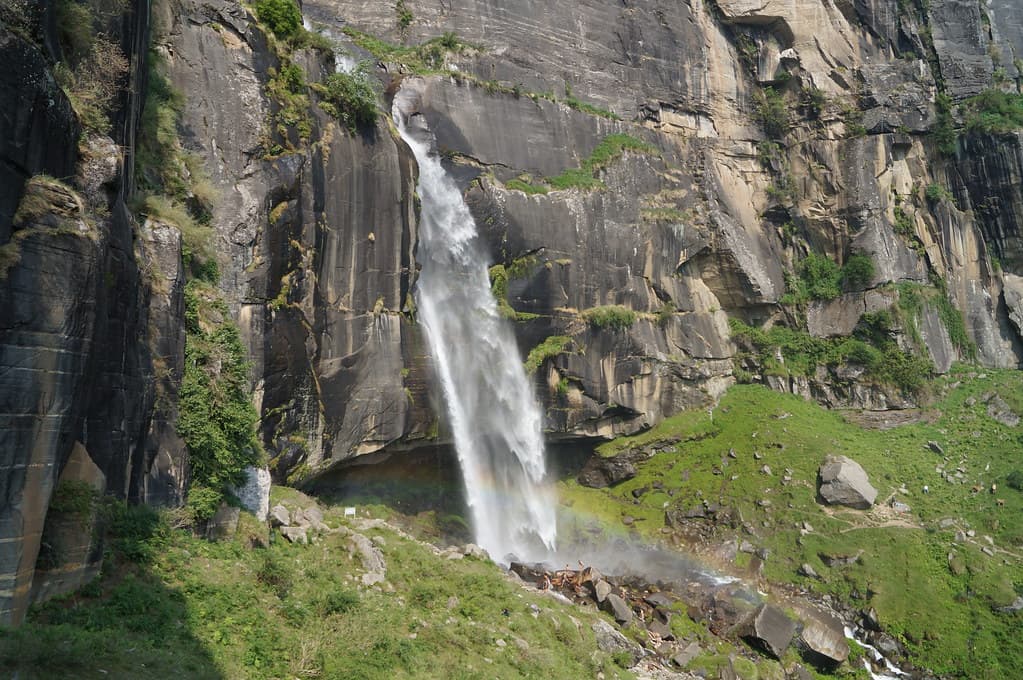
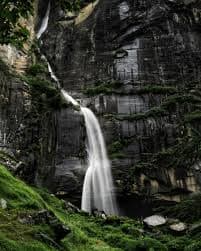
Jogini Waterfall is a prominent natural attraction located about 8 kilometres from Manali in Himachal Pradesh, India. This waterfall cascades down from a height of approximately 150 feet, creating a picturesque setting surrounded by lush greenery and rocky terrain. It is a popular destination for tourists seeking a scenic and tranquil experience.
Historical Significance:
Jogini Waterfall does not have a significant historical background. Its importance lies mainly in its natural beauty and role as a local landmark. It has become a popular spot due to its visual appeal and the pleasant trek leading to it.
Architectural Details:
The area around Jogini Waterfall is largely untouched by human-made structures. There are no architectural landmarks at the site, as the focus is on preserving the natural environment. A simple path and steps lead to the waterfall, designed to facilitate access while minimising impact on the surrounding area.
Key Features and Attractions:
- Scenic Waterfall: The waterfall is the main attraction, offering a striking view as the water plunges over rocky outcrops.
- Trekking Trail: A moderate trek leads to the waterfall, passing through picturesque landscapes, including pine forests and traditional villages.
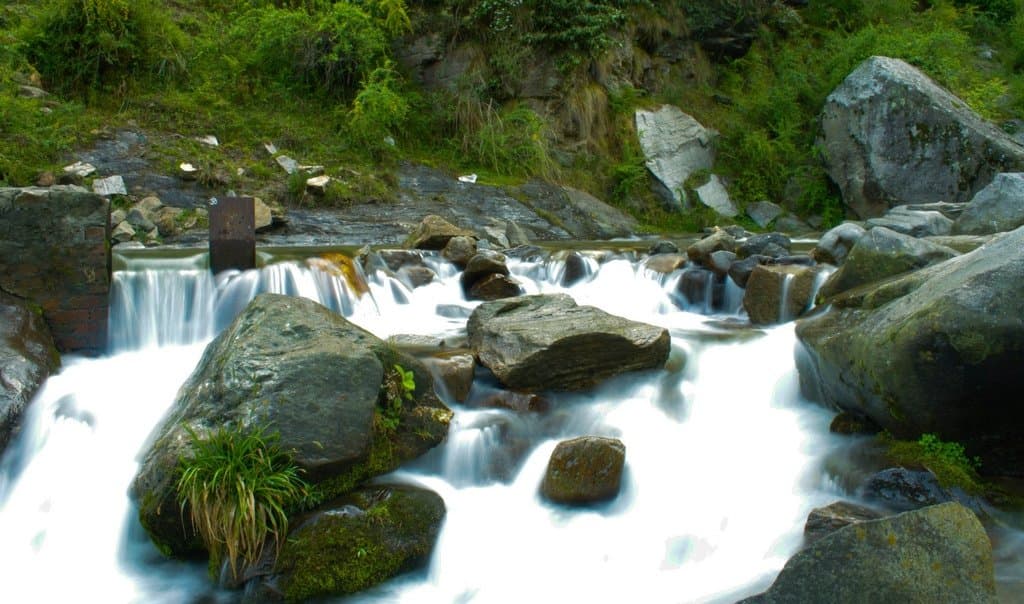
- Natural Pool: At the base of the waterfall, there is a natural pool where visitors can enjoy the cool water, though swimming is not recommended due to safety concerns.
Cultural Heritage:
The Jogini Waterfall area reflects local Himachali culture, particularly in the nearby villages. Traditional practices and lifestyle can be observed in the surrounding communities. The waterfall is sometimes associated with local folklore and is considered a sacred site by some.
Nearby Attractions:
- Manali: A major tourist destination known for its temples, markets, and natural beauty.
- Vashisht Temple and Hot Springs: Located in the nearby village of Vashisht, known for its hot springs and ancient temple.
- Solang Valley: Popular for adventure sports and scenic landscapes.
- Hadimba Temple: An ancient temple with unique architecture dedicated to Goddess Hadimba.
Local Cuisine:
- Himachali Cuisine: Features dishes such as chana madra (chickpea curry) and siddu (steamed bread).
- Tibetan Cuisine: Includes momos (dumplings) and thukpa (noodle soup), reflecting the regional cultural influences.

Leave the planning to a local expert
Festivals and Events:
- Raja Sansar Chand Festival: Celebrated in Kullu, with various cultural performances and traditional activities.
- Winter Carnival: Held in Manali, showcasing local traditions, cultural events, and recreational activities during the winter season.
Accommodation and Stays:
- Manali: Offers a wide range of accommodation options from luxury hotels to budget guesthouses.
- Nearby Resorts: Various resorts and lodges are available in and around Manali, providing amenities and easy access to the waterfall.
- Guesthouses: Several guesthouses and homestays in nearby villages offer a more intimate experience.
Tips for Visitors:
- Best Time to Visit: March to June and September to November, when the weather is pleasant for trekking and sightseeing.
- Wear Comfortable Footwear: Trekking to the waterfall involves walking on uneven terrain, so sturdy shoes are recommended.
- Bring Essentials: Carry water, snacks, and sun protection, as facilities are limited along the trail.
- Respect the Environment: Follow park rules and avoid disturbing the natural habitat.
Conclusion:
Jogini Waterfall offers a natural escape with its scenic beauty and tranquil environment. The moderate trek and the impressive waterfall make it a popular destination for nature enthusiasts and those seeking a peaceful retreat. By adhering to conservation practices and respecting the natural surroundings, visitors can enjoy the area while contributing to its preservation.