
Manali Sanctuary
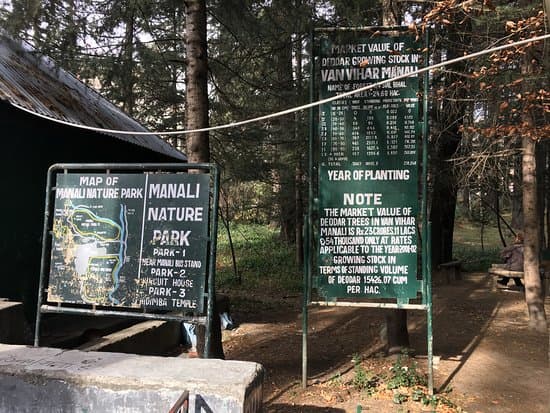
Overview
Manali Sanctuary, also known as the Manali Wildlife Sanctuary, is a protected area located in the Kullu district of Himachal Pradesh, India. Situated near Manali, this sanctuary is known for its rich biodiversity, including various species of flora and fauna. It serves as a crucial area for wildlife conservation and offers opportunities for eco-tourism and nature exploration.
Historical Significance:
The Manali Sanctuary was established in 1954 to preserve the natural habitat of the region and protect its diverse wildlife. It was created to address the threats posed by deforestation and habitat loss, and it has since played a significant role in wildlife conservation efforts in the Kullu Valley.
Architectural Details:
The sanctuary itself does not feature architectural structures. It is primarily a natural area with protected wildlife habitats. The sanctuary is managed through a network of trails and designated visitor areas designed to minimize human impact and preserve the environment.
Key Features and Attractions:
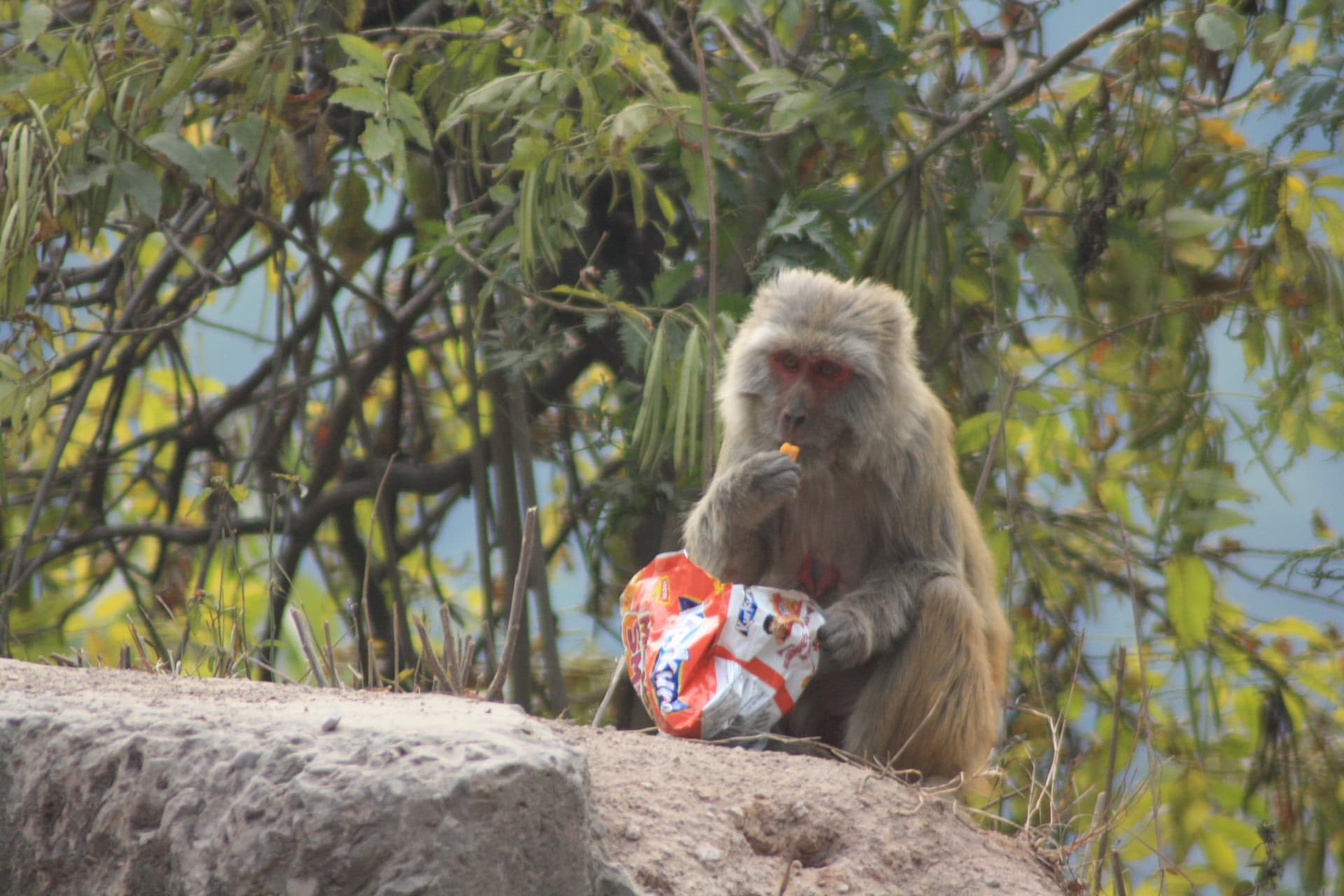
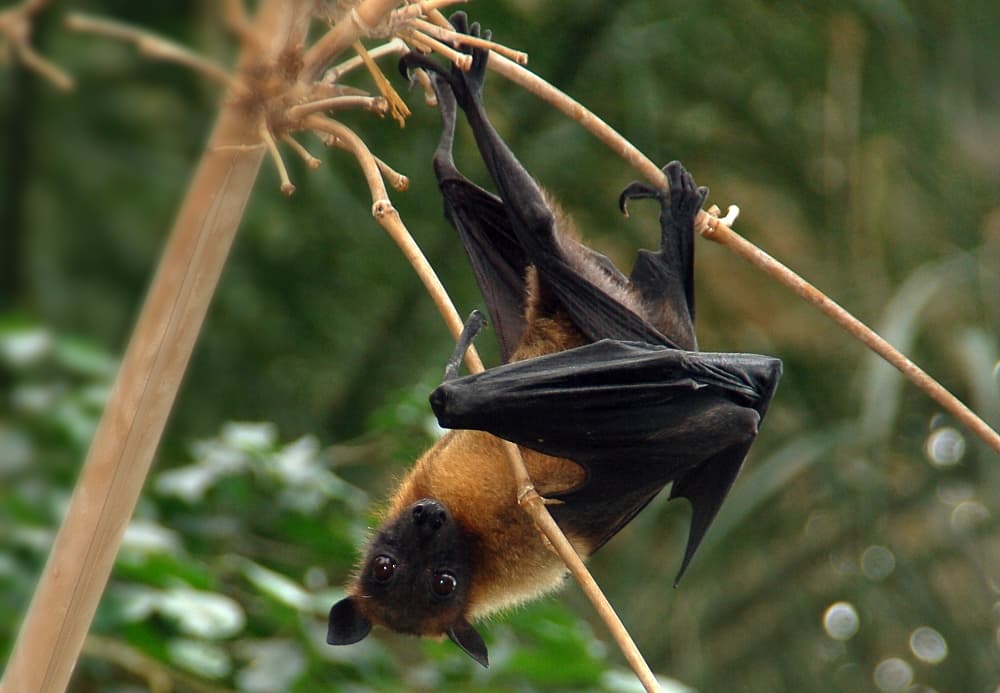
- Flora and Fauna: The sanctuary is home to a variety of plant species, including oak, deodar, and pine forests. Wildlife includes animals such as the Himalayan black bear, leopard, and various species of deer. Birdwatchers can also spot species like the Himalayan Monal, the state bird of Himachal Pradesh.
- Trekking Trails: The sanctuary offers several trekking routes, providing opportunities to explore its diverse ecosystems and enjoy the natural beauty of the area.
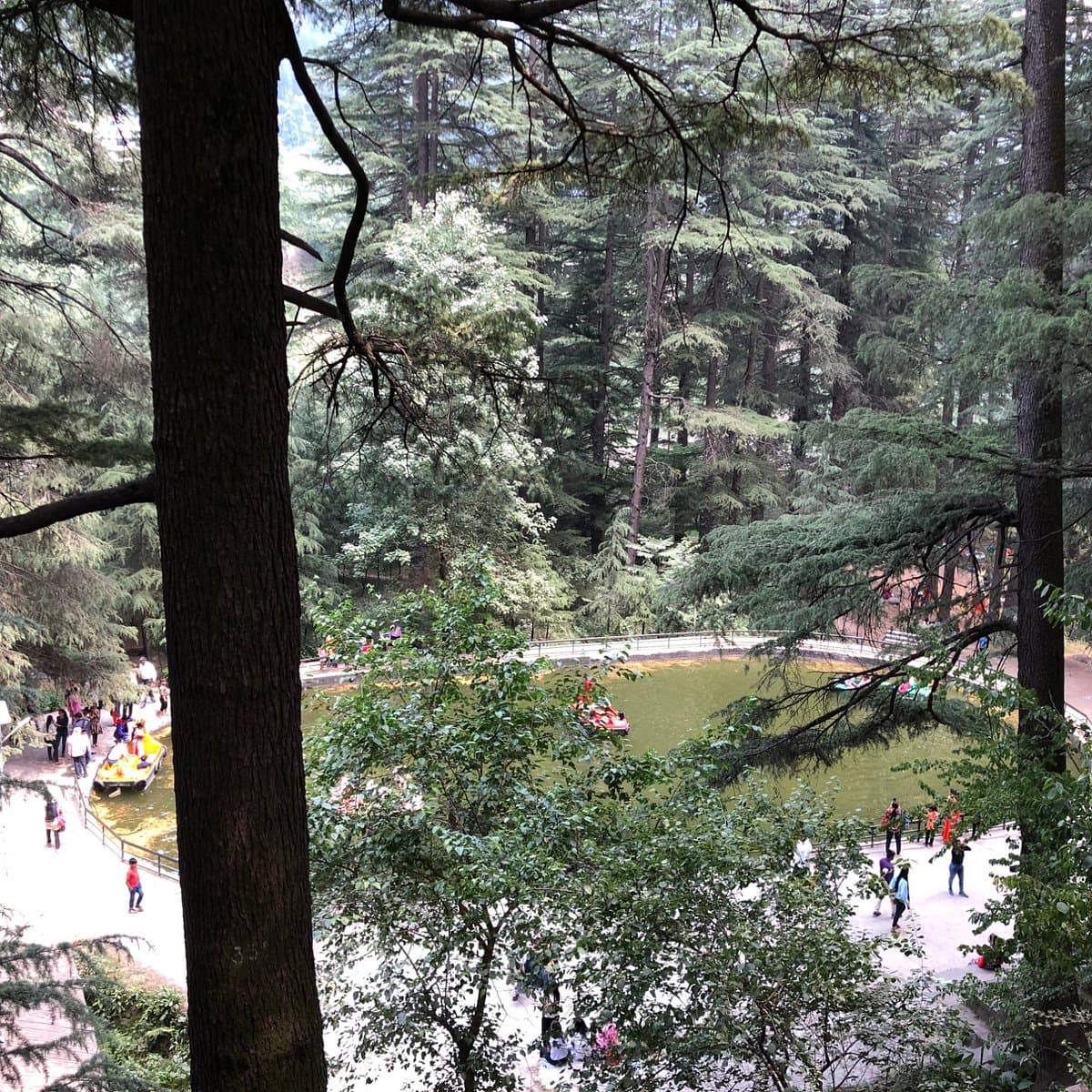
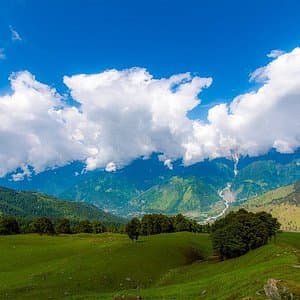
- Scenic Views: The sanctuary features beautiful landscapes, including dense forests, mountain streams, and scenic viewpoints.
Cultural Heritage:
While the sanctuary is focused on wildlife and conservation, the surrounding areas reflect the local Himachali culture. Traditional practices, local festivals, and the lifestyle of nearby communities are integral to the region’s cultural landscape.

Leave the planning to a local expert
Nearby Attractions:
- Manali: A well-known hill station with attractions like the Hadimba Temple, Solang Valley, and various markets.
- Jogini Waterfall: A scenic waterfall accessible via a trek from Manali.
- Rohtang Pass: A high mountain pass offering snow activities and panoramic views.
- Naggar Castle: A historic castle with cultural significance and views of the surrounding valley.
Tips for Visitors:
- Best Time to Visit: March to June and September to November, when the weather is favourable for outdoor activities and wildlife spotting.
- Wear Appropriate Gear: Dress in comfortable clothing and sturdy footwear suitable for trekking and outdoor exploration.
- Respect Wildlife: Maintain a safe distance from animals and avoid disturbing their natural behaviour.
- Follow Sanctuary Rules: Adhere to the sanctuary’s regulations to help preserve its natural environment and biodiversity.
Conclusion:
Manali Sanctuary offers a valuable opportunity to experience the rich biodiversity and natural beauty of the Kullu Valley. With its diverse flora and fauna, scenic landscapes, and eco-tourism opportunities, the sanctuary is a key destination for nature enthusiasts and conservation supporters. By following sustainable practices and respecting the sanctuary's guidelines, visitors can enjoy the area while contributing to its preservation and continued health.