
Old Manali
Overview
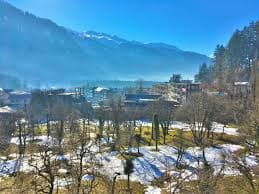
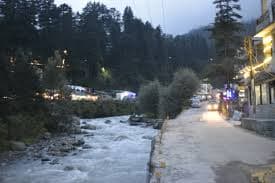
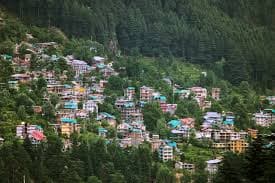
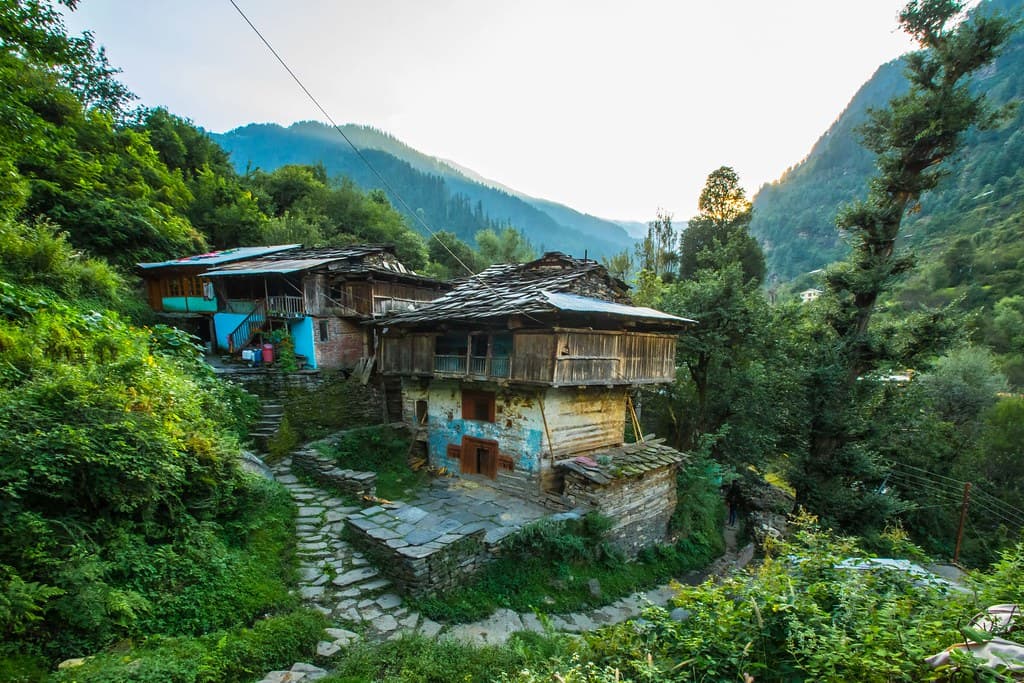
Old Manali is a historic and charming area located in Manali, Himachal Pradesh, India. Situated along the Beas River, Old Manali retains much of its traditional character and offers a contrast to the more commercialised New Manali. It is known for its narrow streets, traditional architecture, and vibrant local culture.
Historical Significance:
Old Manali has historical importance due to its long-standing presence as a settlement in the Kullu Valley. Historically, it was a significant location for trade and culture. The area reflects the traditional lifestyle of the region and has been a part of the local history and heritage for centuries.
Architectural Details:
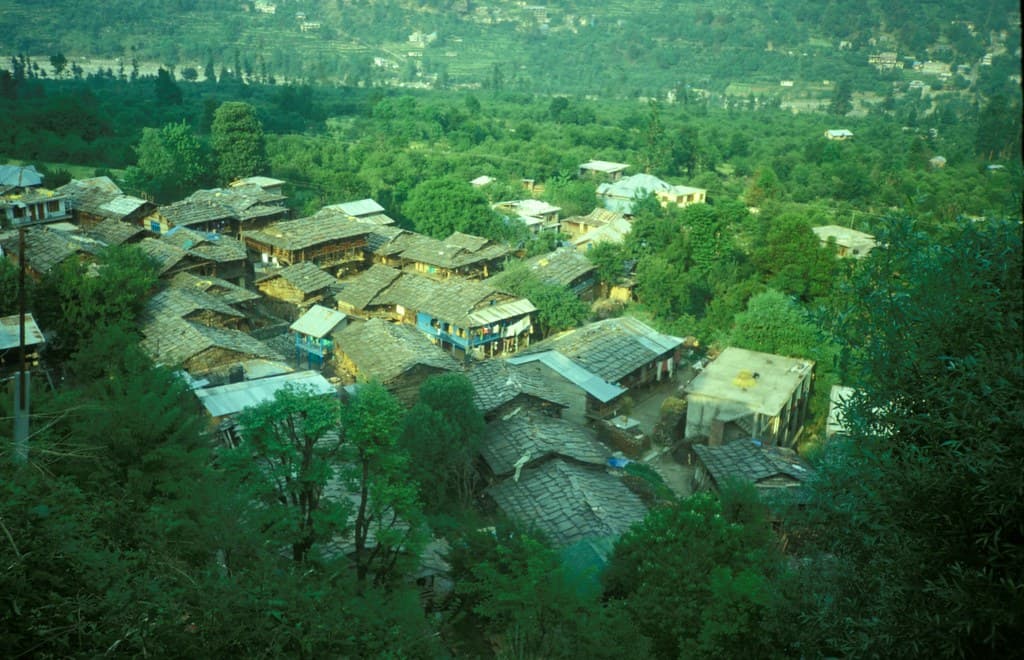
The architecture of Old Manali features traditional Himachali design, with wooden houses and stone buildings that blend with the natural environment. Many buildings in Old Manali have intricate wooden carvings and sloping roofs designed to withstand heavy snowfall. The area maintains a rustic charm with its preserved architecture.
Key Features and Attractions:
- Traditional Architecture: The narrow lanes and traditional wooden houses contribute to the area's historical ambiance.
- Local Markets: Old Manali has vibrant markets where visitors can shop for local crafts, textiles, and souvenirs.
- Temples: The area is home to several ancient temples, including the Manu Temple, dedicated to the sage Manu, and the Hadimba Temple.
Cultural Heritage:
Old Manali reflects the rich cultural heritage of the Kullu Valley. It is known for its traditional festivals, local crafts, and lifestyle. The area is an excellent place to experience the customs and traditions of the Himachali people, including their festivals, music, and dance.
Nearby Attractions:
- Manali: The larger area offers various attractions such as the Hadimba Temple, Solang Valley, and the Beas River.
- Jogini Waterfall: A scenic waterfall accessible via a moderate trek from Old Manali.
- Rohtang Pass: A high mountain pass offering snow activities and stunning views.
- Naggar Castle: A historic castle with cultural significance and views of the surrounding valley.
Leave the planning to a local expert
Festivals and Events:
- Dussehra Festival: Celebrated in nearby Kullu with grand processions, local performances, and cultural events.
- Winter Carnival: Held in Manali, featuring cultural activities and events during the winter season.
- Local Festivals: Various small-scale local festivals and cultural events take place throughout the year in Old Manali.
Accommodation and Stays:
- Guesthouses and Homestays: Old Manali offers various guesthouses and homestays that provide an authentic local experience and traditional hospitality.
- Hotels: Several budget and mid-range hotels are available, offering comfort and proximity to local attractions.
- Eco-friendly Stays: There are also eco-friendly lodges and accommodations that emphasize sustainability and environmental preservation.
Tips for Visitors:
- Best Time to Visit: March to June and September to November for pleasant weather and outdoor activities.
- Explore on Foot: Old Manali is best explored on foot to fully appreciate its narrow streets and traditional architecture.
- Respect Local Customs: Observe local customs and practices, particularly in religious and cultural sites.
- Prepare for Weather: Be ready for variable weather conditions, including cooler temperatures in the evenings.
Conclusion:
Old Manali offers a glimpse into the traditional lifestyle and heritage of the Kullu Valley. With its historical architecture, local markets, and cultural richness, it provides a unique and immersive experience for visitors. By supporting sustainable tourism practices and respecting local customs, visitors can enjoy a meaningful and authentic exploration of this historic area.