Blog
A cultural guide for Meghalaya
4 minutes
25th June 2024
 by Shakti Iyer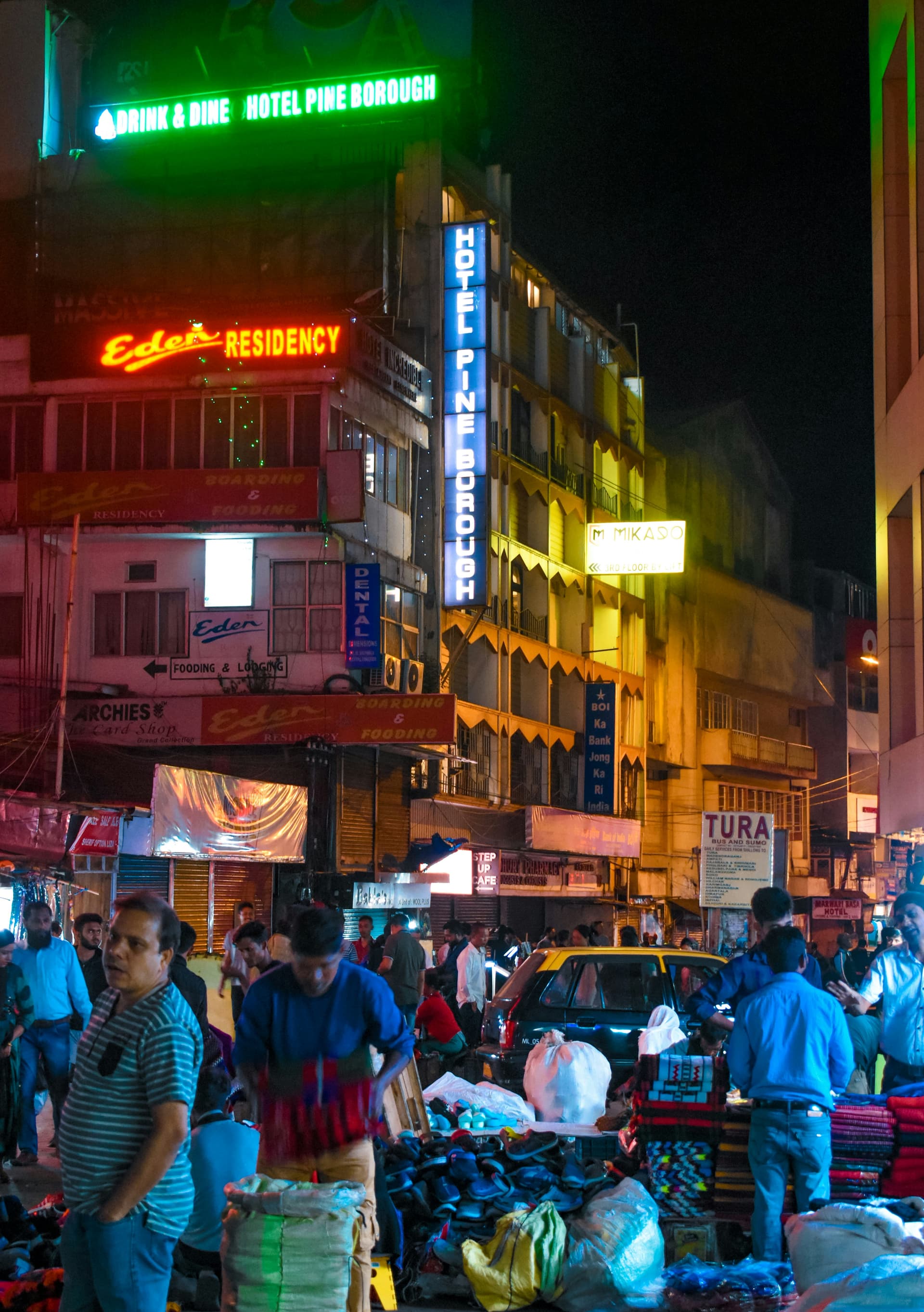
The culture of Meghalaya is fascinating! Learn how..
Meghalaya, a land where the skies come alive, the hills sing ancient tunes, and the culture is as rich and vibrant as a rainbow in the monsoon.
The Culture of Meghalaya...
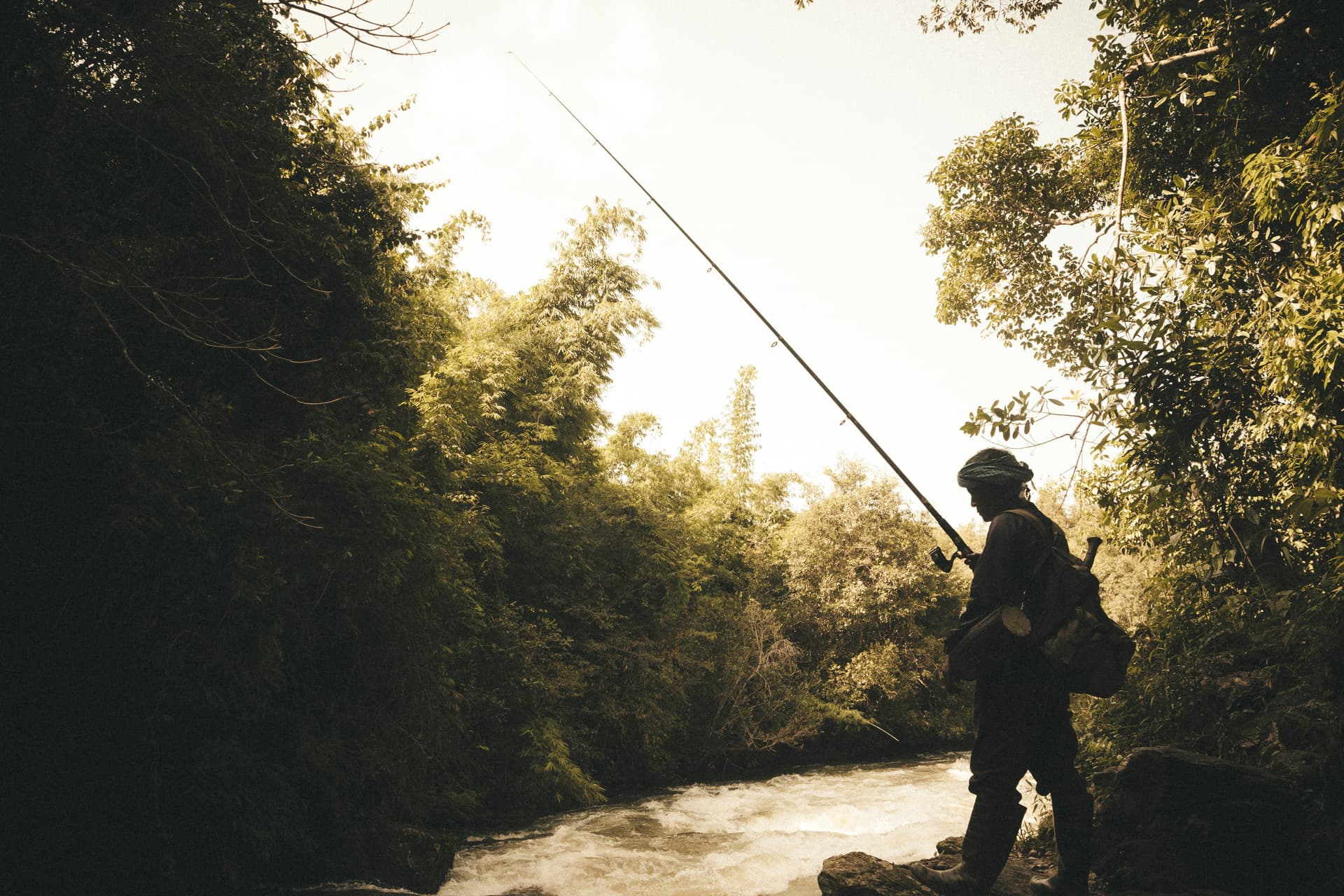
fishing in meghalaya - Courtesy of Photographer
The Khasis are known for their warm hospitality, often greeting visitors with a sincere “Khublei” (hello) and a friendly smile. They have a unique matrilineal society where the youngest daughter inherits the family property, and the family lineage is traced through women. This matrilineal system is a distinctive feature of Khasi culture, highlighting the important role of women in their society.
And then their dances, you must witness the Nongkrem Dance Festival, an annual celebration that’s part prayer, part spectacle, and all heart. Imagine this: a sea of colorful costumes, intricate silver jewelry, and synchronized movements that tell tales as old as the hills themselves. It's like stepping into a living, breathing fairy tale.
Next, let’s sashay over to the Garo tribe. If the Khasis are the serene morning sun, the Garos are the electrifying thunderstorm. Their traditional drum, the Dama, beats in rhythms that could make your heart dance. The Wangala Festival, also known as the 100 Drums Festival, is a sight to behold. Picture this: a hundred drums beating in unison, dancers clad in vibrant costumes, and a celebration that’s as infectious as a catchy tune.
The Garos are also known for their love of doodling – well, sort of. Their traditional weaving and crafts are like visual poetry, each pattern telling a story of dreams, nature, and everyday life. If you’re a fan of unique souvenirs, their handwoven baskets and textiles are a must-have.
Now, let’s wade into the waters with the Jaintia tribe, known for their fishing skills and fiery festivals. The Jaintia Hills are dotted with sacred groves and monoliths that stand as silent witnesses to a culture steeped in nature worship. The Behdienkhlam Festival is their pièce de résistance – a riot of colors, music, and dancing that aims to drive away the plague and ensure a bountiful harvest.
And let’s not forget their love for fish. The Jaintias can turn any fish into a culinary masterpiece. Try their Putharo and Tung-rymbai, and you’ll understand why their cuisine is considered a hidden gem.
Meghalaya isn’t just about ancient traditions; it’s also a melting pot of modern influences. Shillong, the state’s capital, is often dubbed the “Rock Capital of India.” Walk down its streets, and you might stumble upon a live music gig that could give Woodstock a run for its money. The Shillong Chamber Choir, with its eclectic mix of Western and Indian music, is a testament to Meghalaya’s ability to blend the old with the new seamlessly.
Let’s take a pit stop for a culinary adventure. Meghalaya’s food is as diverse as its people. From the smoky flavors of Dohneiiong (pork cooked with black sesame seeds) to the refreshing zest of Jadoh (rice cooked with meat and spices), your taste buds are in for a wild ride. And if you’re feeling brave, try the Tungrymbai – a fermented soybean dish that’s a flavor bomb waiting to explode.
A visit to Meghalaya isn’t complete without a trip to its bustling markets. The Iewduh (Bara Bazaar) in Shillong is a sensory overload in the best possible way. Here, you’ll find everything from fresh produce to traditional Khasi attire. The market is also a great place to pick up some local spices and handcrafted jewelry – perfect souvenirs to remind you of your quirky Meghalaya adventure.
Meghalaya is more than just a destination; it’s an experience, a journey into a culture that’s as diverse as the clouds that float over its hills. It’s a place where ancient traditions dance with modern beats, where every meal is a celebration, and every festival is a story waiting to be told. So, pack your bags, bring your curiosity, and get ready to be charmed by the quirky, vibrant, and utterly enchanting culture of Meghalaya.