
Bonsai Garden and Shukavana
Overview
Bonsai Garden and Shukavana are two significant attractions located in Mysore, Karnataka, India. The Bonsai Garden is renowned for its exquisite collection of miniature trees, while Shukavana is a unique aviary housing a diverse array of bird species. Both places offer a serene environment and educational opportunities for visitors interested in nature and wildlife.
Historical Significance:
The Bonsai Garden was established as part of the Avadhoota Datta Peetham, an ashram founded by Sri Ganapathy Sachchidananda Swamiji. It reflects his interest in nature conservation, horticulture, and spiritual teachings. The garden serves as a living testament to the ancient art of bonsai, which originated in China and was later developed in Japan. Shukavana, also known as the Parrot Park, was established by Sri Ganapathy Sachchidananda Swamiji as a sanctuary for birds. The aviary is part of the Avadhoota Datta Peetham and reflects Swamiji's commitment to wildlife conservation and education. Shukavana aims to protect various bird species and raise awareness about their importance in the ecosystem.
Architectural Details:
Layout and Design: The garden is meticulously designed with winding paths, bridges, and ponds that create a tranquil setting. The layout emphasizes the natural beauty of the bonsai trees, arranged in aesthetically pleasing groupings.
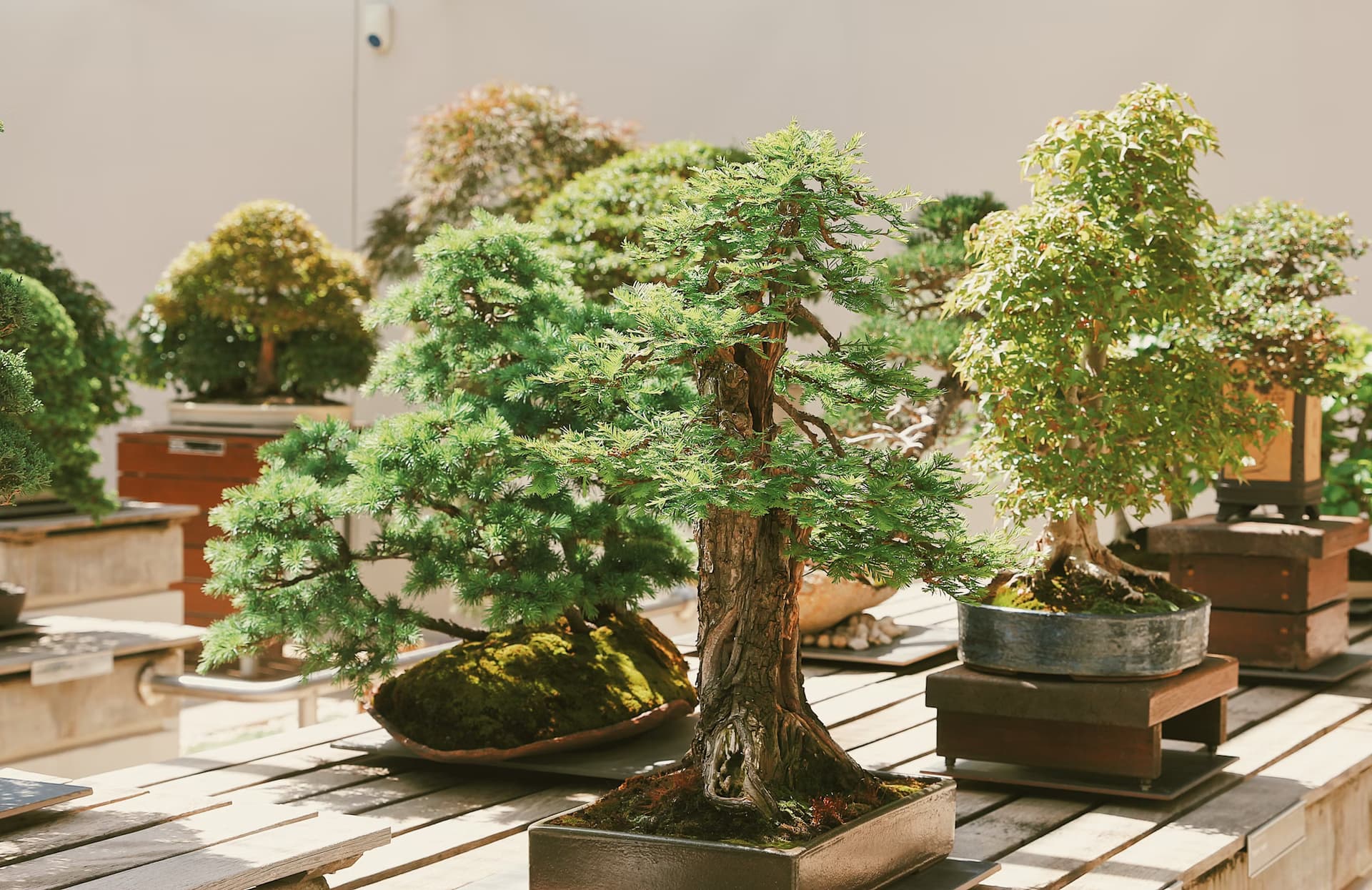
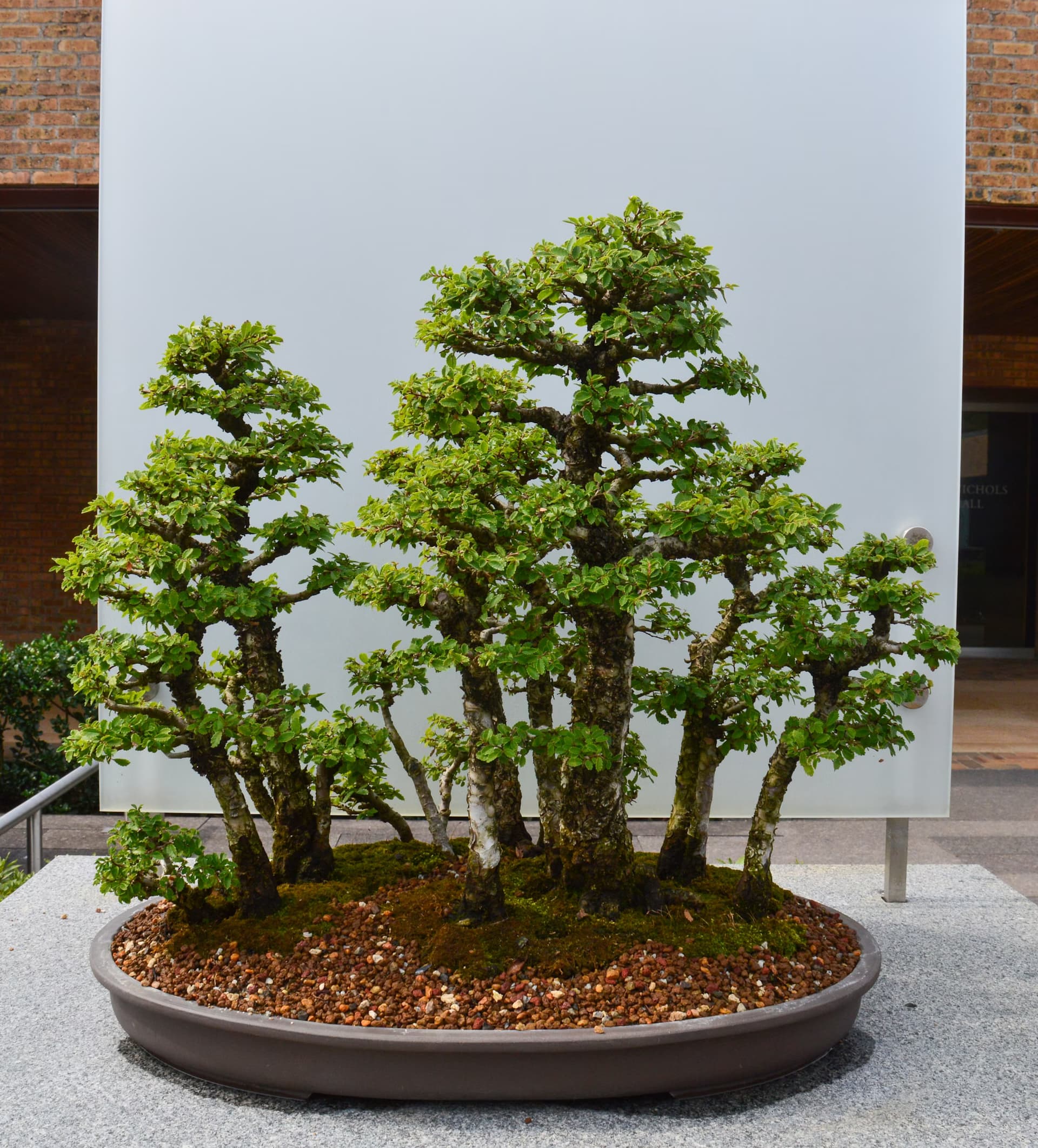
Bonsai Collections: The garden showcases various bonsai species, including ficus, junipers, and pines. Each tree is carefully pruned and trained to reflect miniature versions of their natural counterparts.
Aviary Design: Shukavana is designed as a large, enclosed aviary that provides ample space for birds to fly and interact. The structure mimics natural habitats with trees, perches, and water features.
Bird Enclosures: The aviary includes separate sections for different species, ensuring that each bird has an appropriate environment.
Key Features and Attractions:
Diverse Bonsai Trees: Visitors can observe a wide range of bonsai species, each labeled with detailed information about its origin, age, and care.
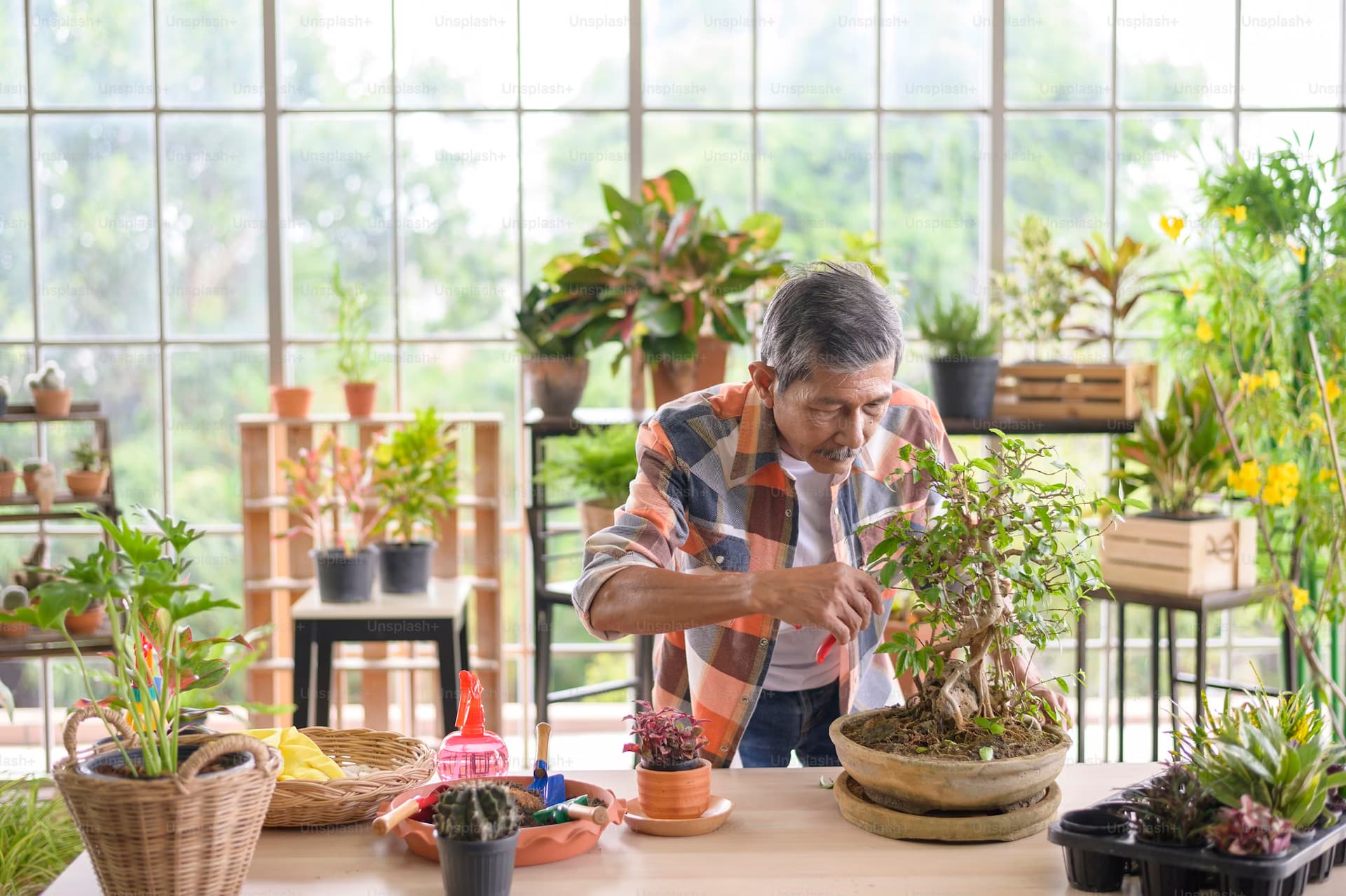
Educational Programs: The garden offers workshops and demonstrations on bonsai cultivation, providing insights into the techniques and philosophy behind this ancient art form.
Meditative Environment: The serene setting of the garden makes it an ideal place for meditation and relaxation, allowing visitors to connect with nature.
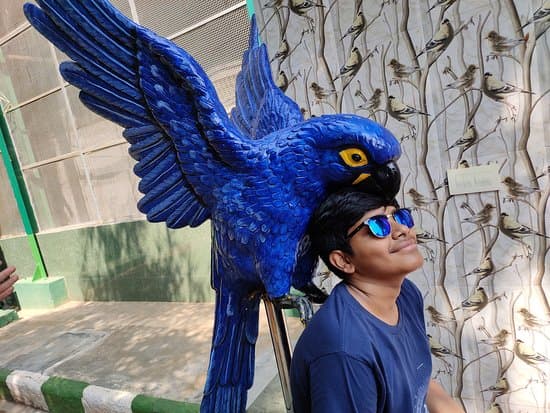
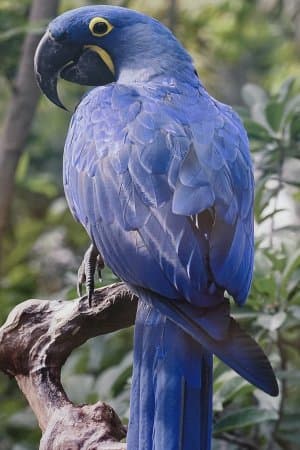
Diverse Bird Species: Shukavana houses over 2000 birds from more than 450 species, including parrots, macaws, cockatoos, and other exotic and native birds.
Interaction Opportunities: Visitors can interact with some of the birds under guided supervision, offering a unique and educational experience.
Educational Programs: The aviary provides information about the birds, their habitats, and conservation efforts through guided tours and educational displays.
Cultural Heritage:
The Bonsai Garden represents the integration of art, nature, and spirituality. It showcases the cultural heritage of bonsai, an art form that requires patience, skill, and a deep understanding of horticulture. Shukavana highlights the cultural significance of birds in various traditions and their role in nature. It serves as a platform for educating the public about the importance of avian conservation and fostering a deeper appreciation for wildlife.

Leave the planning to a local expert
Nearby Attractions:
Avadhoota Datta Peetham: The ashram where the Bonsai Garden is located also features a Vedic library, a meditation hall, and various other spiritual and cultural activities.
Mysore Palace: Located a short distance away, the palace is a major tourist attraction known for its architectural grandeur.
Chamundi Hill: A prominent landmark in Mysore, offering panoramic views of the city and housing the Chamundeshwari Temple.
Festivals and Events:
Special Exhibitions: The Bonsai Garden occasionally hosts special exhibitions and competitions showcasing rare and unique bonsai trees.
Spiritual Events: The ashram organizes various spiritual and cultural events that attract visitors from around the world.
Bird Festivals: Shukavana may host special events and festivals focused on birds, including educational workshops and interactive sessions.
Tips for Visitors:
Best Time to Visit the Bonsai Garden: The garden is best visited during the cooler months from October to March. Early mornings or late afternoons offer pleasant weather for exploring.
Guided Tours to Bonsai Garden: Consider joining a guided tour to gain a deeper understanding of the bonsai art and the garden's layout.
Respect the Plants at the Garden: Visitors should avoid touching the bonsai trees and follow the garden's guidelines to ensure the preservation of these delicate plants.
Best Time to Visit for Shukavana: The aviary is best visited during the cooler months from October to March. Mornings and late afternoons are ideal for seeing active birds.
Guided Tours for Shukavana: Joining a guided tour can enhance the experience, providing insights into the birds' behaviors, habitats, and conservation efforts.
Respect the Birds at Shukavana: Visitors should follow the aviary's guidelines, avoid disturbing the birds, and refrain from feeding them without supervision.