
Karanji Lake
.jpg&w=1920&q=75)
.jpeg&w=1920&q=75)
Overview
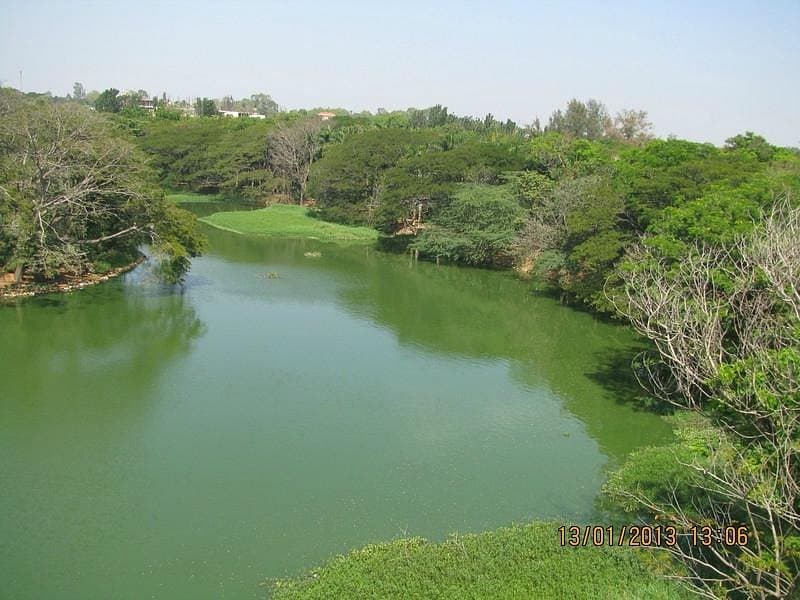
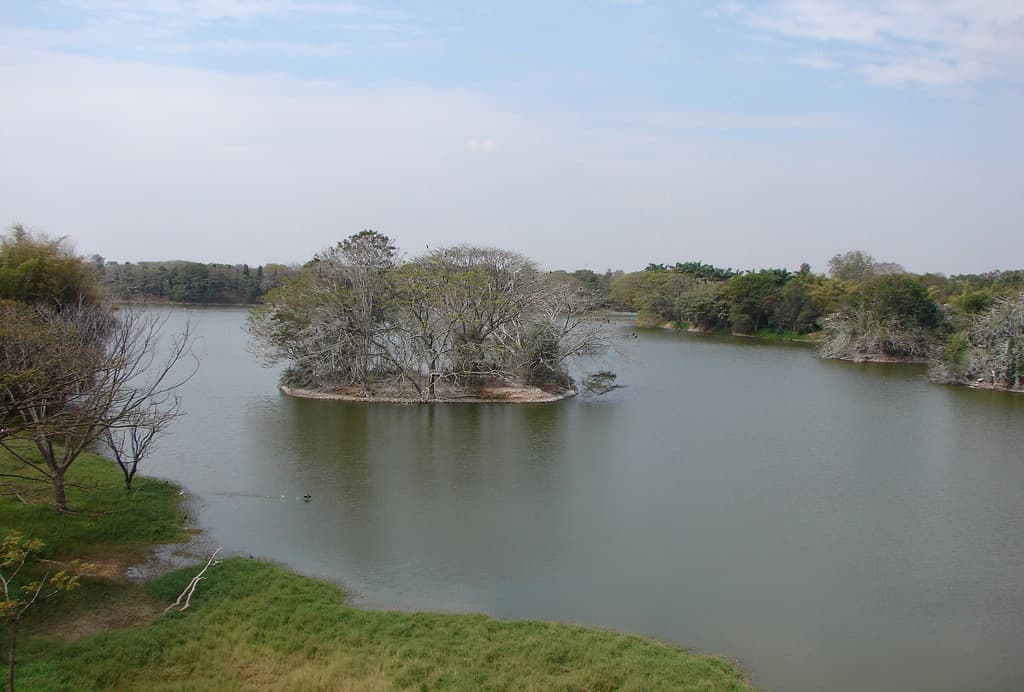
Karanji Lake, situated in Mysore, Karnataka, is a serene and well-maintained urban lake renowned for its biodiversity and picturesque setting. Spanning approximately 90 hectares, the lake is a popular destination for nature enthusiasts, bird watchers, and those seeking a peaceful retreat from the hustle and bustle of city life.
Historical Significance:
Karanji Lake was originally constructed in the late 19th century as a water source for the city of Mysore. Over the years, it has been transformed into a conservation and recreational area. The lake has become a model for urban water management and ecological restoration, showcasing efforts to preserve natural habitats within city environments.
Architectural Details:
Water Management: The lake features a well-designed water management system that helps maintain its ecological balance. It includes facilities for water inflow, outflow, and purification, ensuring a clean and sustainable environment.
Bird Watching Tower: An elevated tower provides a vantage point for bird watchers and photographers, offering panoramic views of the lake and its surroundings.
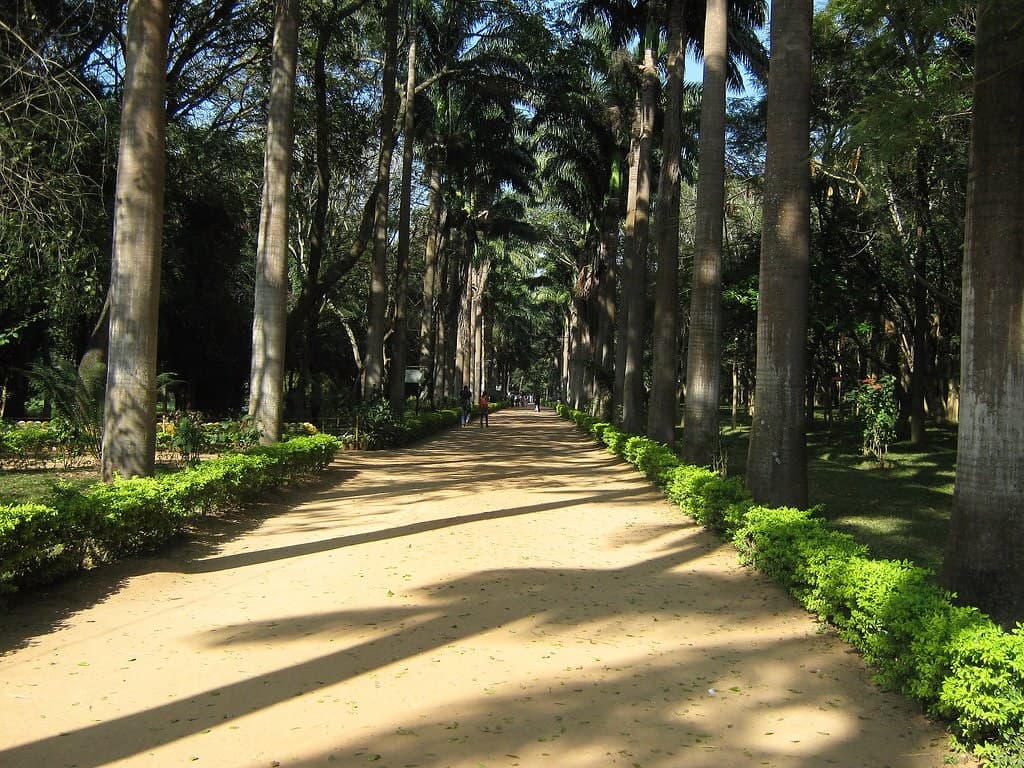
Walking Paths: The lake is surrounded by well-maintained walking paths and gardens, designed to enhance visitor experience and accessibility.
Key Features and Attractions:
Bird Sanctuary: Karanji Lake is home to a diverse range of bird species, making it a popular destination for bird watchers. The lake's bird sanctuary attracts migratory birds and supports a variety of resident species, including herons, egrets, and kingfishers.
Butterfly Park: Adjacent to the lake, the Butterfly Park is an attraction in its own right, featuring a variety of flowering plants that attract numerous butterfly species. It provides an educational experience about the life cycle and ecological role of butterflies.
Nature Walks: The well-maintained trails around the lake offer opportunities for leisurely walks and nature observation. The scenic routes are ideal for relaxation and appreciating the lake's natural beauty.
Boating: The lake provides boating facilities, allowing visitors to enjoy a tranquil ride and view the surroundings from the water.
Nearby Attractions:
Mysore Palace: A grand example of Mughal and Indian architecture, located approximately 6 kilometers from Karanji Lake. The palace is a key historical and cultural landmark.
Chamundi Hill: Offers panoramic views of Mysore and features the Chamundeshwari Temple, a significant religious site.
St. Philomena's Church: Known for its neo-gothic architecture and impressive stained glass windows, located in Mysore.
Accommodation and Stays:
Luxury Hotels: Options such as The Windflower Resort and Radisson Blu Plaza Hotel offer luxurious stays with convenient access to Karanji Lake and other attractions.
Mid-range Hotels: Several mid-range hotels and guesthouses in Mysore provide comfortable accommodations at reasonable prices.
Budget Lodging: Budget hotels and guesthouses offer economical lodging options for travelers.

Leave the planning to a local expert
Sustainability and Conservation:
Karanji Lake is managed with a focus on sustainability and ecological conservation. Efforts include maintaining water quality, preserving natural habitats, and promoting biodiversity. The lake serves as an example of successful urban conservation practices, balancing recreational use with environmental stewardship.
Tips for Visitors:
Best Time to Visit: The cooler months from October to March are ideal for visiting the lake. Early mornings or late afternoons provide the best light for bird watching and photography.
Photography: Bring binoculars and a camera for bird watching and capturing the lake’s scenic beauty.
Guided Tours: Consider joining a guided tour to learn more about the lake’s ecology, bird species, and conservation efforts.
Conclusion:
Karanji Lake is a valuable ecological and recreational asset in Mysore, offering a blend of natural beauty, biodiversity, and urban convenience. Its well-maintained landscapes, bird sanctuary, and educational facilities make it a must-visit destination for nature enthusiasts and those seeking a tranquil escape. The lake exemplifies the successful integration of conservation and urban development, providing a peaceful retreat within the city while highlighting the importance of environmental stewardship.