
Mysore Zoo
Overview
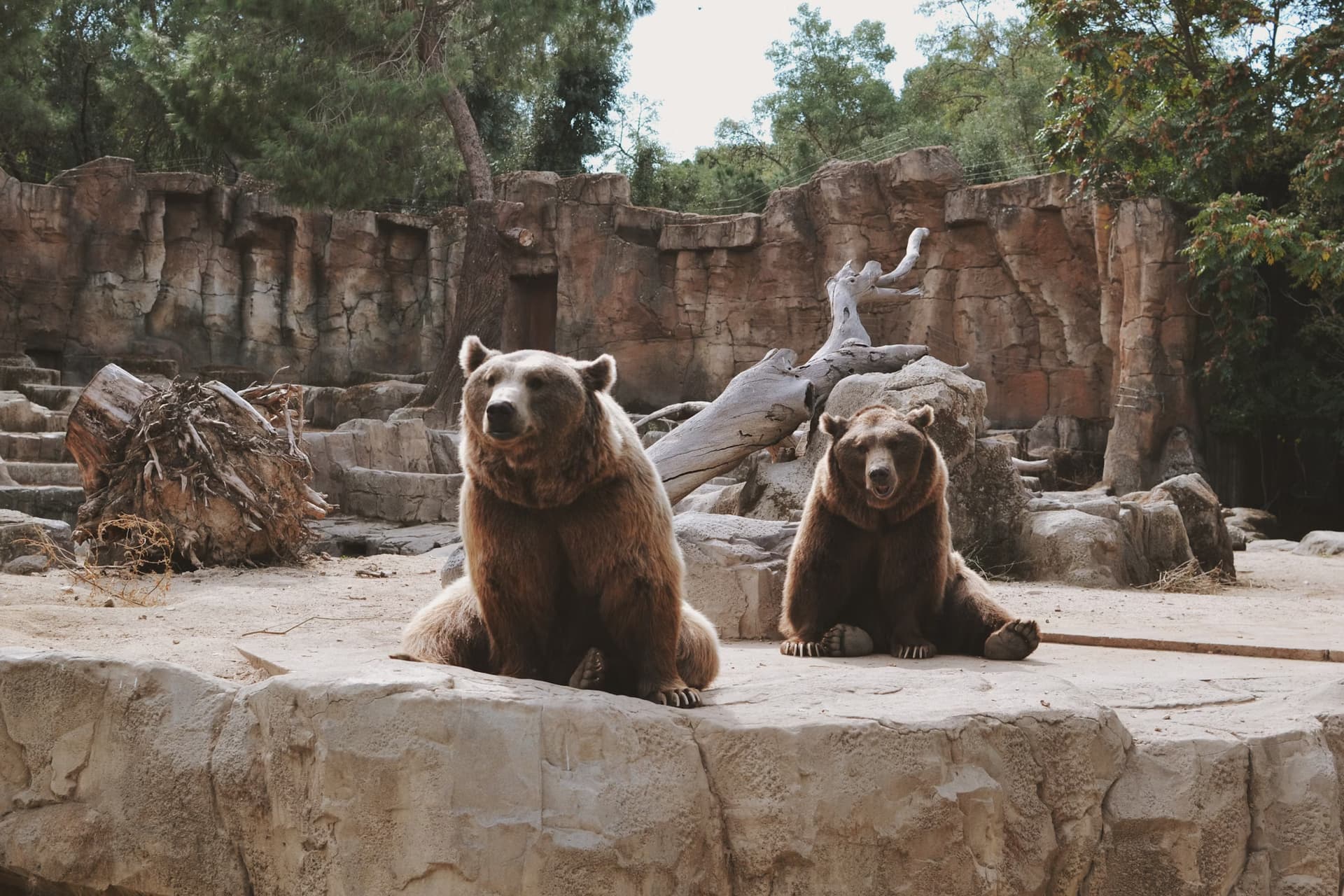
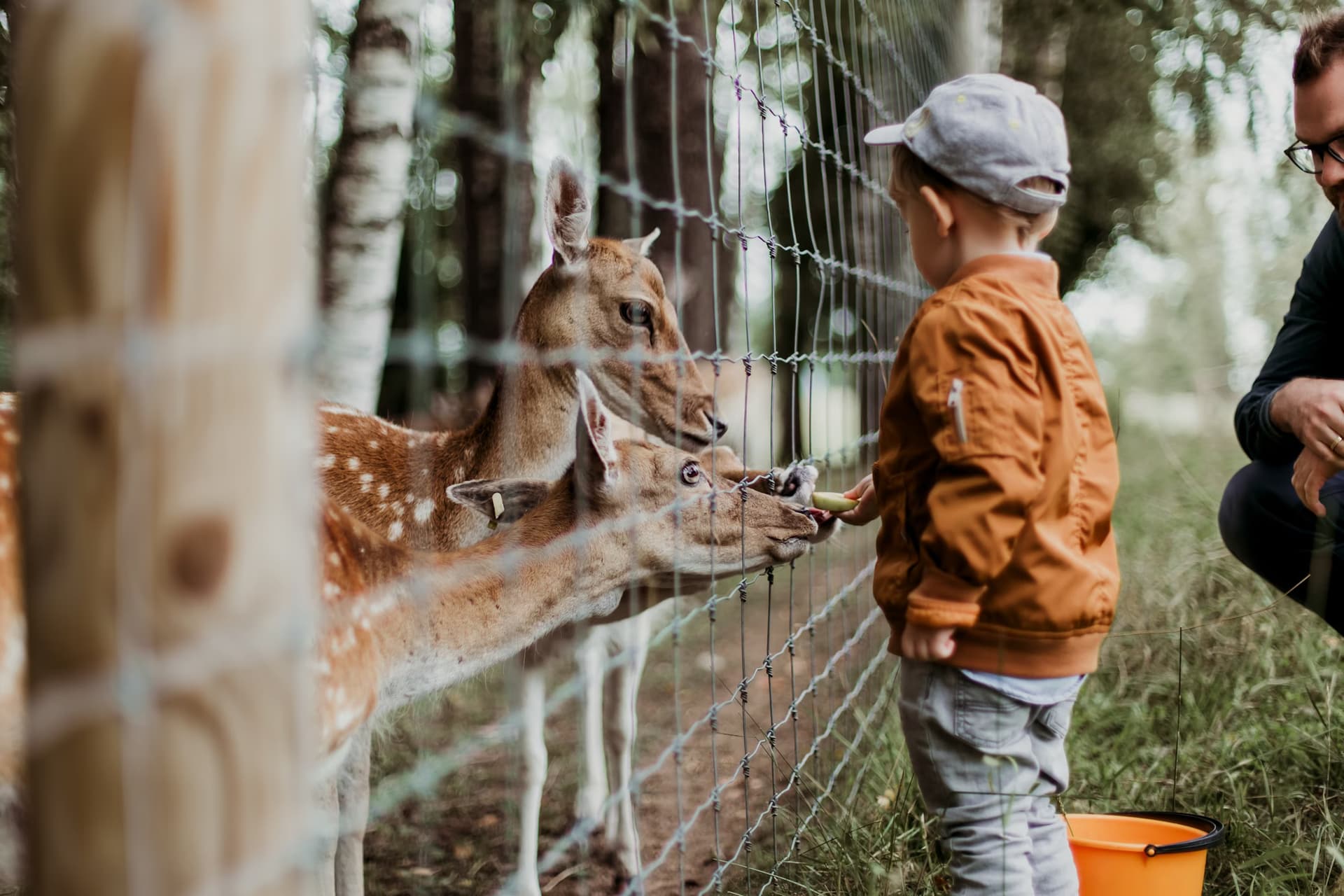
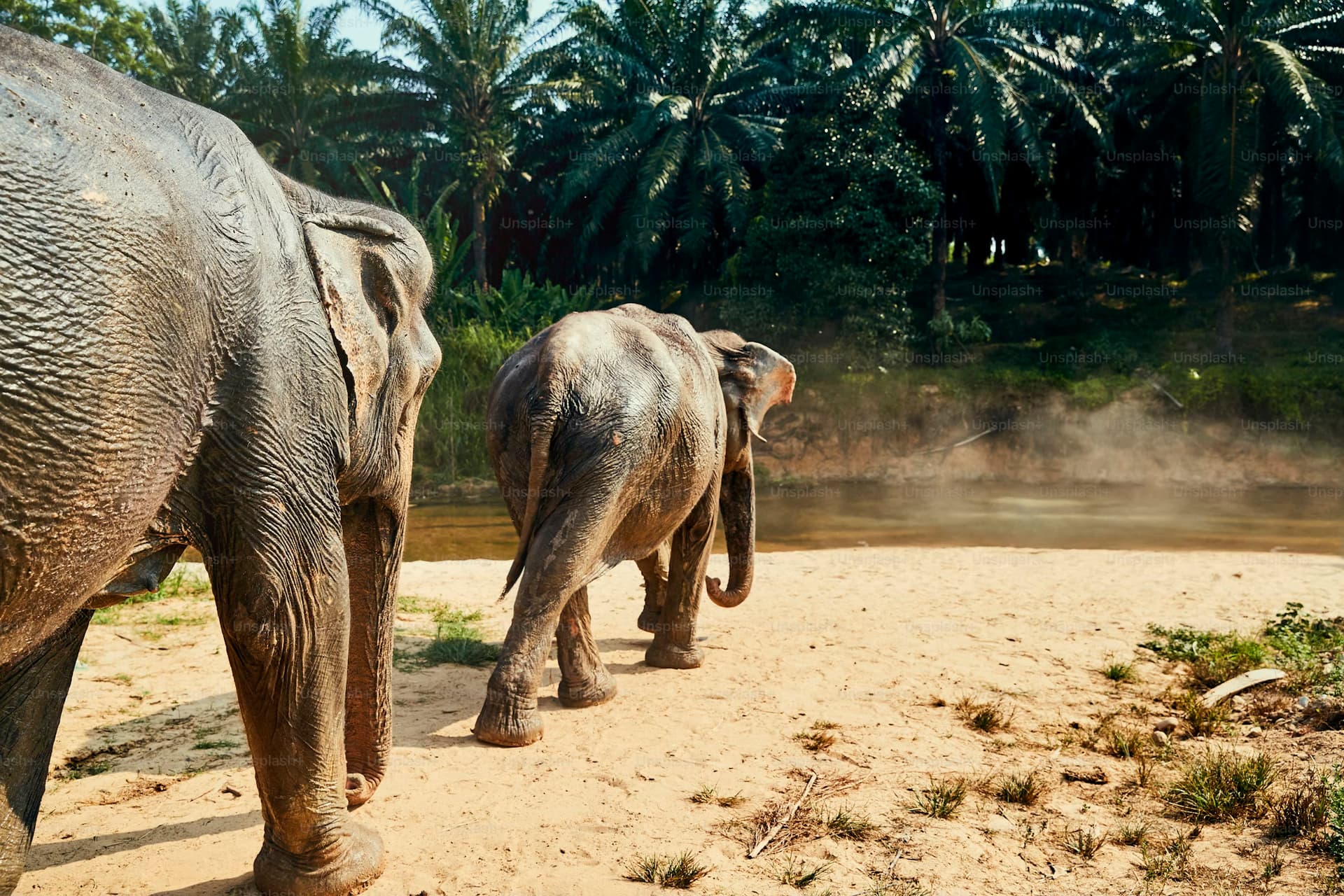
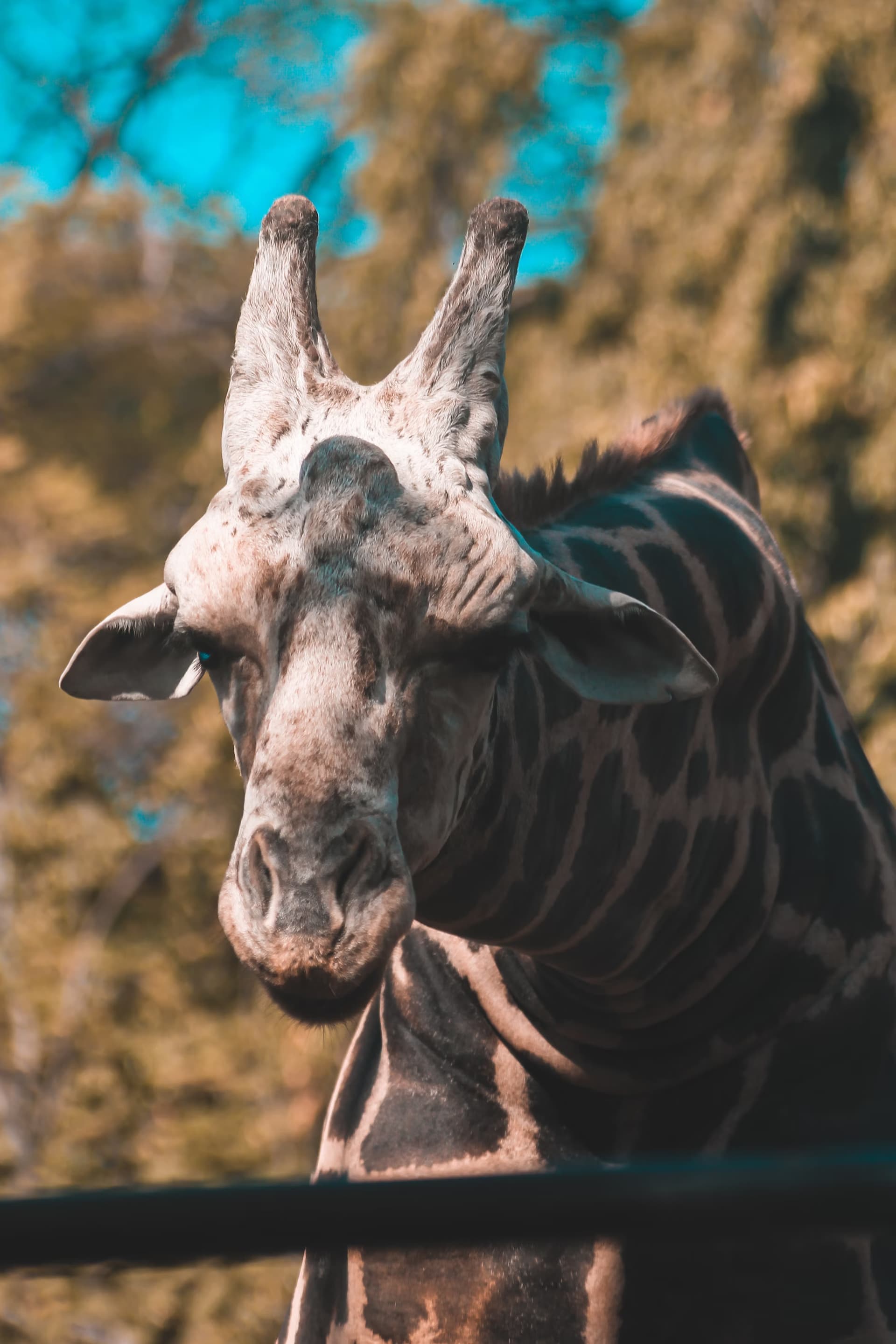
Mysore Zoo, also known as Sri Chamarajendra Zoological Gardens, is one of the oldest and most well-maintained zoos in India. Located in Mysore, Karnataka, the zoo spans over 157 acres and is home to a diverse collection of animals from around the world. Established in 1892 by Maharaja Chamaraja Wadiyar X, the zoo is renowned for its commitment to wildlife conservation, education, and visitor experience.
Historical Significance:
Mysore Zoo has a rich history tied to the Wadiyar dynasty. It was initially established as a private menagerie by Maharaja Chamaraja Wadiyar X and was later opened to the public. The zoo has played a crucial role in the conservation of endangered species and has been a center for wildlife education and research. Over the years, it has evolved into a modern zoological garden with a focus on animal welfare and habitat preservation.
Architectural Details:
Layout and Design: The zoo is designed to provide spacious and naturalistic enclosures for the animals, replicating their natural habitats as closely as possible. The layout includes well-planned pathways, gardens, and water bodies.
Herbivore and Carnivore Enclosures: The zoo features separate sections for herbivores and carnivores, each with enclosures that are designed to meet the specific needs of the animals. These enclosures include features like water pools, climbing structures, and shaded areas.
Reptile House and Aviary: The zoo has a specialized reptile house and an aviary that houses a variety of bird species. These facilities are designed to provide appropriate environments for reptiles and birds, with attention to temperature control and habitat enrichment.
Key Features and Attractions:
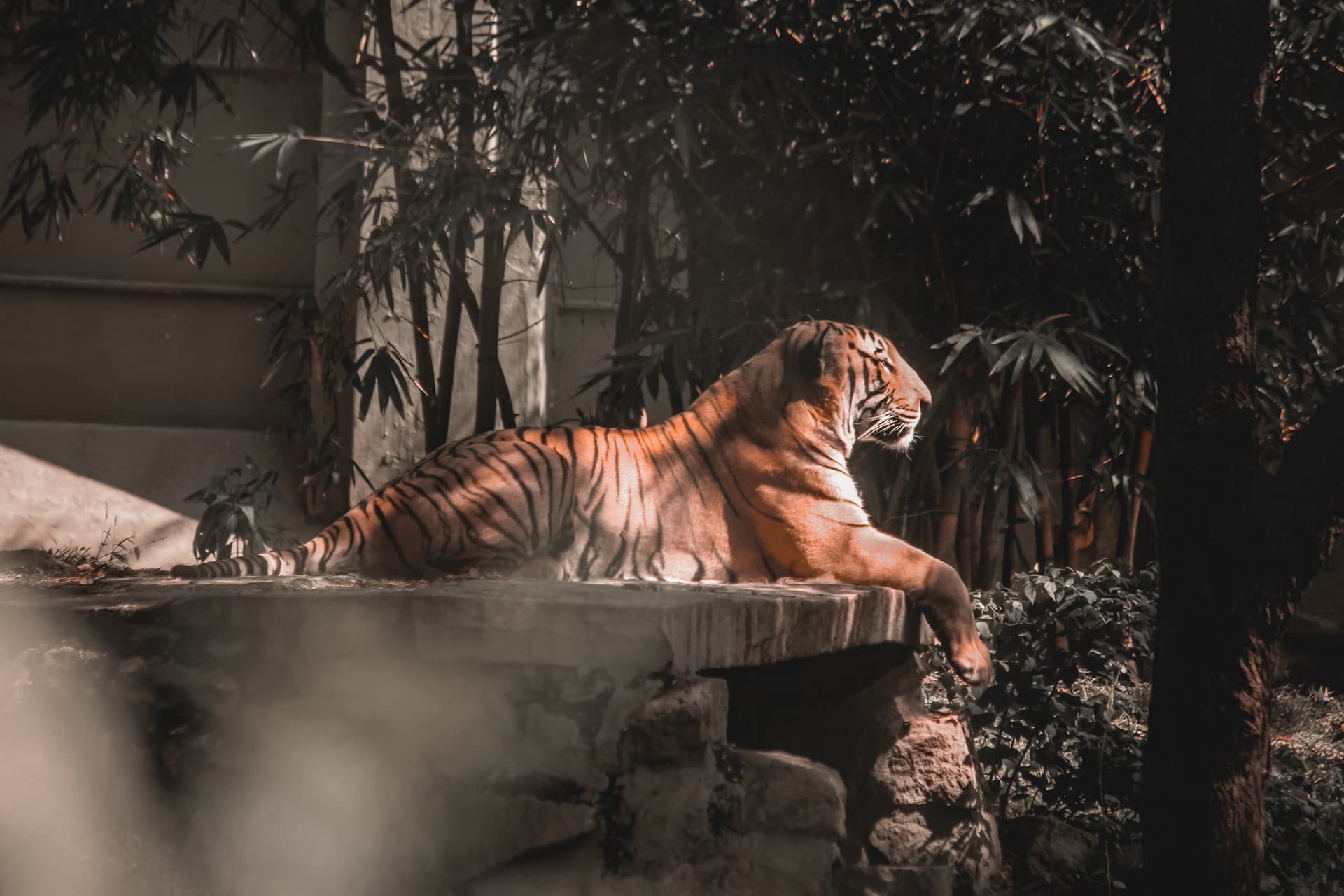
Diverse Animal Collection: Mysore Zoo is home to a wide range of animals, including tigers, lions, elephants, giraffes, zebras, and a variety of primates, reptiles, and birds. The zoo is known for its efforts in breeding endangered species.
Karanji Lake: Adjacent to the zoo, Karanji Lake is an integral part of the zoo's ecosystem, providing a natural habitat for birds and serving as a water source for the zoo.
Education and Conservation Programs: The zoo runs several educational programs and conservation initiatives, including guided tours, wildlife awareness campaigns, and breeding programs for endangered species.
Butterfly Park: A dedicated butterfly park within the zoo provides a habitat for various butterfly species, enhancing the biodiversity of the area and offering an educational experience for visitors.
Cultural Heritage:
Mysore Zoo reflects the cultural heritage of Mysore and the Wadiyar dynasty's commitment to wildlife conservation. It serves as a center for education and awareness, promoting the importance of preserving natural habitats and protecting endangered species. The zoo's historical significance and ongoing conservation efforts make it a vital part of Mysore's cultural landscape.
Nearby Attractions:
Mysore Palace: Located close to the zoo, Mysore Palace is a grand example of Mughal and Indian architecture and a key historical site.
Chamundi Hill: Offers panoramic views of Mysore and features the Chamundeshwari Temple, a significant religious site.
St. Philomena's Church: Known for its neo-gothic architecture and impressive stained glass windows.

Leave the planning to a local expert
Events:
Wildlife Week: Celebrated in October, Wildlife Week features special events, educational programs, and activities focused on wildlife conservation.
Sustainability and Conservation:
Mysore Zoo is dedicated to sustainability and conservation, focusing on protecting wildlife, maintaining natural habitats, and promoting environmental education. The zoo's initiatives include waste management, water conservation, and efforts to minimize its ecological footprint.
Tips for Visitors:
Best Time to Visit: The cooler months from October to March are ideal for visiting the zoo. Early mornings or late afternoons are best for avoiding the heat and seeing active animals.
Photography: Bring a camera with a good zoom lens for capturing the animals and scenic views. Respect the animals and avoid using flash photography.
Guided Tours: Consider joining a guided tour to learn more about the animals, their habitats, and the zoo's conservation efforts.
Conclusion:
Mysore Zoo is a premier destination for wildlife enthusiasts, families, and anyone interested in learning about animal conservation. Its diverse collection of animals, well-maintained facilities, and commitment to education and sustainability make it a must-visit attraction in Mysore. Whether exploring the animal enclosures, enjoying a boat ride on Karanji Lake, or participating in educational programs, visitors to Mysore Zoo are sure to have an enriching and memorable experience.