
Railway Museum
.jpeg&w=1920&q=75)
.jpeg&w=1920&q=75)
Overview
The Railway Museum in Mysore, Karnataka, is a notable attraction dedicated to showcasing the history and development of Indian railways. Established in 1979, it is one of the oldest railway museums in India. The museum offers a fascinating glimpse into the evolution of railway technology and its impact on the country's infrastructure and society.
Historical Significance:
The museum was established to preserve and exhibit the rich history of Indian railways, which played a crucial role in the country’s economic and social development. The Indian railways, which began during the British era, have been integral to the nation's growth, facilitating trade, travel, and communication. The Mysore Railway Museum focuses on the contributions of the railways to regional development and provides insights into the technological advancements over time.
Architectural Details:
Main Building: The museum's main building, a colonial-era structure, reflects the architectural style of the British period. The building itself adds to the historical ambiance of the museum.
Exhibition Halls: The museum is divided into several halls, each dedicated to different aspects of railway history, including early locomotives, signaling equipment, and railway artifacts.
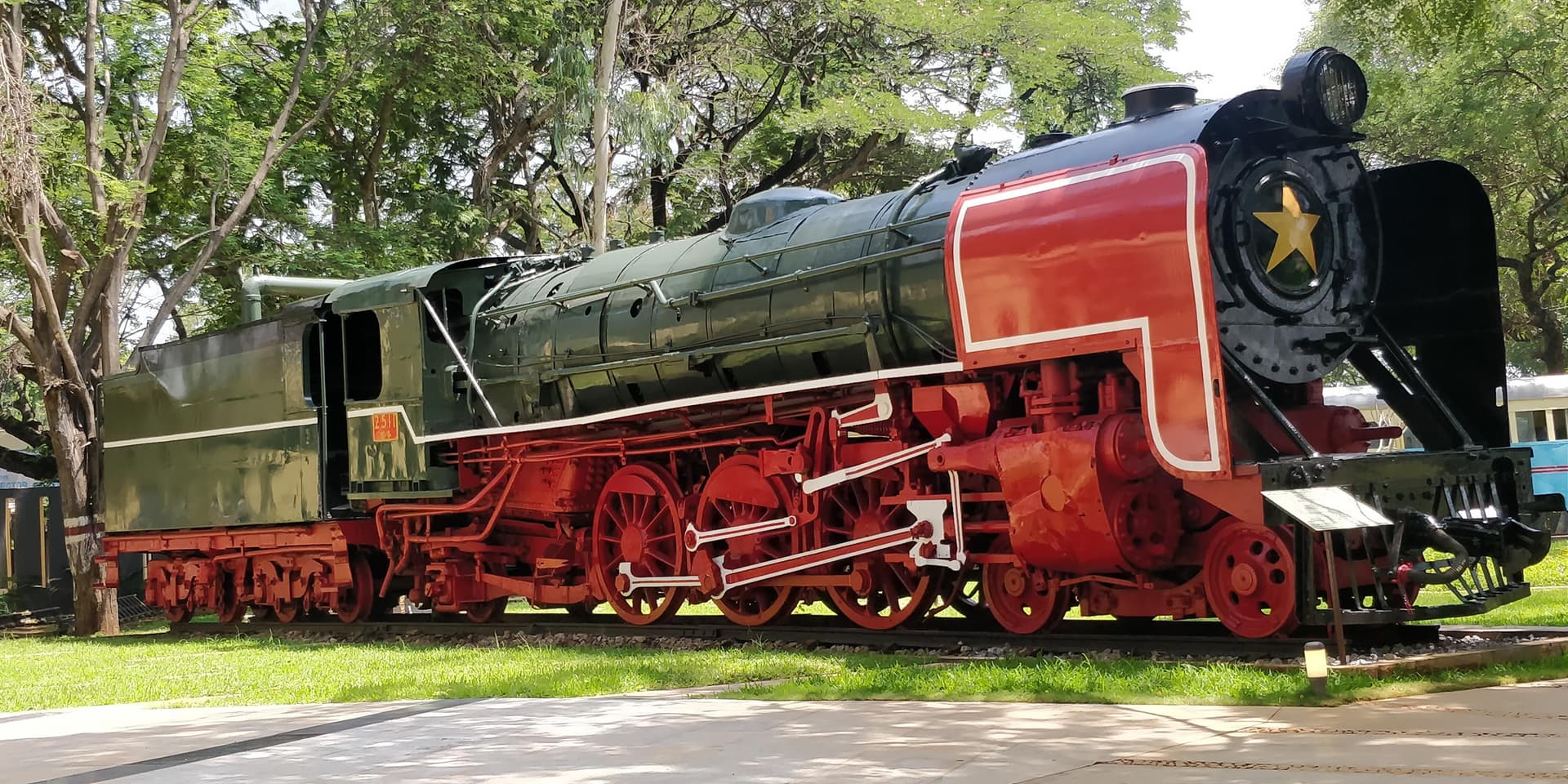
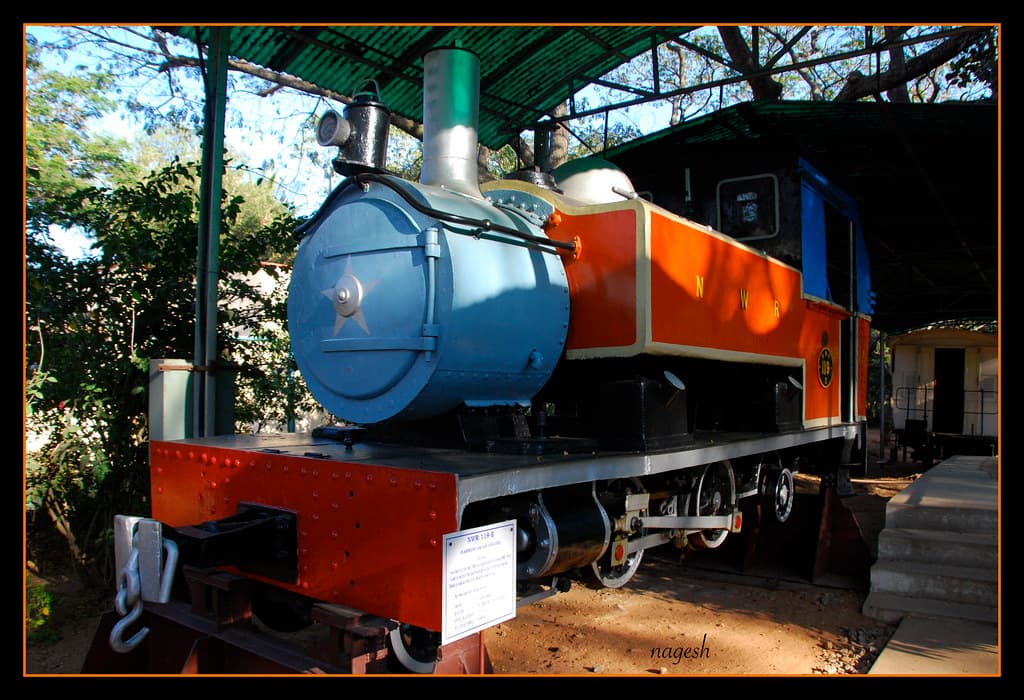
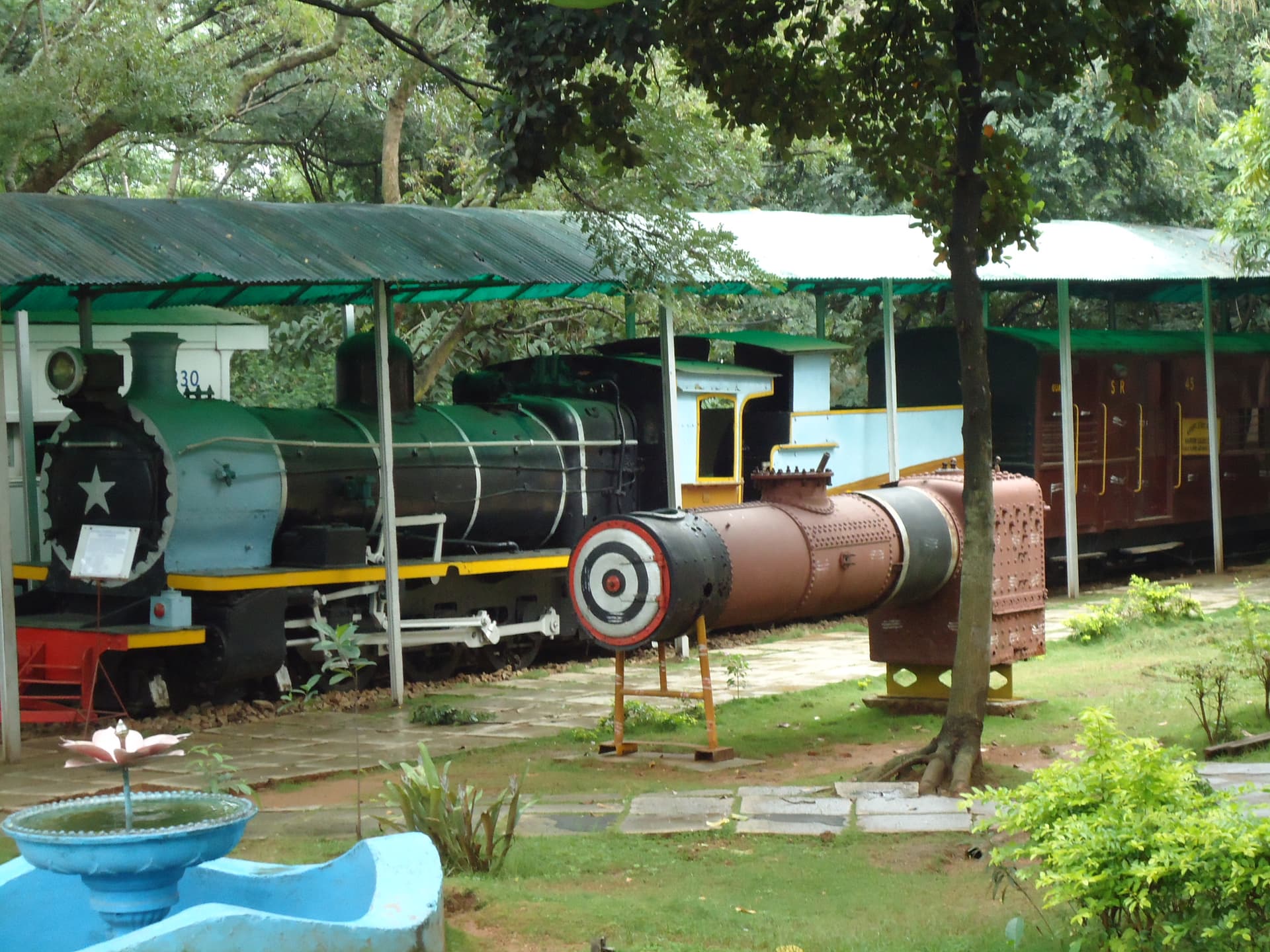
Outdoor Display: The outdoor section of the museum features a collection of vintage locomotives, carriages, and other railway equipment displayed on a railway track, showcasing the evolution of railway technology.
Key Features and Attractions:
Vintage Locomotives: The museum houses several old locomotives, including steam engines and early diesel engines. These exhibits highlight the technological advancements in railway engines over the decades.
Carriages and Coaches: The collection includes historical passenger carriages and coaches, some of which were used by Indian royalty and colonial officials. These exhibits provide a glimpse into the travel experiences of different eras.
Railway Artifacts: The museum displays a range of railway-related artifacts, including signaling equipment, uniforms, and documents that reflect the operational aspects of the railways.
Model Trains: Scale models and dioramas depict various aspects of railway operations and infrastructure, providing an educational and interactive experience for visitors.
Cultural Heritage:
The Railway Museum represents the cultural and technological heritage of the Indian railways. It reflects the impact of railways on Indian society, including its role in economic development, connectivity, and cultural exchange. The museum also highlights the role of railways in the colonial and post-colonial periods, showcasing the evolution of railway technology and infrastructure.
Nearby Attractions:
Mysore Palace: A grand example of Mughal and Indian architecture, located a short distance from the museum, offering insights into the royal heritage of Mysore.
Chamundi Hill: A prominent hill with a temple dedicated to the goddess Chamundeshwari, providing panoramic views of Mysore.
St. Philomena's Church: An impressive neo-gothic church known for its stained glass windows and towering spires.

Leave the planning to a local expert
Accommodation and Stays:
Luxury Hotels: Options such as The Windflower Resort and Radisson Blu Plaza Hotel offer luxurious stays with convenient access to the museum and other attractions.
Mid-range Hotels: Several mid-range hotels provide comfortable accommodations at reasonable prices.
Budget Lodging: Budget hotels and guesthouses offer economical lodging options for travelers.
Tips for Visitors:
Best Time to Visit: The museum is best visited during the cooler months from October to March. Weekdays are generally less crowded than weekends.
Guided Tours: Taking a guided tour can enhance the experience by providing detailed information about the exhibits and the history of Indian railways.
Photography: Photography is allowed in most areas of the museum, but be mindful of any restrictions on certain exhibits.
Conclusion:
The Railway Museum in Mysore offers a comprehensive and engaging exploration of the history and development of Indian railways. Its diverse collection of vintage locomotives, carriages, and railway artifacts provides valuable insights into the technological and cultural evolution of rail transport in India. The museum stands as a tribute to the role of railways in shaping the nation’s history and continues to attract visitors with its rich heritage and interactive exhibits.