
Pandav Leni
Overview
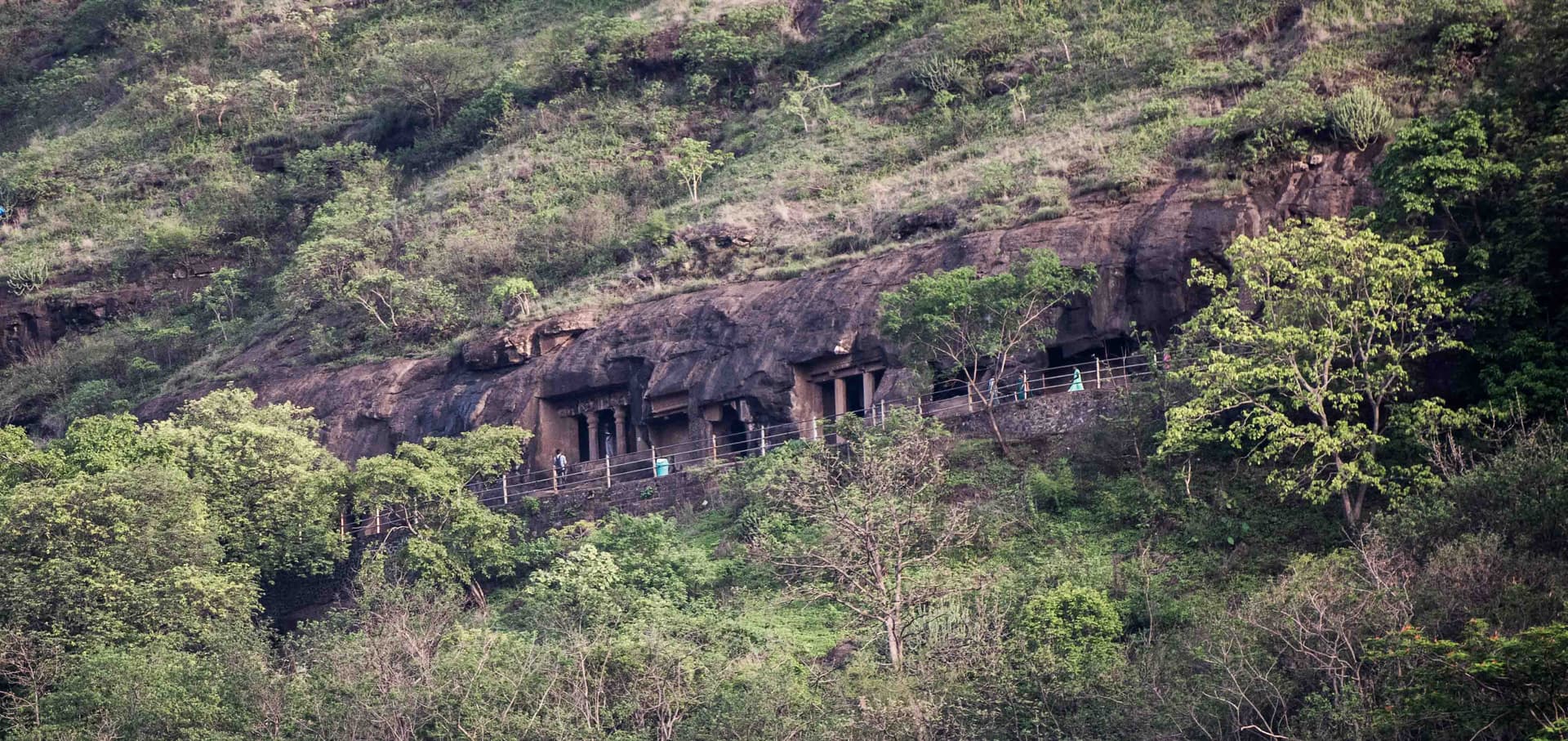
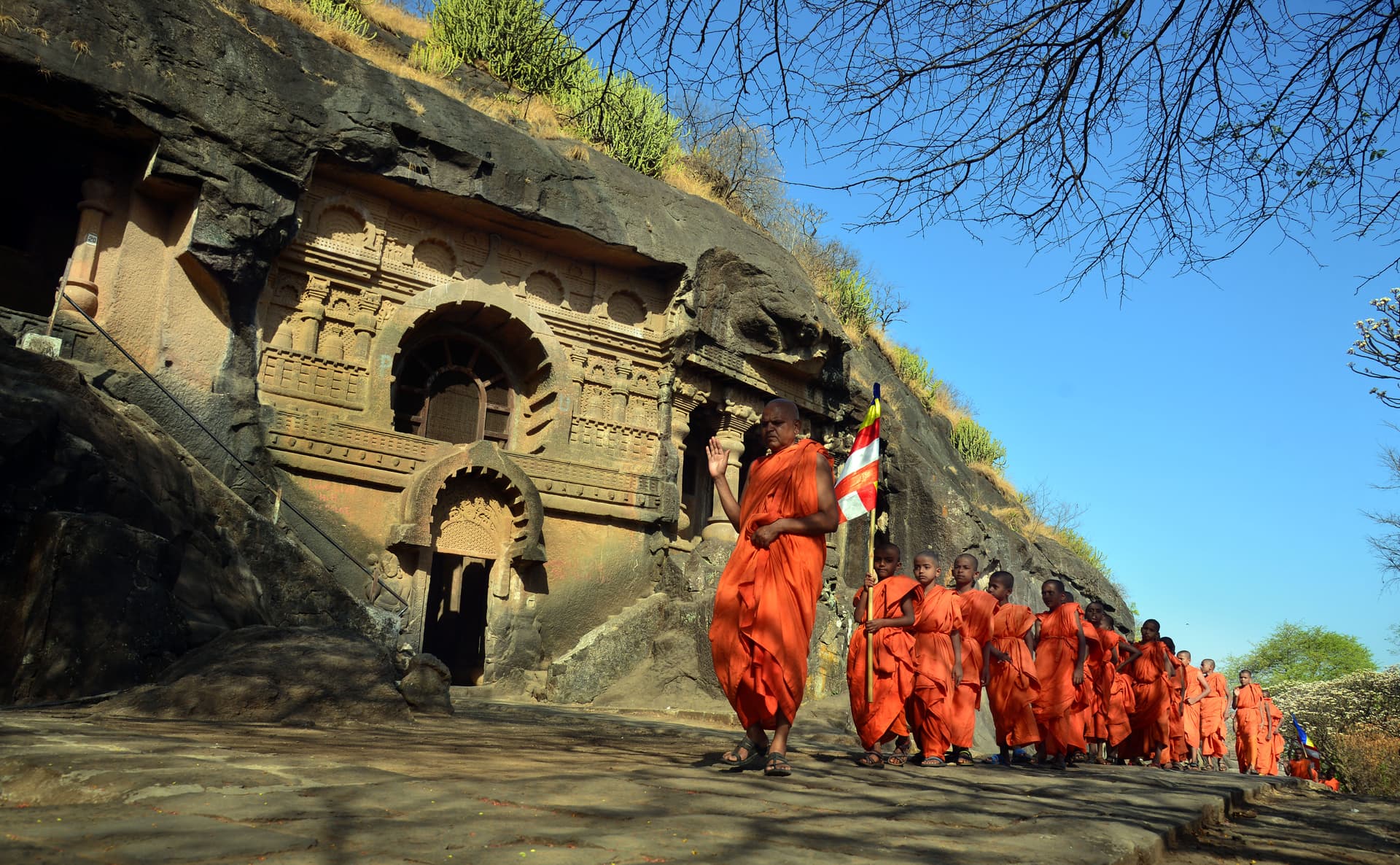
A collection of historic rock-cut caverns called Pandav Leni, sometimes called Pandavleni caverns or Trirashmi Caves, are situated in Maharashtra, India, not far from Nashik. These caverns are a well-liked tourist, historical, and pilgrimage site because of their great historical, religious, and architectural significance.
Label: Must visit
How to reach: Bike, bus, taxi, auto
Timings: 8:00 AM to 6:00 PM
Time Required: 2 hours
Entry Fee: Free
Key Features
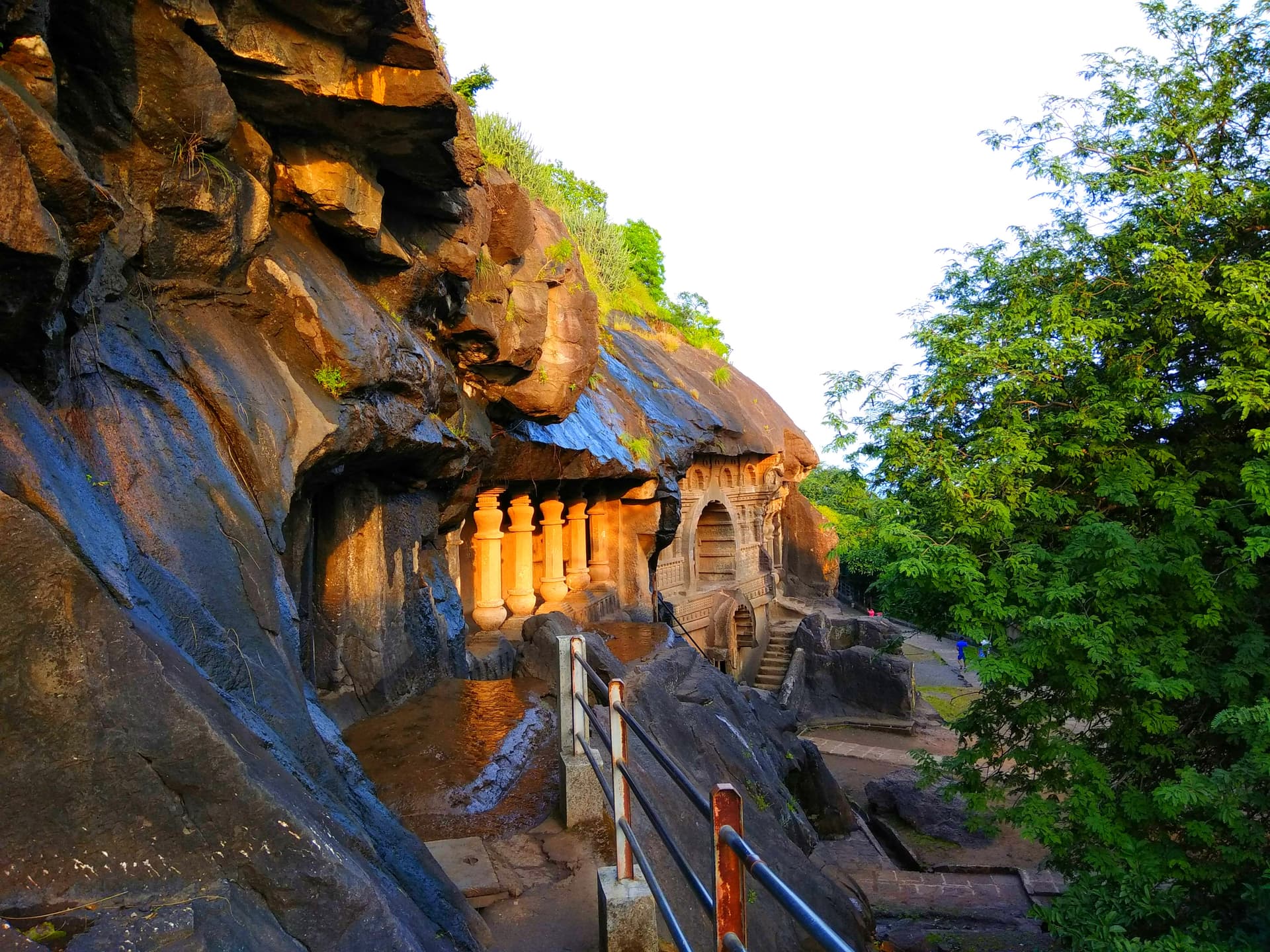
Historical Significance: The Pandav Leni caves date back to between the 3rd century BCE and the 2nd century CE. These caves were primarily built during the reign of the Satavahana and Kshaharata dynasties and are associated with Buddhism. Contrary to popular belief, the caves are not related to the Pandavas of the Mahabharata.
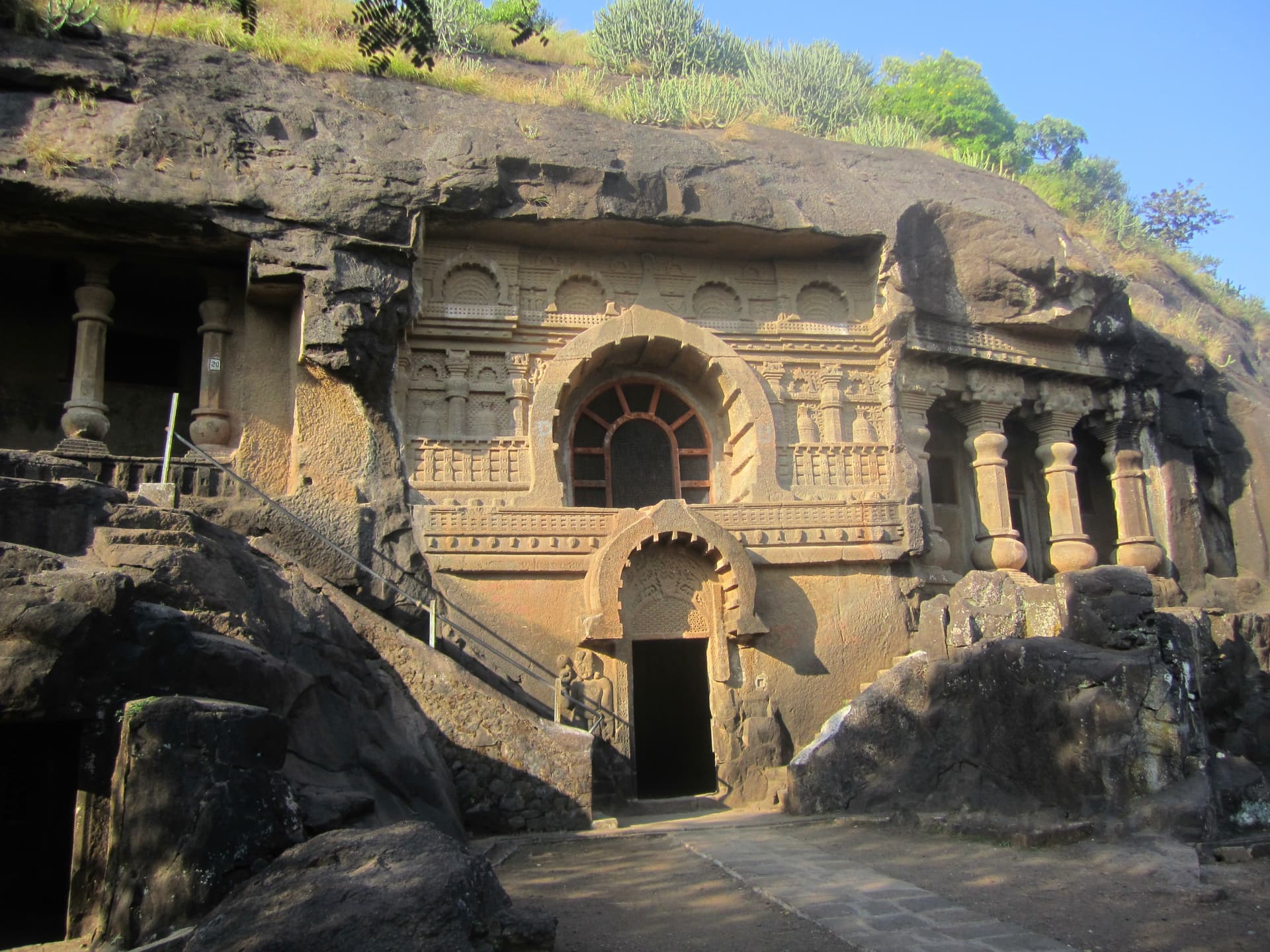
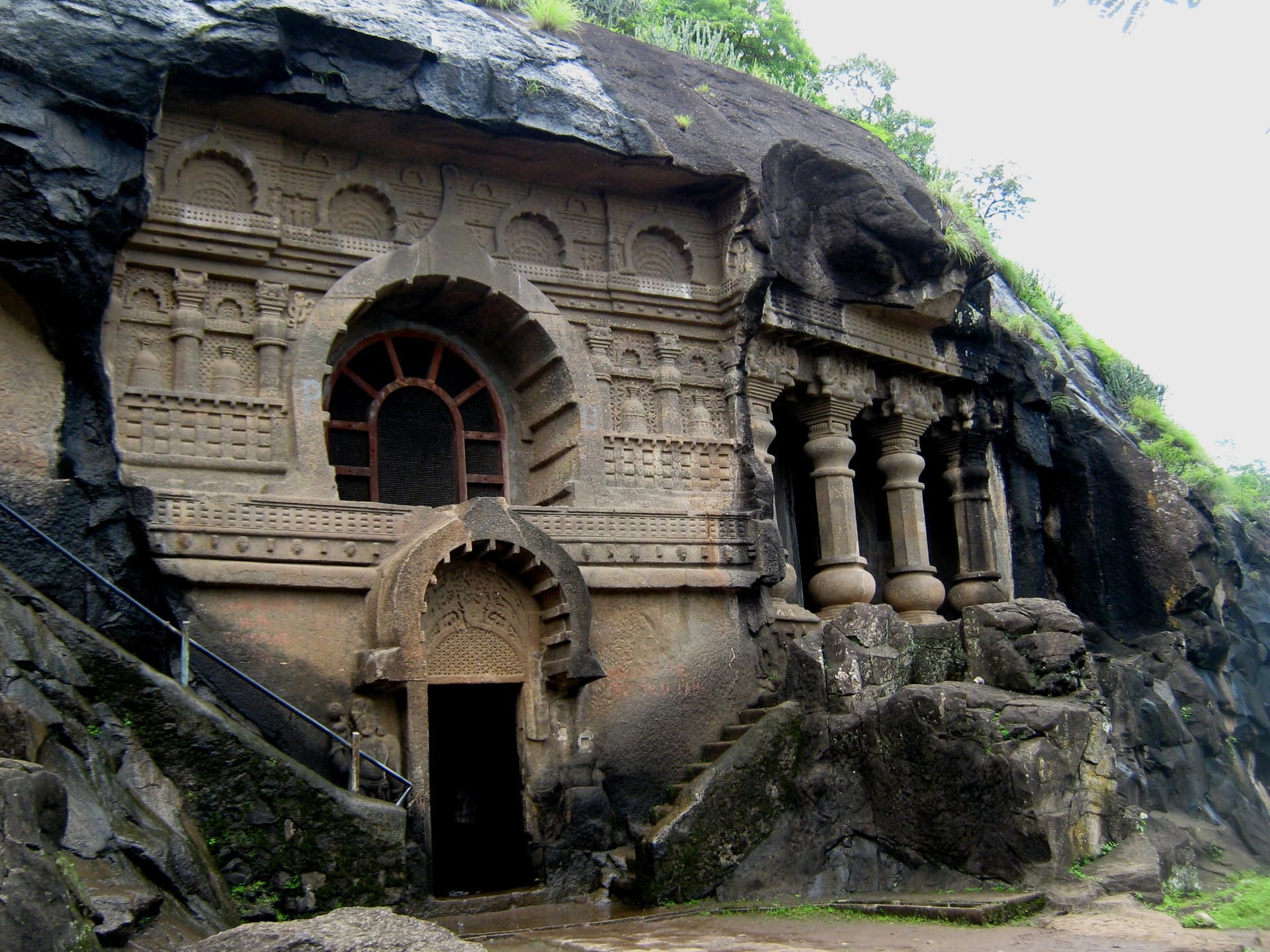
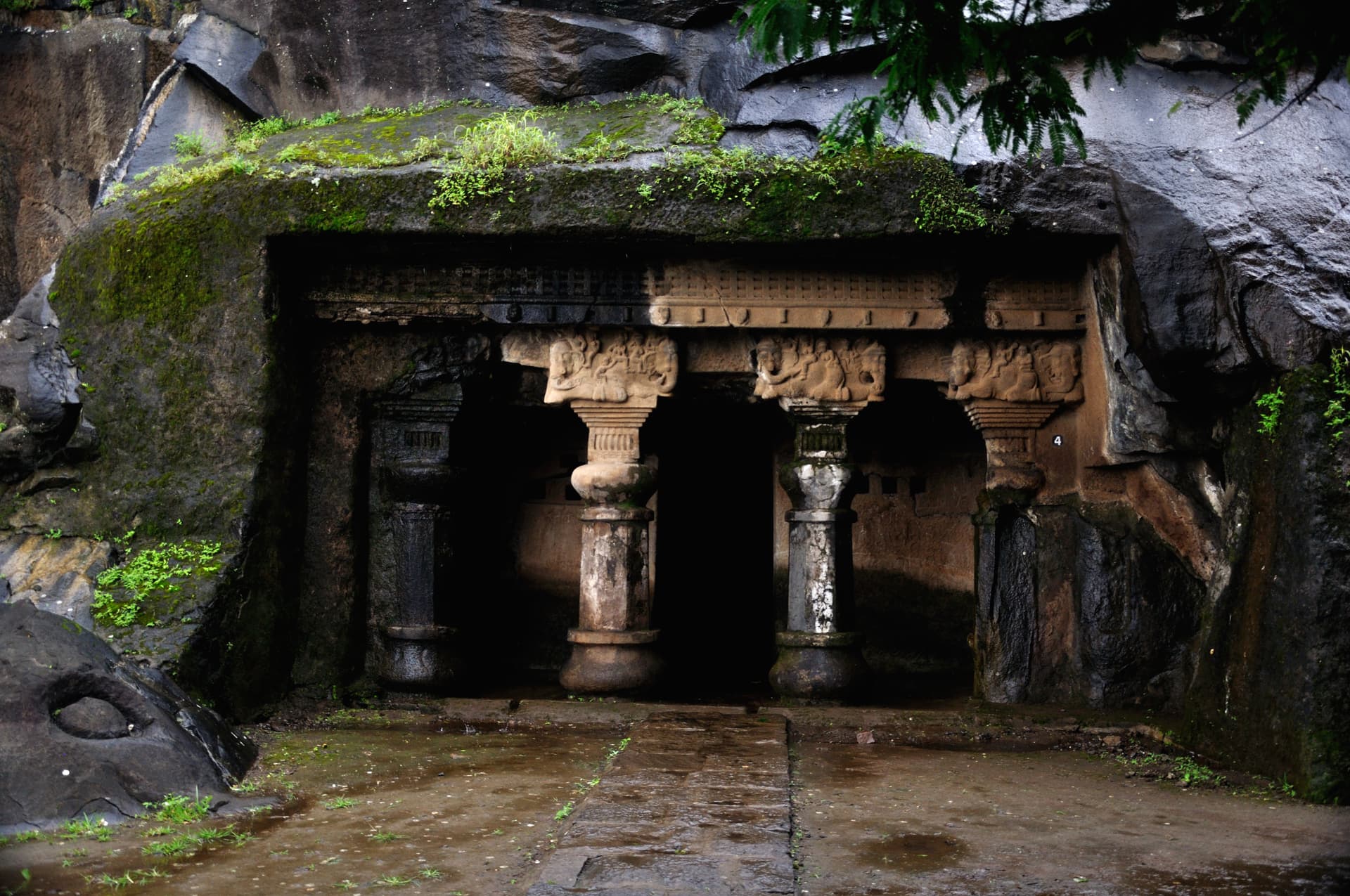
Architecture: The caves are known for their intricate rock-cut architecture, which includes viharas (monastic halls) and chaityas (prayer halls). The caves feature beautifully carved sculptures, intricate stone carvings, inscriptions in Brahmi script, and stupas. Some of the notable caves include Cave 3, which is a large chaitya with a stupa, and Cave 10, which has an elaborate facade and a large central hall.
Inscriptions and Sculptures: Several caves have inscriptions in Brahmi script, which provide valuable information about the patronage and history of the caves. The sculptures depict various Buddhist deities, including Buddha and Bodhisattvas, and scenes from Buddha's life, showcasing the artistic and cultural richness of the period.
Spiritual Ambiance: Pandav Leni is not only an architectural marvel but also a place of spiritual significance. The serene ambiance of the caves, combined with the tranquility of the surroundings, makes it an ideal spot for meditation and reflection.
Nearby Attractions
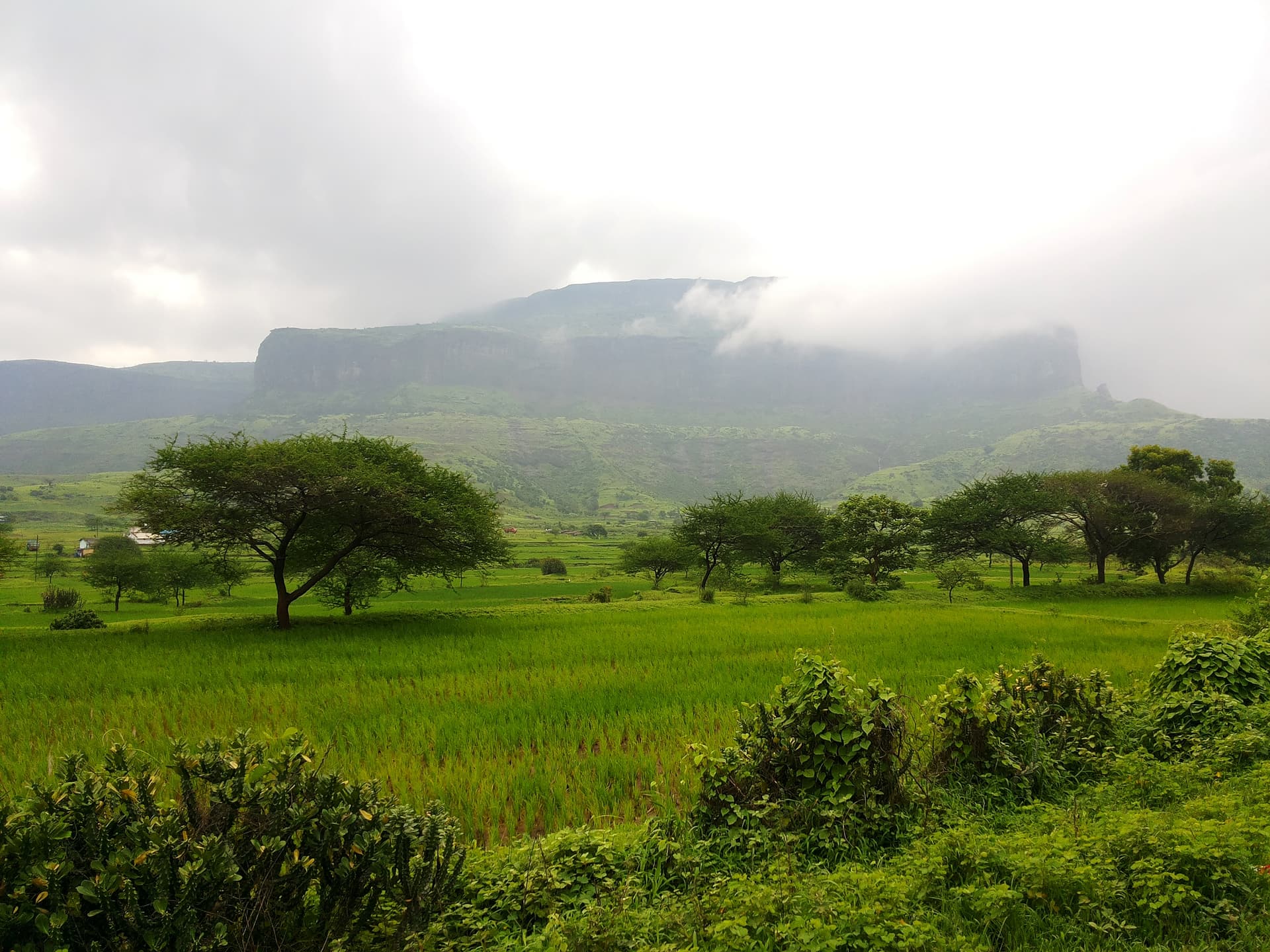
Anjaneri Hills: Located a short distance from Pandav Leni, Anjaneri Hills is believed to be the birthplace of Lord Hanuman. It offers trekking opportunities and panoramic views of the surrounding landscape, making it a popular spot for nature lovers and adventure enthusiasts.
Trimbakeshwar Temple: About 30 kilometers from Pandav Leni, Trimbakeshwar Temple is one of the twelve Jyotirlingas dedicated to Lord Shiva. The temple is an important pilgrimage site and a significant cultural landmark.
Coin Museum: Situated near Nashik, the Coin Museum offers a fascinating insight into India's numismatic history. The museum has a vast collection of coins from different eras, along with exhibits on coin minting techniques and the history of currency in India.
Sula Vineyards: Nashik is known as the Wine Capital of India, and Sula Vineyards is one of the most famous wineries in the region. Visitors can enjoy wine tours, tastings, and a relaxing time amidst the picturesque vineyards.
Best Time to Visit
The best time to visit Pandav Leni is during the winter months, from October to March, when the weather is pleasant and conducive to sightseeing. During this period, the temperature ranges from 10°C to 25°C, making it ideal for exploring the caves and the nearby attractions. The monsoon season, from June to September, brings lush greenery to the region but can also make the terrain slippery and difficult to navigate. The summer months, from April to June, can be quite hot, with temperatures soaring above 35 °C, which may not be comfortable for outdoor activities.

Leave the planning to a local expert
Conclusion
Pandav Leni is a testament to the rich historical and cultural heritage of Maharashtra. The intricate rock-cut caves, adorned with ancient inscriptions and sculptures, offer a glimpse into the Buddhist legacy of the region. The serene ambiance and spiritual significance of the caves make them a perfect destination for both history enthusiasts and those seeking tranquility. Combined with nearby attractions such as Anjaneri Hills, Trimbakeshwar Temple, and Sula Vineyards, a visit to Pandav Leni promises a diverse and enriching experience. Whether you are drawn by the historical intrigue, the architectural splendor, or the natural beauty, Pandav Leni stands as a remarkable destination that should not be missed when exploring Maharashtra.