
Sita Gufa
Overview
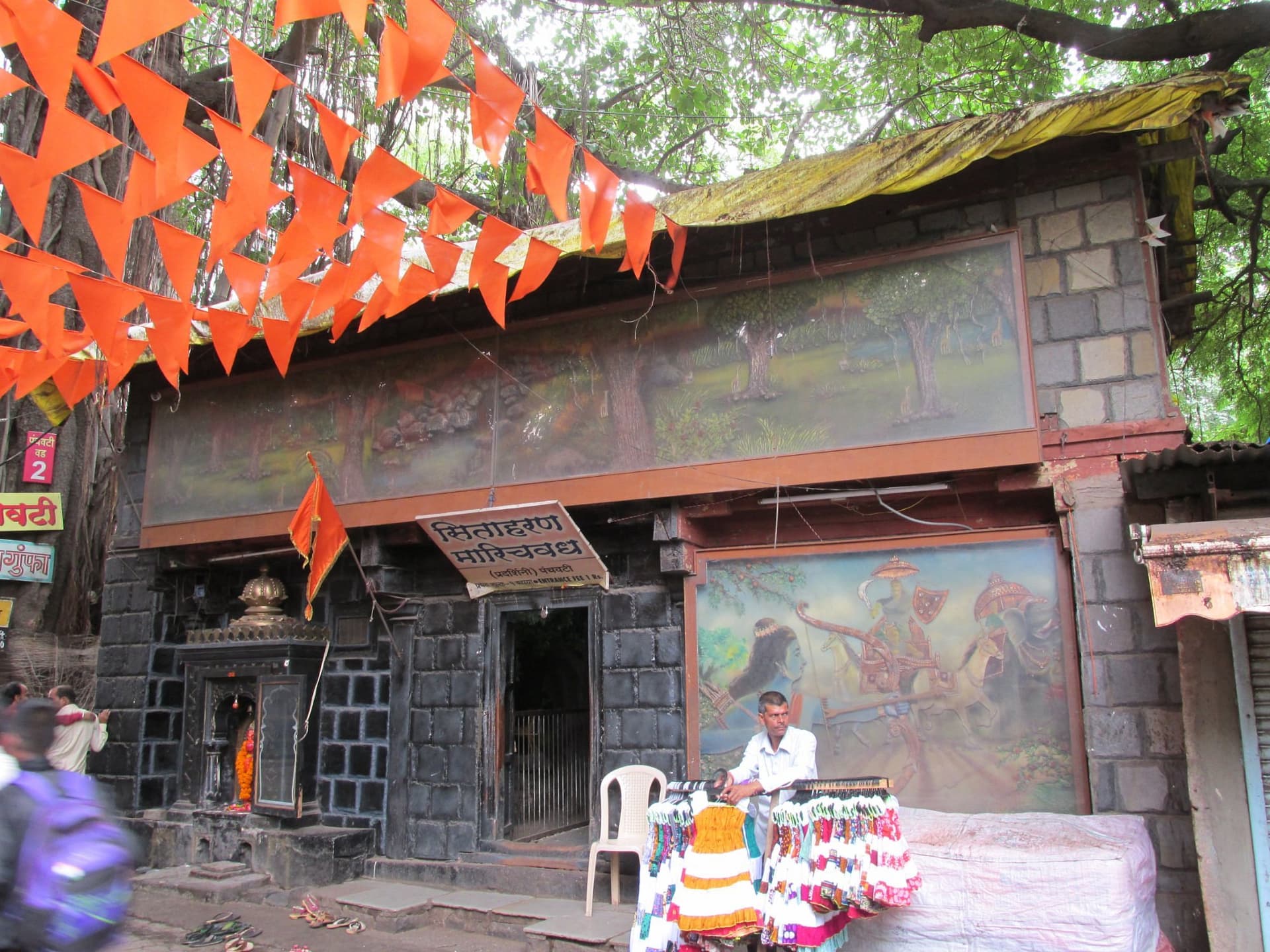
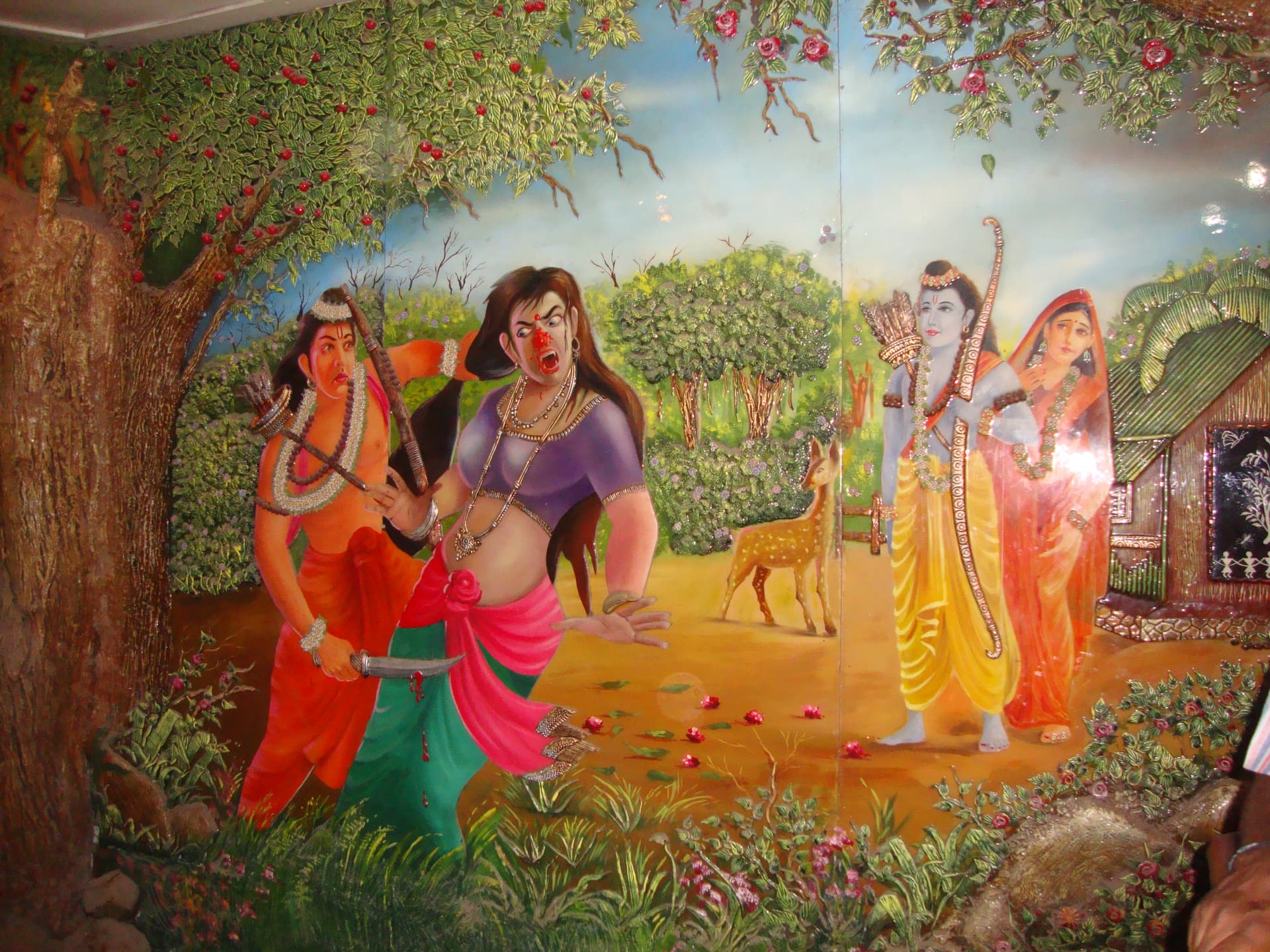
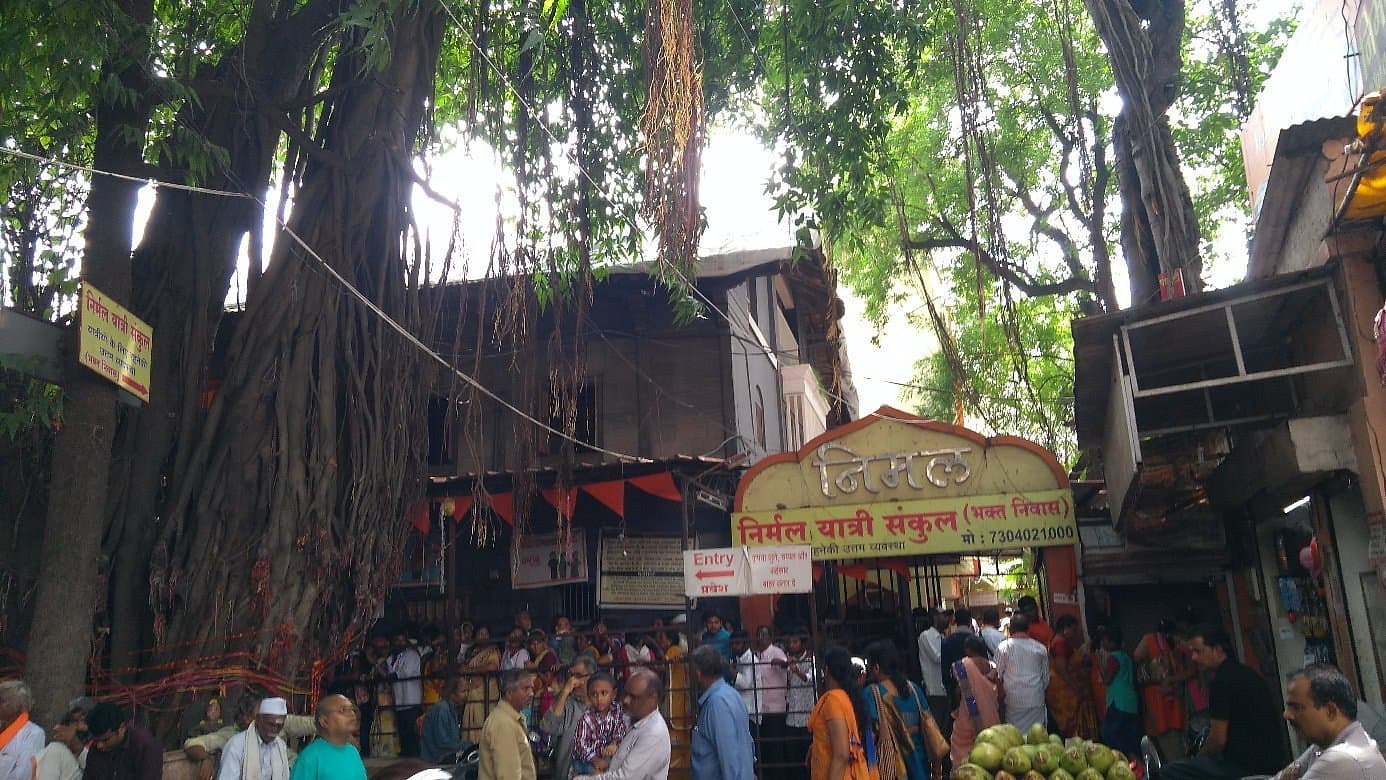
Sita Gufa, also known as Sita Cave, is a cherished and historic landmark in Nashik, Maharashtra. Sita Gufa, nestled among the magnificent surroundings of this historic city, has a particular position in Hindu mythology and continues to draw pilgrims, history buffs, and visitors alike. The cave is steeped in folklore and spiritual importance, making it a one-of-a-kind attraction for those interested in Nashik's rich cultural and historical tapestry.
Label: Religious
How to reach: Bike, bus, taxi
Timings: 6:30 AM to 7:00 PM
Time Required: 2 hours
Entry Fee: INR 30
Key Features
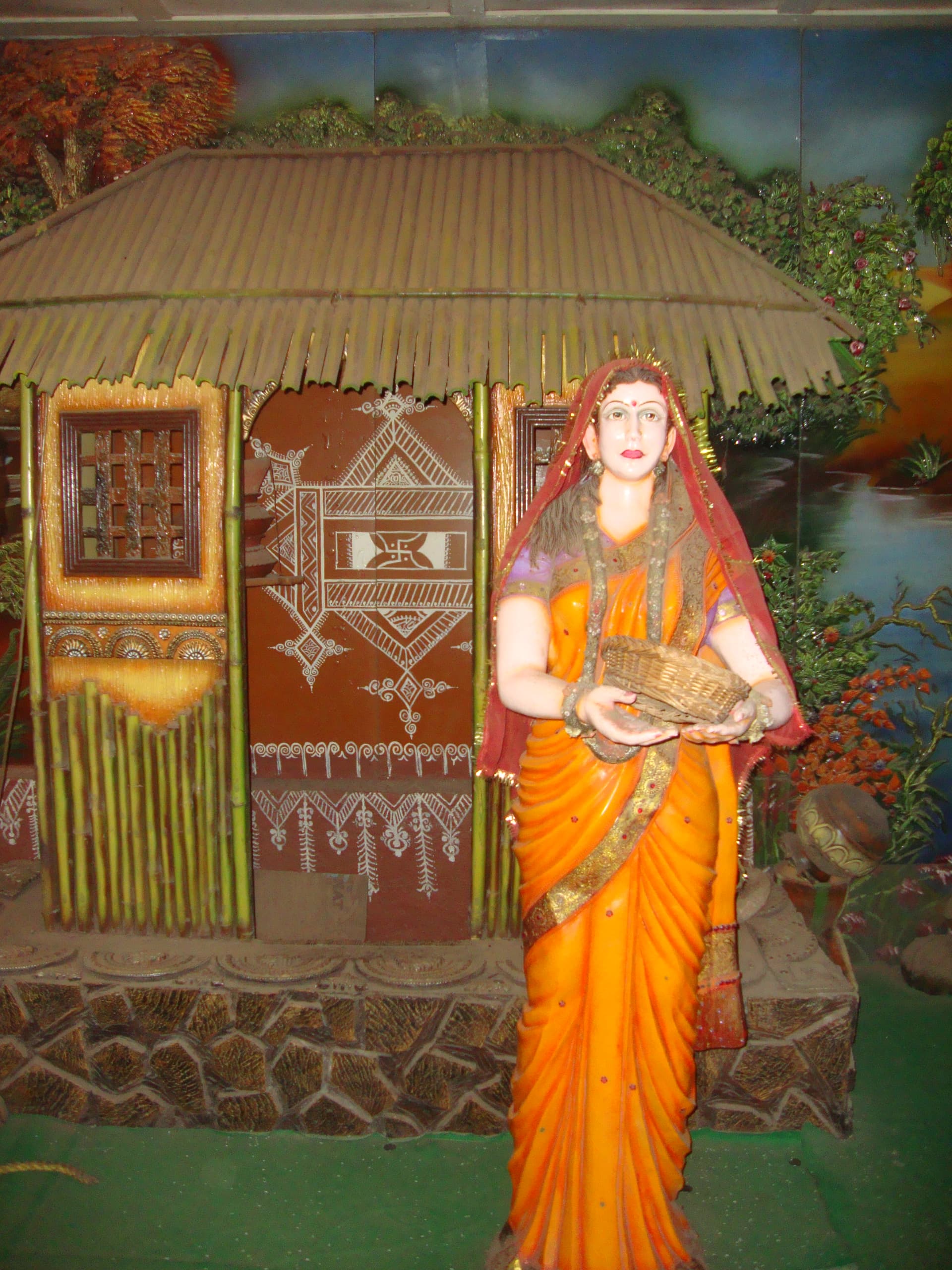
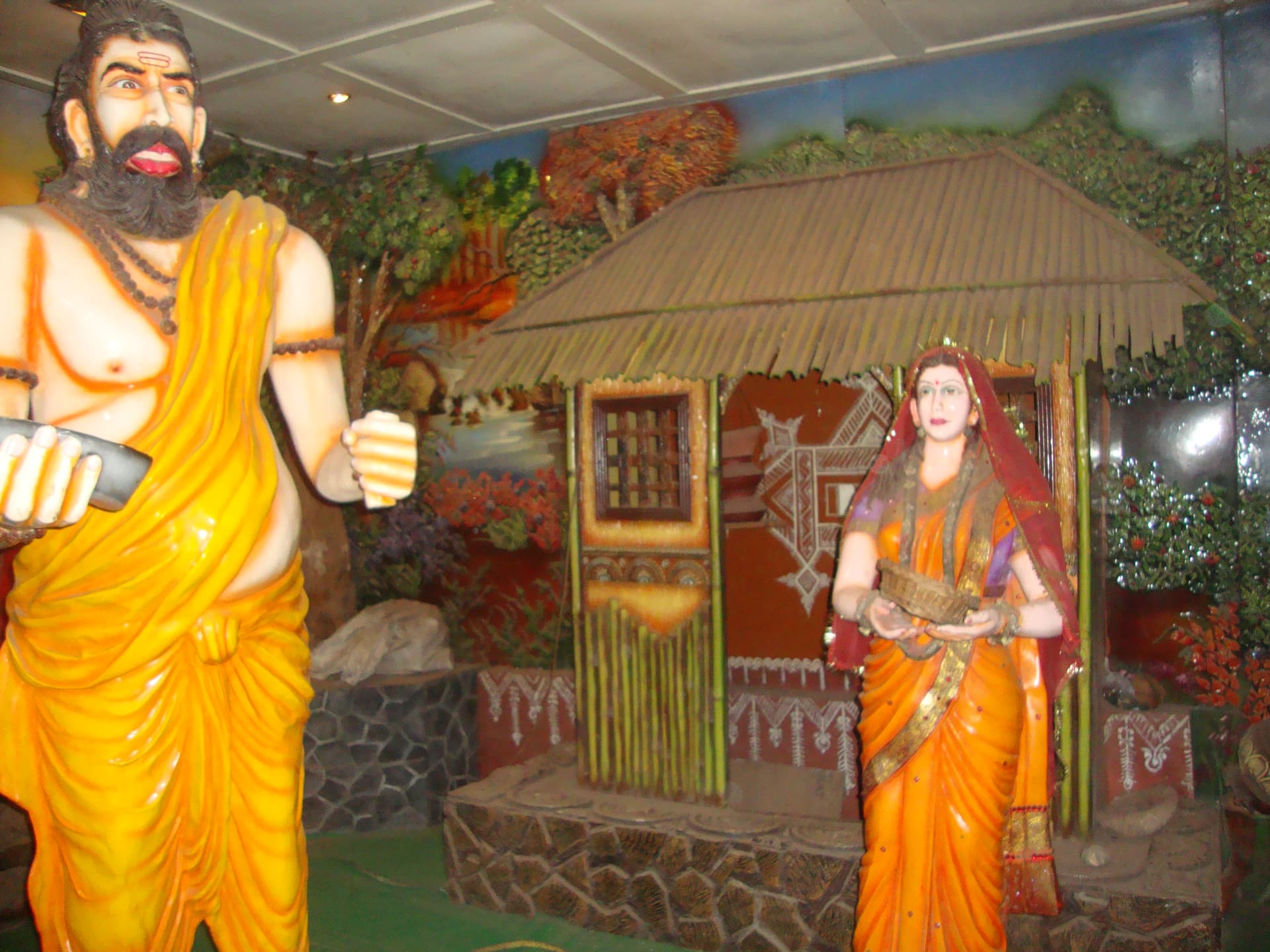
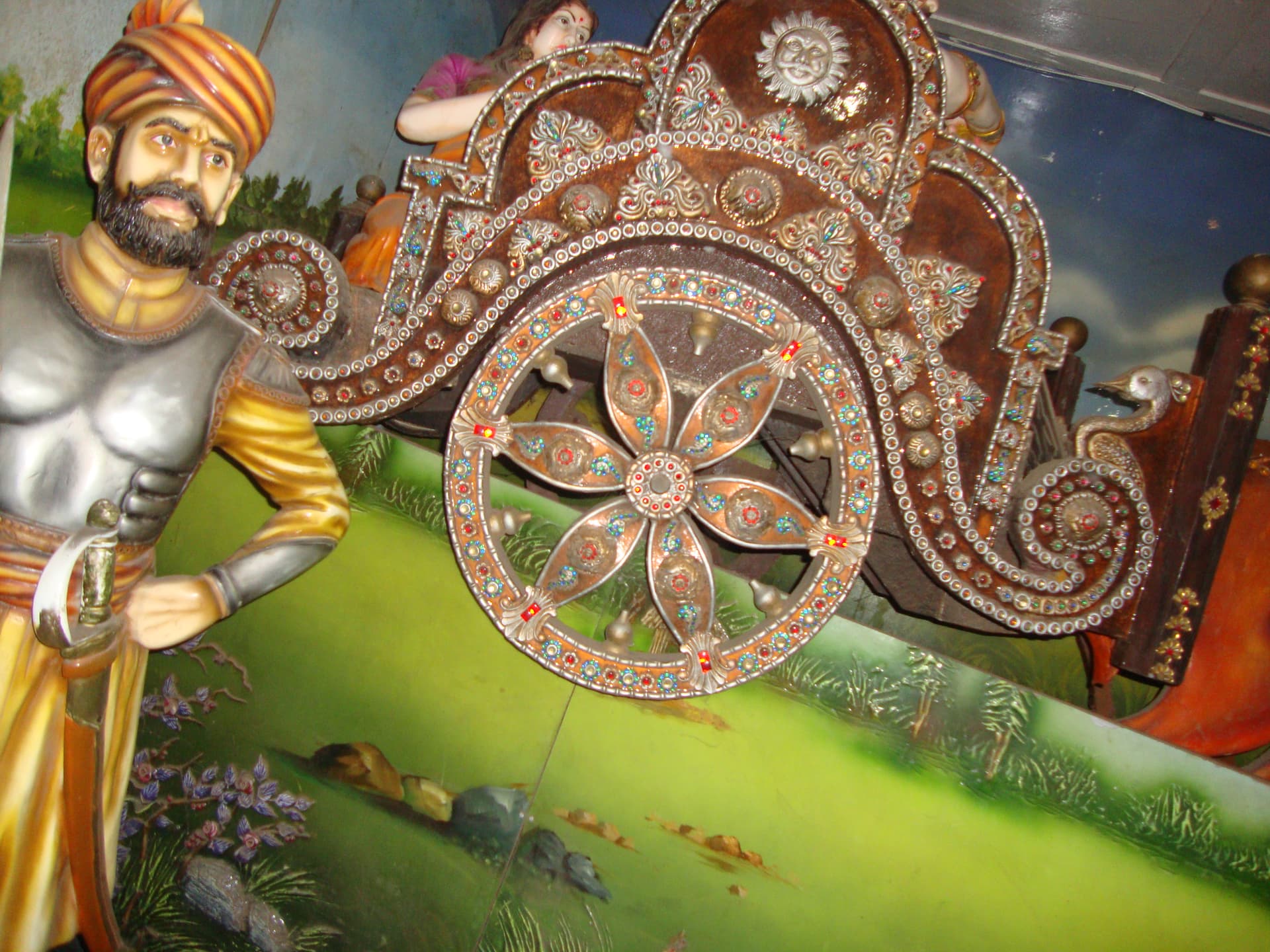
Mythological Significance: Sita Gufa is intricately linked to the epic Ramayana. According to legend, this cave is where Sita, the wife of Lord Rama, was abducted by the demon king Ravana. The cave houses idols of Lord Rama, Sita, and Lakshman and is believed to be the very spot from which Sita was taken away. The site is a poignant reminder of the epic's dramatic narrative and is revered by devotees of the Ramayana.
Architectural and Artistic Aspects: The cave is a modest yet significant site with simple interiors that echo the antiquity of the period. It features basic carvings and inscriptions that reflect the art and architectural style of ancient times. Despite its simplicity, the cave's spiritual ambiance and historical significance overshadow its physical modesty.
Sacred Pond: Adjacent to the cave is a small, sacred pond that adds to the site's spiritual allure. Pilgrims often bathe in the pond as part of their religious rituals, believing it to be imbued with divine blessings. The pond enhances the overall tranquility and sacred atmosphere of the site.
Nearby Attractions
Ramkund: Located about 1 kilometer from Sita Gufa, Ramkund is a prominent sacred bathing ghat on the banks of the Godavari River. It is believed that Lord Rama used to bathe here during his exile. The ghat is a major pilgrimage site where devotees come to cleanse their sins and perform rituals.
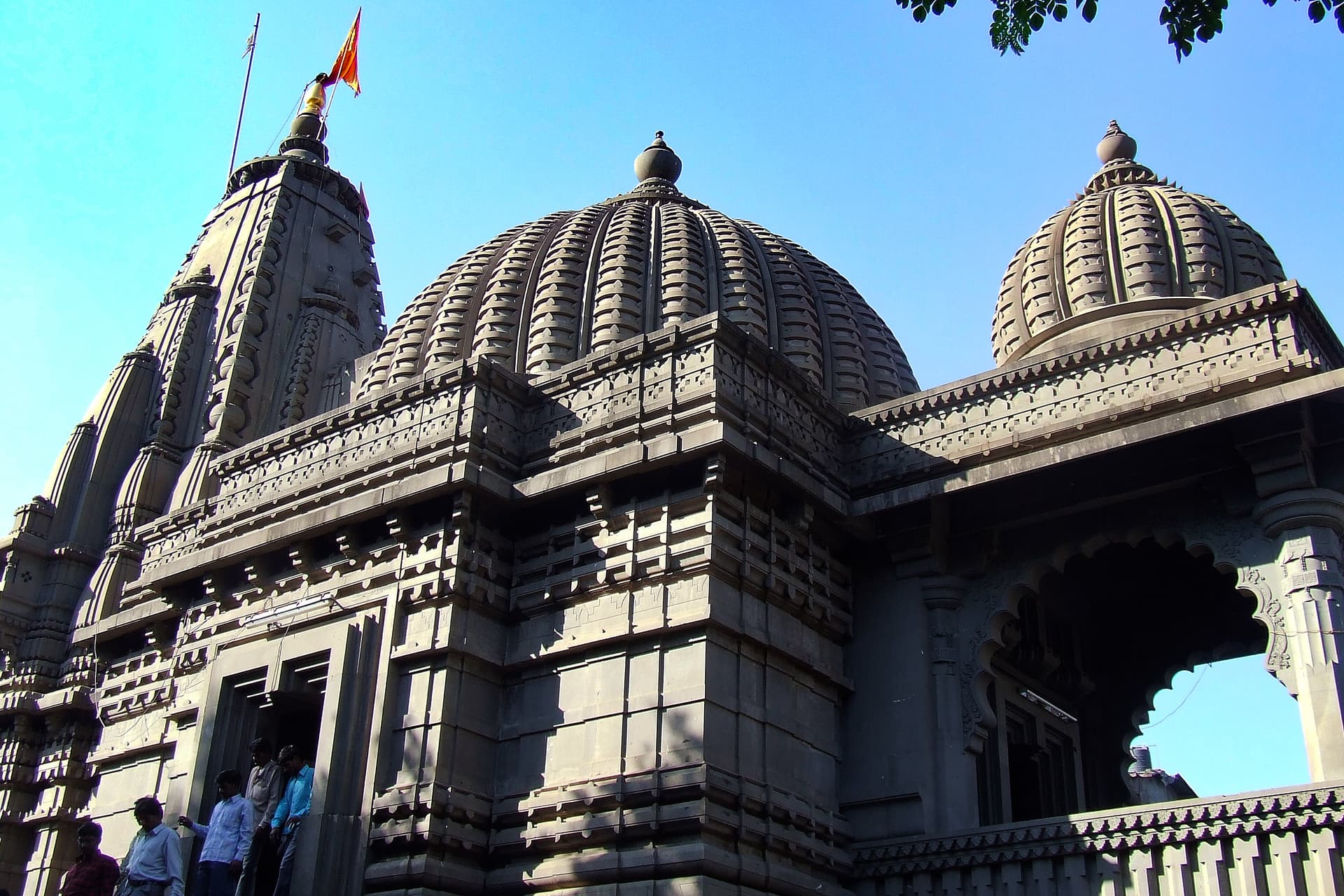
Kalaram Mandir: Approximately 2 kilometers from Sita Gufa, Kalaram Mandir is a significant temple dedicated to Lord Rama. Constructed of black stone, the temple houses a black idol of Rama and is known for its architectural beauty and vibrant festivals, including Ram Navami.
Pandav Leni: Located about 8 kilometers from Nashik, Pandav Leni consists of ancient rock-cut caves dating back to the 1st century BC. These caves feature intricate carvings and sculptures and provide a fascinating glimpse into early Buddhist architecture.
Anjaneri Hills: Around 15 kilometers from Sita Gufa, Anjaneri Hills is believed to be the birthplace of Lord Hanuman. The hills are a popular trekking destination, offering stunning views, lush greenery, and a serene environment.
Best Time to Visit
The best time to visit Sita Gufa is between October and March. During these months, the weather in Nashik is cooler and more comfortable, making it ideal for exploring the cave and nearby attractions. Visiting during major festivals related to the Ramayana, such as Ram Navami, can provide a richer cultural experience, as the site will be bustling with religious activities and ceremonies.

Leave the planning to a local expert
Conclusion
Sita Gufa stands as a significant and spiritually enriching destination in Nashik, offering a unique blend of mythological significance, historical intrigue, and serene beauty. The cave’s association with the Ramayana and its tranquil surroundings make it a cherished site for devotees and visitors seeking a deeper connection with India’s ancient epic.
Visiting Sita Gufa during the cooler months of October to March ensures a pleasant exploration of this revered site and its surroundings. The cave’s simplicity, combined with its profound historical and spiritual context, makes it a compelling destination for anyone interested in India’s rich mythological and cultural tapestry.