
Culture
Discover Phuket's Rich History and Culture
5 minutes
25th June 2024
 by Malayanur Rohit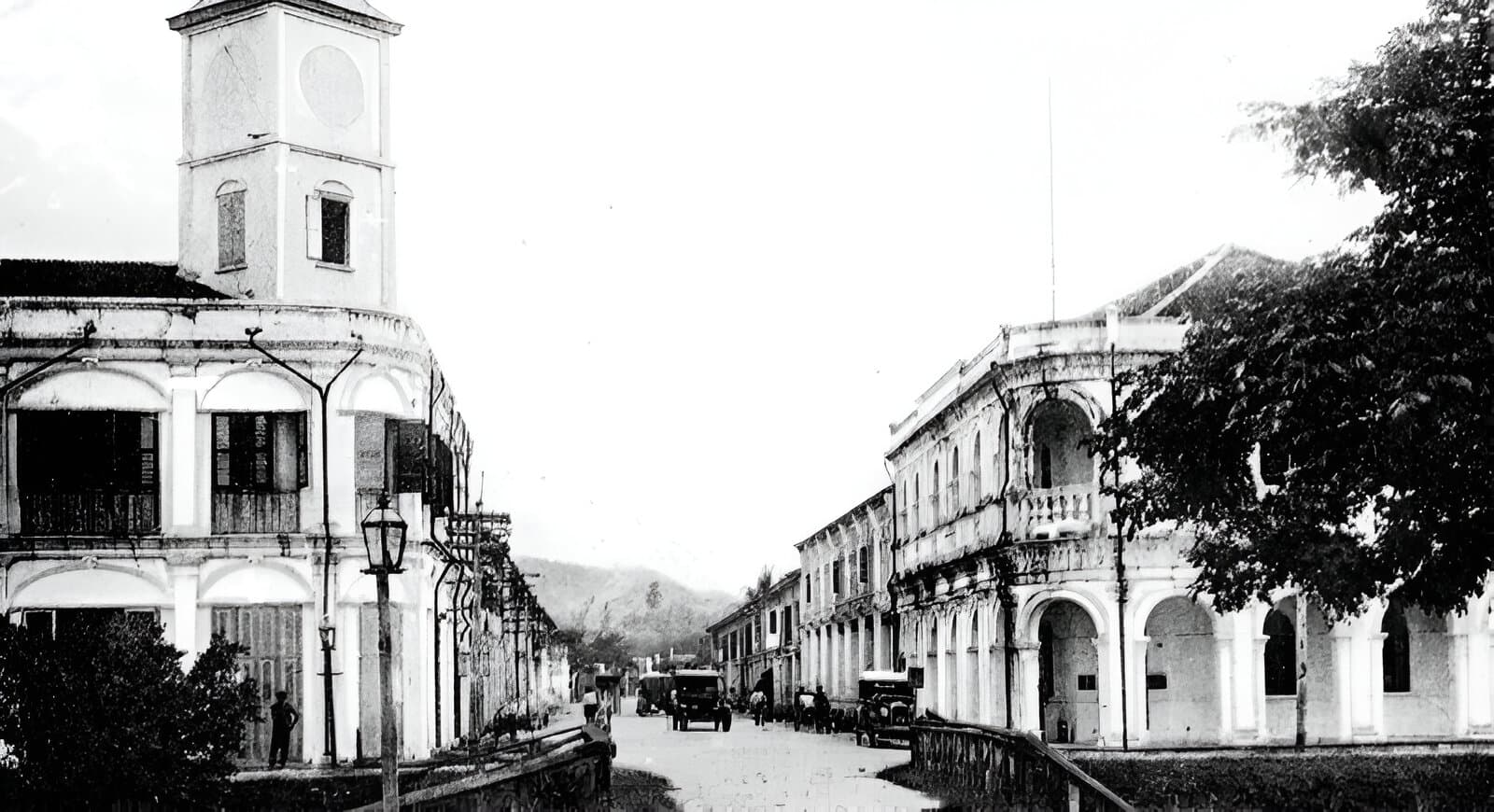
A journey through time
Phuket, Thailand's biggest island, is a tropical paradise renowned for its clean beaches, opulent resorts, and active nightlife. However, behind its breathtaking natural beauty and modern attractions, there is a rich tapestry of history and culture waiting to be discovered. From ancient temples and historical sites to traditional festivals and local traditions, Phuket's cultural legacy is as enthralling as its natural scenery. Join us on a voyage to learn about Phuket's history and culture, diving into what makes this island distinct.
Ancient Beginnings: The Early Inhabitants
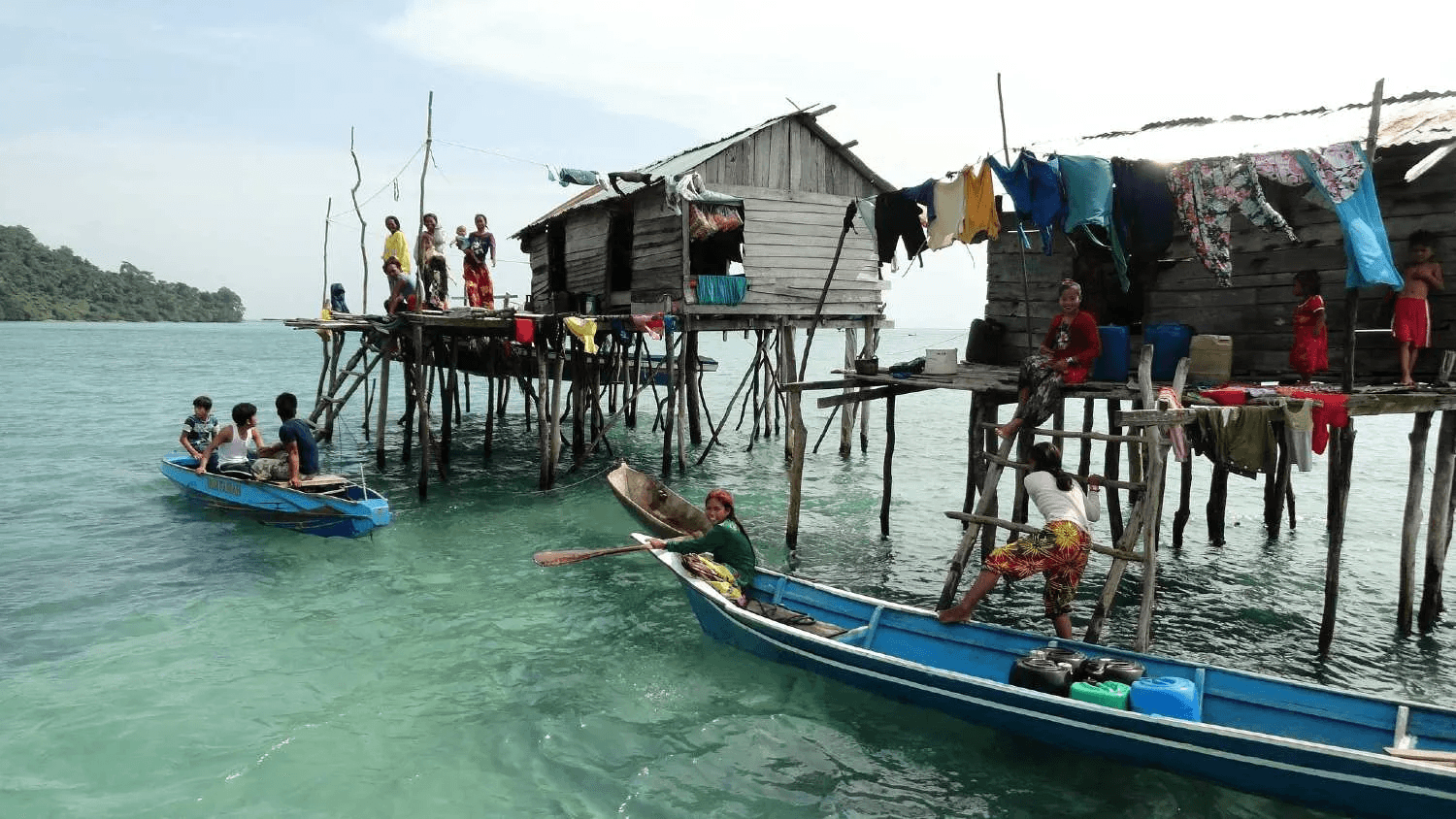
Urak Lawoi - Courtesy of Photographer
Phuket's history spans thousands of years, with evidence indicating that the island was inhabited by sea gipsies and early traders long before it became a popular tourist destination. The indigenous people, known as the Urak Lawoi, continue to reside on the island and practice their ancient practices. These early settlers were largely fishermen, and their presence contributed to the island's thriving marine culture.
The Tin Mining Era: Phuket's Economic Transformation
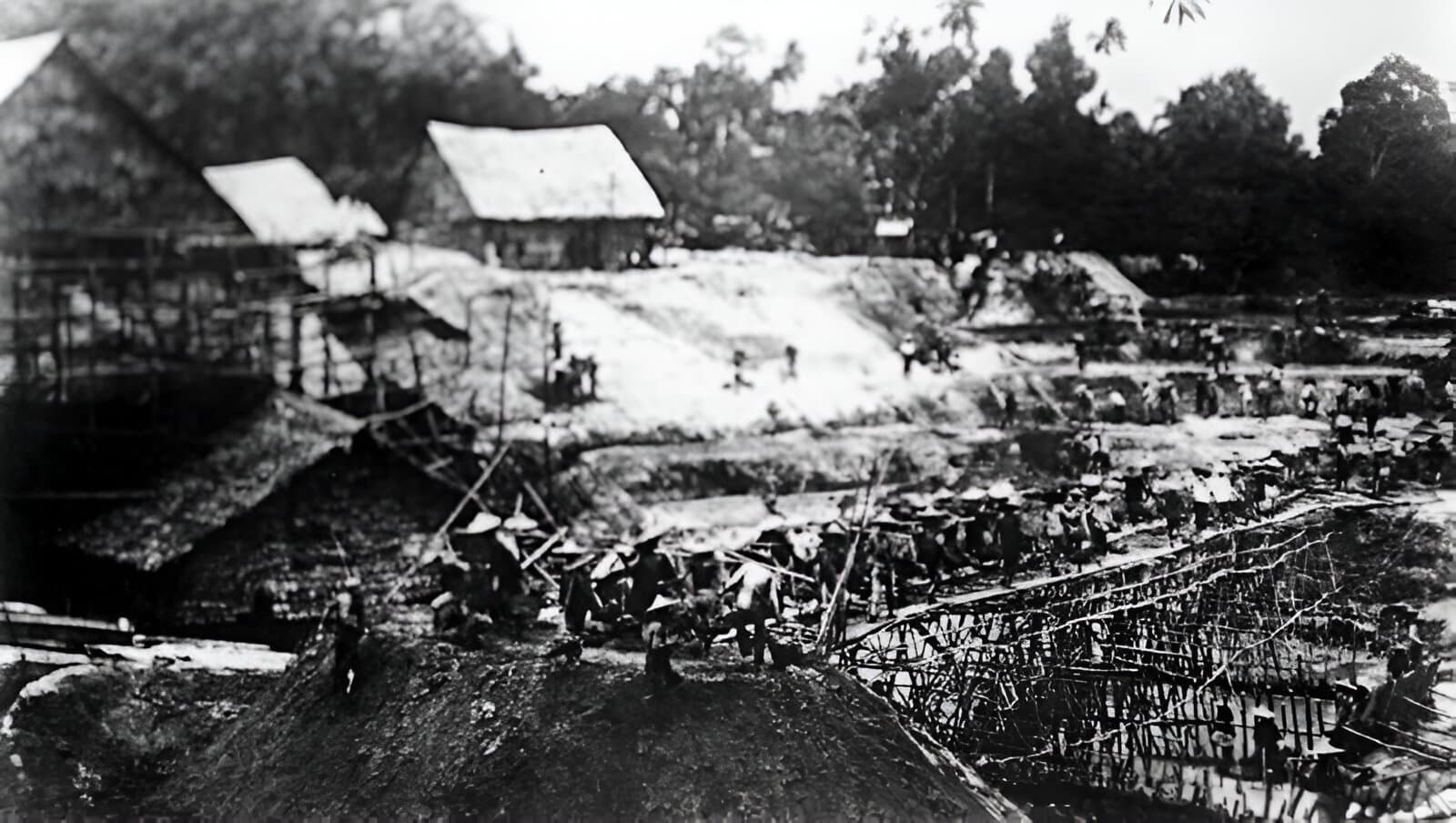
Tin mining in the early days - Courtesy of Photographer
Phuket rose to prominence as a prominent commercial station in the 16th century as a result of its strategic placement on major maritime trade routes. The discovery of tin reserves on the island drew Chinese and European traders, ushering in an era of economic revolution. Chinese immigrants were instrumental in the growth of the tin mining business, bringing with them their culture, customs, and architecture.
Phuket Town, the island's capital, represents this era. The town's streets are dotted with well-preserved Sino-Portuguese structures that exhibit a mix of Chinese and European architectural influences. Walking through Old Phuket Town, visitors may enjoy the colourful shophouses, colonial homes, and elaborate facades that reflect Phuket's varied past.
The Battle of Thalang: A Tale of Heroism
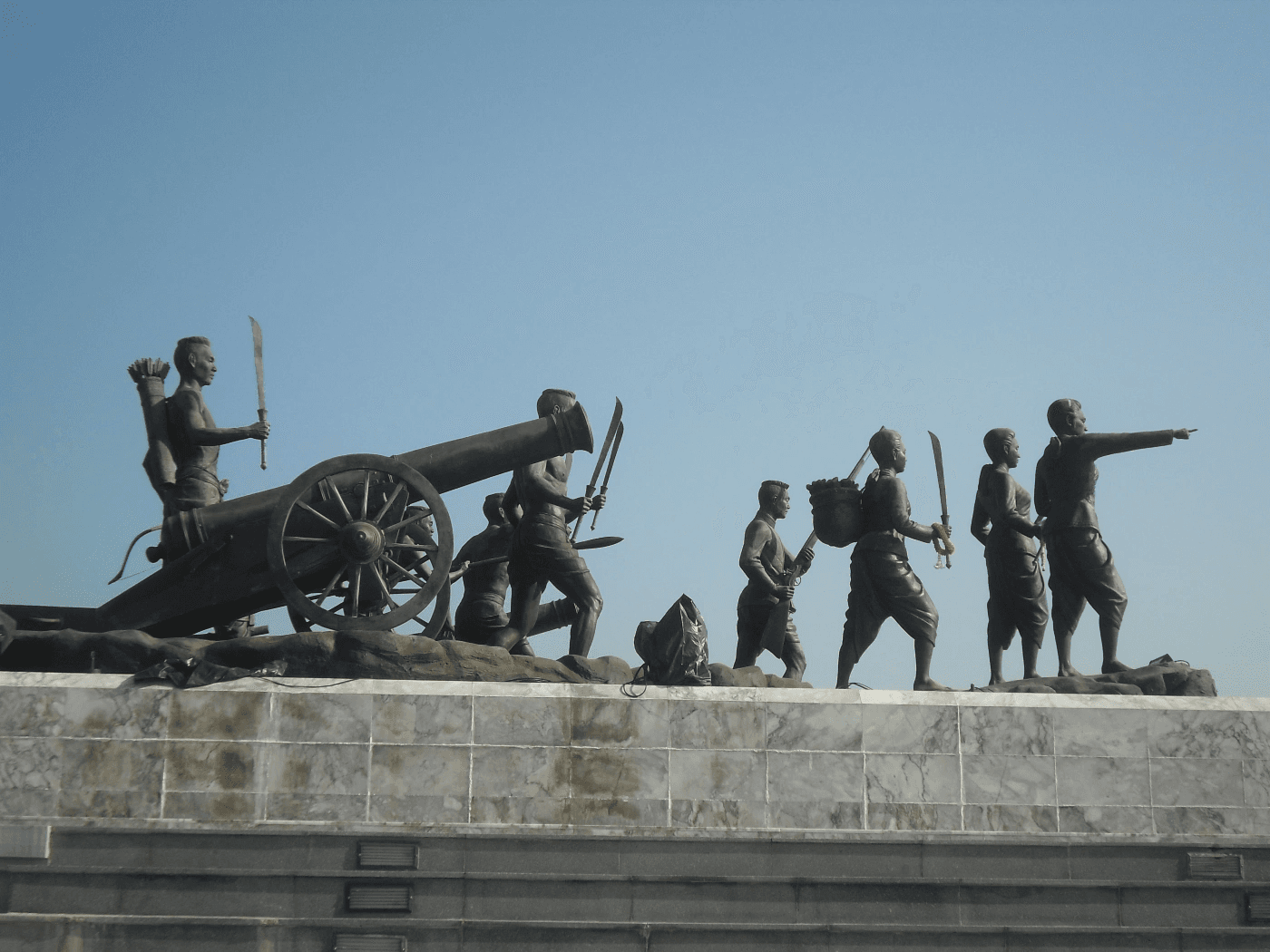
The Battle of Thalang - Courtesy of Photographer
The Battle of Thalang, fought in 1785, was one of the most significant events in Phuket's history. The island was attacked by Burmese soldiers, but the locals, headed by two brave sisters, Thao Thep Kasattri and Thao Sri Sunthon, successfully repulsed them. Their courage is memorialised by a monument in Thalang, and their memory is celebrated each year at the Thao Thep Kasattri-Thao Sri Sunthon Festival.
The March celebration features traditional Thai ceremonies, cultural entertainment, and a recreation of the historic battle. It is a poignant reminder of Phuket's resiliency and the tenacity of its people.
The Influence of Buddhism: Spiritual Landmarks
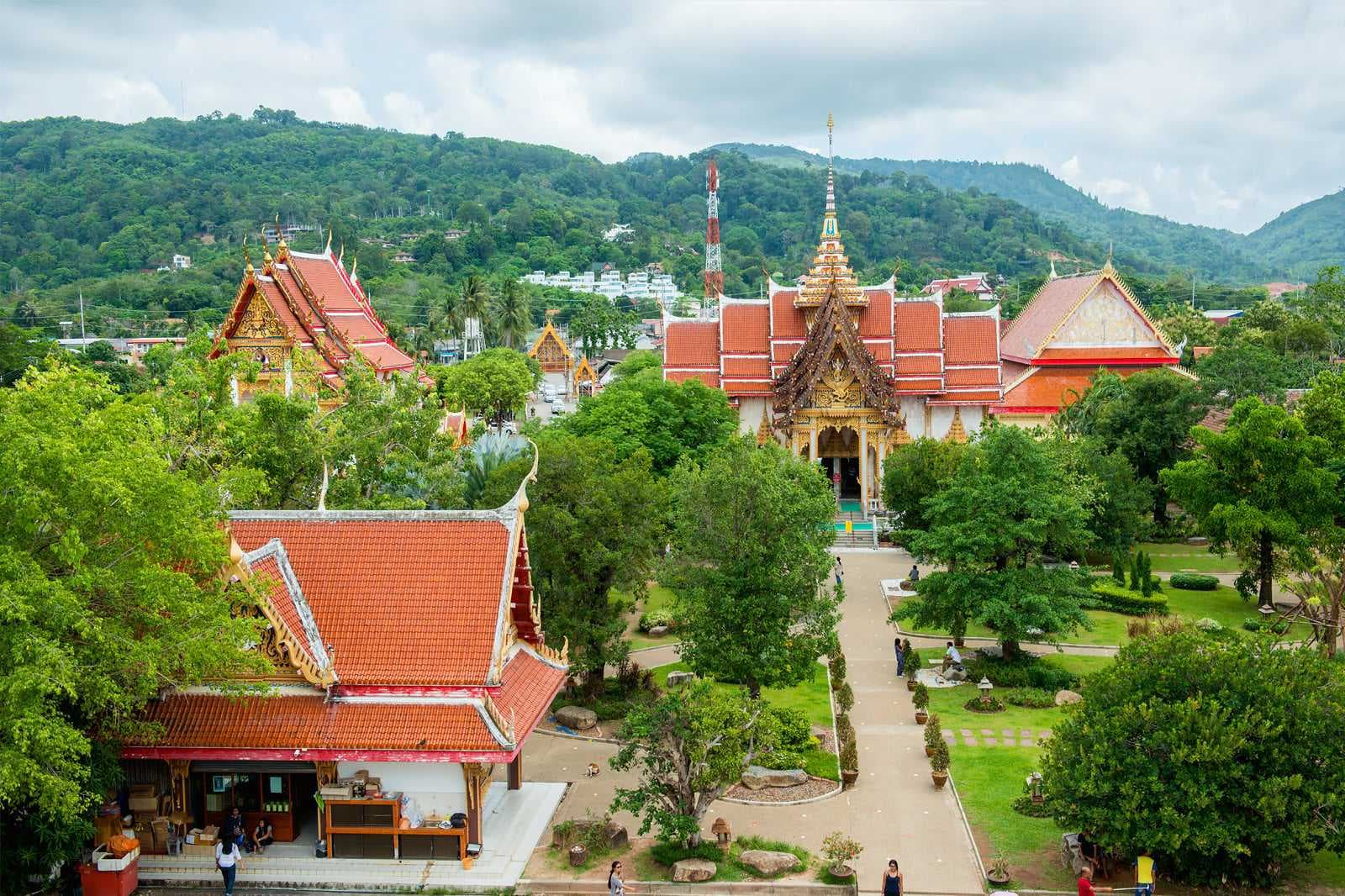
Wat Chalong Temple - Courtesy of Photographer
Buddhism is strongly interwoven in Phuket's cultural fabric, and the island boasts numerous notable Buddhist temples that serve as spiritual icons. Wat Chalong, also known as Wat Chaiyathararam, is one of the most renowned sites. This temple is devoted to two highly regarded monks, Luang Pho Chaem and Luang Pho Chuang, who played critical roles in putting down an uprising by Chinese tin workers in the nineteenth century.
Wat Chalong's Grand Pagoda, which holds a Buddha relic, is a popular pilgrimage site for both residents and visitors. The temple's tranquil setting and elaborate design offer an insight into the island's spiritual legacy.
Another prominent spiritual place is the Big Buddha, a 45-meter-tall monument on Nakkerd Hill. The Big Buddha, made of white Burmese marble, symbolises calm and tranquility. Visitors may take in panoramic views of Phuket from the statue's base while learning about Buddhist teachings and the island's cultural characteristics.

Leave the planning to a local expert
Festivals and Traditions: Celebrating Phuket's Heritage
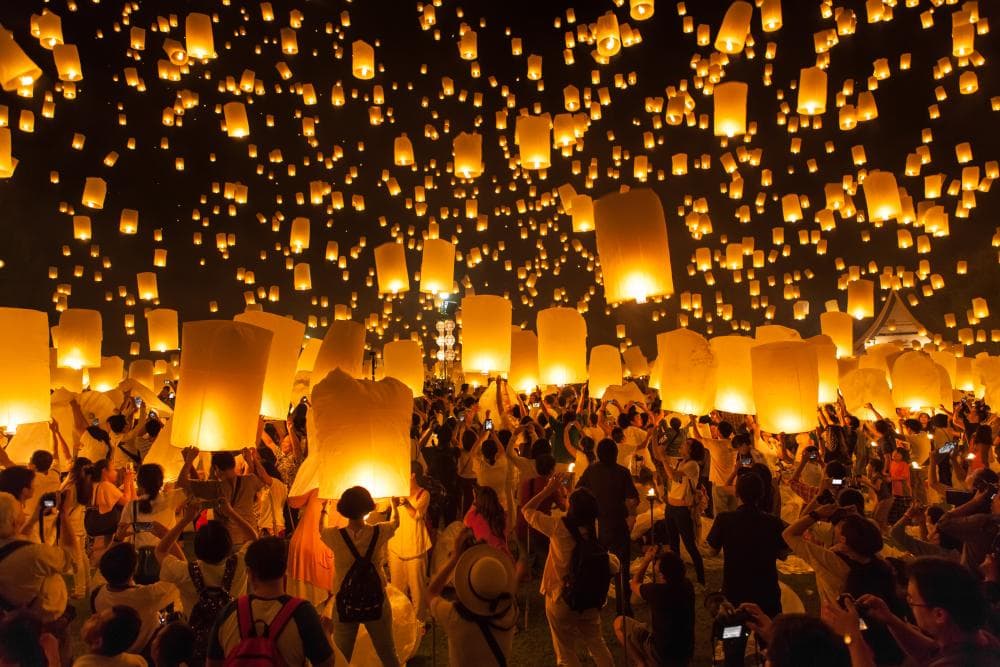
Loy Krathong Festival - Courtesy of Photographer
Phuket's cultural calendar is packed with lively events and customs that celebrate the island's rich history. One of the most remarkable is the Phuket Vegetarian Festival, which takes place each year in October. This nine-day celebration features elaborate processions, firewalking, and other rites conducted by tranced followers. The holiday, which originated in the Chinese community, is dedicated to the purification of mind and body and requires rigorous vegetarianism.
The Loy Krathong Festival, held in November, is another cultural highlight. During this celebration, residents and visitors gather to throw krathongs (decorative floats made of banana leaves) into the lake, symbolising the discharge of bad energy and the arrival of good luck. The sight of hundreds of lit krathongs floating on the lake is incredibly mesmerising, and it provides a deep connection to Thai culture
Culinary Heritage: A Taste of Phuket
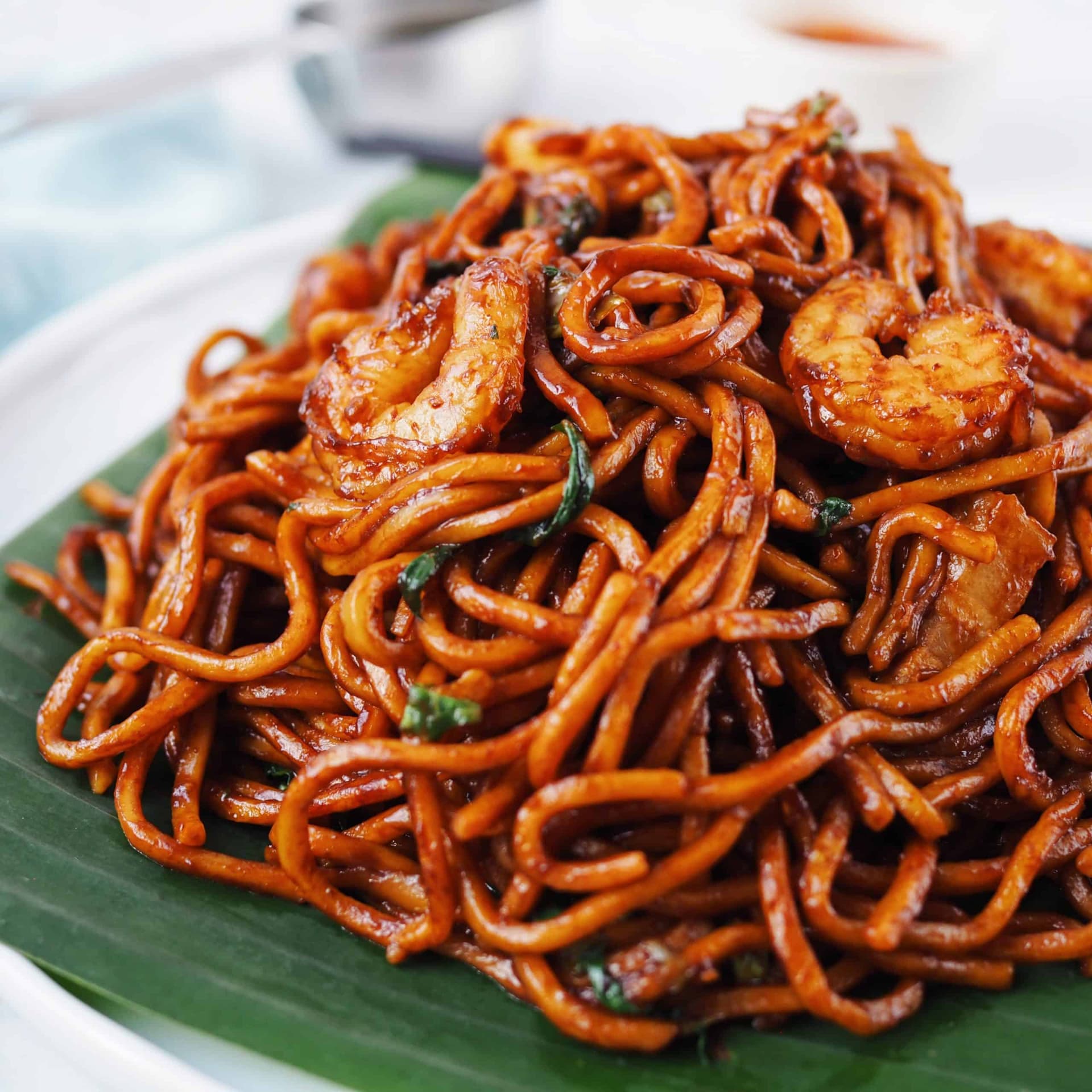
Hokkien Mee - Courtesy of Photographer
Phuket's food, a delicious blend of Thai, Chinese, Malay, and Peranakan influences, reflects the island's cultural past. The island's unique culinary offerings give a delectable opportunity to learn about its history and culture.
One must-try food is Hokkien Mee, a stir-fried noodle dish of Chinese provenance. This substantial dinner, generally served with prawns, pork, and a delicious soup, reflects the island's Chinese background. Another local favourite is Moo Hong, a slow-cooked pork belly dish flavoured with garlic, black pepper, and soy sauce that combines elements of Chinese and Malay cuisine.
For a genuinely unique eating experience, go to the Phuket Weekend Market (Naka Market) or the Sunday Walking Street Market (Lard Yai) in Old Phuket Town. These lively markets sell a variety of street cuisine, fresh fruit, and handcrafted goods, allowing visitors to fully immerse themselves in local culture.
Conclusion
Phuket's history and culture are as varied and fascinating as its natural beauty. The island's rich cultural tapestry, which includes ancient temples and historical buildings as well as exciting festivals and gastronomic pleasures, welcomes investigation and admiration. Visitors may acquire a better grasp of what makes Phuket so special and valued by learning about its history and customs. Whether you are a history buff, a culture enthusiast, or simply a curious traveller, Phuket's cultural attractions will provide an enriching and memorable experience.