
Aga Khan Palace
Overview
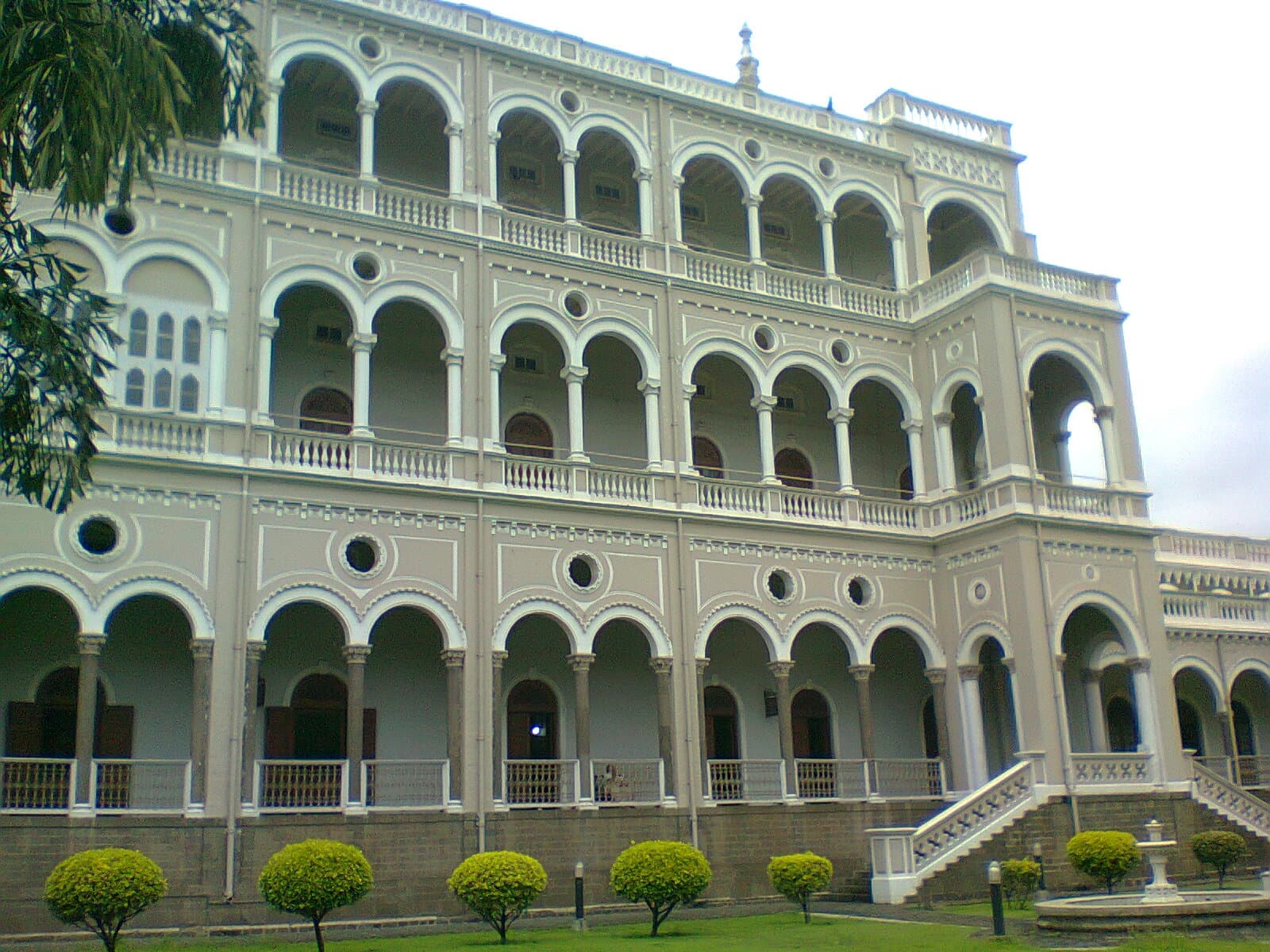
The Aga Khan Palace in Pune, Maharashtra, is a spectacular architectural masterpiece with significant historical and cultural value. Built in 1892 by Sultan Muhammed Shah Aga Khan III, the palace is a symbol of India's liberation movement and a testimony to the country's rich history. The palace, which spans 19 acres, is not only an important historical relic but also a peaceful refuge in the midst of the bustling metropolis.
Label: Off Beat
How to reach: Bike, Bus, Taxi, Auto
Timings: 9:00 AM to 5:30 PM
Time Required: 1-2 Hours
Entry Fee: INR 5 for Indians and INR 100 for Foreigners
Key Highlights
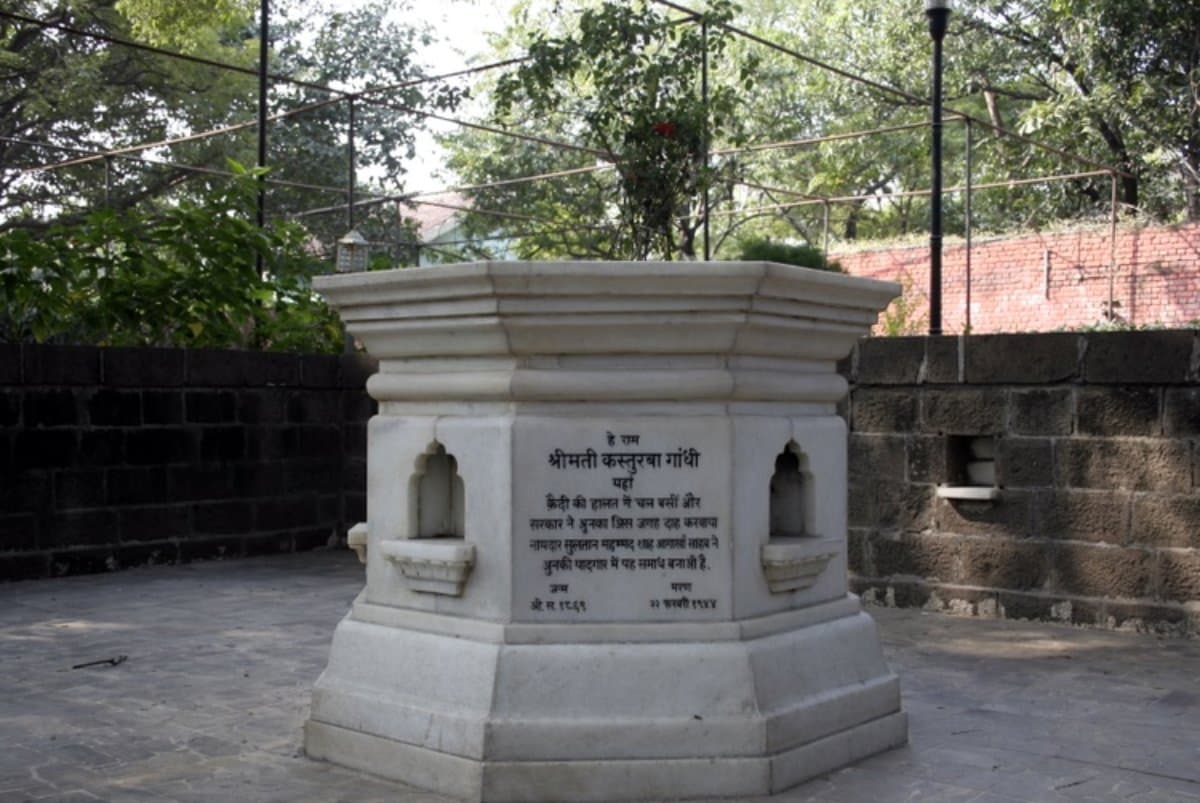
Historical Significance: The Aga Khan Palace is best known for its association with Mahatma Gandhi and the Indian freedom movement. During the Quit India Movement in 1942, Mahatma Gandhi, his wife Kasturba Gandhi, and his secretary Mahadev Desai were imprisoned here by the British. Kasturba Gandhi and Mahadev Desai passed away during their imprisonment, and their memorials are located within the palace premises. The palace has since become a symbol of India's struggle for independence and a place of pilgrimage for those who revere the contributions of Mahatma Gandhi.
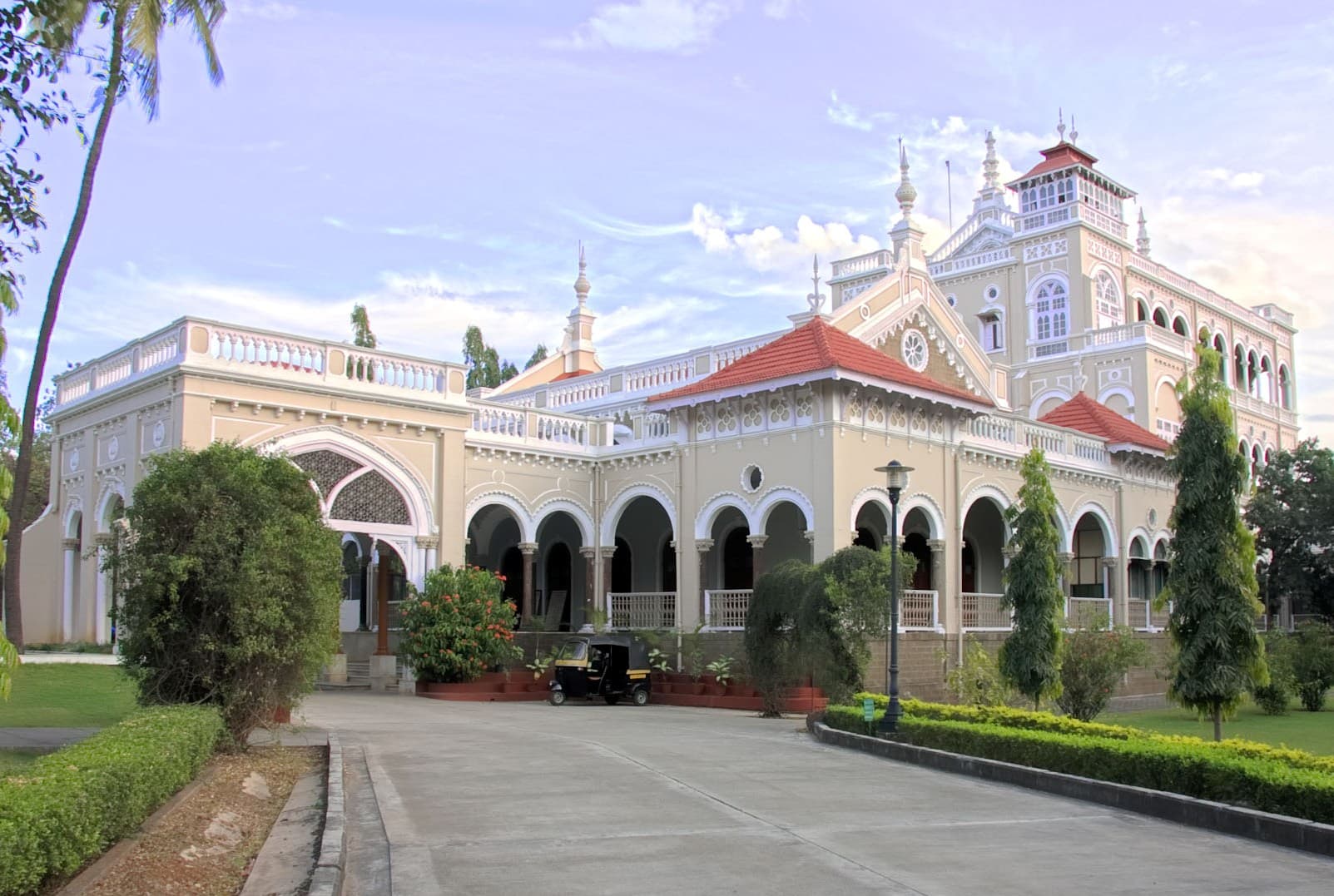
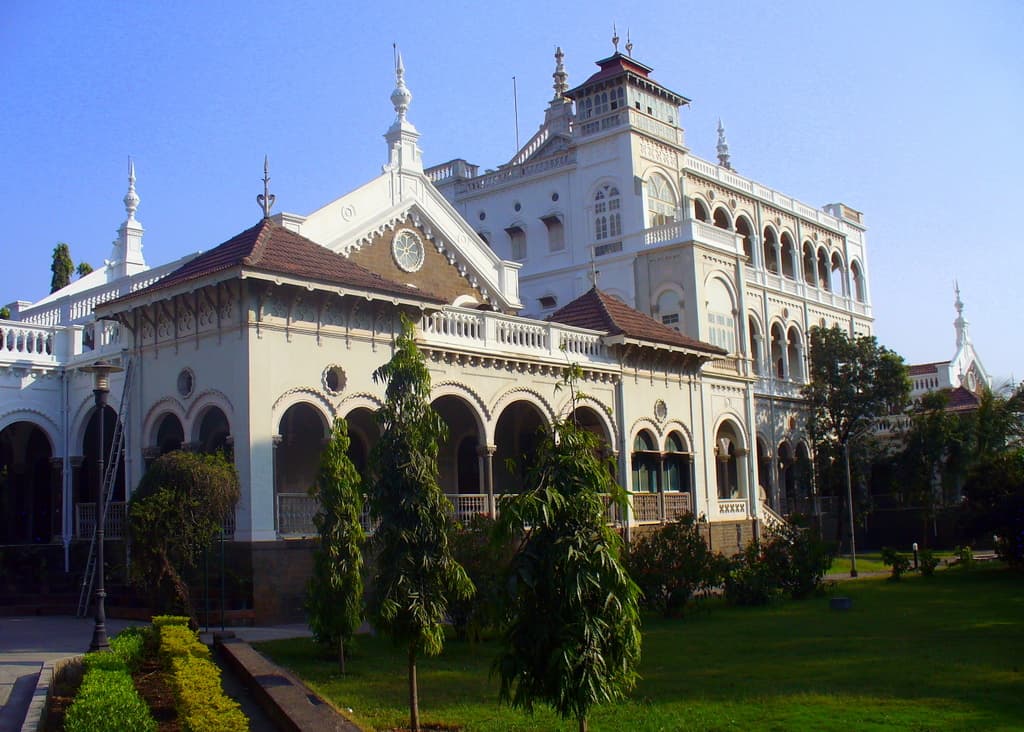
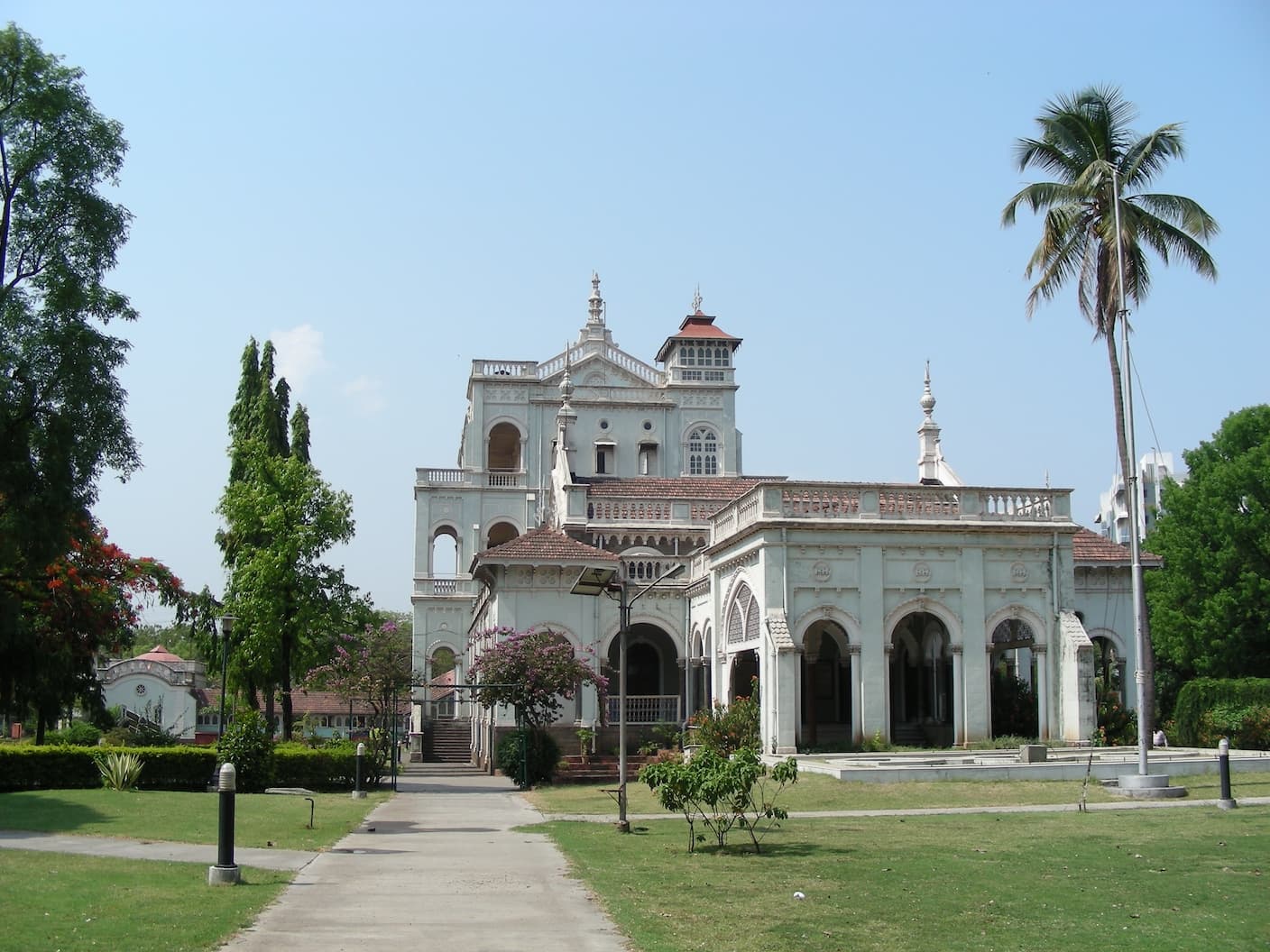
Architectural Splendor: The palace is a stunning example of Italianate architecture, featuring elegant arches, spacious lawns, and sprawling verandas. The grandeur of the building is accentuated by its symmetrical design and the use of cream-colored stone. The palace has large, airy rooms and expansive corridors that showcase the architectural brilliance of the late 19th century. The well-maintained gardens surrounding the palace add to its charm, making it a picturesque location for visitors.
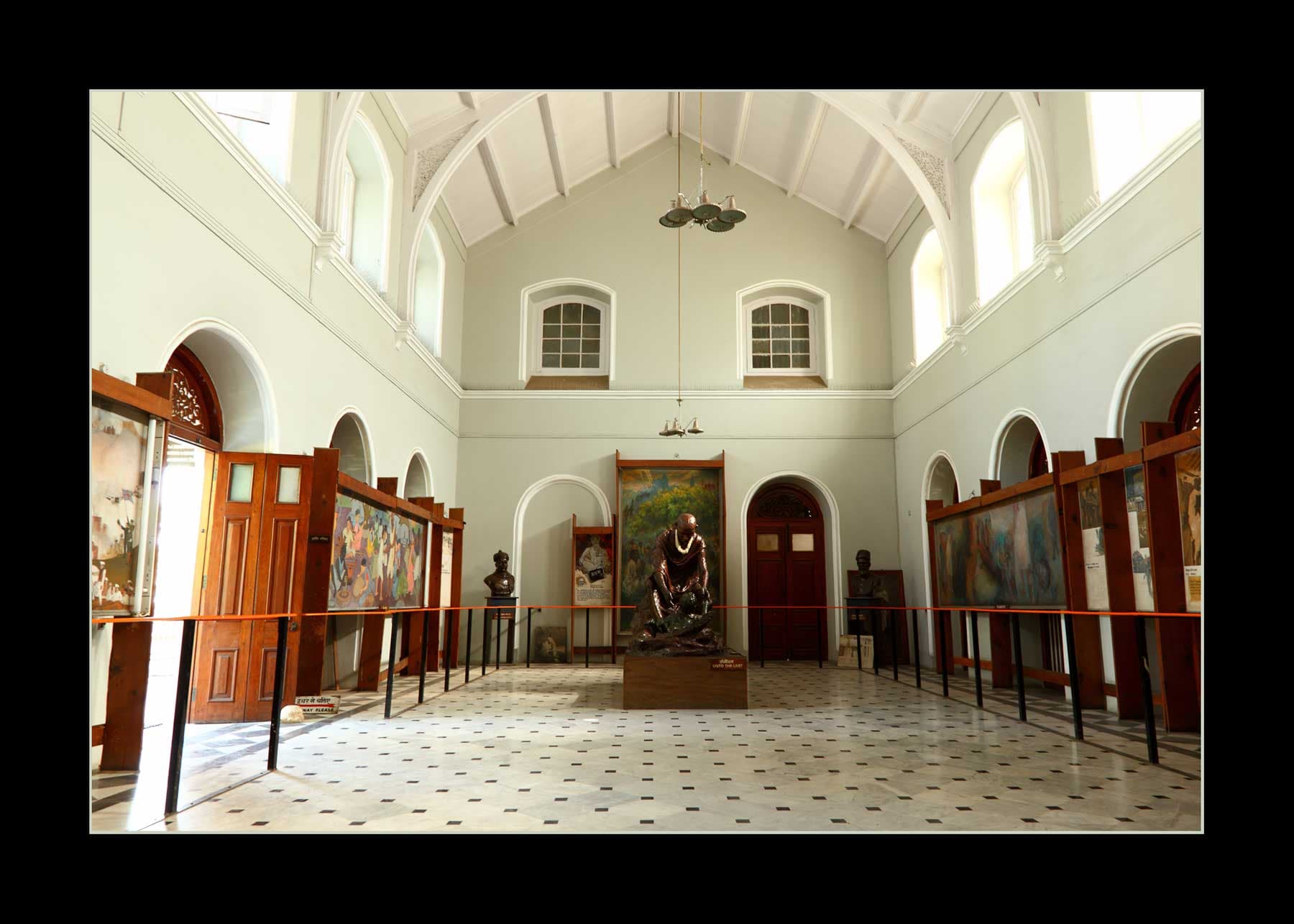
Gandhi National Memorial: Inside the Aga Khan Palace, the Gandhi National Memorial Society has set up a museum dedicated to Mahatma Gandhi. The museum houses a rich collection of photographs, personal artifacts, and letters that offer a glimpse into the life and legacy of Gandhi. Visitors can see items like Gandhi's personal belongings, including his clothes, footwear, and utensils. The museum also features exhibits detailing the history of the Indian independence movement and Gandhi's role in it.
Memorials of Kasturba Gandhi and Mahadev Desai: The palace grounds include memorials dedicated to Kasturba Gandhi and Mahadev Desai, marking the spots where they were cremated. These memorials are simple yet powerful, serving as a poignant reminder of the sacrifices made by these individuals during India's struggle for independence. The serene and reflective atmosphere around these memorials provides a space for visitors to pay their respects and contemplate the history of the freedom movement.
Peaceful Gardens and Grounds: The expansive gardens and lawns of the Aga Khan Palace are meticulously maintained and offer a tranquil retreat from the hustle and bustle of Pune. The lush greenery, dotted with blooming flowers and well-manicured lawns, provides a perfect setting for a leisurely stroll. The serene environment of the palace grounds makes it an ideal spot for relaxation and reflection.
Nearby Attractions
Osho Ashram: Located in the Koregaon Park area of Pune, the Osho Ashram is a tranquil retreat that attracts visitors from around the world. The ashram offers various meditation programs and workshops, providing a peaceful environment for spiritual seekers.
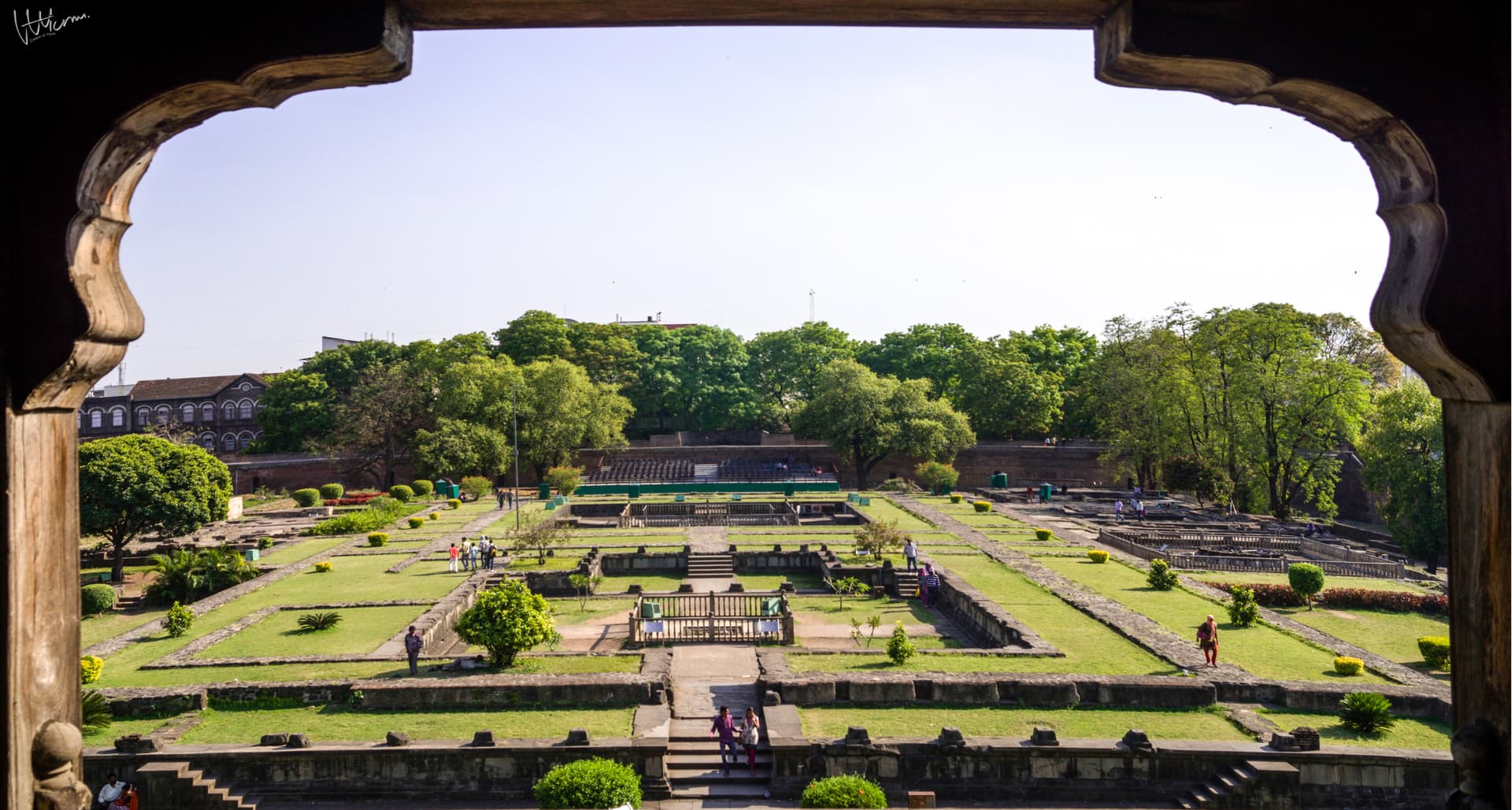
Shaniwar Wada: A short distance from the Aga Khan Palace, Shaniwar Wada is a historic fortification that was once the seat of the Peshwas of the Maratha Empire. The fort's majestic architecture and the evening light and sound show make it a popular tourist attraction.
Bund Garden: Bund Garden, also known as Mahatma Gandhi Udyan, is a serene spot near the Aga Khan Palace. The garden is ideal for picnics, boating, and enjoying the natural beauty along the banks of the Mula-Mutha River.
Raja Dinkar Kelkar Museum: This museum houses an extensive collection of artifacts from various periods of Indian history, including sculptures, musical instruments, and everyday objects. It offers a fascinating insight into India's cultural heritage.
Best Time to Visit
The best time to visit the Aga Khan Palace is during the winter months, from October to February. During this period, the weather in Pune is pleasant, with temperatures ranging from 10°C to 25°C (50°F to 77°F), making it ideal for sightseeing and outdoor activities. The monsoon season (June to September) brings moderate to heavy rainfall, which enhances the lush greenery but can sometimes disrupt travel plans. The summer months (March to May) can be quite hot, with temperatures often exceeding 35°C (95°F), making outdoor excursions less comfortable.

Leave the planning to a local expert
Conclusion
The Aga Khan Palace is not just an architectural gem but a significant historical monument that stands as a testament to India's freedom struggle. Its association with Mahatma Gandhi and the Indian independence movement makes it a place of great historical importance and reverence. The palace’s beautiful architecture, peaceful gardens, and rich collection of artifacts in the Gandhi National Memorial make it a must-visit destination in Pune.
Nearby attractions such as the Osho Ashram, Shaniwar Wada, Bund Garden, and the Raja Dinkar Kelkar Museum add to the cultural and historical richness of the area, providing visitors with a well-rounded experience of Pune's heritage. Whether you are a history enthusiast, a peace seeker, or a traveler looking to explore Pune's landmarks, the Aga Khan Palace offers a unique and enriching experience that captures the essence of India's past and present.