
Lal Mahal
Overview
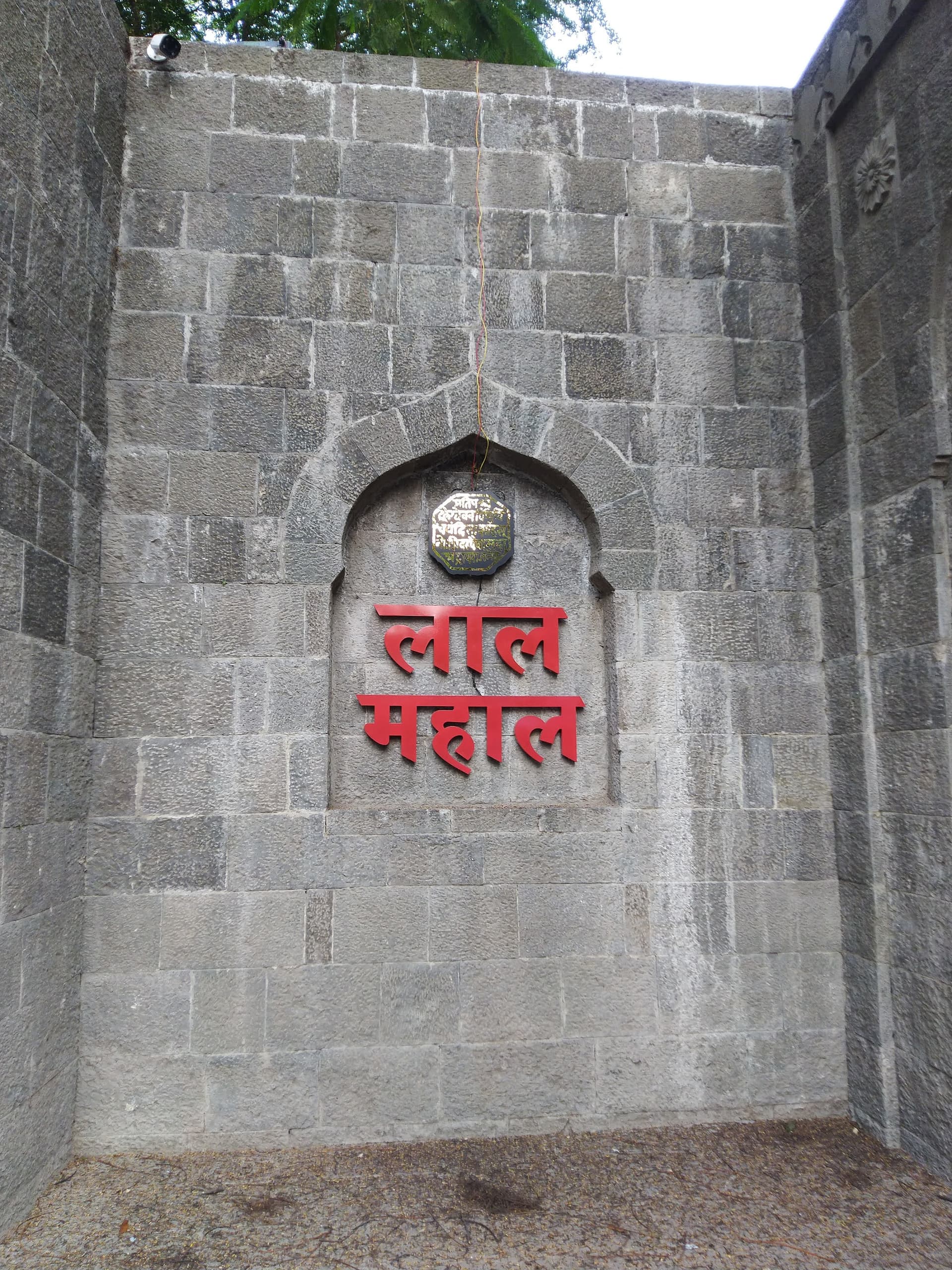
The Lal Mahal, located in the center of Pune, Maharashtra, is a historic palace that is notable in Maratha Empire history. It is intimately linked to Chhatrapati Shivaji Maharaj, one of the greatest warriors in Indian history. Built in the 16th century, the Lal Mahal is not only a popular tourist site but also a symbol of Maratha tradition and pride.
Label: Must Visit
How to reach: Bike, Bus, Taxi, Auto
Timings: 9:30 AM to 6:00 PM
Time Required: 1-2 Hours
Entry Fee: INR 5 Per Person
Key Highlights
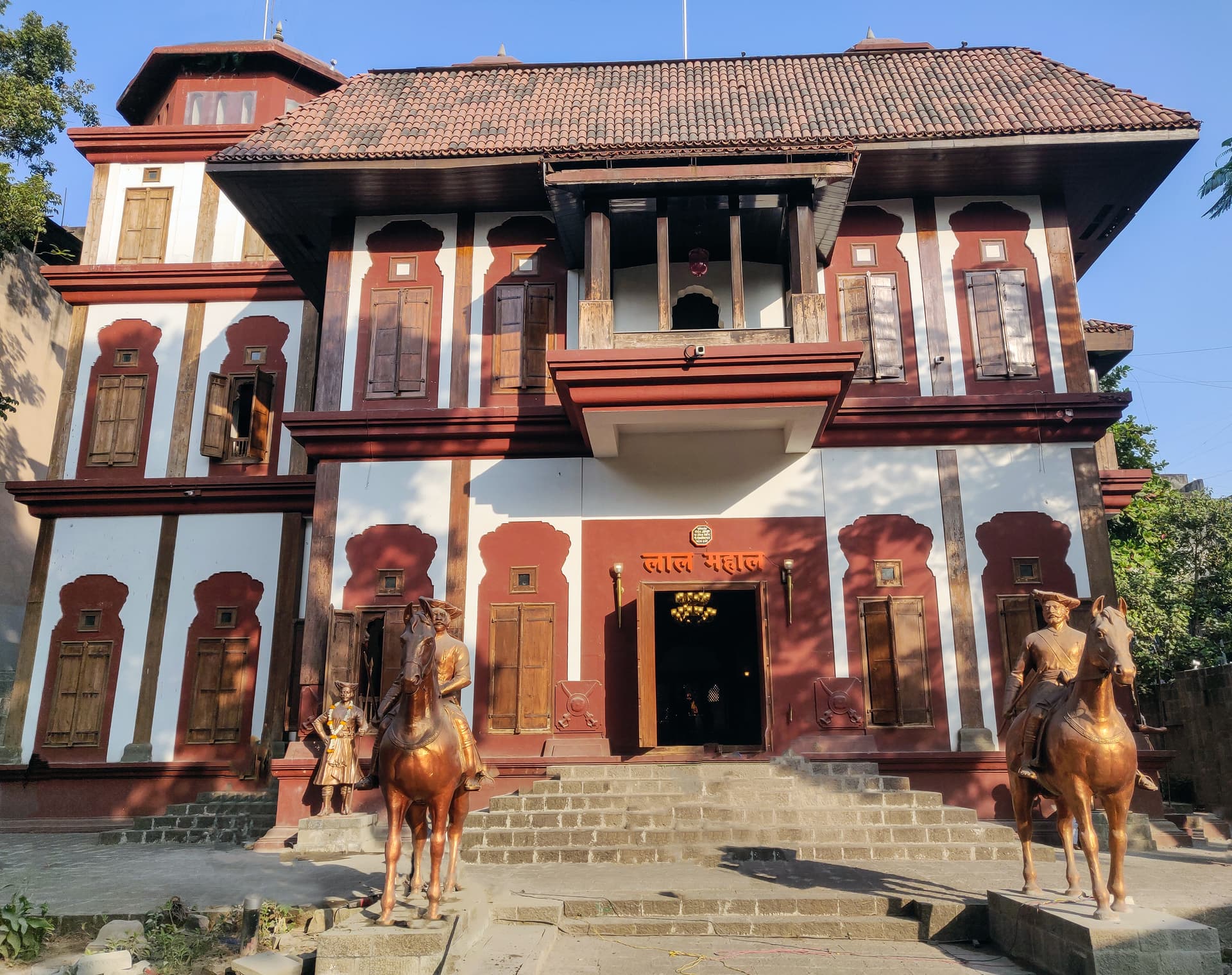
Historical Significance: Lal Mahal, meaning "Red Palace," was established by Shivaji Maharaj’s father, Shahaji Bhosale, in 1630 for his wife Jijabai and son Shivaji. The palace served as the residence of Shivaji during his childhood years. It is here that Shivaji learned the skills of administration and warfare under the guidance of his mother. The palace has witnessed numerous important events in Shivaji’s life, including his marriage to Saibai Nimbalkar.
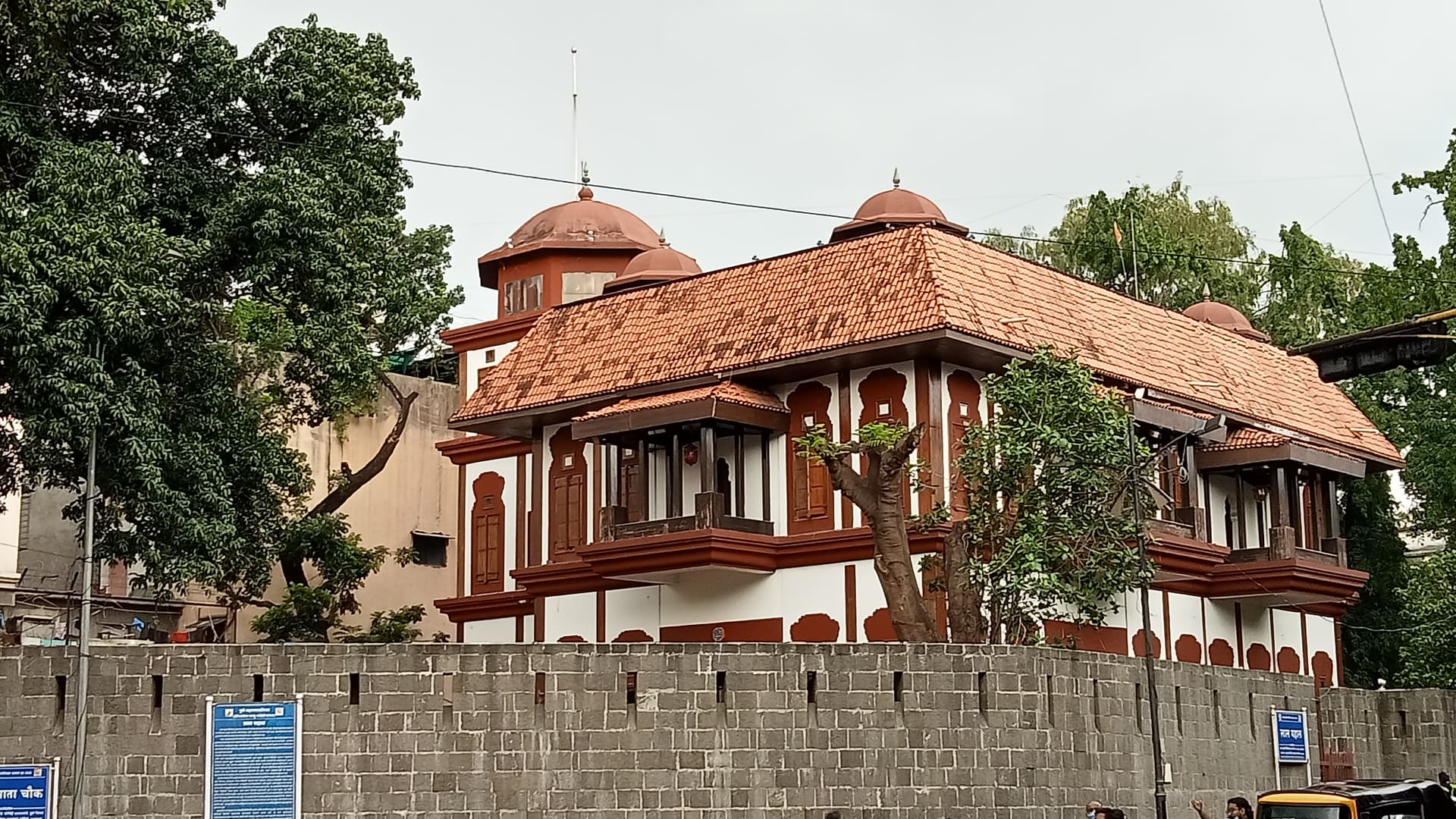
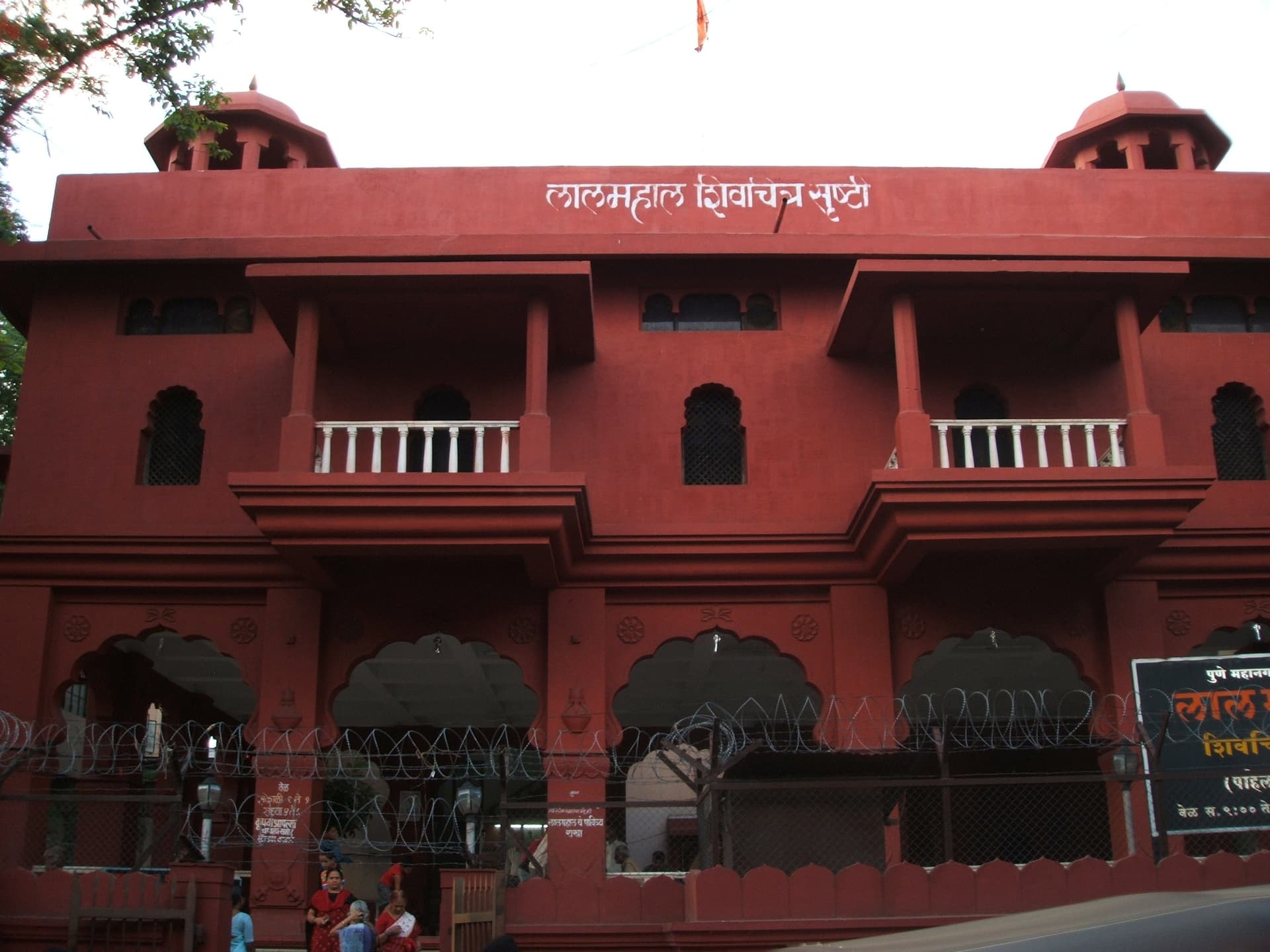
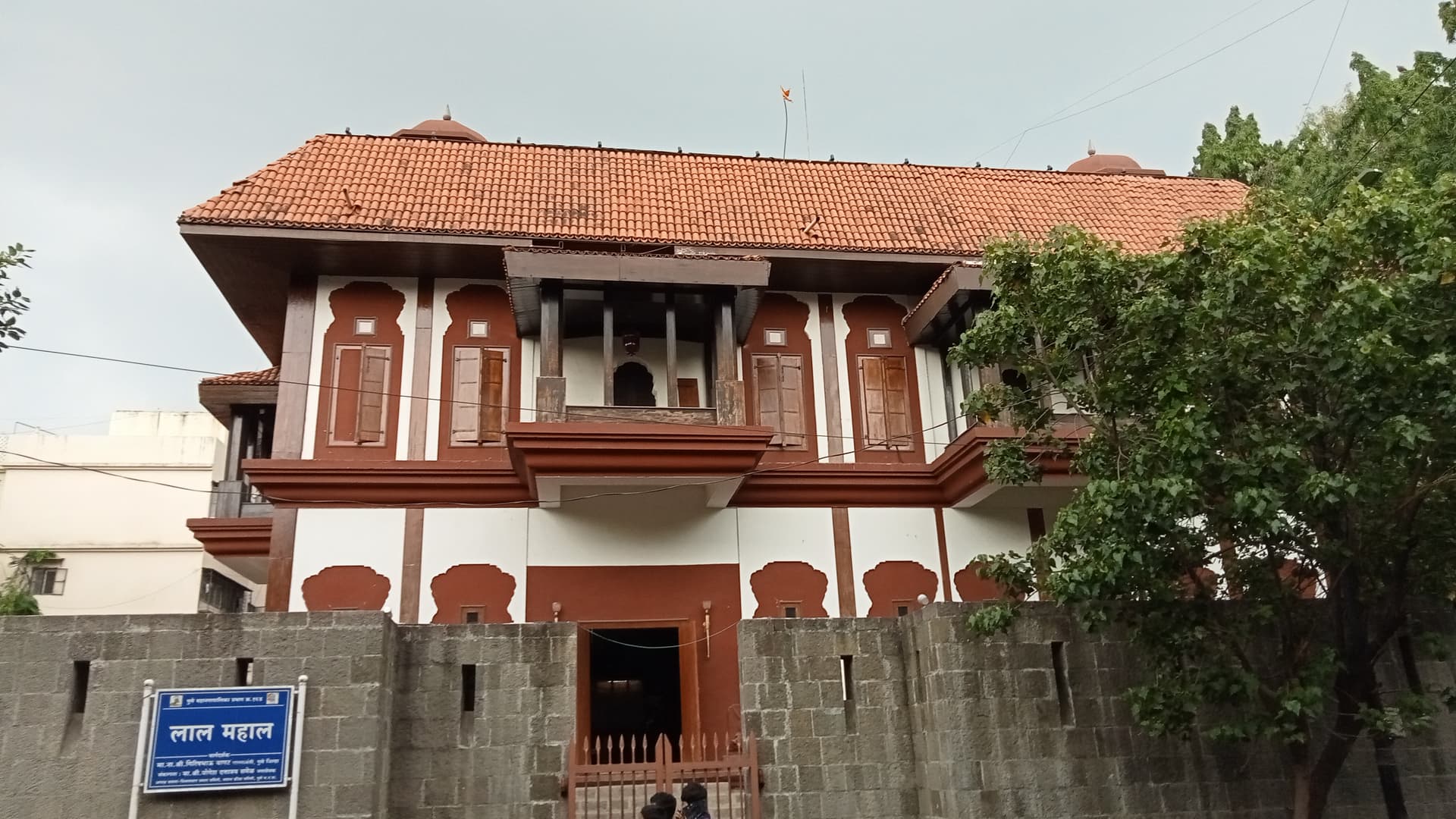
Architecture: The original Lal Mahal was known for its grandeur and distinctive red walls. Although the original structure was destroyed and rebuilt several times, the current reconstruction aims to capture the essence of the original palace. The architecture of Lal Mahal showcases a blend of Mughal and Maratha styles, featuring spacious halls, intricate wooden carvings, and beautiful courtyards. The palace's red-brick structure, combined with its historical aura, offers visitors a glimpse into the architectural style of the era.
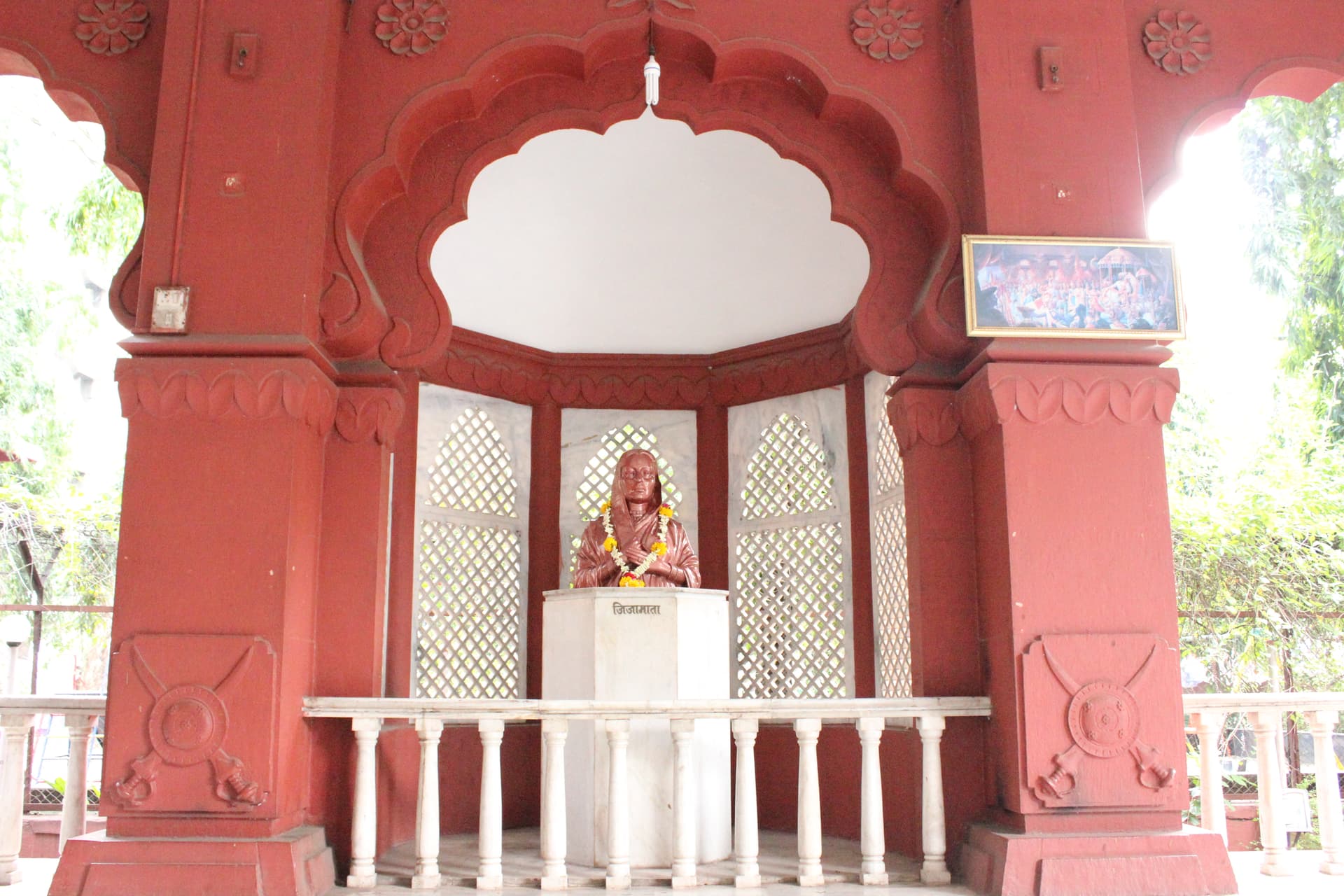
Shivaji’s Statue and Jijamata Garden: One of the main attractions within the Lal Mahal premises is the statue of Chhatrapati Shivaji Maharaj with his mother, Jijabai, which symbolizes the bond between mother and son and the significant role she played in his upbringing. The Jijamata Garden, located within the palace complex, is a well-maintained garden that offers a peaceful retreat for visitors. The garden features fountains, pathways, and lush greenery, providing a serene environment for reflection and relaxation.
Museum and Exhibits: Lal Mahal houses a small museum that showcases artifacts, paintings, and exhibits related to Shivaji Maharaj and the Maratha Empire. The museum offers visitors a glimpse into the life and times of Shivaji, highlighting his achievements, military strategies, and administrative reforms. The exhibits also include replicas of weapons and models depicting significant events from Shivaji’s life, providing an educational experience for history enthusiasts and students.
Nearby Attractions
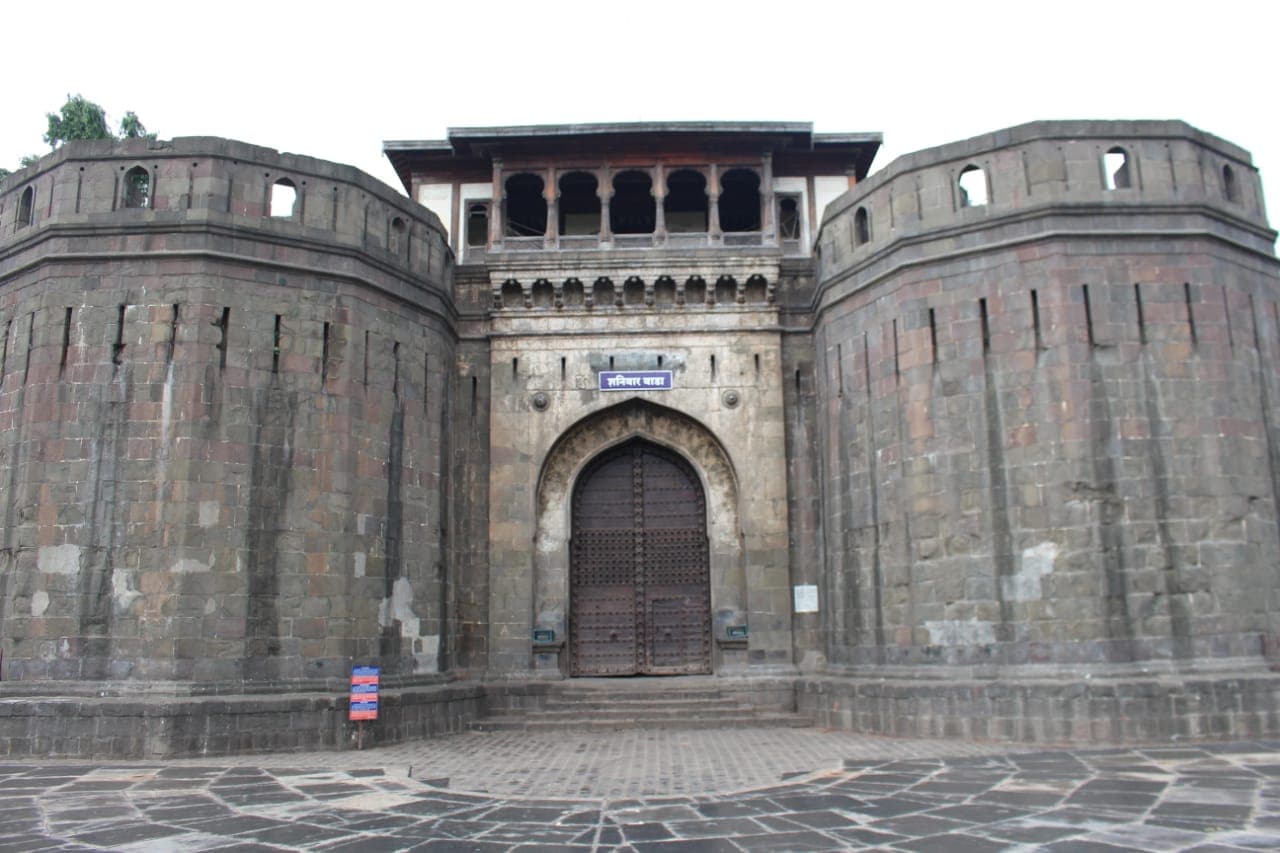
Shaniwar Wada: Located just a short distance from Lal Mahal, Shaniwar Wada is another iconic historical site in Pune. Built in 1732, this fortification served as the seat of the Peshwas of the Maratha Empire. The impressive architecture, gardens, and the evening light and sound show make Shaniwar Wada a must-visit attraction.
Dagdusheth Halwai Ganapati Temple: The Dagdusheth Halwai Ganapati Temple, situated near Lal Mahal, is one of Pune’s most famous and revered temples. Dedicated to Lord Ganesha, the temple attracts thousands of devotees, especially during the Ganesh Chaturthi festival. The temple’s beautiful idol and vibrant atmosphere make it a significant cultural and religious site.
Raja Dinkar Kelkar Museum: The Raja Dinkar Kelkar Museum, located nearby, houses an extensive collection of artifacts, sculptures, musical instruments, and everyday objects from various periods of Indian history. The museum offers a fascinating insight into India’s rich cultural heritage and craftsmanship.
Pataleshwar Cave Temple: A short distance from Lal Mahal, the Pataleshwar Cave Temple is an 8th-century rock-cut temple dedicated to Lord Shiva. Carved out of a single rock, the temple features intricate carvings and a tranquil atmosphere, making it a fascinating site for history and architecture enthusiasts.
Best Time to Visit
The best time to visit Lal Mahal is during the winter months, from October to February. During this period, the weather in Pune is pleasant and ideal for sightseeing and outdoor activities. The daytime temperatures are moderate, making it comfortable to explore the palace and its surroundings. The monsoon season (June to September) brings moderate to heavy rainfall, which can sometimes disrupt travel plans but also enhances the greenery around the city. The summer months (March to May) can be hot, with temperatures rising above 35°C (95°F), making outdoor excursions less enjoyable.

Leave the planning to a local expert
Conclusion
Lal Mahal stands as a significant historical and cultural landmark in Pune, offering visitors a glimpse into the early life of Chhatrapati Shivaji Maharaj and the Maratha Empire’s legacy. Its architectural beauty, combined with its historical relevance, makes it a must-visit destination for history enthusiasts, cultural explorers, and tourists alike. The proximity of Lal Mahal to other notable attractions such as Shaniwar Wada, Dagdusheth Halwai Ganapati Temple, and the Raja Dinkar Kelkar Museum allows for a well-rounded exploration of Pune’s rich historical and cultural landscape. Whether you are seeking to delve into the history of the Marathas or simply to enjoy the serene gardens and exhibits, Lal Mahal offers a unique and enriching experience that captures the essence of Pune’s heritage.