
Pune Tribal Museum
Overview
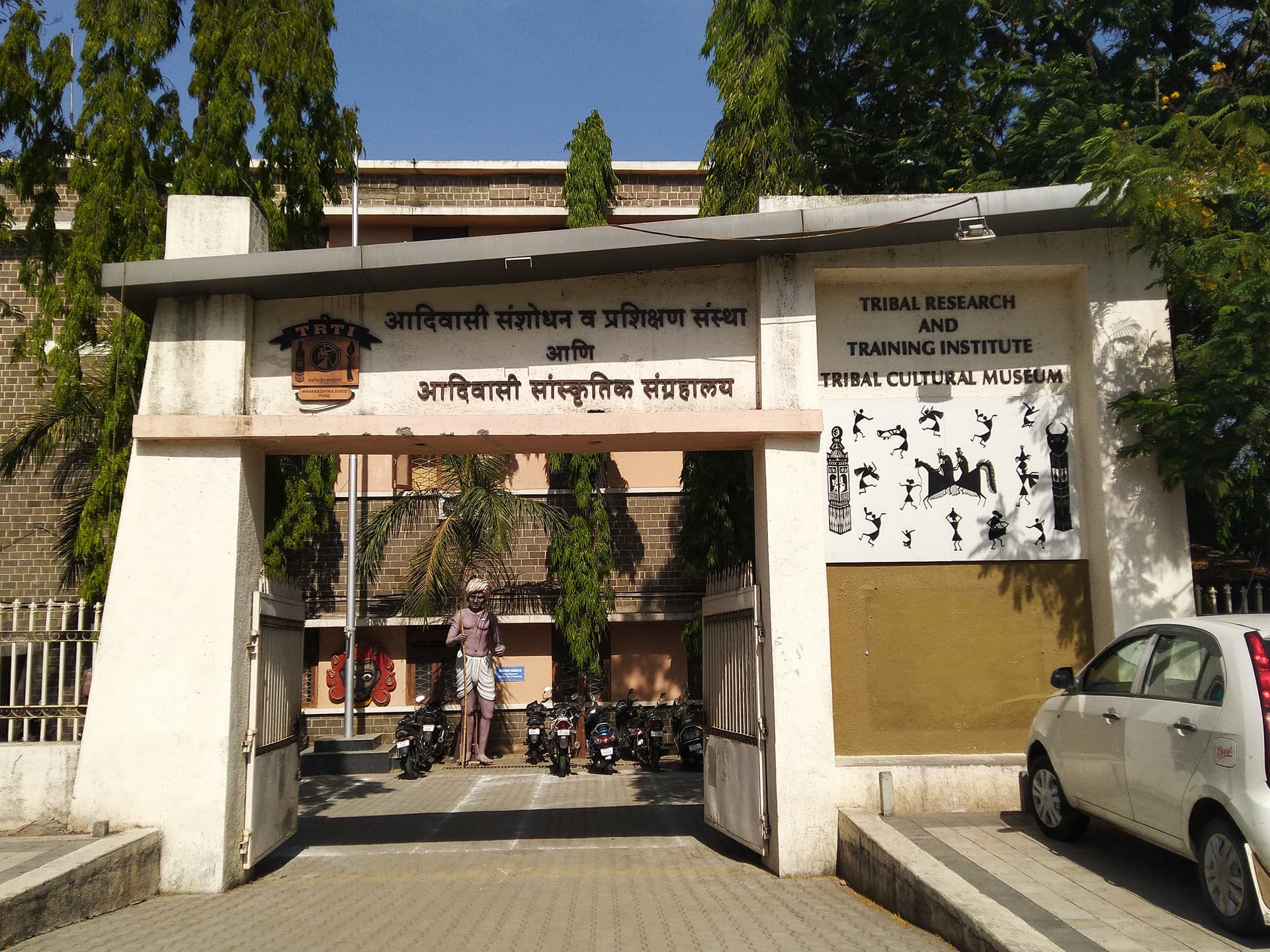
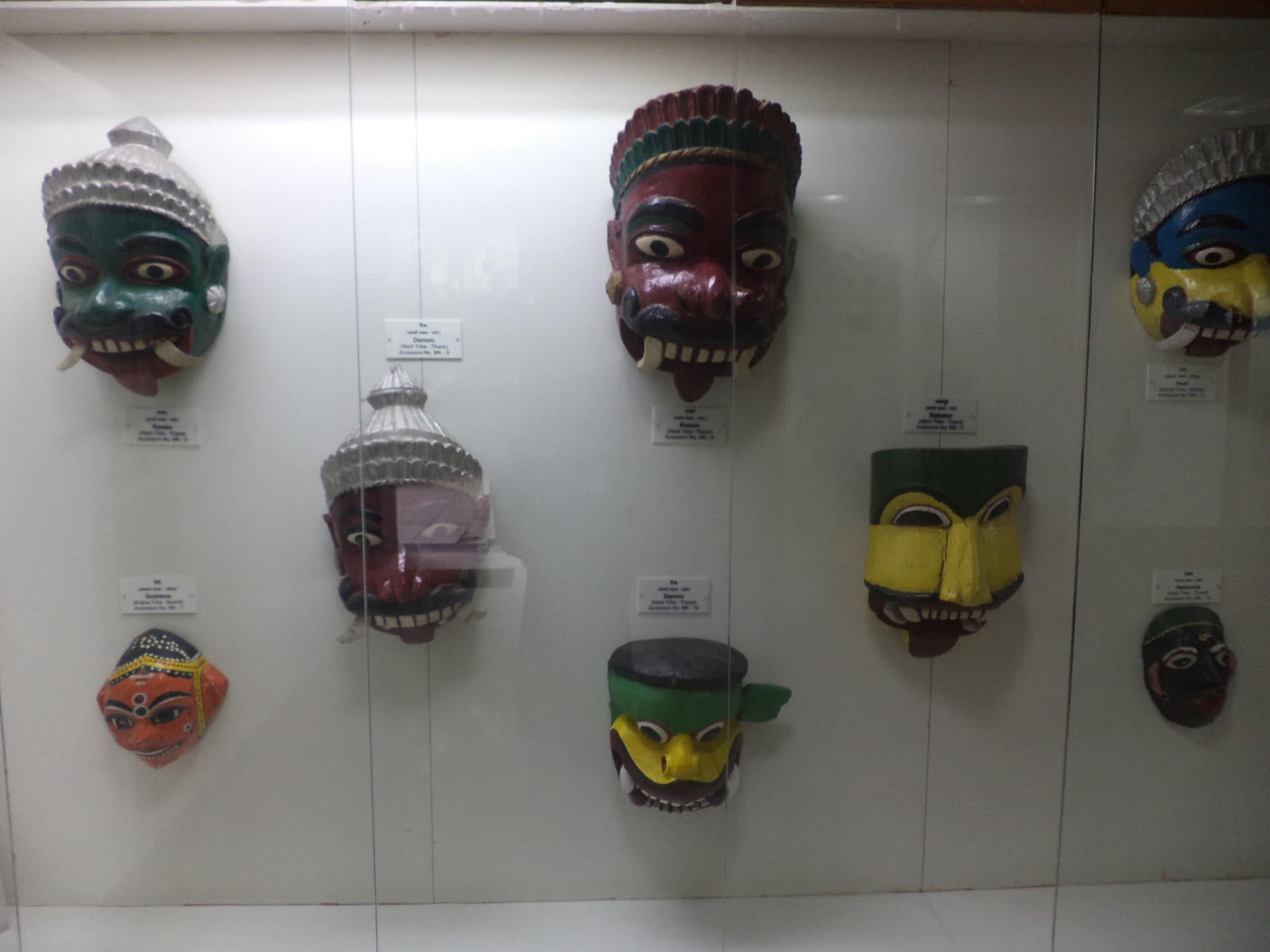
The Pune Tribal Museum, located on Queens Road in Pune, Maharashtra, is a remarkable collection of the state's tribal populations' traditional history. The museum was founded with the goal of conserving and presenting the rich traditions, artifacts, and lifestyles of Maharashtra's varied tribal community. It provides an immersive insight into the lives of these indigenous people. It helps tourists gain a better understanding of the state's diverse and dynamic indigenous cultures.
Label: Outdoor Activity
How to reach: Bike, Bus, Taxi, Auto
Timings: 10:00 AM to 5:00 PM
Time Required: 1-2 Hours
Entry Fee: INR 10 for Indians and INR 100 for Foreigners
Key Highlights
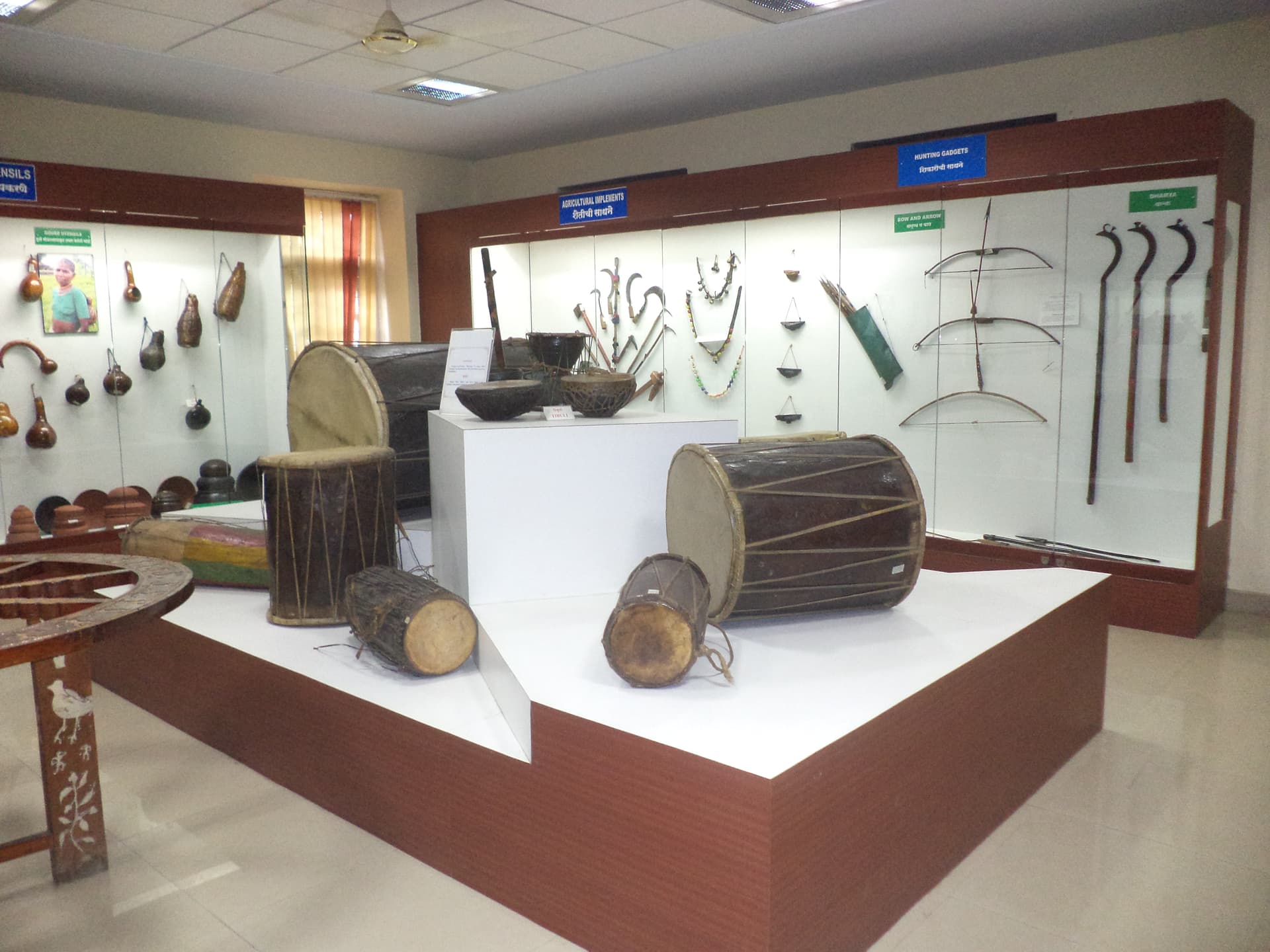
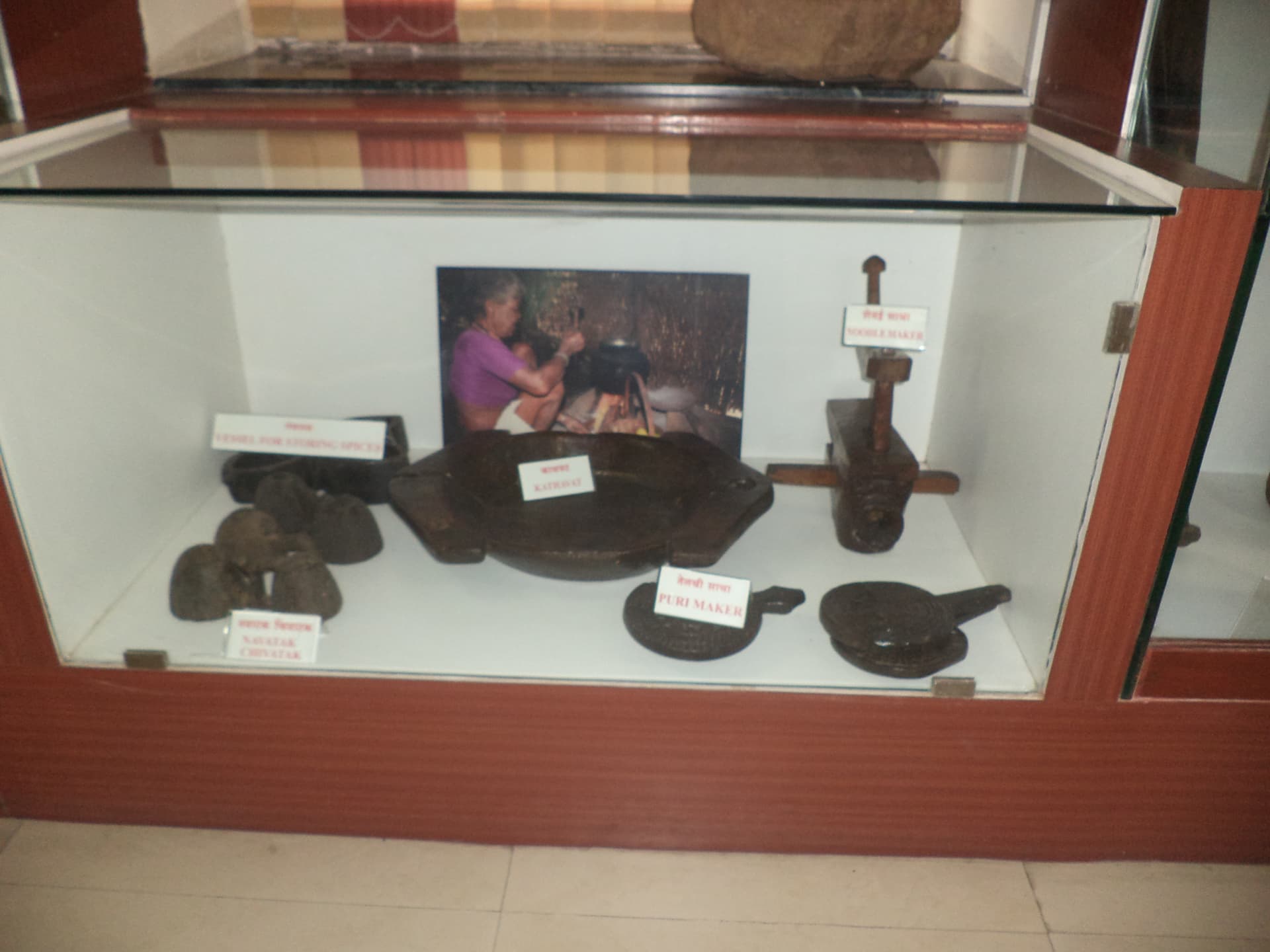
Extensive Collection of Artifacts: The museum boasts an extensive collection of artifacts that reflect the day-to-day life, art, and traditions of various tribal communities, including the Warlis, Bhils, Gonds, and Mahadeo Kolis. The exhibits include a wide range of items, such as traditional clothing, jewelry, weapons, tools, household items, and agricultural implements. Each artifact is carefully labeled and described, offering insights into its significance and use in tribal life.
Tribal Art and Crafts: One of the key attractions of the Pune Tribal Museum is its collection of tribal art and crafts. The museum showcases intricate Warli paintings, known for their simple yet expressive designs depicting everyday tribal life and rituals. Additionally, there are beautiful examples of bamboo and cane work, pottery, and beadwork, highlighting the artistic talents and craftsmanship of the tribal people. The vibrant colors and unique designs of these crafts provide a visual feast for visitors.
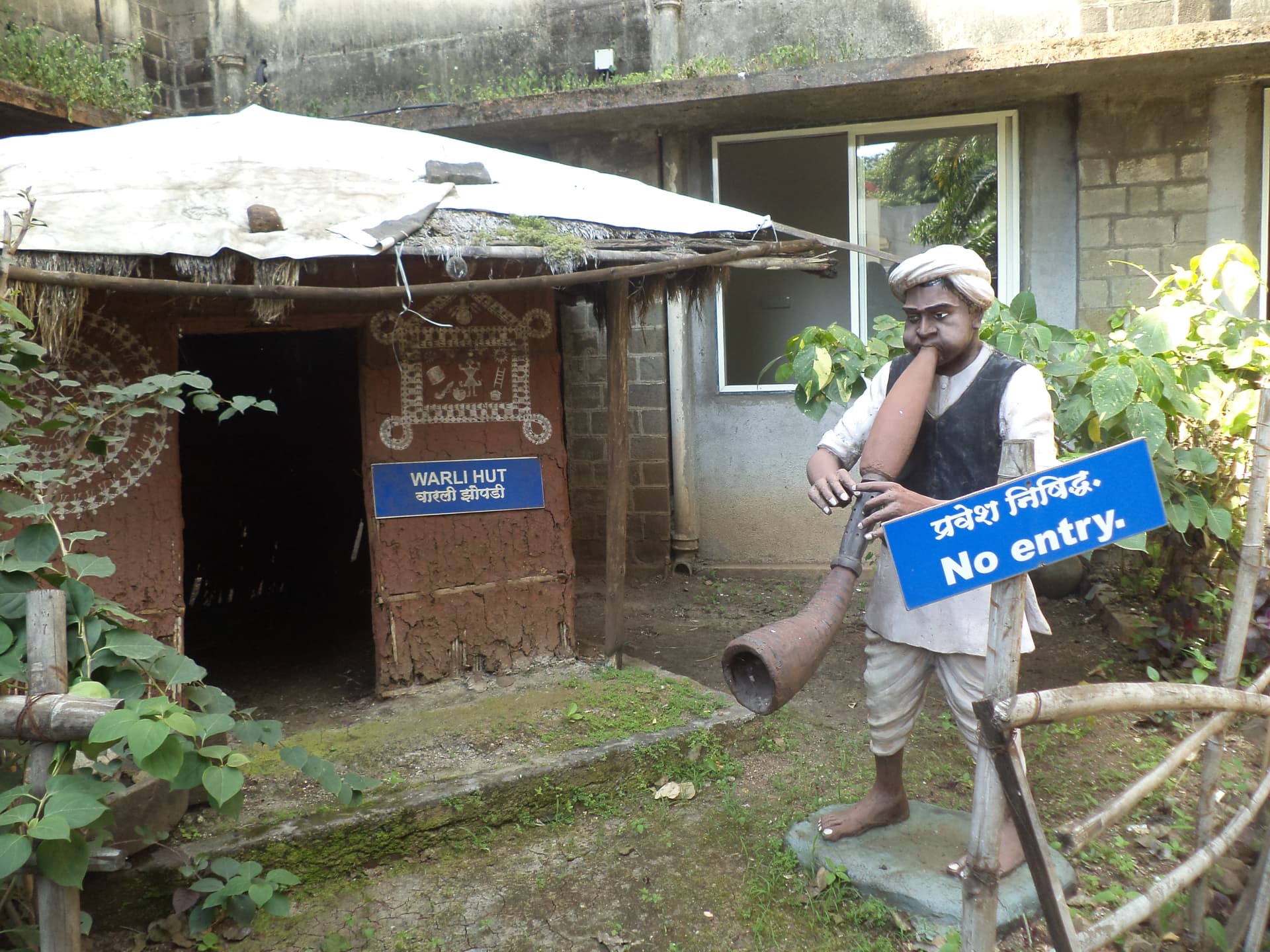
Dioramas and Life-Size Exhibits: The museum features several dioramas and life-size exhibits that recreate the traditional settings of tribal villages. These detailed displays depict various aspects of tribal life, including their homes, agricultural practices, rituals, and festivals. The realistic representations offer visitors a glimpse into the daily lives and cultural practices of the tribal communities, making the experience both educational and engaging.
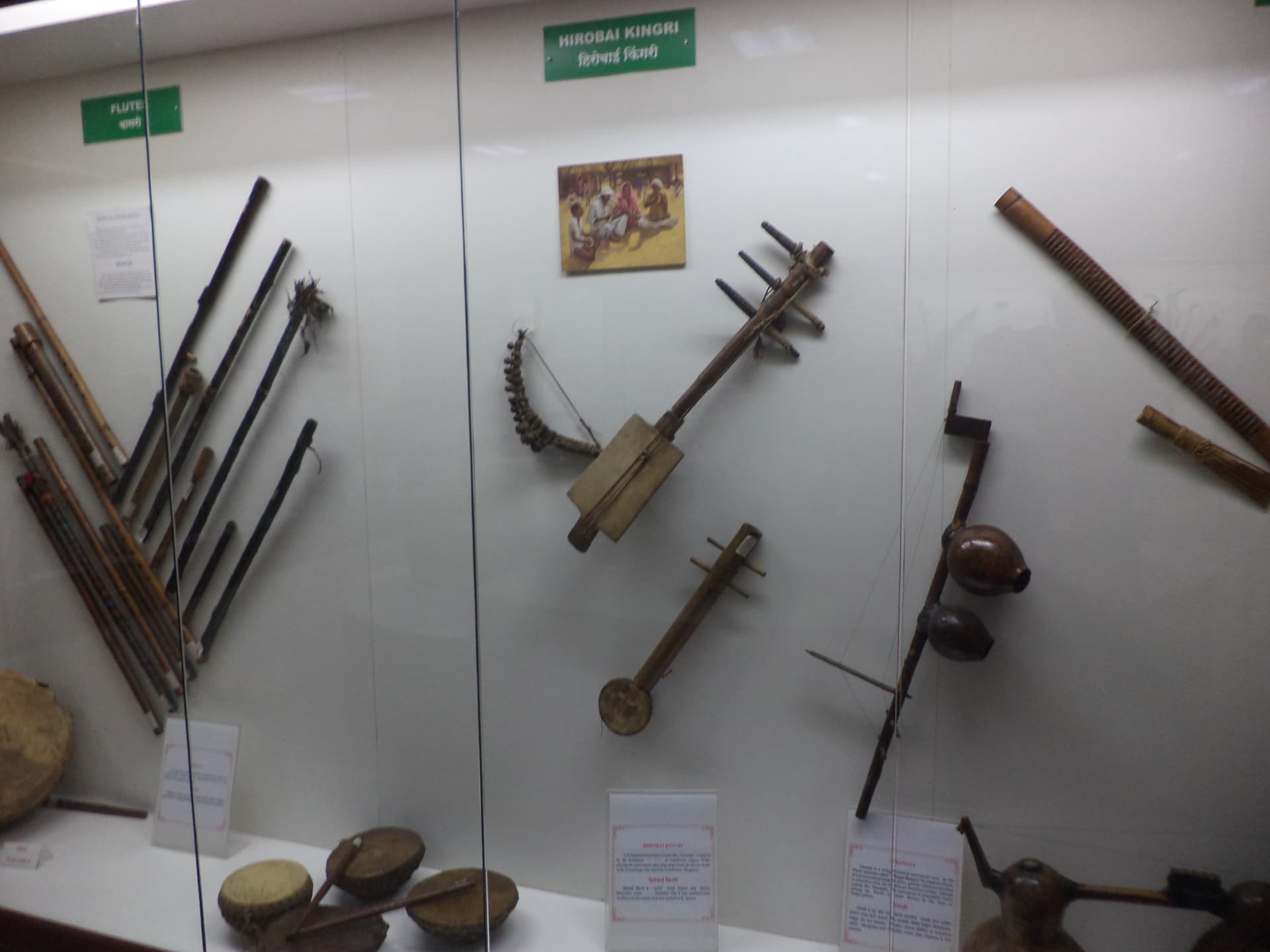
Traditional Musical Instruments: A significant section of the museum is dedicated to traditional tribal musical instruments. Visitors can see and learn about a variety of instruments, such as the dhol (drum), shehnai (wind instrument), and various string instruments. These instruments play a crucial role in tribal ceremonies, celebrations, and rituals, reflecting the importance of music in tribal culture.
Tribal Rituals and Festivals: The museum provides detailed information about the various rituals and festivals celebrated by the tribal communities. Exhibits include photographs, descriptions, and artifacts related to important tribal ceremonies such as weddings, harvest festivals, and religious rites. These displays highlight the rich cultural heritage and deep spiritual beliefs that are integral to tribal life.
Nearby Attractions
Osho Garden: Located close to the Pune Tribal Museum, Osho Garden in Koregaon Park is a tranquil and beautifully landscaped garden. It offers a serene environment for meditation and relaxation, with lush greenery, scenic pathways, and water features.
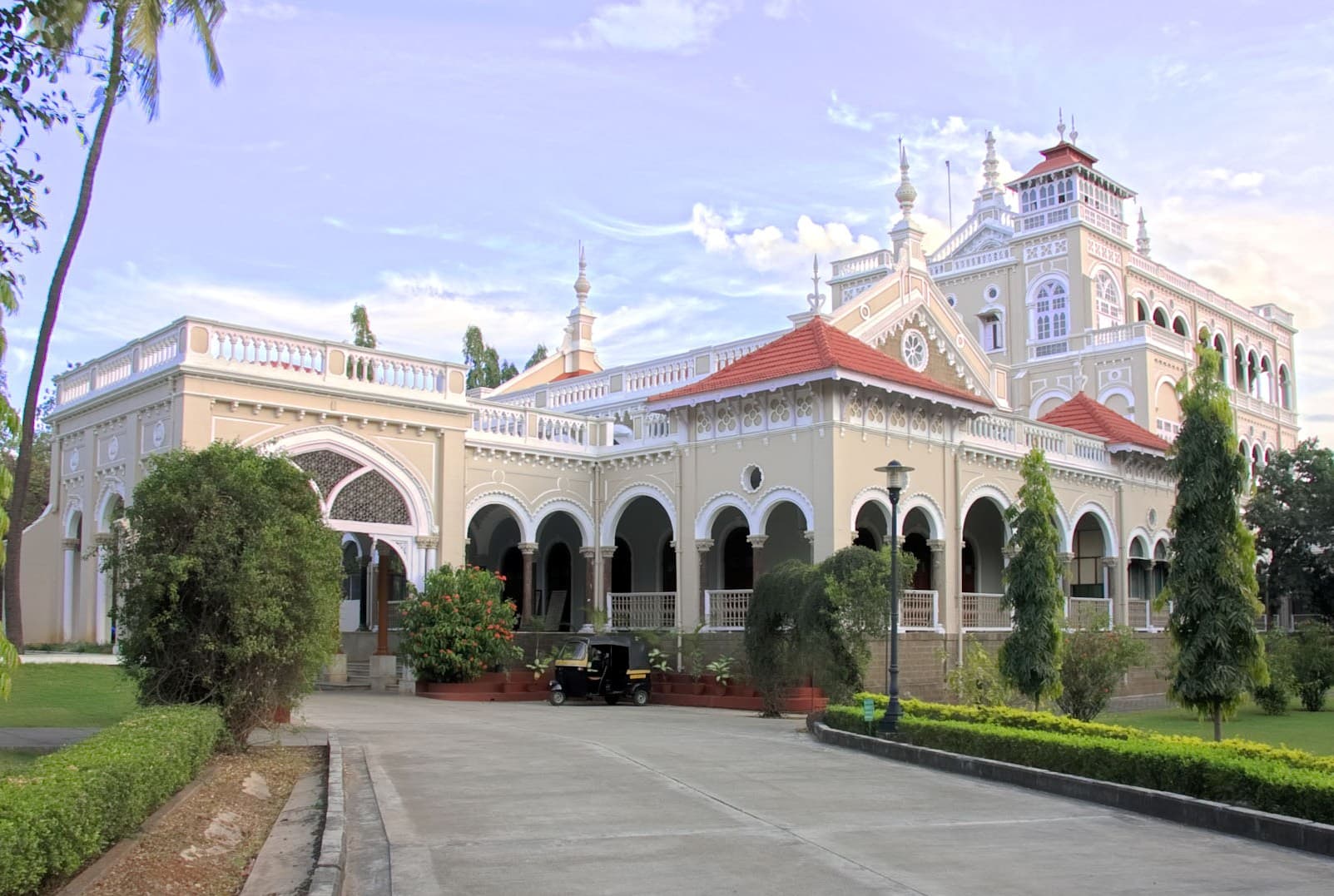
Aga Khan Palace: A short drive from the museum, the Aga Khan Palace is a significant historical site associated with the Indian freedom movement. It served as a prison for Mahatma Gandhi and his associates during the Quit India Movement. The palace now houses a museum with exhibits related to Gandhi’s life and legacy.
Bund Garden: Bund Garden, also known as Mahatma Gandhi Udyan, is a picturesque park located near the museum. It is ideal for leisurely walks, picnics, and boating along the Mula-Mutha River. The garden’s well-maintained lawns and peaceful ambiance make it a popular spot for families and nature lovers.
Shaniwar Wada: Another notable attraction nearby is Shaniwar Wada, a historic fortification that was once the seat of the Peshwas of the Maratha Empire. The fort’s majestic architecture and the evening light and sound show attract numerous visitors, offering a glimpse into Pune’s rich history.
Best Time to Visit
The best time to visit the Pune Tribal Museum is during the winter months, from October to February. During this period, the weather in Pune is pleasant and ideal for sightseeing and outdoor activities. The temperatures are moderate, ranging from 10°C to 25°C (50°F to 77°F), making it comfortable to explore the museum and its surroundings. The monsoon season (June to September) brings moderate to heavy rainfall, which can sometimes disrupt travel plans but also enhance the greenery of the area. The summer months (March to May) can be hot, with temperatures often exceeding 35°C (95°F), making outdoor excursions less comfortable.

Leave the planning to a local expert
Conclusion
The Pune Tribal Museum offers a unique and enriching experience for anyone interested in learning about the diverse tribal cultures of Maharashtra. Its extensive collection of artifacts, traditional crafts, musical instruments, and detailed dioramas provides a comprehensive insight into the lives and traditions of the state’s tribal communities. The museum serves as an important cultural and educational resource, preserving and promoting the heritage of these indigenous people.