
Shaniwar Wada
Overview
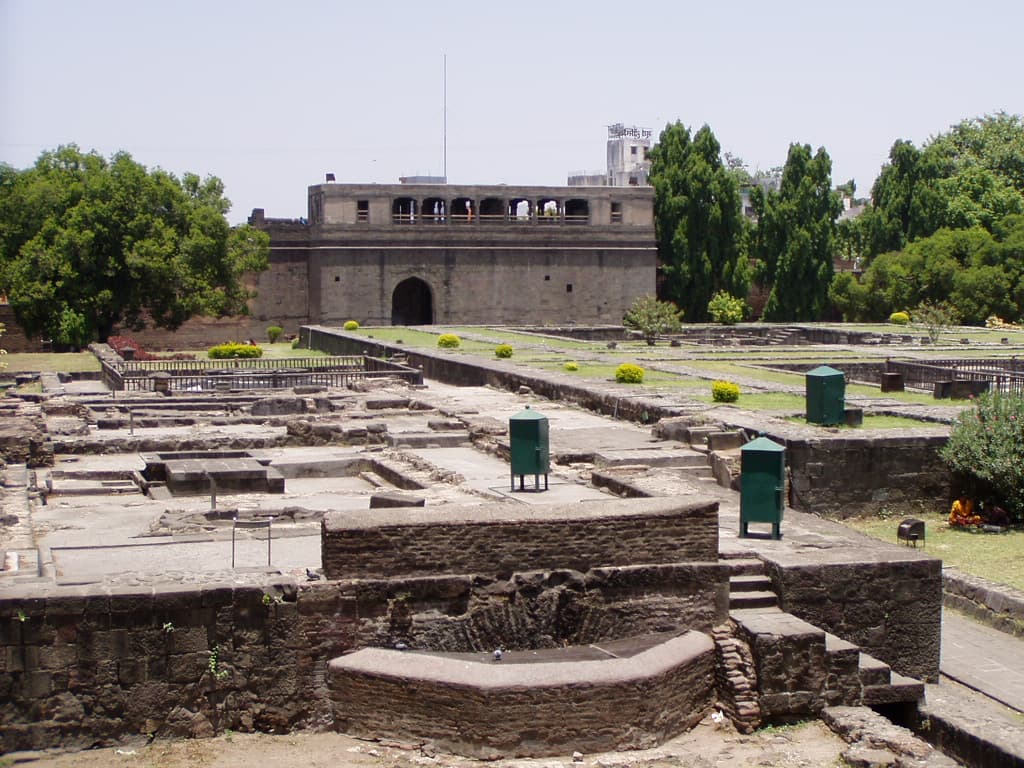
Shaniwar Wada, in the center of Pune, Maharashtra, is one of the city's most important historical sites. This massive structure was erected in 1732 and served as the seat of the Maratha Empire's Peshwas until their demise in 1818. Shaniwar Wada represents the Marathas' architectural brilliance and long heritage.
Label: Must Visit
How to reach: Bike, Bus, Taxi, Auto
Timings: 9:00 AM to 5:00 PM
Time Required: 1-2 Hours
Entry Fee: INR 50 Per Person
Key Highlights
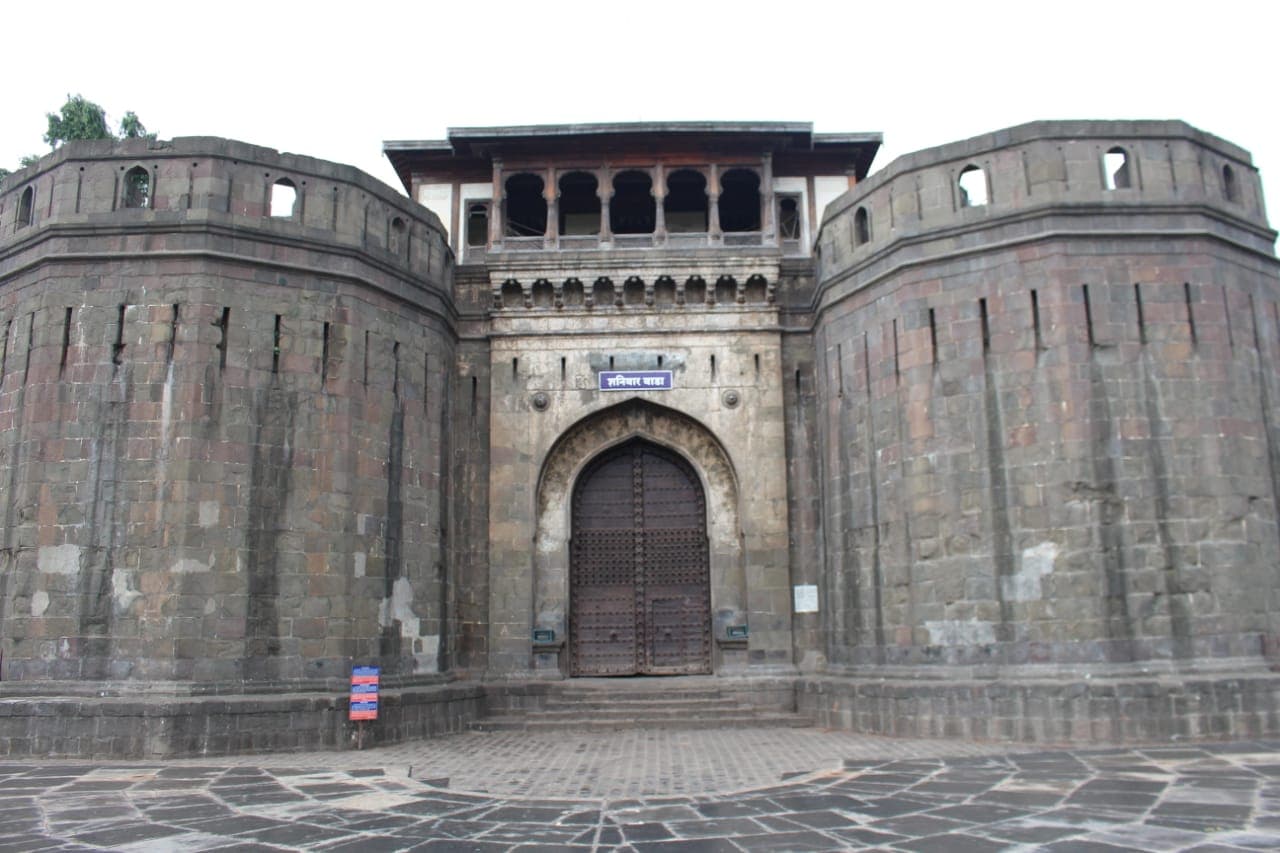
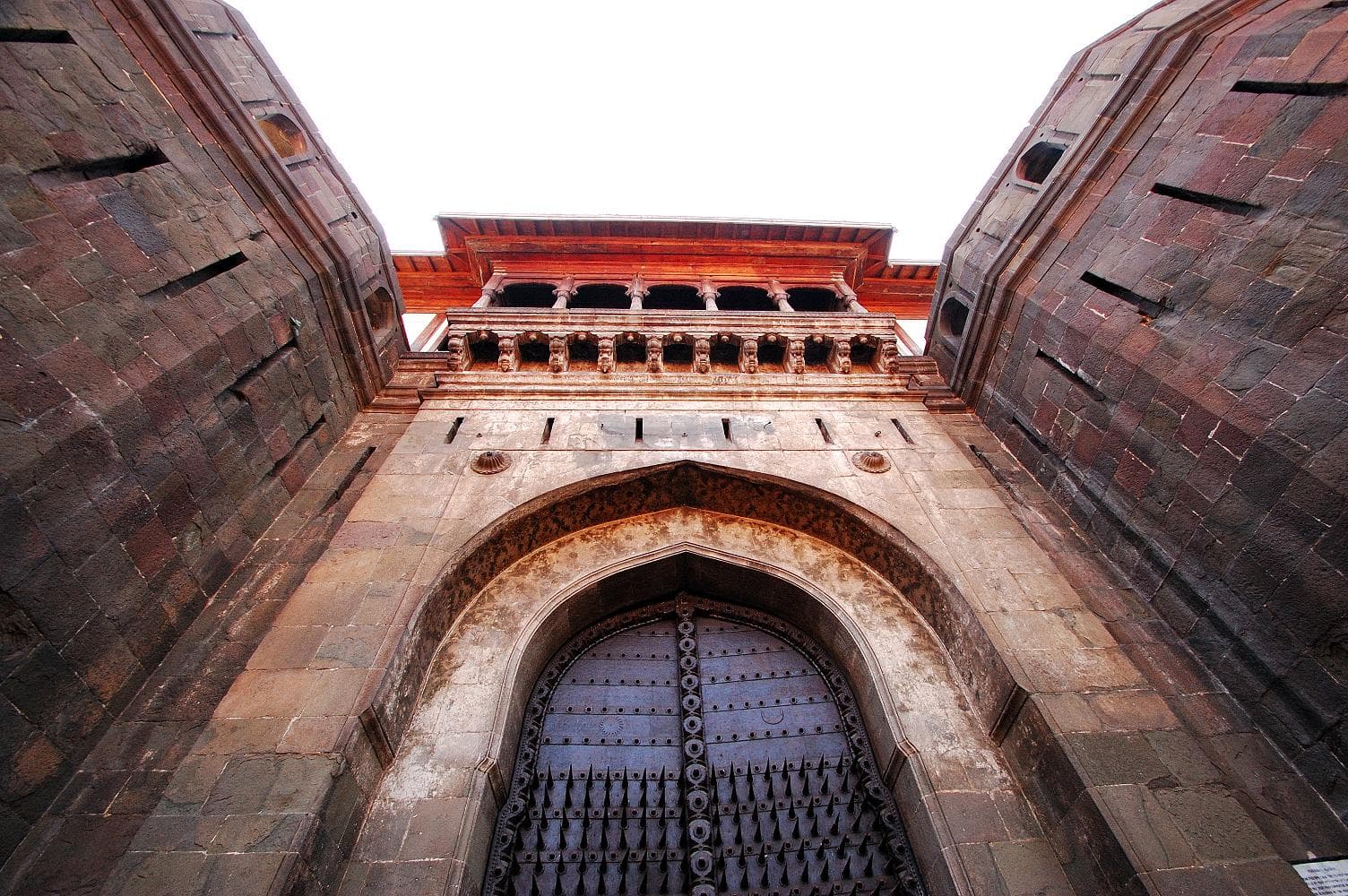
Architectural Splendor: Shaniwar Wada is renowned for its impressive architecture, blending Mughal and Maratha styles. The fort's walls, which originally extended over 13 floors, now stand as robust ruins that hint at its former grandeur. The main entrance, known as the Dilli Darwaza (Delhi Gate), is a massive and imposing structure with spikes designed to thwart charging elephants.
Inside the fort, visitors can explore the foundations of the original structures, including the palace, audience halls, and courtyards. The Nagarkhana (drum house), which stands over the main gate, once played music to announce the arrival of dignitaries. Although much of the original fort was destroyed in a fire in 1828, the remaining structures and ruins offer a glimpse into its historical significance.
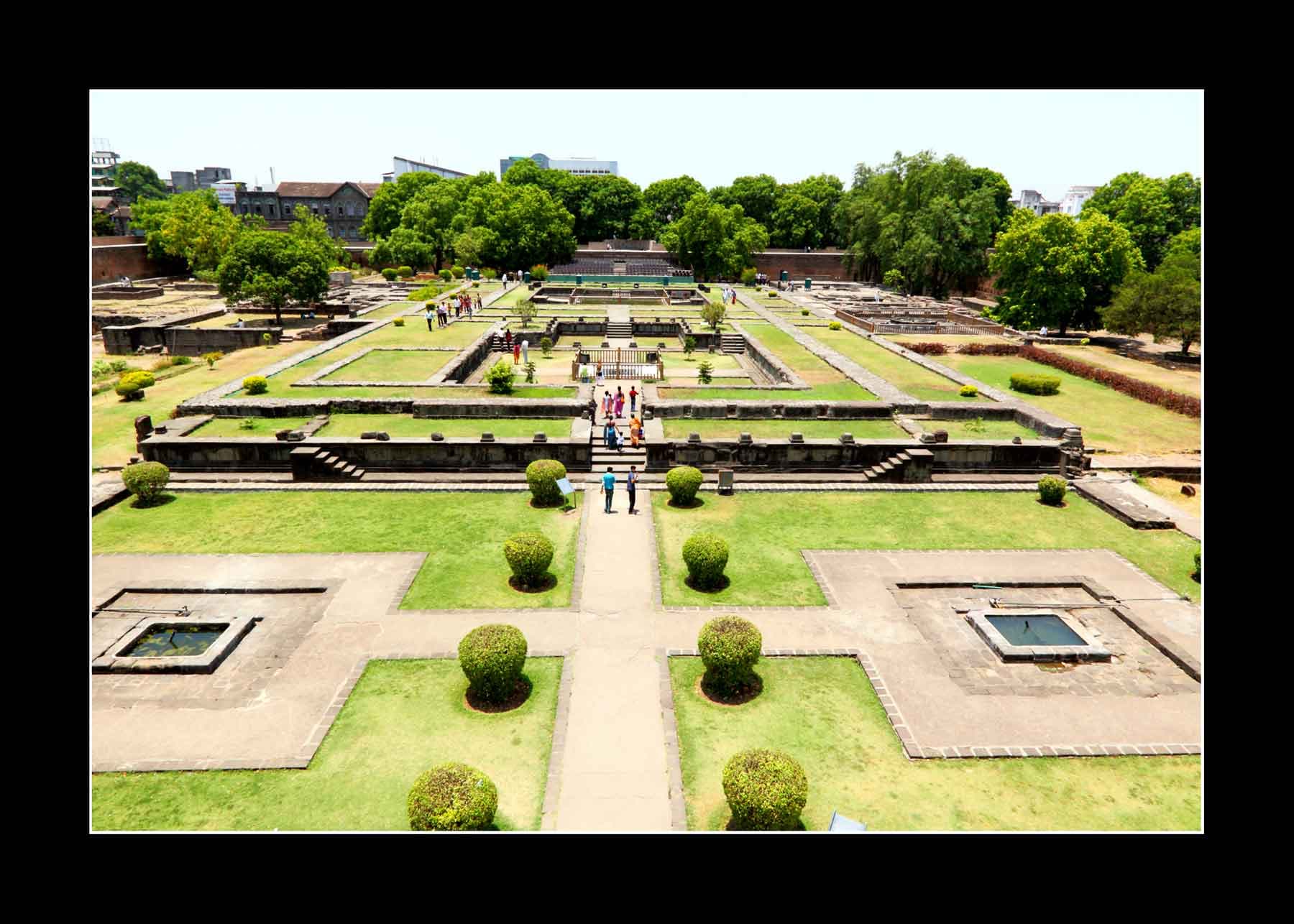
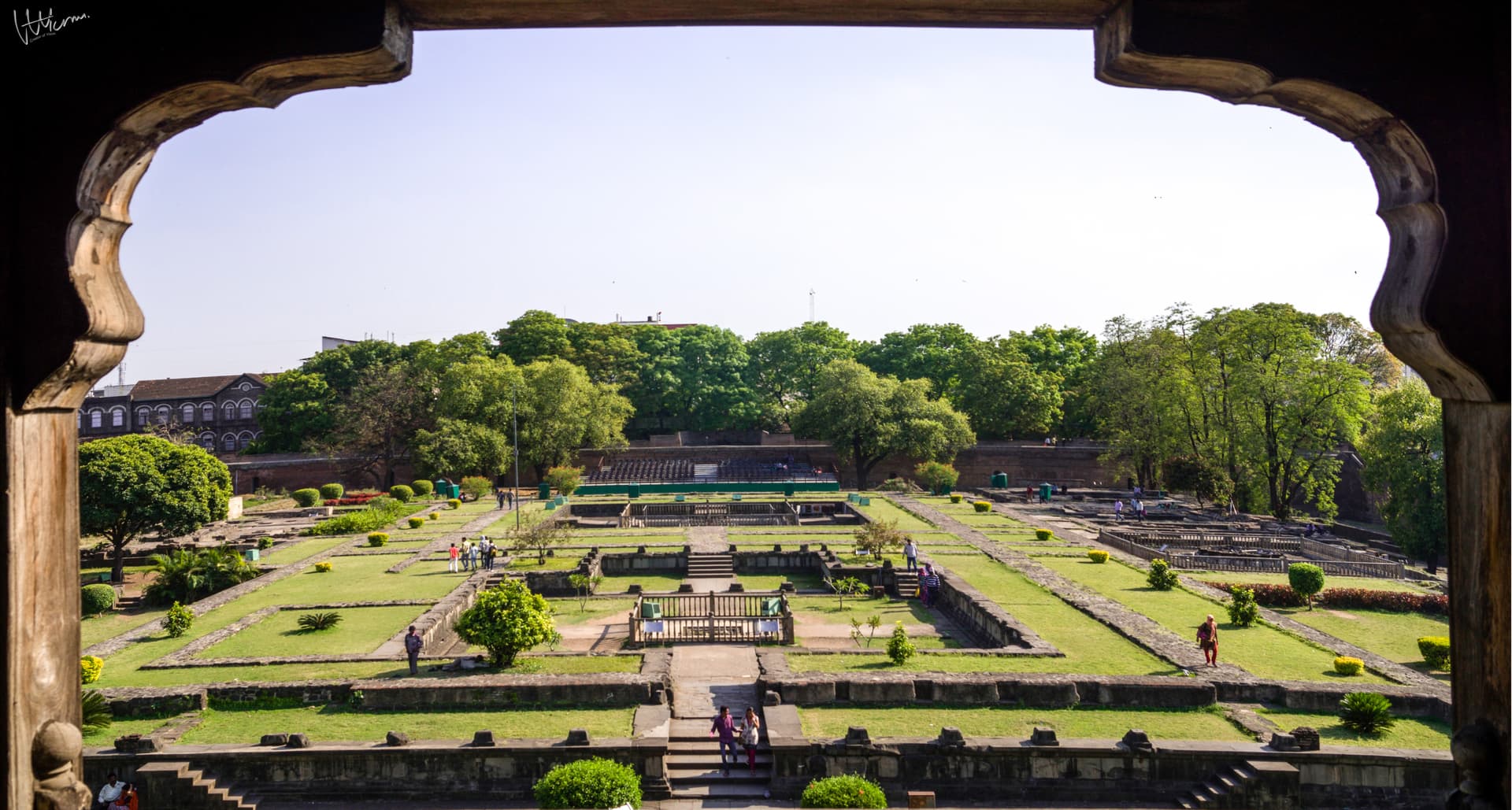
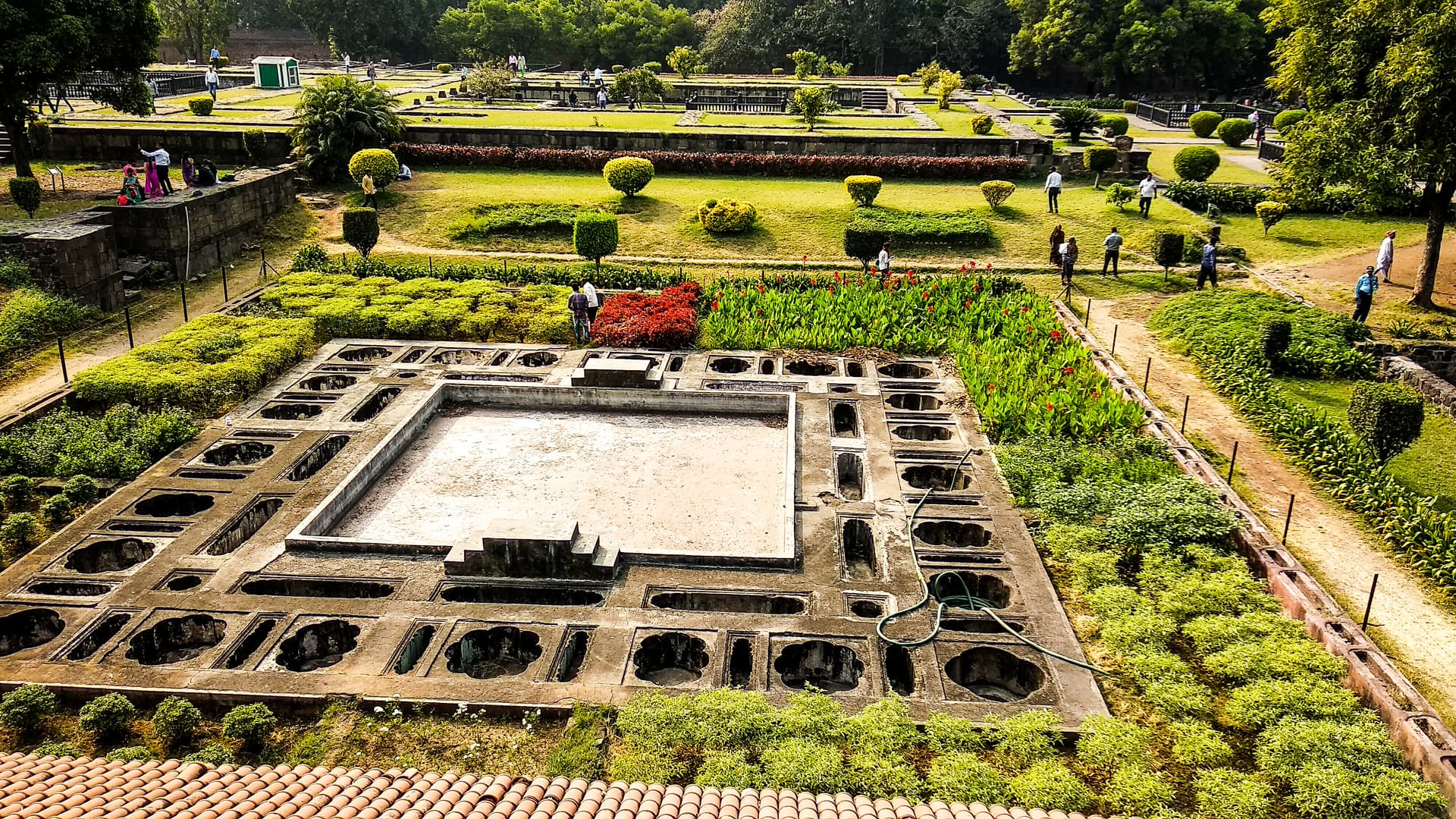
Gardens and Fountains: The gardens within Shaniwar Wada are beautifully maintained, providing a peaceful retreat amidst the bustling city. These gardens are reminiscent of the fort's days of glory, when they were adorned with intricate fountains and lush greenery. The Hazari Karanje (thousand fountains) was one of the most spectacular features, though only remnants of it remain today.
Light and Sound Show: One of the major attractions at Shaniwar Wada is the light and sound show held in the evenings. This show narrates the history of the Maratha Empire and the significance of Shaniwar Wada, bringing the fort's past to life with dramatic visuals and a captivating narrative. It is an enriching experience that offers visitors a deeper understanding of the historical context of the site.
Historical Significance: Shaniwar Wada is not just an architectural marvel but also a symbol of the Maratha Empire's political and cultural heritage. It was the epicenter of Maratha politics and played a crucial role in the administration and military strategies of the empire. The fort witnessed numerous significant events, including battles, political intrigues, and the rise and fall of the Peshwas.
Nearby Attractions
Dagdusheth Halwai Ganapati Temple: Located just a short walk from Shaniwar Wada, the Dagdusheth Halwai Ganapati Temple is one of Pune's most famous and revered temples. Dedicated to Lord Ganesha, this temple is known for its beautiful idol and the grand celebrations during Ganesh Chaturthi.
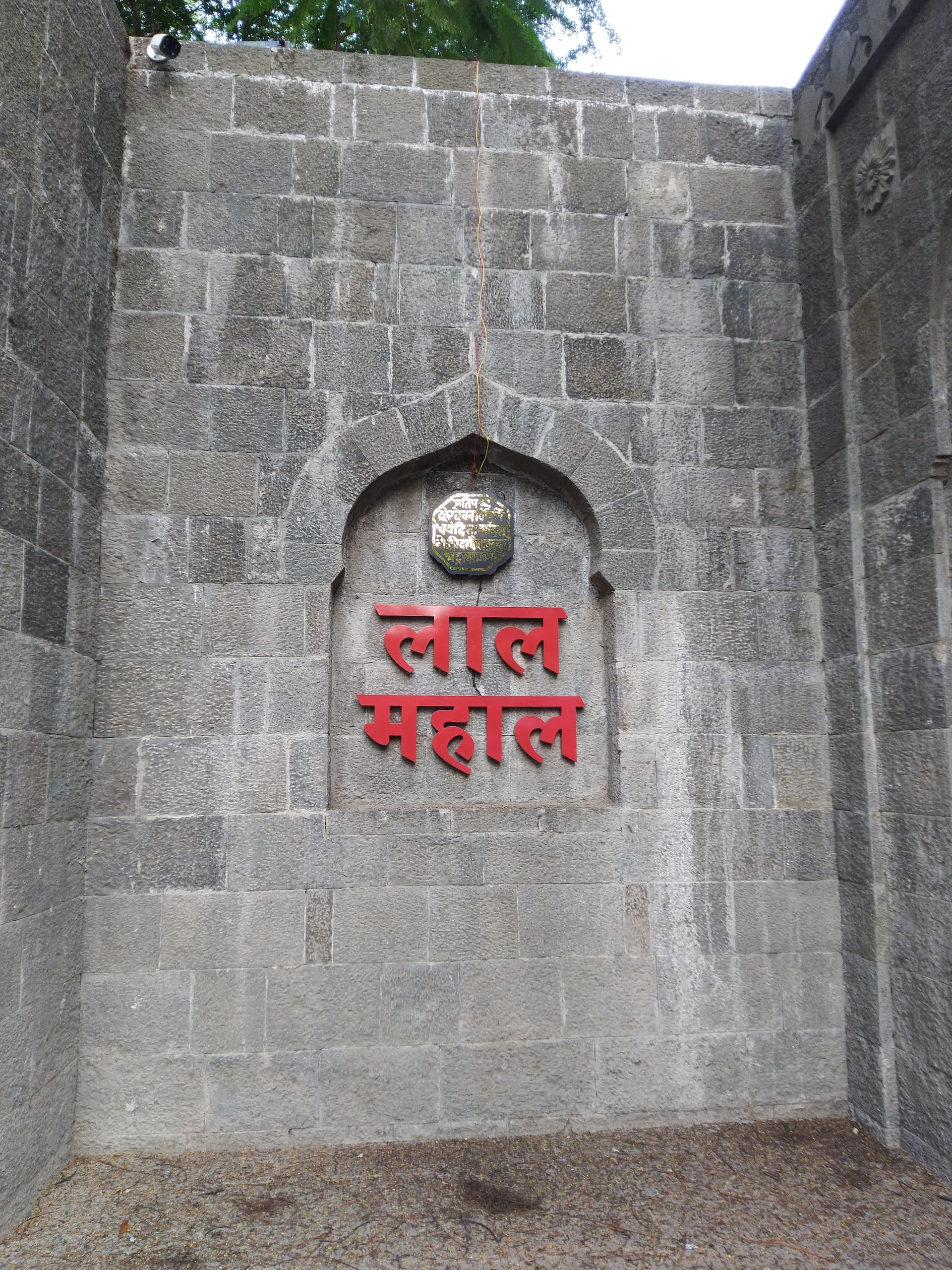
Lal Mahal: Lal Mahal, another significant historical site, is situated close to Shaniwar Wada. This palace was built by Shivaji Maharaj's father, Shahaji Bhosale, and is associated with Shivaji's childhood. It has been reconstructed and now serves as a museum, showcasing artifacts related to Shivaji Maharaj and the Maratha Empire.
Raja Dinkar Kelkar Museum: The Raja Dinkar Kelkar Museum, located nearby, houses a vast collection of artifacts that offer a glimpse into India's rich cultural heritage. The museum's exhibits include items such as traditional musical instruments, sculptures, paintings, and everyday objects from various periods and regions of India.
Pataleshwar Cave Temple: A short distance from Shaniwar Wada, the Pataleshwar Cave Temple is an 8th-century rock-cut temple dedicated to Lord Shiva. This ancient temple is carved out of a single rock and features intricate carvings and a tranquil atmosphere, making it a fascinating site for history enthusiasts and spiritual seekers.
Best Time to Visit
The best time to visit Shaniwar Wada is during the cooler months from October to February. During this period, the weather in Pune is pleasant and ideal for exploring outdoor sites. The daytime temperatures are moderate, making it comfortable to walk around the fort and its surroundings. The monsoon season (June to September) brings heavy rainfall, which can sometimes disrupt travel plans but also revitalizes the greenery around the fort. The summer months (March to May) can be hot, with temperatures rising above 35°C (95°F), making outdoor excursions less enjoyable.

Leave the planning to a local expert
Conclusion
Shaniwar Wada stands as a majestic reminder of the Maratha Empire's glory and architectural brilliance. Its historical significance, combined with its impressive architectural features and serene gardens, makes it a must-visit destination for anyone interested in the rich cultural heritage of Pune. The fort's proximity to other notable attractions like the Dagdusheth Halwai Ganapati Temple, Lal Mahal, and the Raja Dinkar Kelkar Museum allows visitors to experience the diverse historical and cultural landscape of the city. Whether you are a history enthusiast, a cultural explorer, or simply a traveler seeking to immerse yourself in the beauty of Pune, Shaniwar Wada offers a unique and enriching experience that captures the essence of the Maratha legacy.