
Sinhagad Fort
Overview
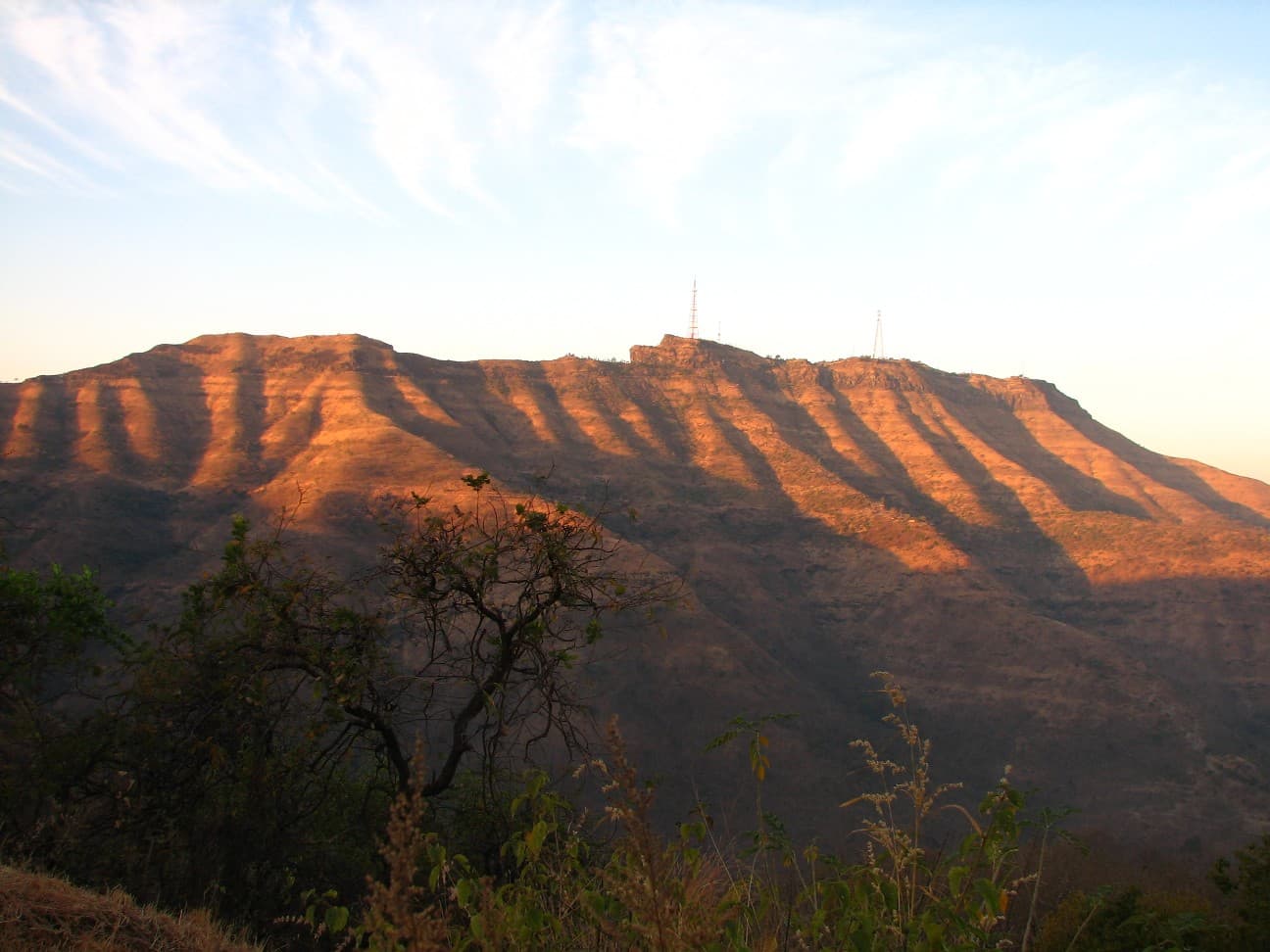
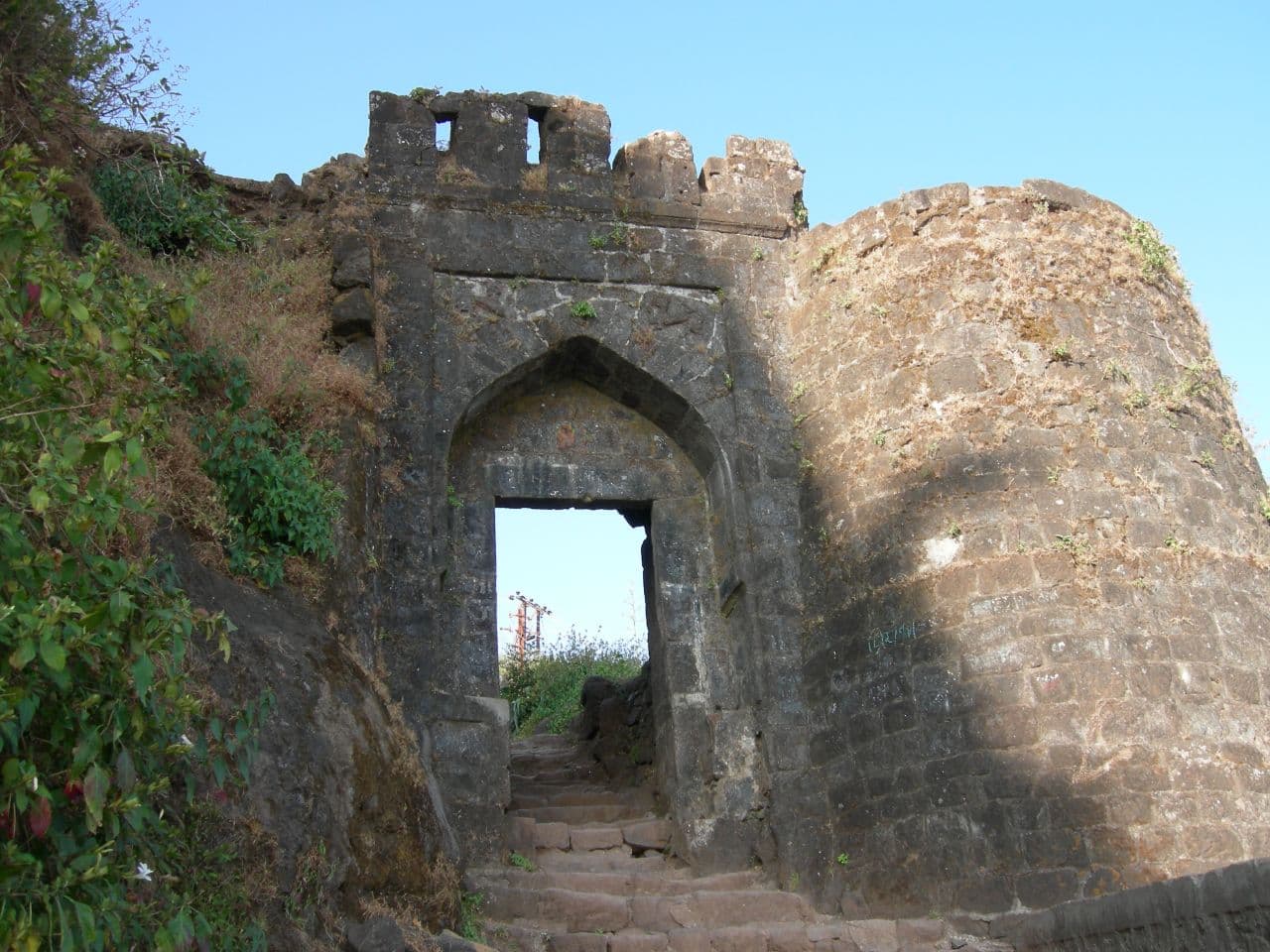
Sinhagad Fort, set on a cliff in the Sahyadri mountain range, is one of Pune's most recognizable historical sites. Located around 30 kilometers southwest of Pune, Maharashtra, this fort combines rich history, architectural grandeur, and natural beauty. Sinhagad Fort, known for its strategic importance and involvement in Maratha history, is popular among history fans, hikers, and nature lovers.
Label: Hike
How to reach: Bike, Taxi, Bus, Tempo Traveler
Timings: 6:00 AM to 6:00 PM
Time Required: 2-3 Hours
Entry Fee: INR 20 for Two wheeler and INR 50 for Four wheeler
Key Highlights
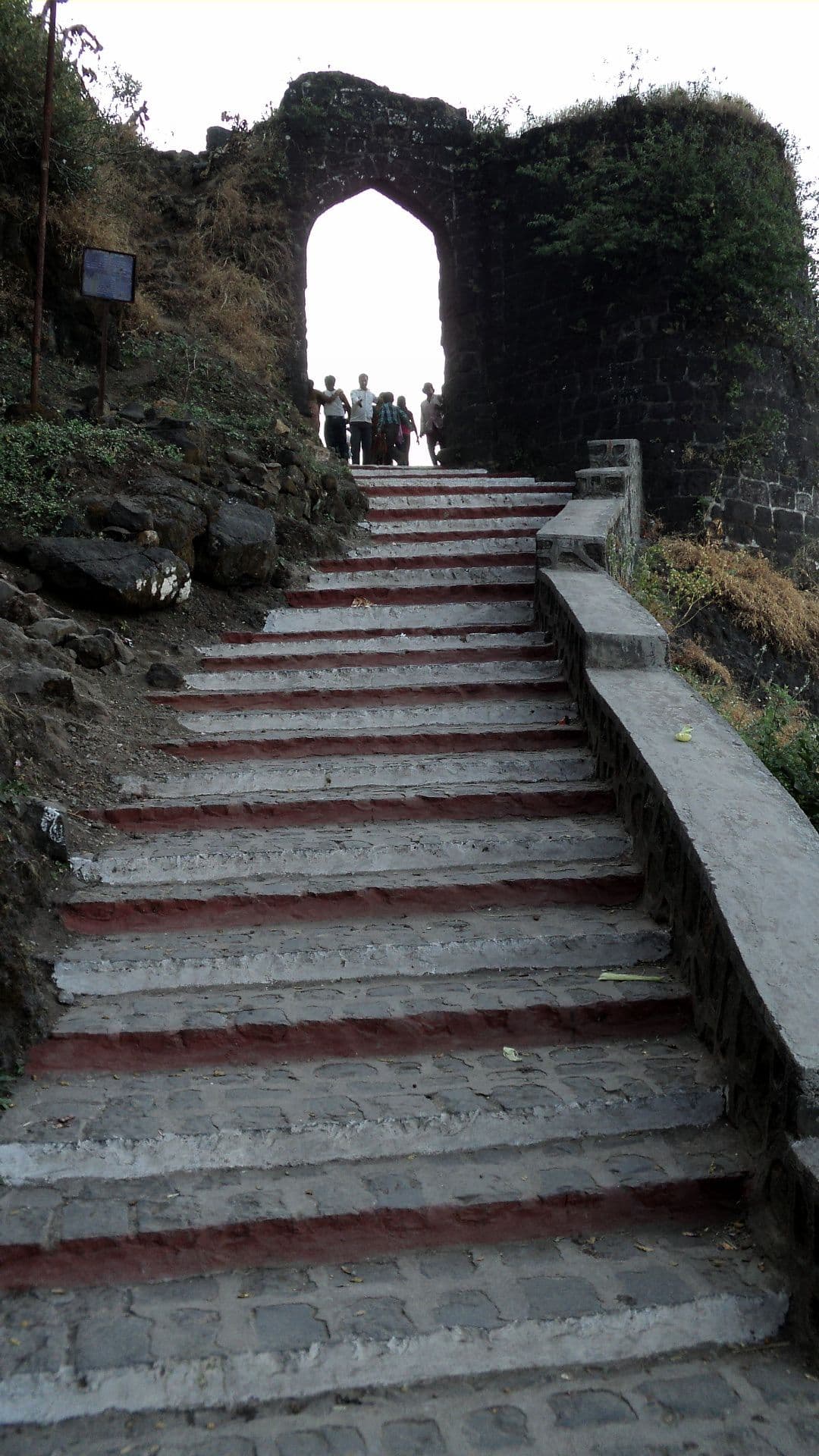
Historical Significance: Sinhagad Fort, originally known as Kondhana, has a history that dates back over 2,000 years. It has witnessed numerous battles, with one of the most famous being the Battle of Sinhagad in 1670. During this battle, Tanaji Malusare, a trusted lieutenant of Chhatrapati Shivaji Maharaj, led a daring night attack to recapture the fort from the Mughals. Despite his death in the battle, his bravery led to a Maratha victory, and the fort was subsequently renamed Sinhagad, meaning "Lion's Fort," in his honor.
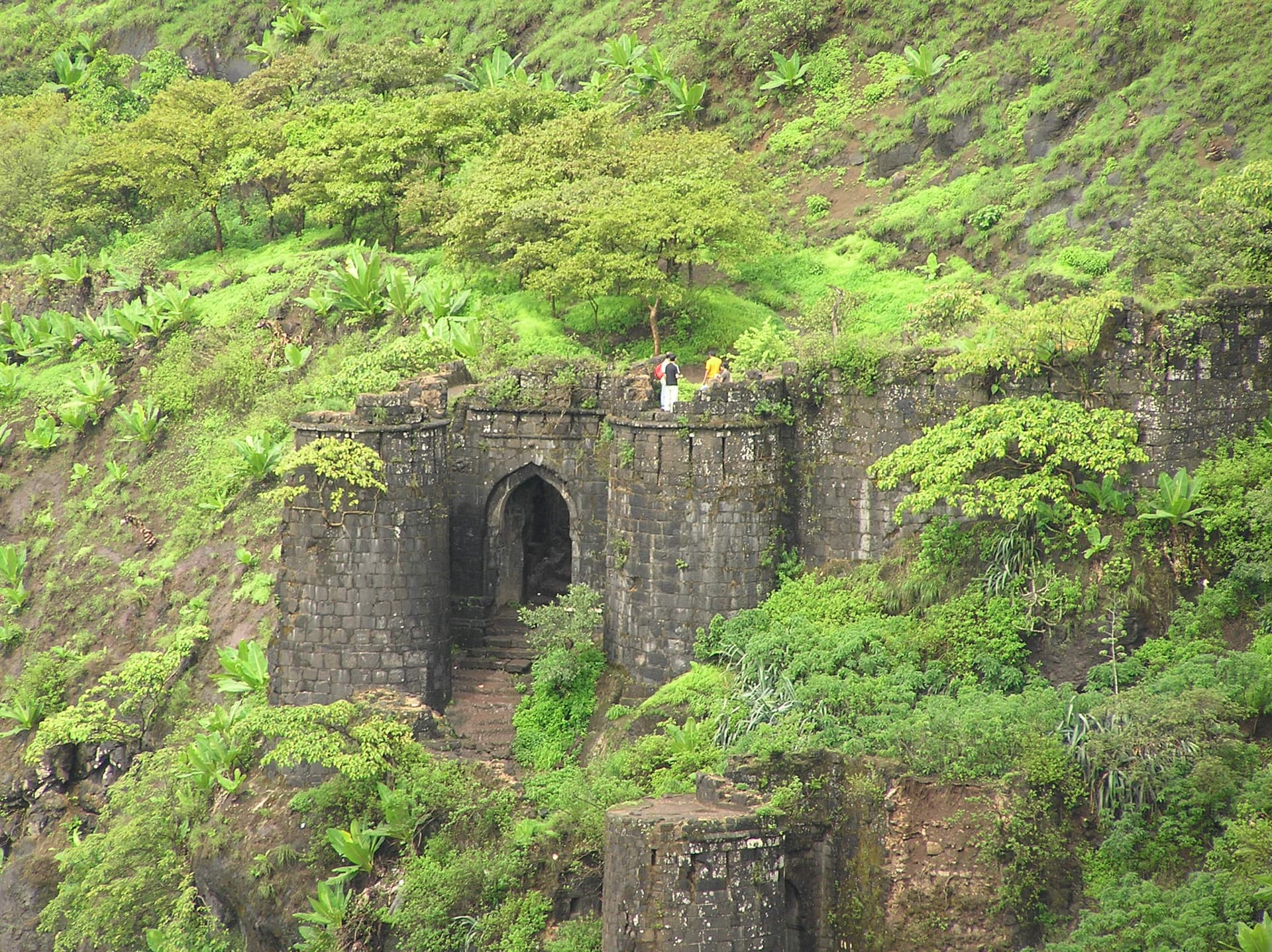
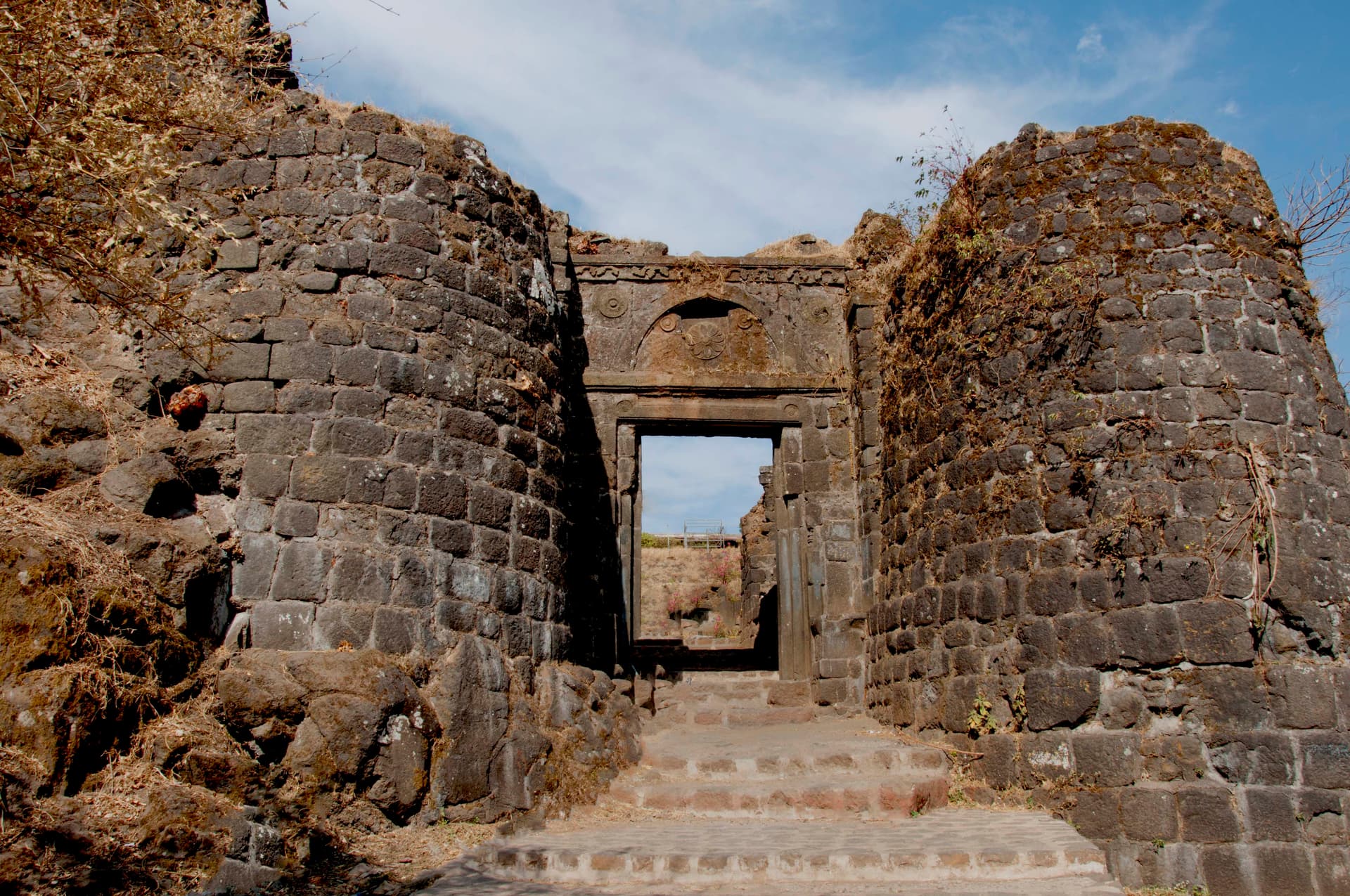
Architectural Features: The fort’s architecture reflects its historical and military significance. It features robust bastions, gateways, and fortifications. The main entrance, Pune Darwaza, and the Kalyan Darwaza are notable for their grandeur and strategic design. Within the fort, visitors can explore remnants of old buildings, water cisterns, and storerooms. The fort's elevated position offers a commanding view of the surrounding valleys and hills, making it an ideal location for defense and surveillance in its time.
Monuments and Memorials: Sinhagad Fort is home to several monuments and memorials that pay tribute to its historical legacy. The Tanaji Malusare Memorial commemorates the bravery of the warrior who played a crucial role in the fort's recapture. Another significant site is the tomb of Rajaram Chhatrapati, Shivaji’s younger son, who spent the last years of his life here. The fort also houses a temple dedicated to Goddess Kali, adding a spiritual dimension to the visit.
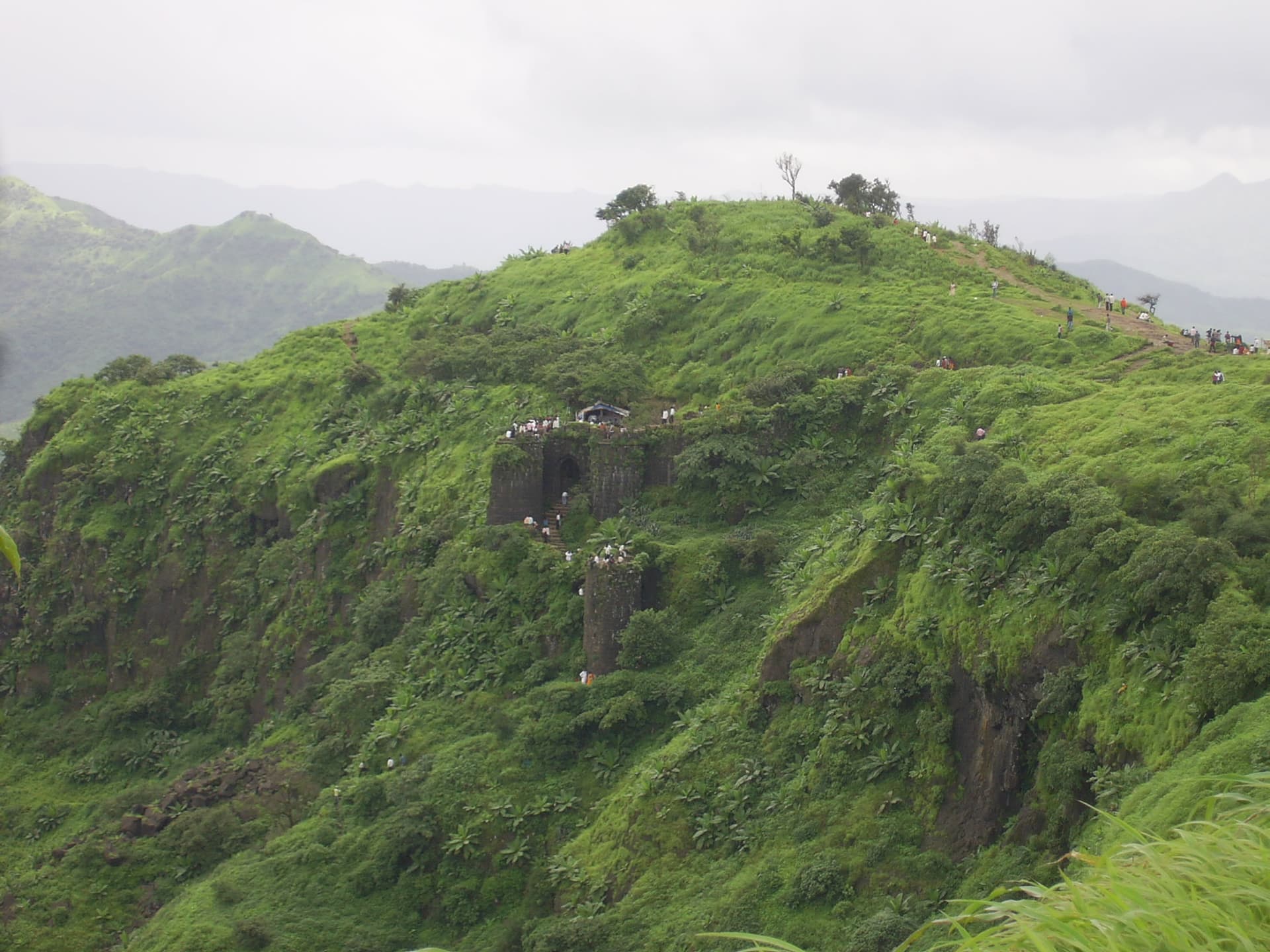
Natural Beauty and Trekking: The fort is surrounded by the lush greenery of the Sahyadri range, making it a popular destination for trekkers and nature enthusiasts. The trek to Sinhagad Fort is moderately challenging, with trails that offer scenic views of the valleys, waterfalls, and flora. During the monsoon season, the landscape is particularly vibrant, with cascading waterfalls and blooming wildflowers enhancing the natural beauty.
Nearby Attractions
%201.jpg&w=1920&q=75)
Khadakwasla Dam: Located en route to Sinhagad Fort, Khadakwasla Dam is a popular picnic spot known for its serene water reservoir and scenic surroundings. Visitors can enjoy boating, photography, and leisurely walks along the dam, making it an ideal stop before or after visiting the fort.
Panshet Dam: A short drive from Sinhagad Fort, Panshet Dam is another picturesque location that offers water sports and outdoor activities. The dam's tranquil setting amidst rolling hills makes it a perfect spot for relaxation and recreation.
National Defence Academy (NDA): The NDA, located near Khadakwasla Dam, is the premier joint training institution for the Indian Army, Navy, and Air Force. While the academy itself is not open to the public, the surrounding area is rich in history and offers a glimpse into India's military heritage.
Rajgad Fort: Rajgad Fort, another historically significant fort, is situated about 40 kilometers from Sinhagad Fort. It served as the capital of the Maratha Empire under Shivaji Maharaj for over 25 years. The trek to Rajgad Fort is popular among trekking enthusiasts and history lovers.
Best Time to Visit
The best time to visit Sinhagad Fort is during the monsoon and winter months, from June to February. The monsoon season (June to September) transforms the landscape into a lush green paradise with numerous waterfalls and streams, making the trek more enjoyable despite the slippery trails. The winter months (October to February) offer cool and pleasant weather, ideal for trekking and exploring the fort without the heat of summer. Summers (March to May) can be quite hot, with temperatures rising above 35°C (95°F), making the trek challenging due to the heat and dry conditions.

Leave the planning to a local expert
Conclusion
Sinhagad Fort stands as a testament to the valor and strategic acumen of the Maratha Empire. Its rich history, coupled with its architectural remnants and natural beauty, makes it a must-visit destination for those exploring Pune and its surroundings. The fort offers a unique blend of historical exploration and outdoor adventure, appealing to a wide range of visitors, from history buffs to trekking enthusiasts.
The proximity of Sinhagad Fort to other attractions such as Khadakwasla Dam, Panshet Dam, and Rajgad Fort allows for a comprehensive exploration of the region's natural beauty and historical significance. Whether you are drawn by the tales of bravery and valor, the serene landscapes, or the thrill of trekking, Sinhagad Fort provides a memorable and enriching experience that captures the essence of Maharashtra's rich cultural and natural heritage.