
Ram Setu
Overview
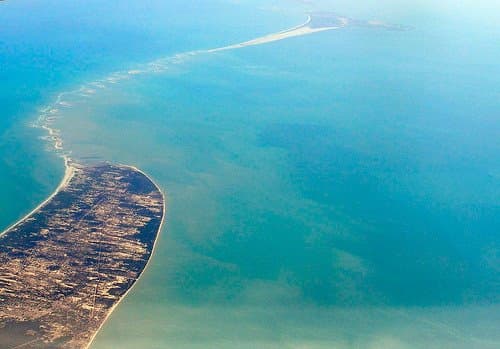
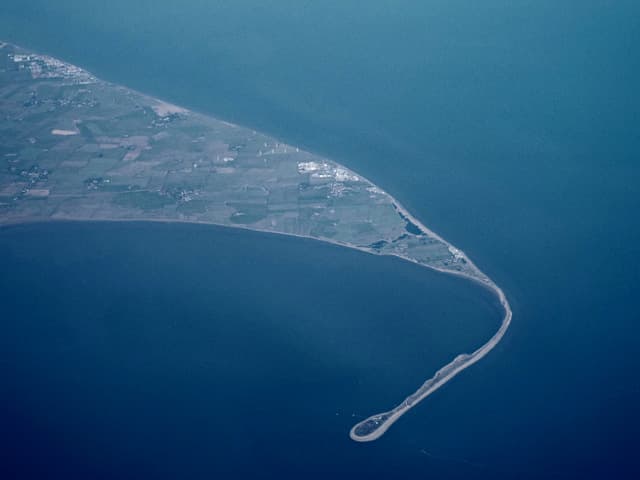
Ram Setu, also known as Adam's Bridge, is a chain of limestone shoals between Pamban Island, also known as Rameswaram Island, off the southeastern coast of Tamil Nadu, India, and Mannar Island, off the northwestern coast of Sri Lanka. It forms a natural bridge connecting India and Sri Lanka across the Gulf of Mannar. Ram Setu holds immense religious and cultural significance in Hindu mythology, as it is believed to have been built by Lord Rama's army of vanaras (monkeys) and bears to reach Lanka and rescue his wife Sita from the demon king Ravana.
Historical Significance
According to the Ramayana, an ancient Indian epic, Lord Rama built the bridge to cross over to Lanka. The bridge has been a subject of historical debate and exploration, with many claiming it to be a man-made structure dating back thousands of years.
Architectural Details:
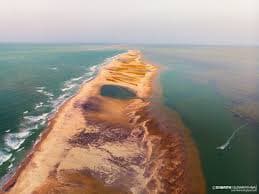
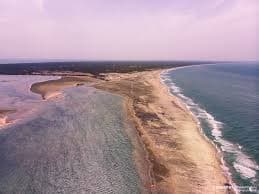
Ram Setu is primarily composed of coral reefs, sandbanks, and limestone shoals. The natural formation stretches up to 30 kilometers in length and varies in width. The stones and sandbanks are believed to have been floated by the vanaras according to the epic.
Key Features and Attractions
Religious Importance: Pilgrims visit Ram Setu as part of their religious journey associated with the Ramayana.
Scenic Beauty: The area offers stunning views of the Gulf of Mannar and the surrounding islands.
Marine Life: The Gulf of Mannar Biosphere Reserve nearby is renowned for its rich marine biodiversity.
Cultural Heritage
Ram Setu is deeply ingrained in the cultural fabric of India, symbolizing the epic tale of Lord Rama's devotion, courage, and victory of good over evil.
Nearby Attractions:
Rameswaram Temple: Located on Rameswaram Island, it is one of the holiest temples in Hinduism.
Dhanushkodi: A ghost town near Rameswaram, known for its ruins and scenic beauty.
Gulf of Mannar Marine National Park: Famous for its diverse marine life and coral reefs.

Leave the planning to a local expert
Festivals and Events:
Ram Navami: Celebrated to mark the birth of Lord Rama, usually in March or April.
Thaipusam: A significant Tamil festival celebrated with fervor in Rameswaram.
Accommodation and Stays:
Rameswaram offers a range of accommodation options from budget guesthouses to luxury hotels, catering to the needs of pilgrims and tourists.
Sustainability and Conservation:
Efforts are underway to preserve the natural ecosystem of the Gulf of Mannar Biosphere Reserve and ensure sustainable tourism practices around Ram Setu.
Tips for Visitors
Respect local customs and religious sentiments.
Carry necessary permits if visiting restricted areas.
Follow eco-friendly practices to preserve the natural beauty of the region.
Conclusion:
Ram Setu is not just a geological formation but a symbol of faith and history, attracting pilgrims, historians, and nature enthusiasts alike. Its rich cultural heritage, stunning natural beauty, and religious significance make it a unique destination that continues to captivate visitors from around the world.