
Kodachadri Hills

Overview
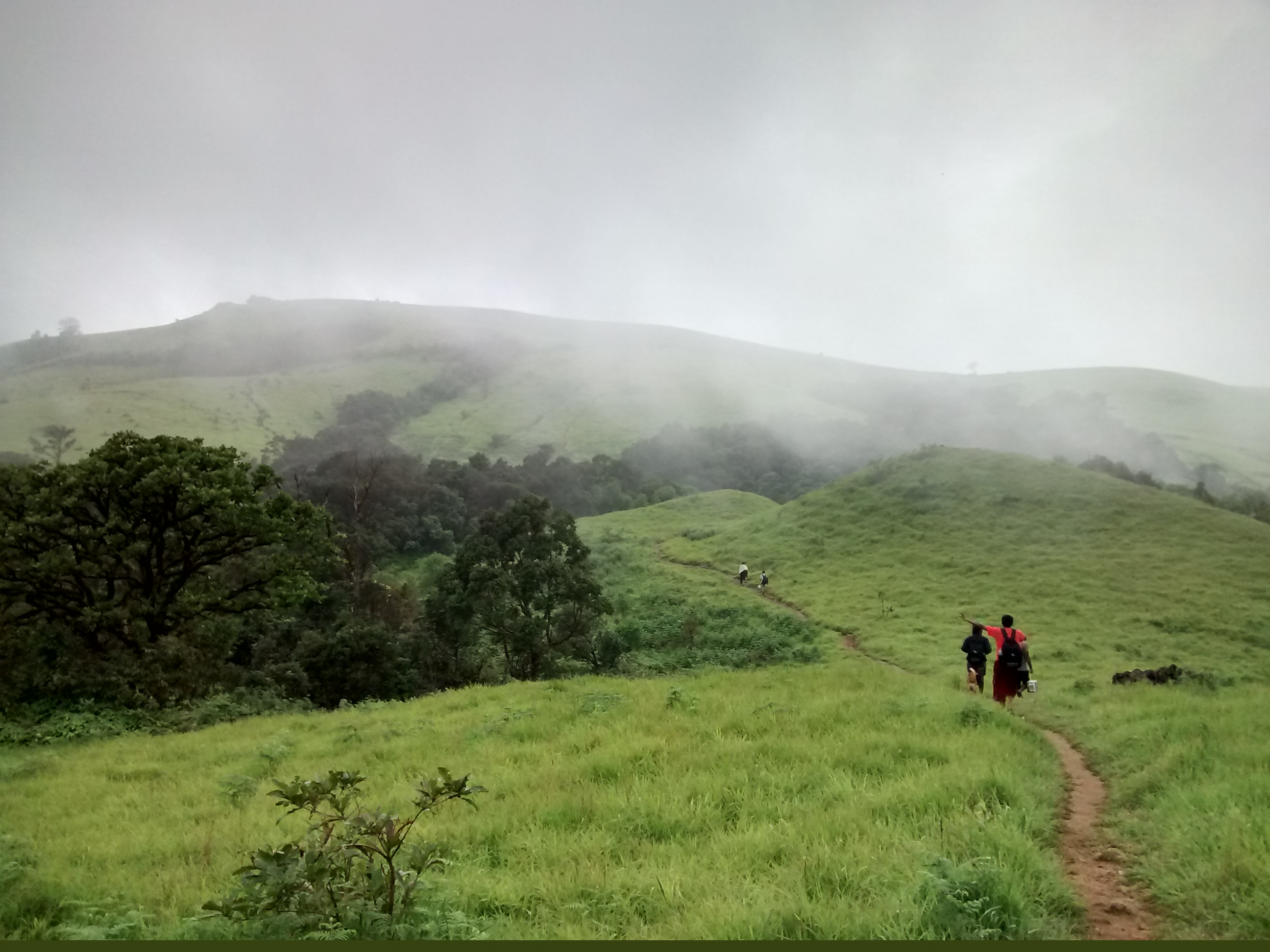
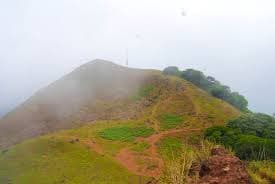
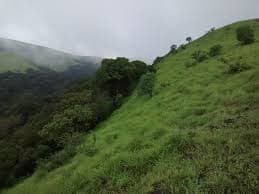
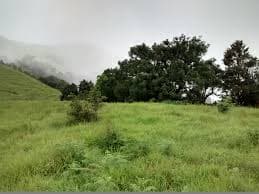
Kodachadri Hills, located in the Western Ghats of Karnataka, India, is a renowned trekking destination and a biodiversity hotspot. Standing at an elevation of about 1,343 meters, it is the 10th highest peak in Karnataka and offers a spectacular blend of natural beauty, historical significance, and cultural heritage.
Historical Significance:
Kodachadri Hills holds significant historical and mythological importance. It is believed to be the place where the sage Adi Shankaracharya meditated and where he established a temple dedicated to the goddess Mookambika. The peak is associated with many legends from Hindu mythology, making it a revered site for devotees and trekkers alike.
Details:
Mookambika Temple: Located near the peak, the Mookambika Temple is an ancient structure with Dravidian architectural influences. It is a small shrine dedicated to the goddess and is considered highly sacred by pilgrims.
Sarvajna Peetha: At the summit, there is a small stone structure known as Sarvajna Peetha, which is believed to be the meditation site of Adi Shankaracharya. It offers panoramic views of the surrounding landscapes.
Key Features and Attractions:
Trekking Routes: Kodachadri is famous for its challenging trekking routes that pass through dense forests, waterfalls, and meadows. The trek typically starts from the village of Kollur and takes about 6-7 hours to reach the peak.
Hidlumane Falls: A series of cascading waterfalls encountered during the trek, Hidlumane Falls is a refreshing stop for trekkers.
Sunset Viewpoint: The peak offers an incredible view of the sunset over the Arabian Sea, which is a major highlight for visitors.
Biodiversity: The hills are part of the Mookambika Wildlife Sanctuary and are home to a rich variety of flora and fauna, including endangered species.
Cultural Heritage:
Kodachadri is not only a natural paradise but also a culturally rich site. It is closely associated with the worship of the goddess Mookambika and attracts pilgrims throughout the year. The region's cultural heritage is evident in the local traditions, festivals, and the reverence with which the natural landscape is treated.
Nearby Attractions:
Kollur Mookambika Temple: Located at the base of Kodachadri, this temple is one of the most significant pilgrimage sites in Karnataka.
Arasinagundi Falls: Another beautiful waterfall near Kodachadri, accessible through a trek from Kollur.
Nagara Fort: A historic fort located about 25 km from Kodachadri, offering insights into the region's history and architecture.
Local Cuisine:
Malnad Cuisine: The local cuisine is a delightful mix of flavors, with dishes like Akki Rotti (rice roti), Kesari Bath, and various coconut-based curries.
Freshwater Fish: The region's rivers and streams provide fresh fish, which is a staple in the local diet.

Leave the planning to a local expert
Festivals and Events:
Mookambika Devi Festival: Celebrated with great fervor at the Kollur Mookambika Temple, attracting thousands of devotees.
Karnataka Rajyotsava: The state festival celebrated with cultural programs, traditional dances, and local food fairs.
Accommodation and Stays:
Homestays: There are several homestays in and around Kodachadri, offering comfortable accommodation and a taste of local hospitality.
Guesthouses: Basic guesthouses are available in Kollur and nearby villages, providing budget-friendly options for trekkers.
Eco-Resorts: Eco-friendly resorts are available, offering sustainable stays with modern amenities.
Sustainability and Conservation:
Kodachadri is part of the Western Ghats, a UNESCO World Heritage site known for its biodiversity. Conservation efforts focus on protecting the rich flora and fauna of the region, promoting eco-tourism, and ensuring that trekking and other activities have minimal environmental impact. Visitors are encouraged to follow Leave No Trace principles to help preserve the natural beauty.
Tips for Visitors:
Best Time to Visit: The ideal time to visit Kodachadri is from October to March when the weather is pleasant for trekking.
Trekking Preparation: Carry adequate water, snacks, and first aid. Wear sturdy trekking shoes and carry a raincoat, as the weather can be unpredictable.
Guided Tours: Hiring a local guide can enhance the trekking experience, providing insights into the local flora, fauna, and cultural significance of the region.
Respect Nature: Follow all guidelines to minimize environmental impact, such as avoiding littering and sticking to designated trails.
Conclusion:
Kodachadri Hills offers a unique blend of adventure, spirituality, and natural beauty. Its challenging trekking routes, rich biodiversity, and historical significance make it a must-visit destination for nature enthusiasts, trekkers, and pilgrims. Whether you're seeking a thrilling trek, a serene escape, or a spiritual journey, Kodachadri provides a fulfilling and memorable experience.