
Mattur Lake
Overview
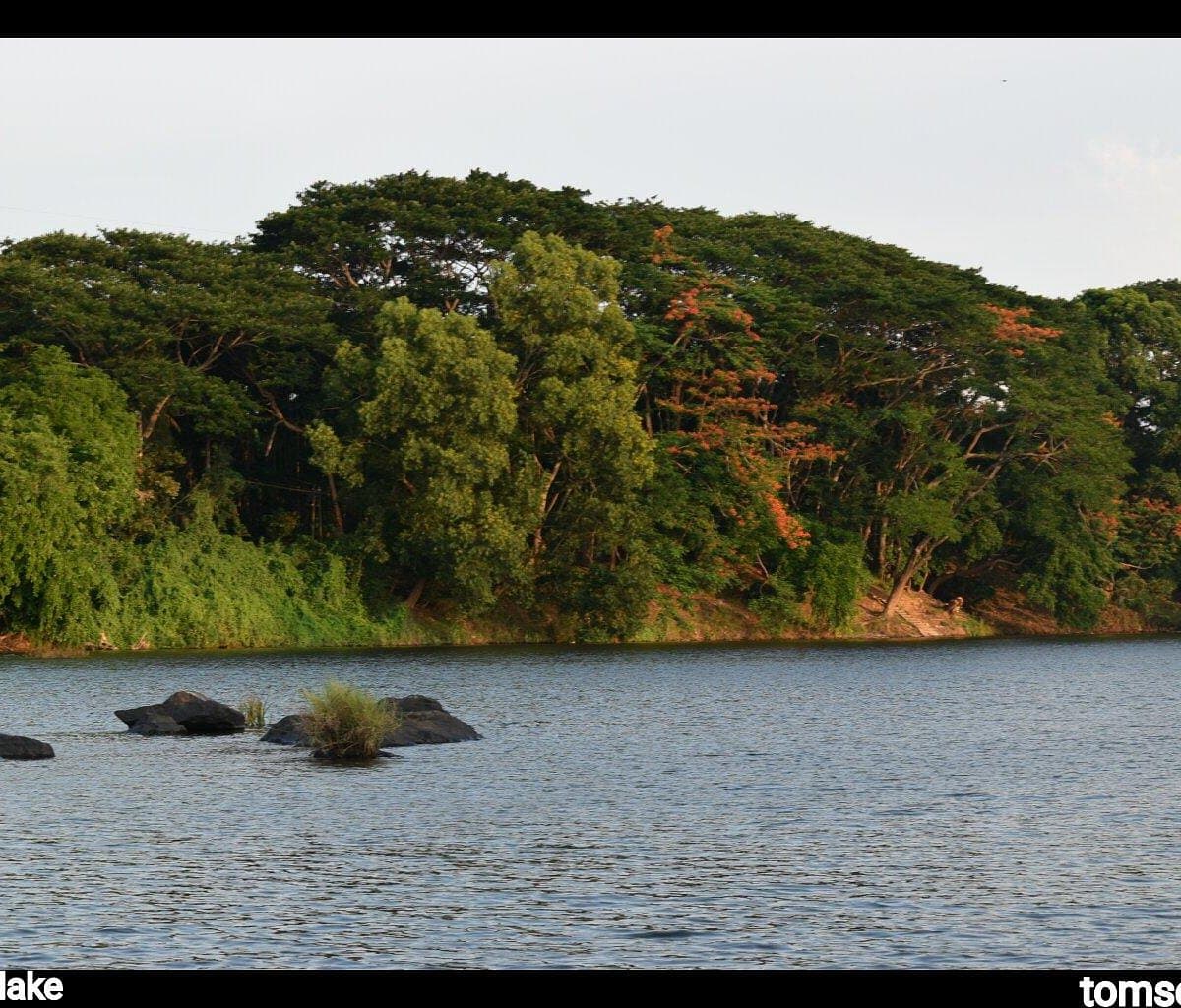
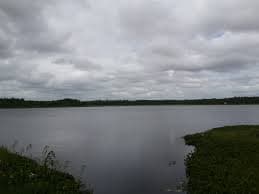
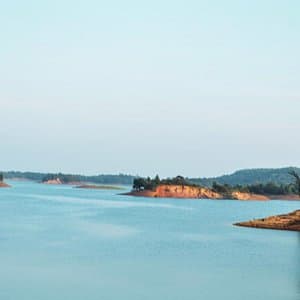
Mattur Lake, located near the village of Mattur in Karnataka, India, is a serene water body known for its scenic beauty and tranquil environment. Situated approximately 10 kilometers from Shimoga (Shivamogga), the lake serves as an important ecological zone and a popular spot for nature enthusiasts and local residents seeking relaxation and recreation.
Historical Significance:
While Mattur Lake does not have extensive historical records, its significance is rooted in its role as a natural resource for the local community. The lake supports local agriculture, provides water for various uses, and contributes to the region’s ecological balance. Its existence has been integral to the surrounding community’s traditional way of life.
Details:
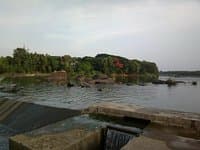
Embankments: The lake features well-maintained embankments that help in controlling water levels and preventing erosion.
Local Temples: Nearby temples, such as the Sri Lakshmi Narayana Temple, enhance the cultural and spiritual significance of the area.
Key Features and Attractions:
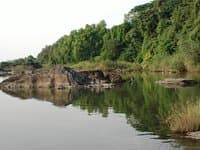
Scenic Beauty: The lake is surrounded by lush greenery and rolling hills, offering picturesque views and a peaceful atmosphere.
Bird Watching: Mattur Lake is a habitat for various bird species, making it an excellent location for bird watching. Migratory birds often visit the lake during certain seasons.
Fishing: The lake is a popular spot for fishing enthusiasts. Local fishermen use traditional methods to catch fish, contributing to the community’s livelihood.
Boating: While the lake is not large enough for motorized boats, visitors can enjoy peaceful boat rides in traditional rowboats.
Nearby Attractions:
Shimoga City: A vibrant city offering various attractions, including the Sakrebailu Elephant Camp and the Kuvempu Ranga Mandira.
Gajanur Dam: Located near Mattur, the dam provides scenic views and recreational opportunities.
Jog Falls: About 100 km from Mattur Lake, this is one of India’s highest waterfalls and a popular tourist destination.
Local Cuisine:
Traditional Karnataka Food: Visitors can enjoy local delicacies such as Ragi Mudde, Bisi Bele Bath, and different types of dosas and idlis at eateries in Shimoga.
Village Cuisine: In the Mattur area, local cuisine includes simple, home-cooked meals with ingredients sourced from the surrounding land.

Leave the planning to a local expert
Festivals and Events:
Local Festivals: The lake area and nearby temples host various local festivals and cultural events throughout the year. These may include traditional ceremonies, religious festivals, and community gatherings.
Harvest Festivals: The lake is often involved in harvest-related celebrations, reflecting its importance in local agriculture.
Sustainability and Conservation:
Mattur Lake is important for local biodiversity and water resources. Conservation efforts focus on maintaining the lake’s cleanliness and ecological balance. Initiatives include:
- Waste Management: Efforts are made to keep the lake and its surroundings free from pollution.
- Water Conservation: Local practices promote the sustainable use of water from the lake for agriculture and other needs.
- Wildlife Protection: Measures are taken to protect the bird species and aquatic life in and around the lake.
Tips for Visitors:
Best Time to Visit: The ideal time to visit Mattur Lake is during the cooler months, from October to March, when the weather is pleasant.
Respect Local Practices: Follow guidelines for interacting with the lake and local wildlife, and respect the cultural practices of the community.
Photography: The scenic views and birdlife make it a great spot for photography. However, avoid disturbing wildlife and natural habitats.
Safety: Ensure that any boating activities are conducted safely and under the guidance of local operators.