
Harshnath Temple
Overview
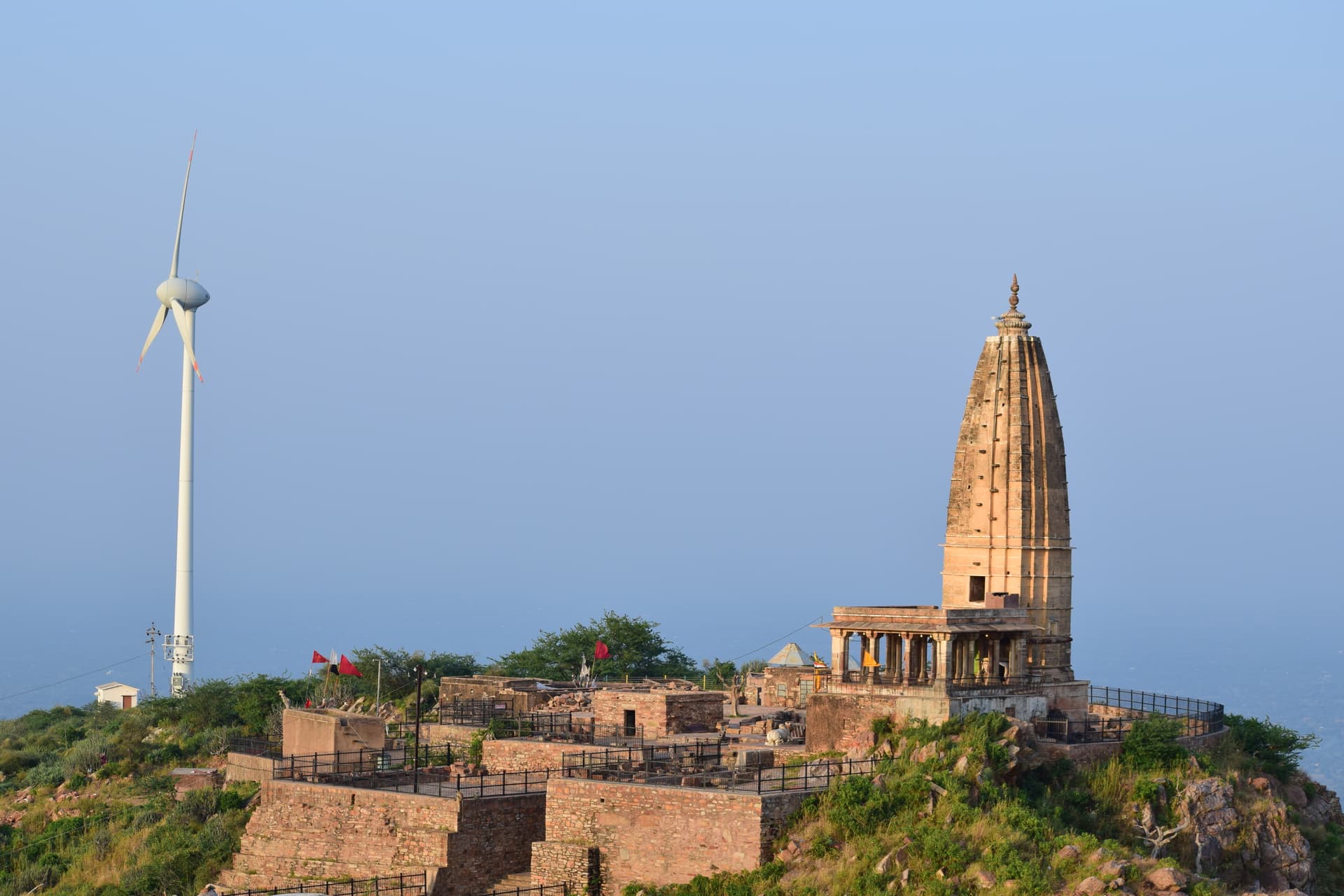
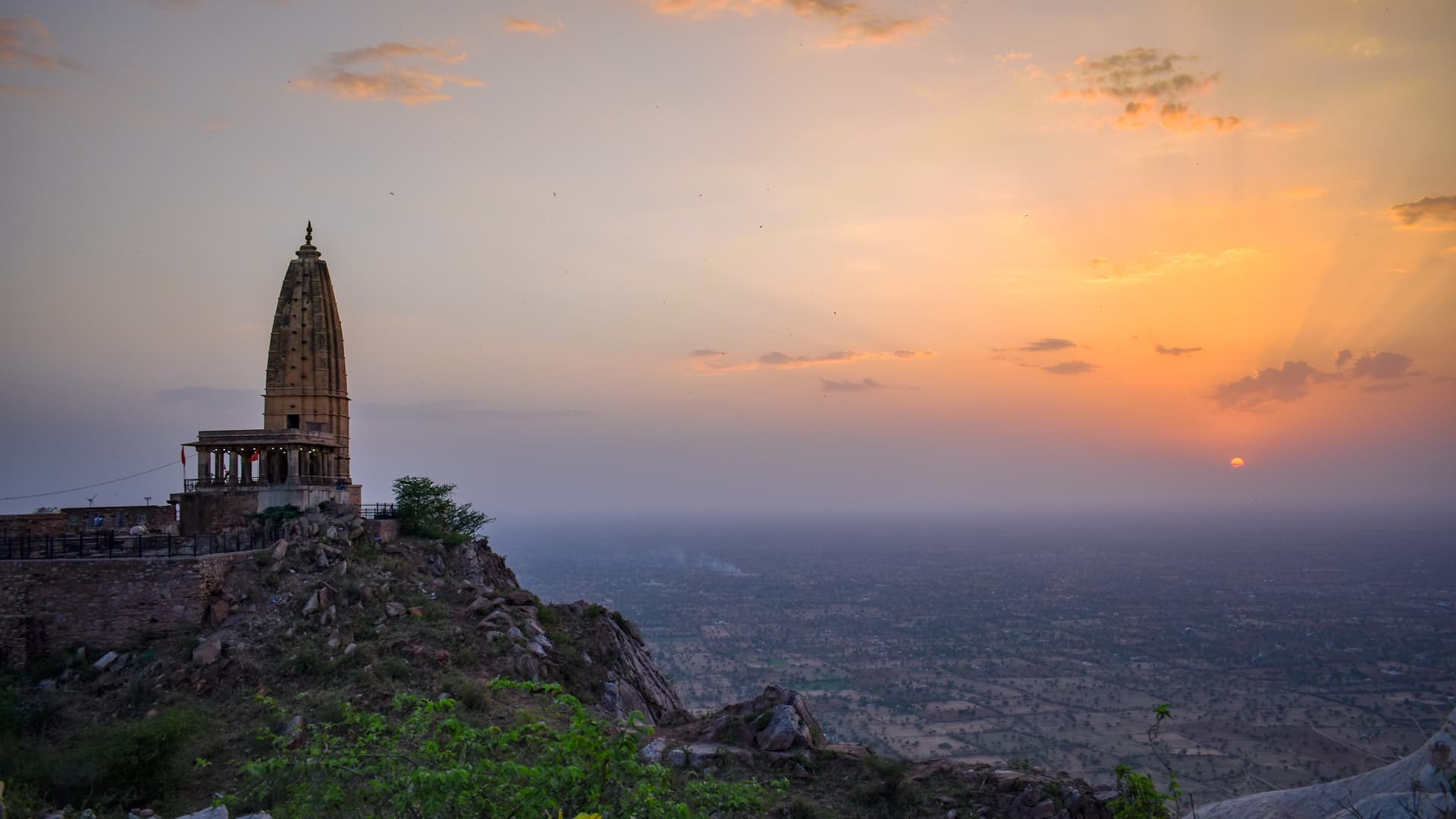
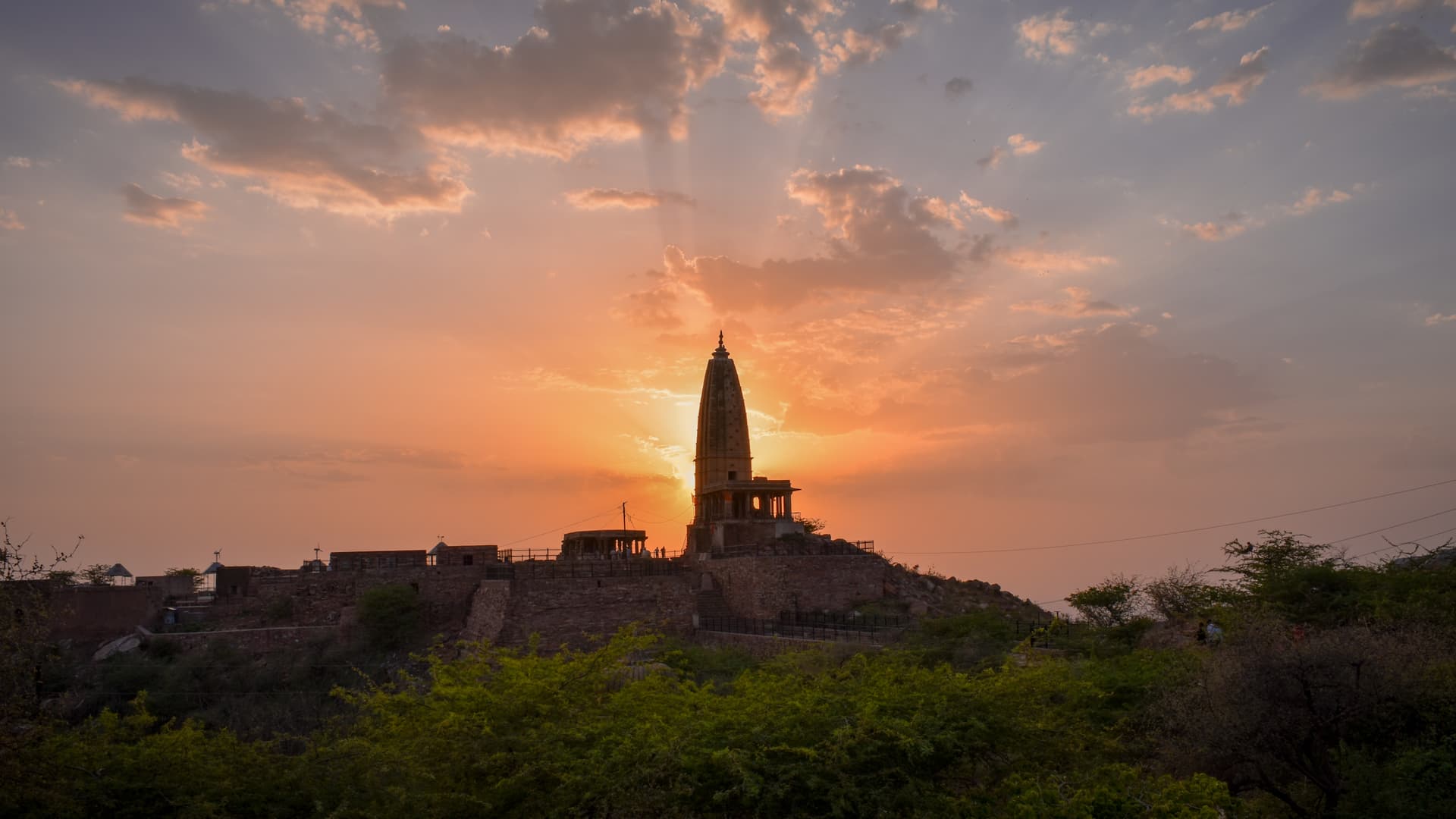
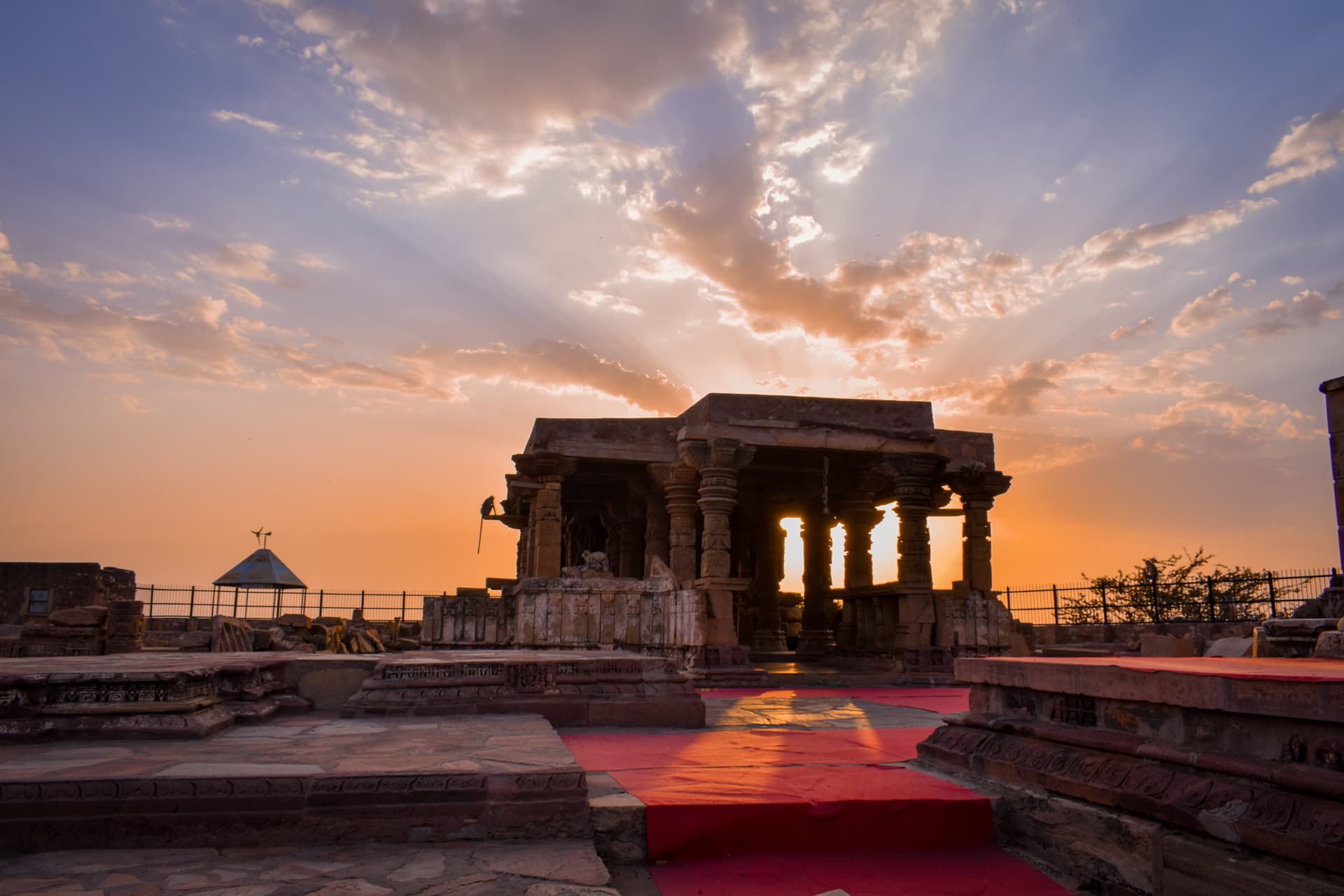
In the Sikar area of Rajasthan, one of the most important religious and historical sites is the ancient Hindu temple devoted to Lord Shiva, known as Harshnath Temple. The temple, located approximately 14 kilometres from Sikar town and perched atop the Harsh Parvat, is a magnificent representation of the opulence of 10th-century architecture. The temple, which is surrounded by the Aravalli Hills, is well-liked by devotees, history buffs, and nature lovers alike since it provides a tranquil setting in addition to being a site of prayer.
Label: Must visit
How to reach: Bike, bus, taxi, auto
Timings: 24 hours
Time Required: 2 hours
Entry Fee: Free
Historical Significance
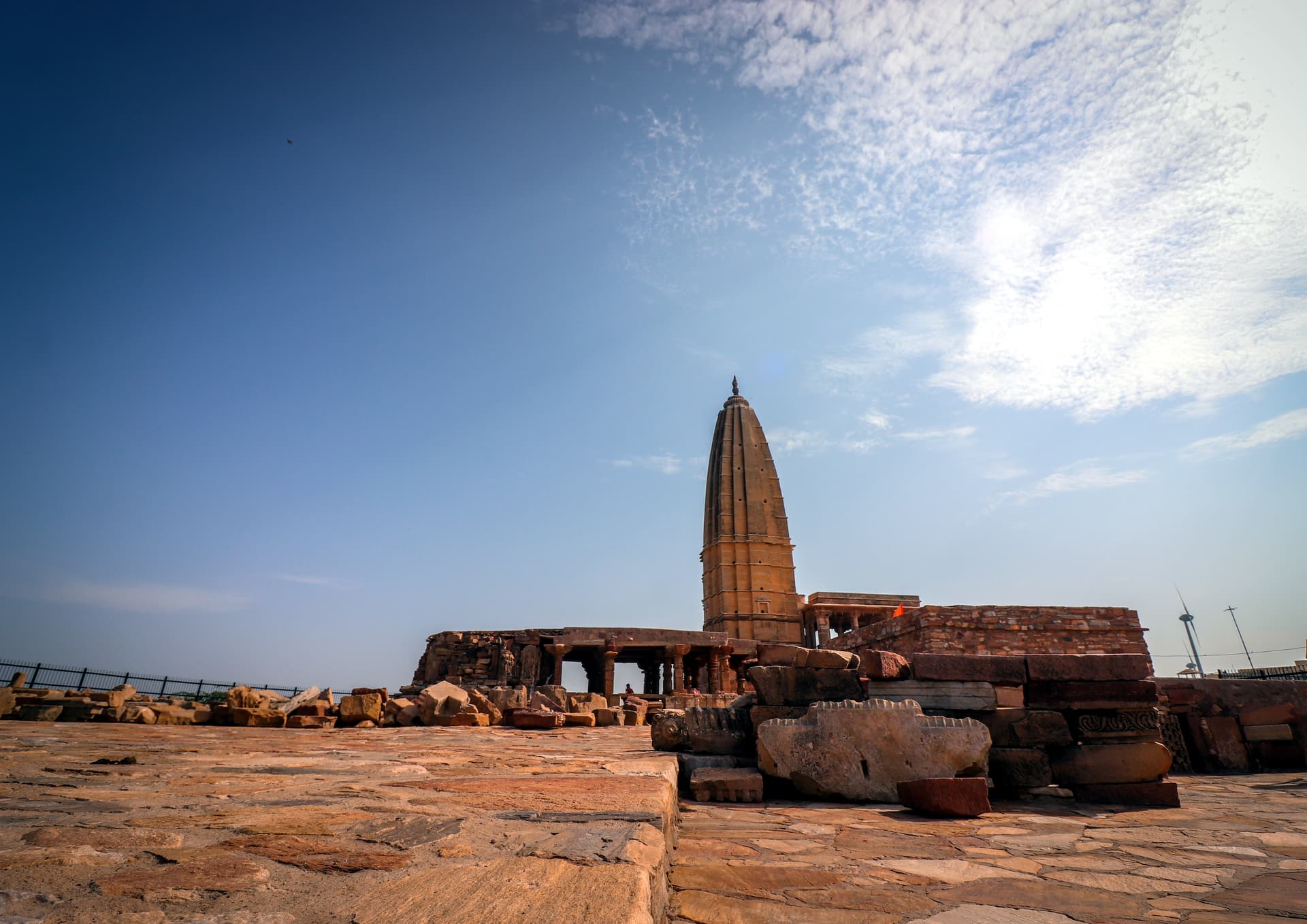
Bhavarakta, a Shaivite monarch, constructed the Harshnath Temple in 956 AD. It is renowned for its beautiful workmanship, which echoes early mediaeval architectural forms. Originally, the temple complex was made up of a central sanctum devoted to Lord Shiva and a number of smaller shrines. But during the 18th-century invasions, especially when Mughal Emperor Aurangzeb was in power, the temple sustained severe damage. In spite of this, the Harshnath Temple continues to stand as evidence of the area's rich cultural legacy.
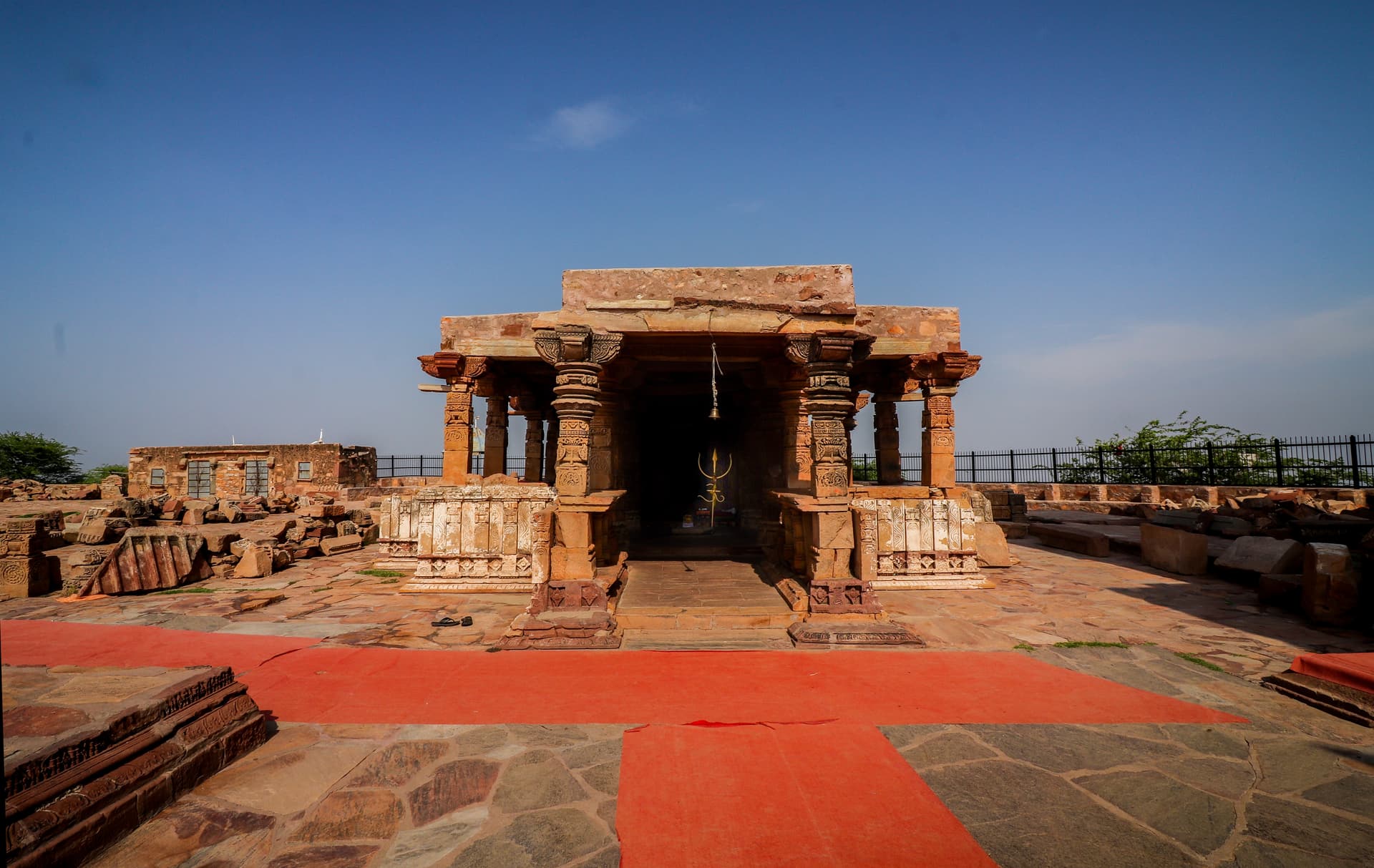
The temple is decorated with elaborate sculptures and carvings that represent a variety of legendary characters and deities. Despite some damage, the sculptures nonetheless demonstrate the artistry and talent of the craftspeople from that era. It is thought that a magnificent Shivalinga, which has since been relocated to a nearby temple, was kept in the main shrine, which is devoted to Lord Shiva. Inscriptions written in Devanagari script found at the site also shed light on the history of the temple and the local kingdoms.
Architectural Features
The construction of the Harshnath Temple combines regional Rajasthani elements with the Nagara architectural style, which is typical of temples in North India. The shikhara (tower) of the temple is beautifully carved with images of deities, flowers, and mythological stories. Even though most of the original building has collapsed, the ruins nonetheless offer a window into the temple's heyday. The surrounding temples contribute to the historical atmosphere of the place, despite their general state of disrepair.
The temple's four-faced idols of Lord Shiva, sometimes referred to as Chaturmukha Shiva, are among its most remarkable features. This is an uncommon representation of the god. This distinctive portrayal highlights the temple's importance as a Shaivism hub in Rajasthan even more.
Best Time to Visit
The winter months, which run from October to March, are the ideal times to visit Harshnath Temple because of the cool, pleasant weather. This time of year is perfect for touring the temple and its surroundings because the temperature is between 10°C and 25°C. Travel may be challenging during the monsoon season (July to September) due to the heavy rainfall and extremely high temperatures throughout the summer (April to June).

Leave the planning to a local expert
Nearby Attractions
Khatushyamji Temple honours Shyam Baba, a manifestation of Lord Krishna, and is situated roughly thirty kilometres away from Harshnath Temple. It is among Rajasthan's most venerated pilgrimage locations.
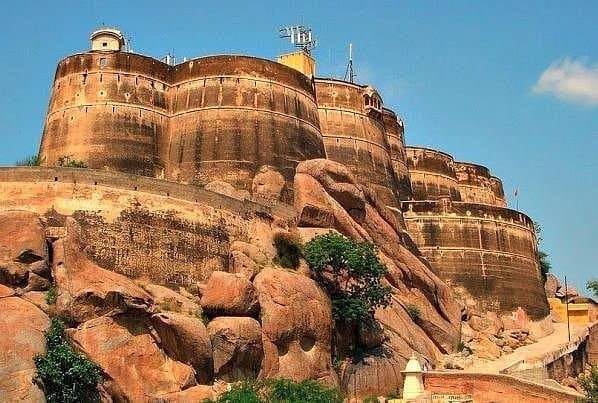
Laxmangarh Fort: About 15 kilometres away, this fort provides a window into the 19th century's architectural genius. Situated on a hill, the fort offers sweeping views of the surroundings.
Jeenmata Temple: This temple, which is devoted to Goddess Jeenmata, a form of Durga, is situated approximately 40 miles away from Harshnath Temple. It's another well-liked pilgrimage destination, particularly around Navratri.
Sikar City: With landmarks like the Seth Ramgopal Poddar Chhatri and Sikar Fort, the town of Sikar is worth seeing.
Conclusion
For those who are interested in learning more about Rajasthan's spiritual and cultural legacy, a must-visit location is the Harshnath Temple, which boasts breathtaking architecture and deep historical significance. The temple's tranquil setting on Harsh Parvat provides a tranquil escape from the bustle of the city, making it a popular destination for both history buffs and spiritual seekers.
The experience of being at Harshnath Temple is both distinctive and rewarding, regardless of whether you are there to offer prayers, take in the breathtaking ancient building, or just take in the Aravalli Hills' natural beauty. Owing to its close proximity to other noteworthy Sikar attractions, a trip to the Harshnath Temple can be a fulfilling experience that immerses one in the rich cultural landscape of Rajasthan.