
Laxmangarh Fort



Overview
Laxmangarh Fort, which is tucked away in the Shekhawati district of Rajasthan, is a magnificent example of both architecture and a rich historical legacy. This fort, which is situated in the Sikar district's town of Laxmangarh, is a reminder of the area's strategic significance and regal heritage. Laxmangarh Fort, while not as well-known as some of Rajasthan's other forts, is a hidden treasure that provides a comprehensive look into the history and culture of the area.
Label: Must visit
How to reach: Bike, bus, taxi, auto
Timings: 8:00 AM to 8:30 PM
Time Required: 2 hours
Entry Fee: INR 50 Per Person
Historical Significance
The founder of Laxmangarh town, Raja Laxman Singh, built Laxmangarh Fort in 1862. During a period of ongoing power conflicts among Rajasthan's lesser kingdoms, the fort was constructed as a strategic bastion. The fort's architecture, which reflects the impact of the various cultures that have moulded the area over ages, combines traditional Rajputana and Mughal forms.
Because of its unusual structure, the fort has a craggy, regal aspect because it is located atop a variety of rock formations. Laxmangarh town was designed around the fort in great detail. The streets radiate out from the fortress, giving the town the appearance of a well-kept urban centre.
Architectural Features

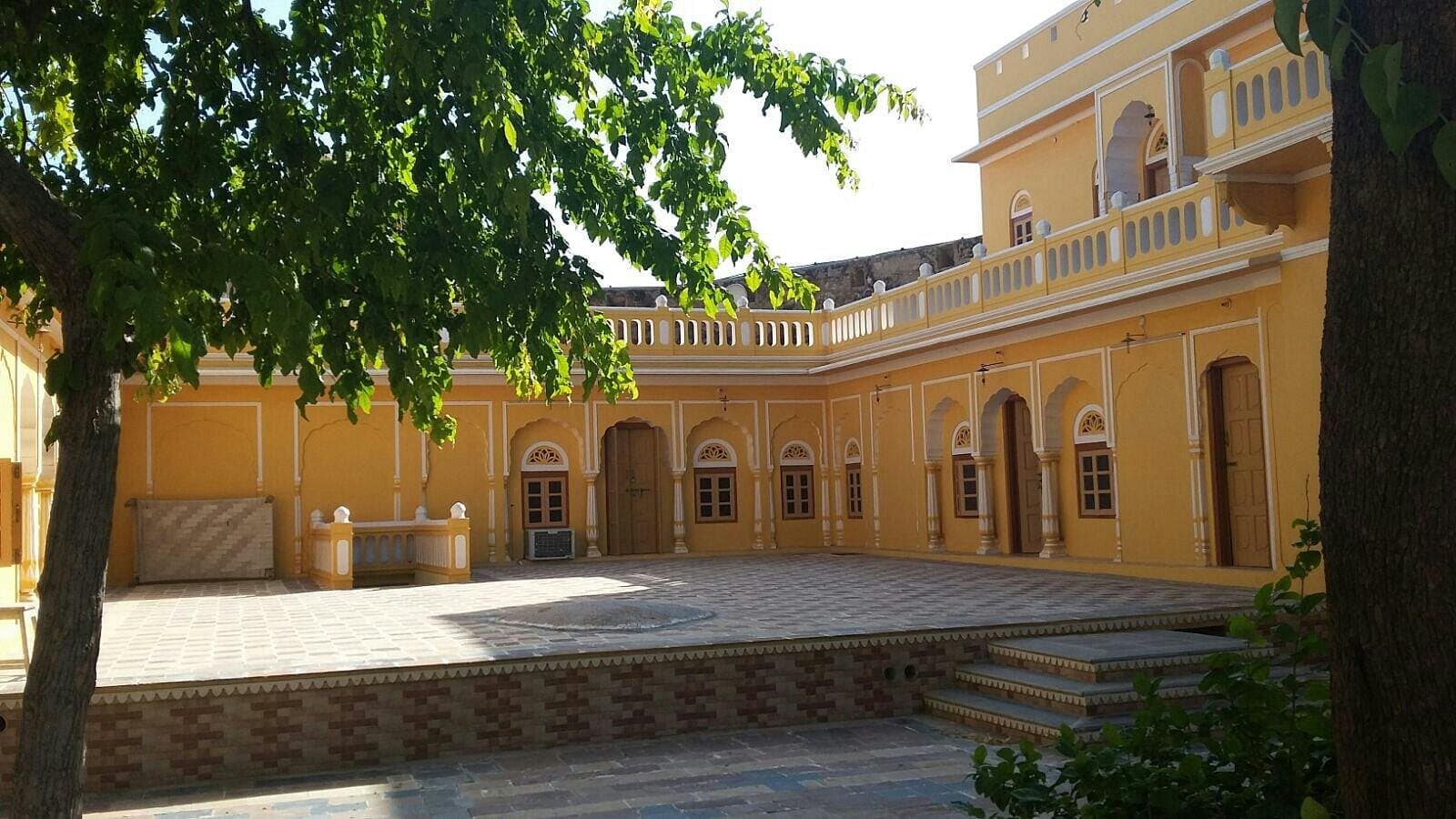
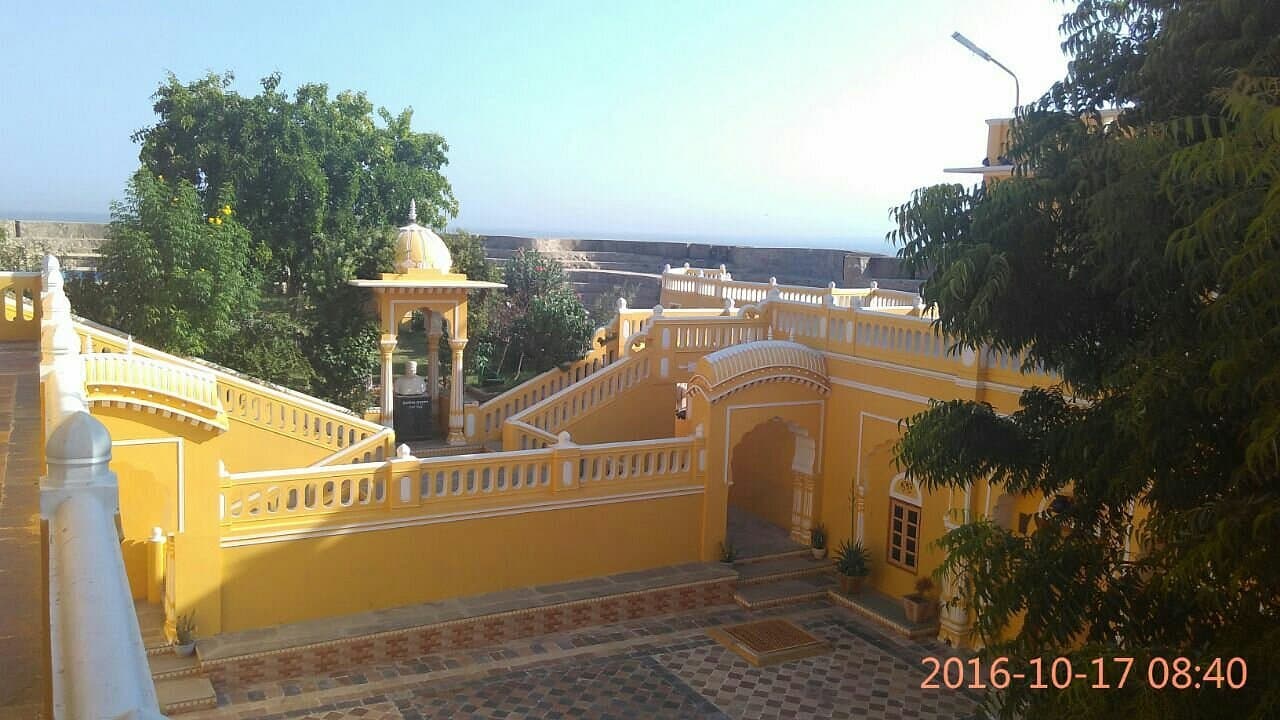
Laxmangarh Fort's architecture is powerful and exquisite. The huge gates, walls, and bastions that make up the fort's layout are intended to deter invaders. The interior of the fort is almost as remarkable, featuring exquisitely decorated hallways, gardens, and residential spaces. The walls are decorated with carvings and frescoes that portray scenes from local folklore, Hindu mythology, and everyday life in that era.
The fort's impenetrable structure, which was constructed using stone that was obtained locally and was intended to survive sieges, is its most prominent feature. Because of its height and advantageous location, the fort was a vital point of control over the surrounding area.
Best Time to Visit
October through March, when temperatures are lower, are the ideal months to explore Laxmangarh Fort. The nice weather at this time of year is perfect for touring the fort and its surroundings. It is best to avoid visiting the fort during the hottest months of the year in Rajasthan due to the intense heat.

Leave the planning to a local expert
Nearby Attractions
- Rani Sati Temple: This temple honours Rani Sati and is a popular pilgrimage destination in the area. It is situated near Jhunjhunu, about 25 miles from Laxmangarh.
- Seth Ramgopal Poddar Chhatri: Known for its exquisite architecture and detailed murals, this cenotaph is situated in the neighbouring town of Ramgarh.
- Sikar City: There are a number of attractions in Sikar itself, such as the well-known Madho Niwas Kothi, Biyani Haveli, and the exquisite Gopinathji and Radha Murli Manohar temples.
- About 45 kilometres away from Laxmangarh is the stunning Dundlod Fort, another outstanding fort in the Shekhawati region renowned for its opulent architecture and extensive history.
Conclusion
Despite its lesser-known status, Laxmangarh Fort provides a unique window into the rich history and culture of the Shekhawati region. Its strategic significance, architectural elegance, and artistic legacy make it an essential stop for history buffs and tourists who want to discover Rajasthan outside of its more well-known locales. The fort offers a satisfying experience that highlights the colourful past of Rajasthan's princely states, as do the neighbouring sites. Every area of Laxmangarh Fort tells a tale of the past, making it an ideal destination for history buffs, lovers of architecture, and inquisitive tourists alike. So gather your belongings and prepare to enter the realm of kings and warriors, where the walls of Laxmangarh Fort bring history to life.