
Thanjavur Palace
Overview
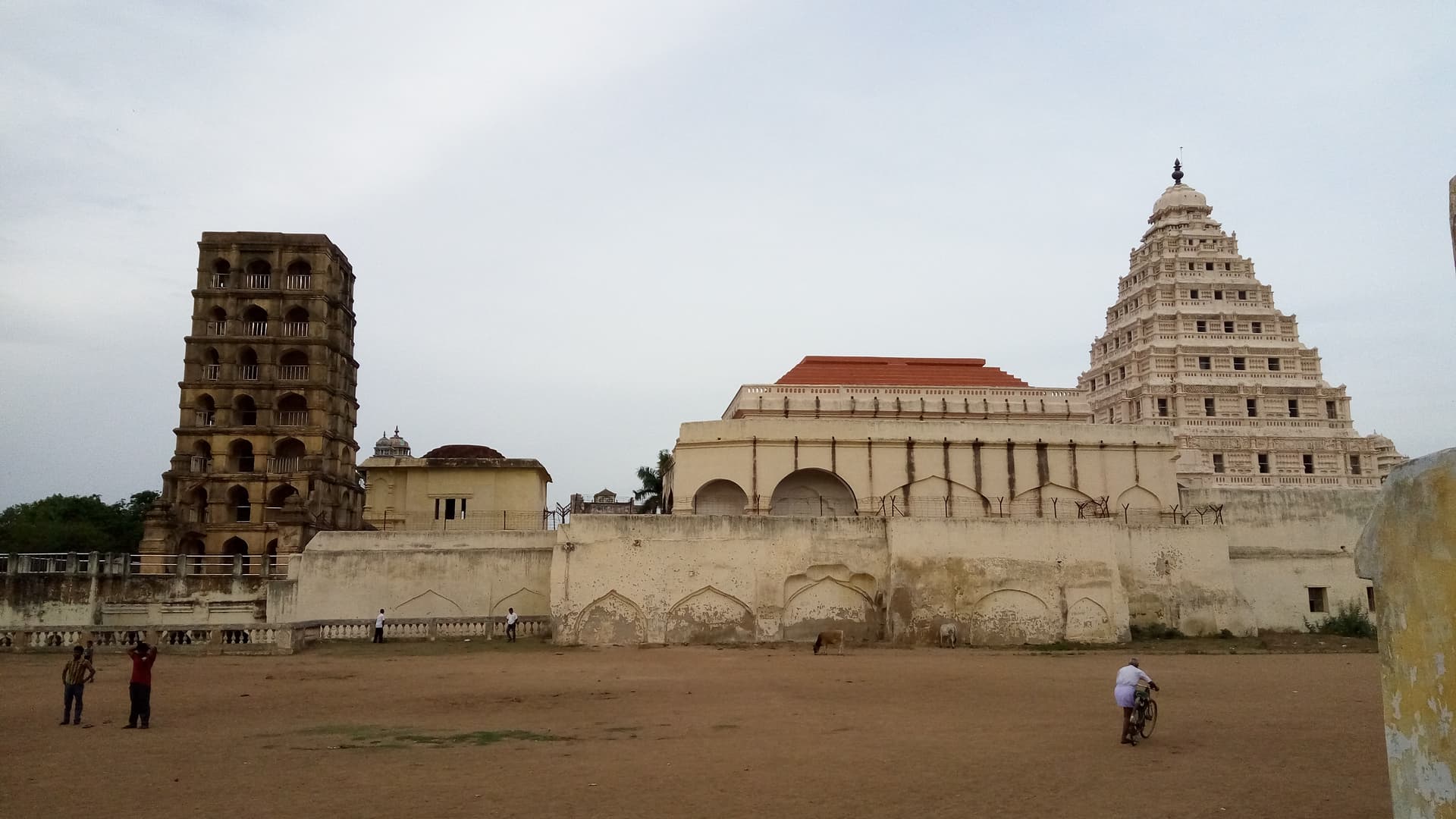
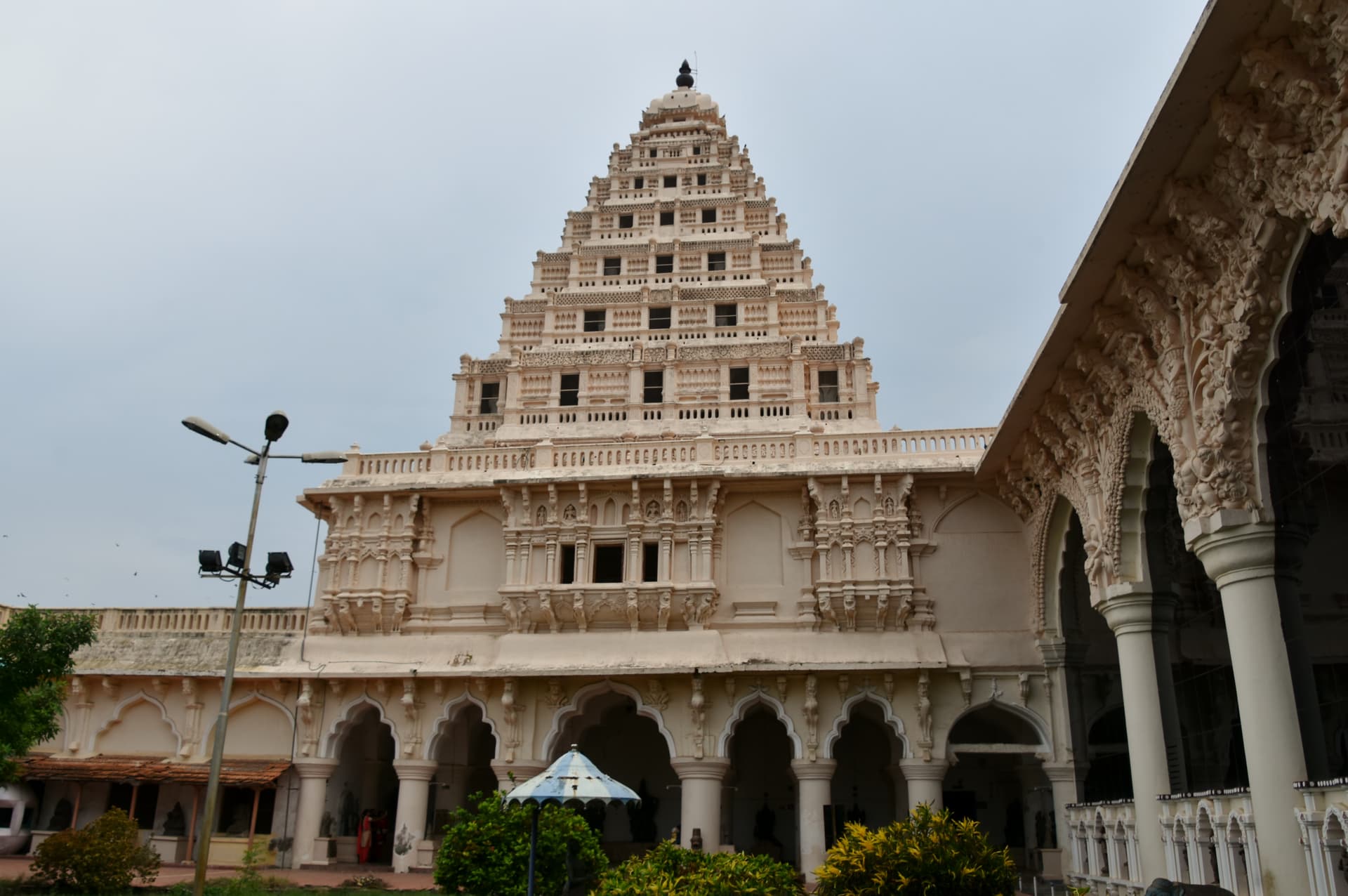
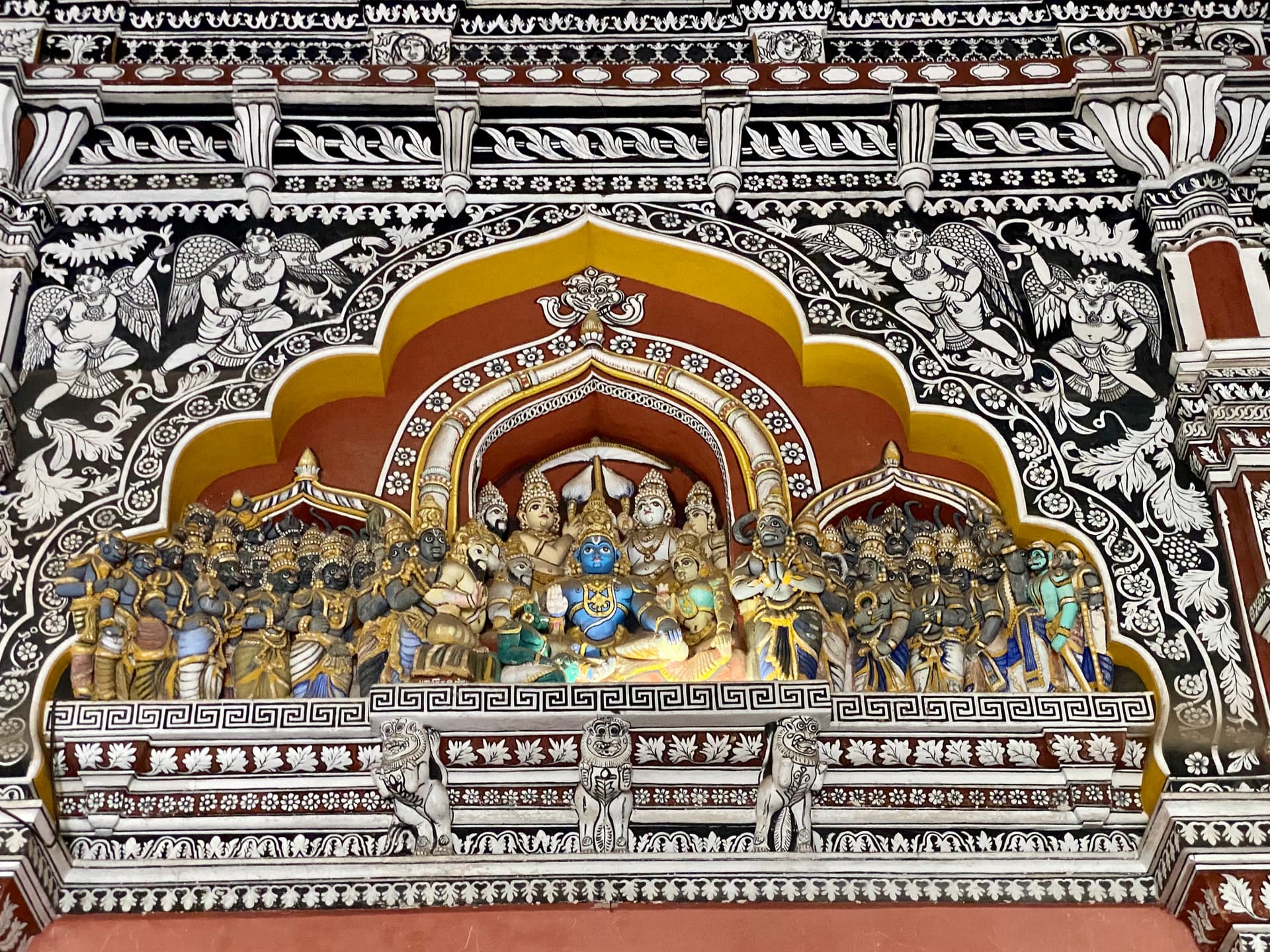
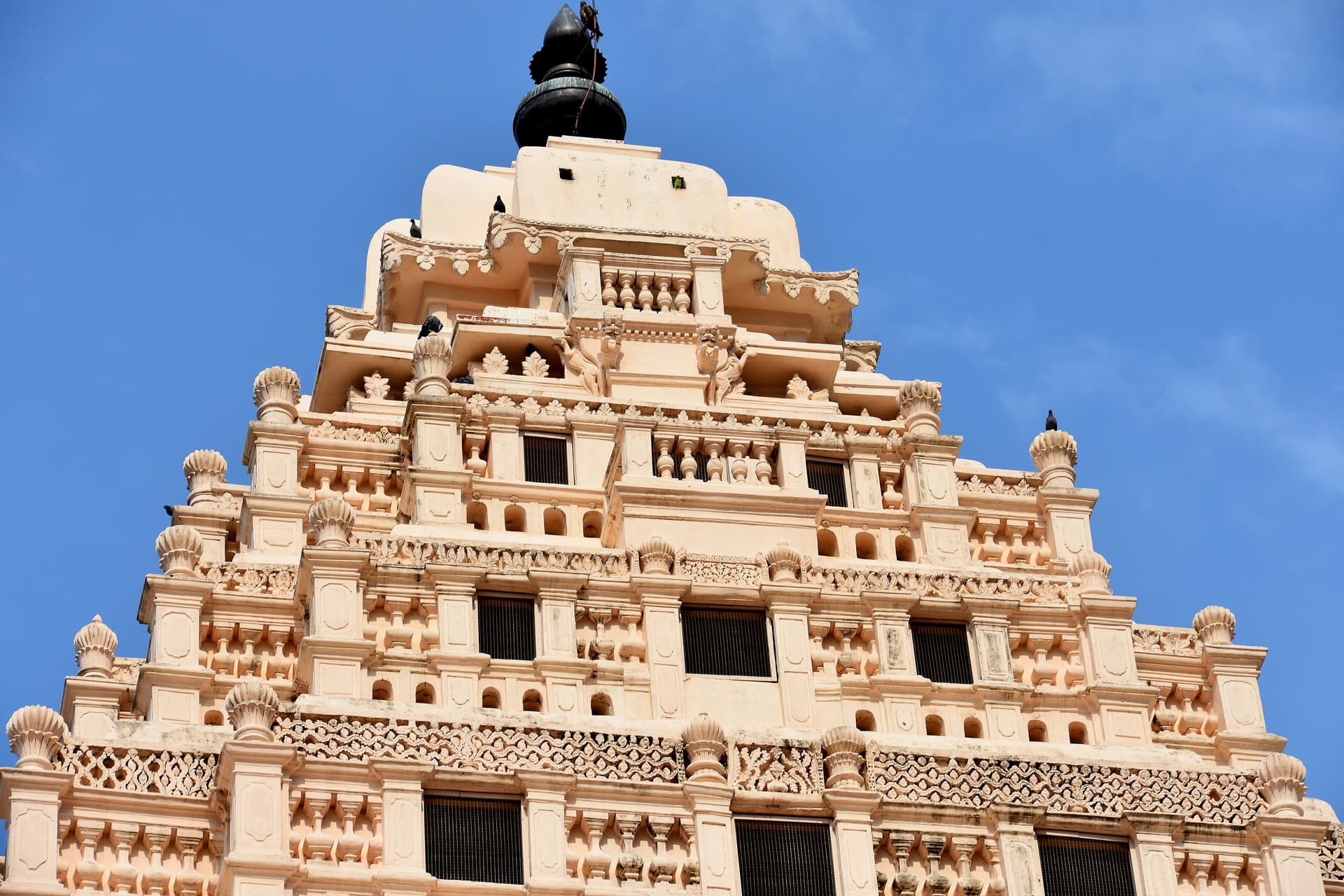
The Maratha Palace, sometimes called Thanjavur Palace, is a tribute to the magnificence and masterful architecture of the several dynasties that ruled over Thanjavur. Centuries of history, art, and culture are all included inside the palace complex, which was first built by the Nayaks and then expanded upon by the Marathas. This huge building, which is located in the centre of Thanjavur, provides a comprehensive look into the artistic and regal past of the area.
Label: Must visit
How to reach: Bike, bus, taxi, auto
Timings: 9:00 AM to 6:00 PM
Time Required: 2 hours
Entry Fee: INR 50 Per Person
Key Features
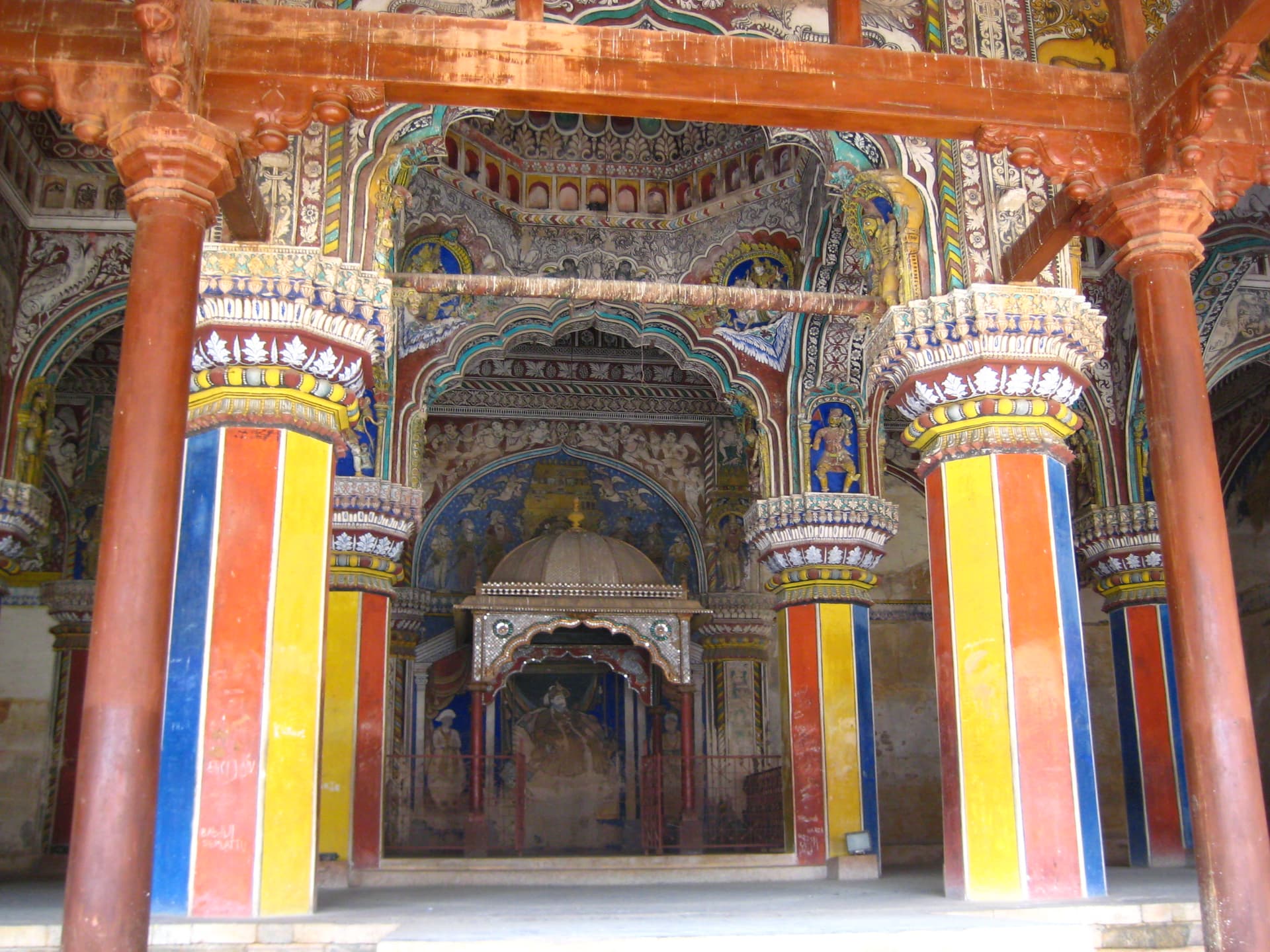
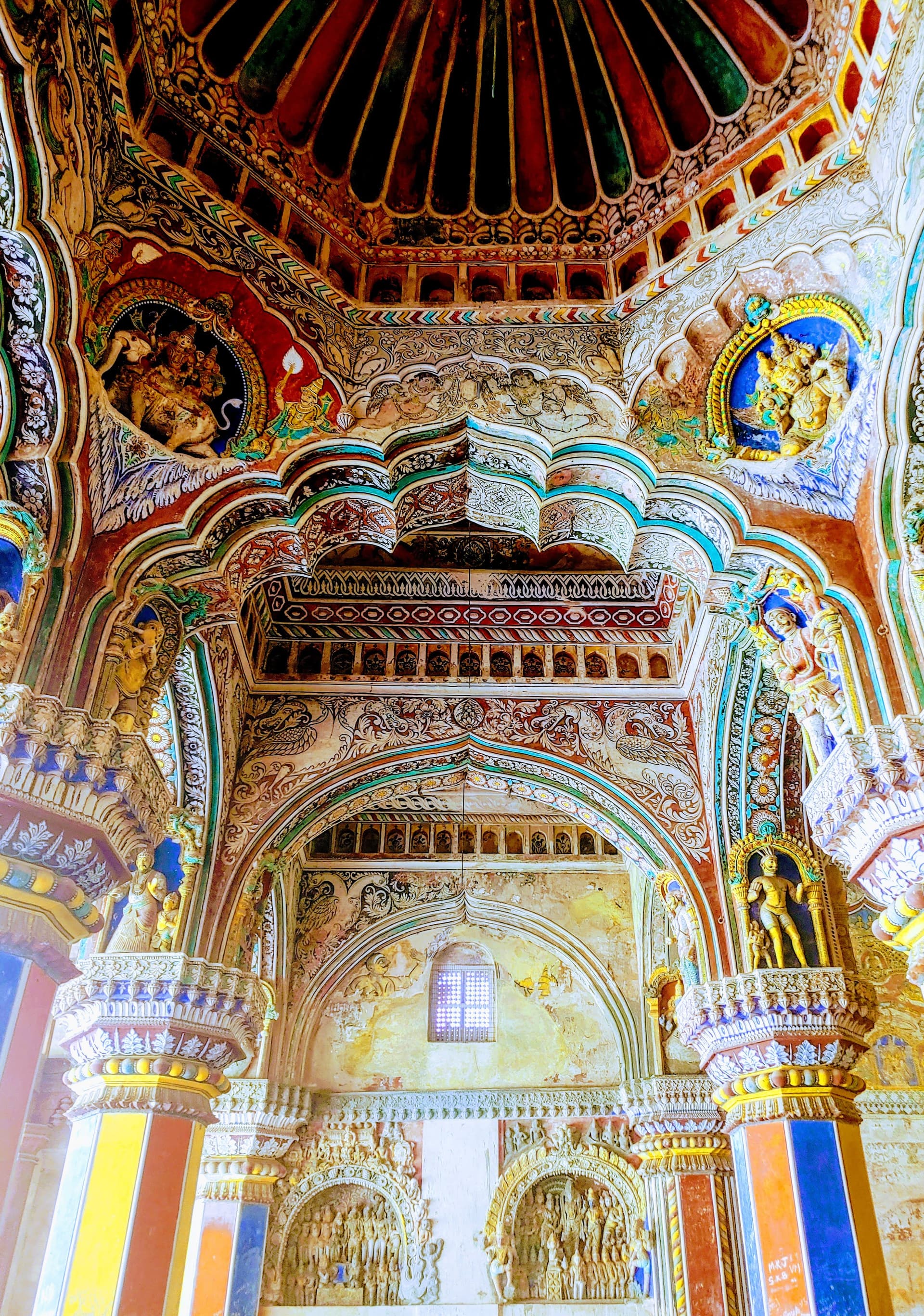
Royal Durbar Hall: One of the most striking features of the Thanjavur Palace is the Royal Durbar Hall, an opulent hall with intricately carved pillars and a stunningly decorated ceiling. This hall was used for royal ceremonies and gatherings, and its grandeur is a reflection of the wealth and power of the rulers.
Saraswathi Mahal Library: The Saraswathi Mahal Library, housed within the palace complex, is one of the oldest libraries in Asia. It boasts a vast collection of ancient manuscripts, palm leaf inscriptions, and rare books in various languages, including Tamil, Sanskrit, and Telugu. This library is a treasure trove for historians and scholars, offering invaluable insights into the region's literary and cultural history.
Art Gallery: The palace's art gallery is renowned for its extensive collection of bronze and stone sculptures, artifacts, and paintings from the Chola, Nayak, and Maratha periods. The gallery's highlight is the collection of Chola bronzes, which are considered masterpieces of South Indian art.
Bell Tower and Watch Tower: The Bell Tower, also known as the clock tower, offers a panoramic view of the city. The Watch Tower, another significant structure within the complex, served as a vantage point for monitoring the palace grounds and the surrounding areas.
Secret Underground Passage: The palace is said to have a secret underground passage that leads to the nearby Brihadeeswarar Temple. This passage was purportedly used by the royal family to escape during times of danger.
Nearby Attractions
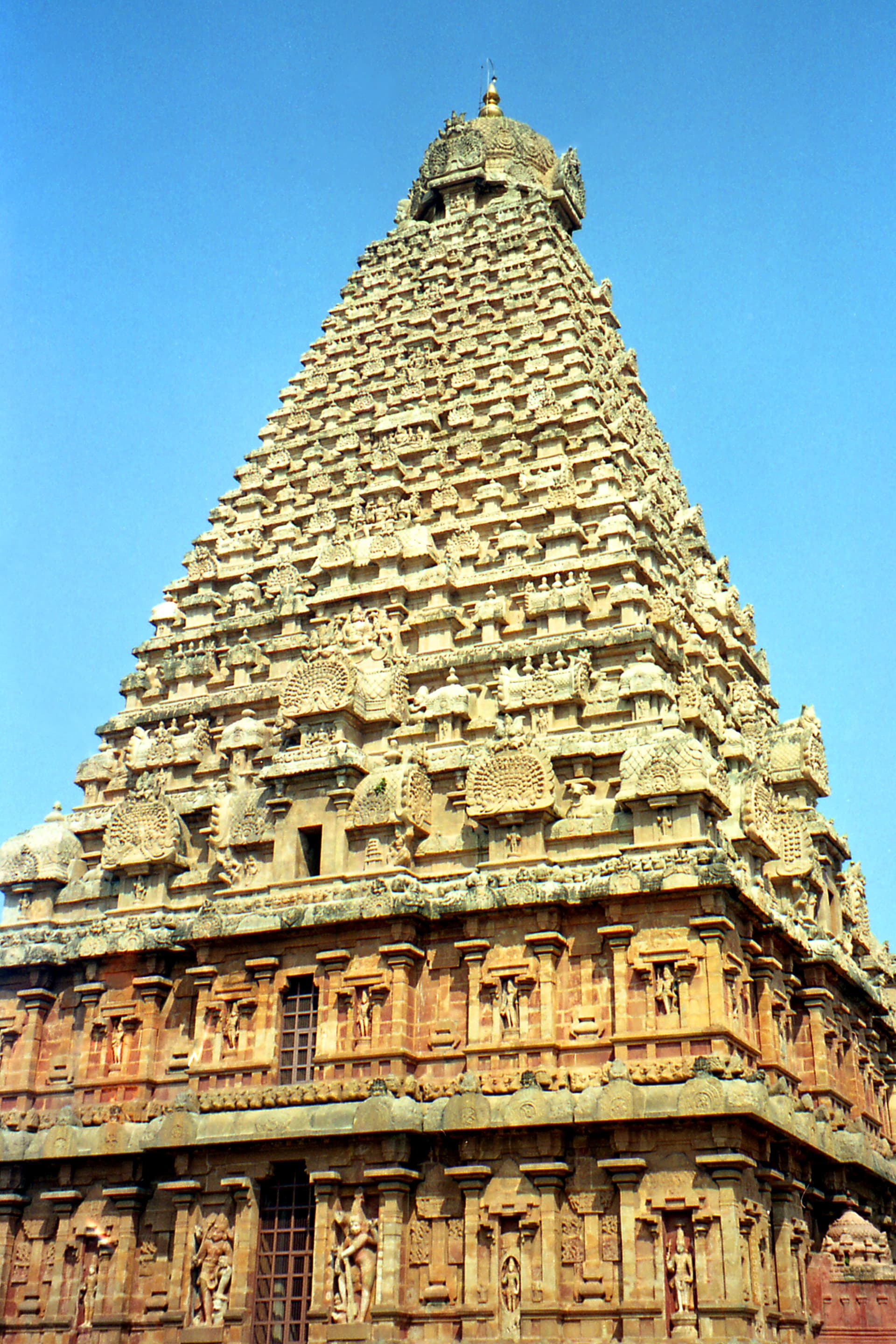
Brihadeeswarar Temple: Just a short distance from the palace, this UNESCO World Heritage Site, also known as the Big Temple, is an architectural marvel built by Raja Raja Chola I. The temple is renowned for its massive Vimana (temple tower) and the giant monolithic Nandi statue.
Airavatesvara Temple: Located in Darasuram, this temple is another UNESCO World Heritage Site and a fine example of Chola architecture. It is known for its exquisite stone carvings and intricate design.
Gangaikonda Cholapuram: This temple, built by Rajendra Chola I, showcases the Chola dynasty's architectural prowess. It is famed for its grand design and intricate sculptures.
Best Time to Visit
The ideal time to visit Thanjavur Palace is between November and March. During these months, the weather is pleasant and conducive to sightseeing, with temperatures ranging from 20°C to 30°C. The summer months (April to June) can be quite hot, with temperatures soaring above 40 °C, making it less comfortable for exploring. The monsoon season (June to September) brings moderate to heavy rainfall, which might hinder outdoor activities but also makes the surroundings lush and green.

Leave the planning to a local expert
Conclusion
Thanjavur Palace is not just a historical monument but a living museum that encapsulates the rich cultural and artistic heritage of Tamil Nadu. Its grand halls, extensive libraries, and exquisite art collections offer a glimpse into the opulence and sophistication of the Nayak and Maratha periods. The nearby attractions, including the majestic Brihadeeswarar Temple and other Chola-era monuments, add to the city's allure, making Thanjavur a must-visit destination for history buffs, art enthusiasts, and cultural explorers. Visiting Thanjavur Palace provides a unique opportunity to step back in time and experience the grandeur of South India's royal past.