
Sri Govindarajaswamy Temple
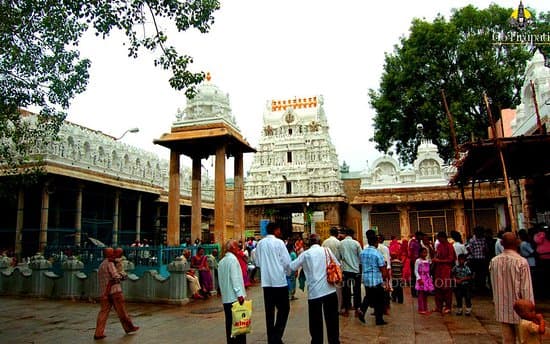
Overview
Sri Govindarajaswamy Temple, located in the heart of Tirupati, Andhra Pradesh, is one of the prominent and ancient temples in South India. Dedicated to Lord Vishnu, the temple is known for its architectural grandeur, historical importance, and spiritual significance. It is a significant pilgrimage destination, attracting thousands of devotees and tourists annually.
The history of Sri Govindarajaswamy Temple dates back to the 12th century. The temple was established by the revered Vaishnavite saint, Ramanujacharya, who is credited with laying the foundation for many Vaishnavite temples across India. The temple's history is intertwined with that of the nearby Tirumala Venkateswara Temple, as Govindarajaswamy is believed to be the elder brother of Lord Venkateswara. Throughout the centuries, the temple has undergone several renovations and expansions, reflecting various architectural styles and influences. The inscriptions found within the temple premises provide valuable insights into its historical significance, detailing contributions from various dynasties, including the Cholas, Pandyas, and Vijayanagara Empire.
Spiritual Significance:
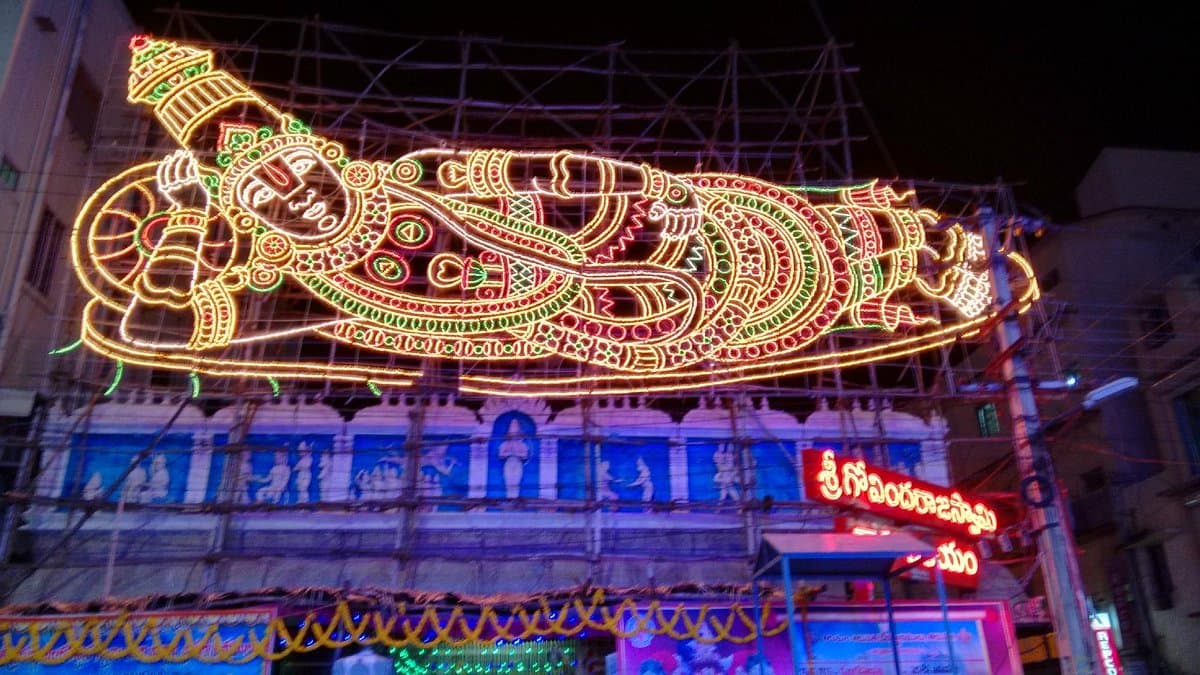
The temple holds immense spiritual importance for devotees of Lord Vishnu. It is believed that a visit to Sri Govindarajaswamy Temple can help devotees attain salvation and spiritual enlightenment. The temple enshrines Lord Govindaraja in a reclining posture, symbolizing peace and prosperity.
The temple complex also houses several other deities, including Sri Parthasarathy, Sri Kalyana Venkateswara, Sri Andal, and Sri Salai Nachiyar, making it a comprehensive spiritual center for Vaishnavite worship. The daily rituals, elaborate festivals, and traditional ceremonies conducted at the temple attract devotees from across the country, enhancing its spiritual ambiance.
Architectural Details:
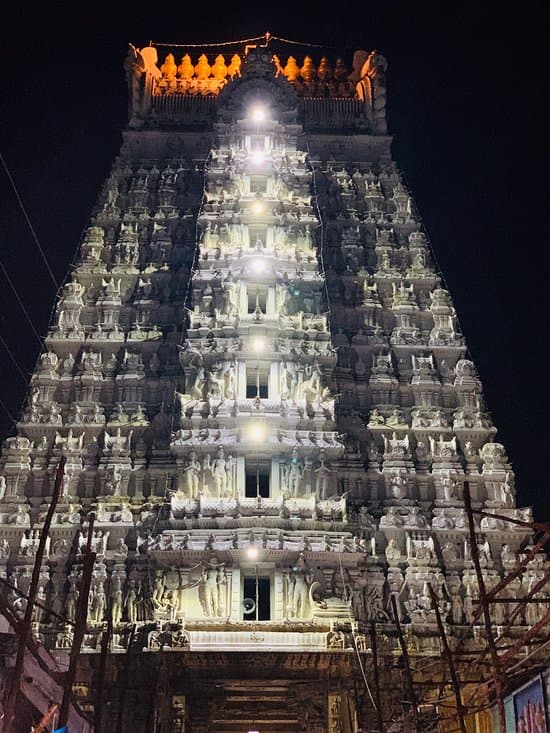
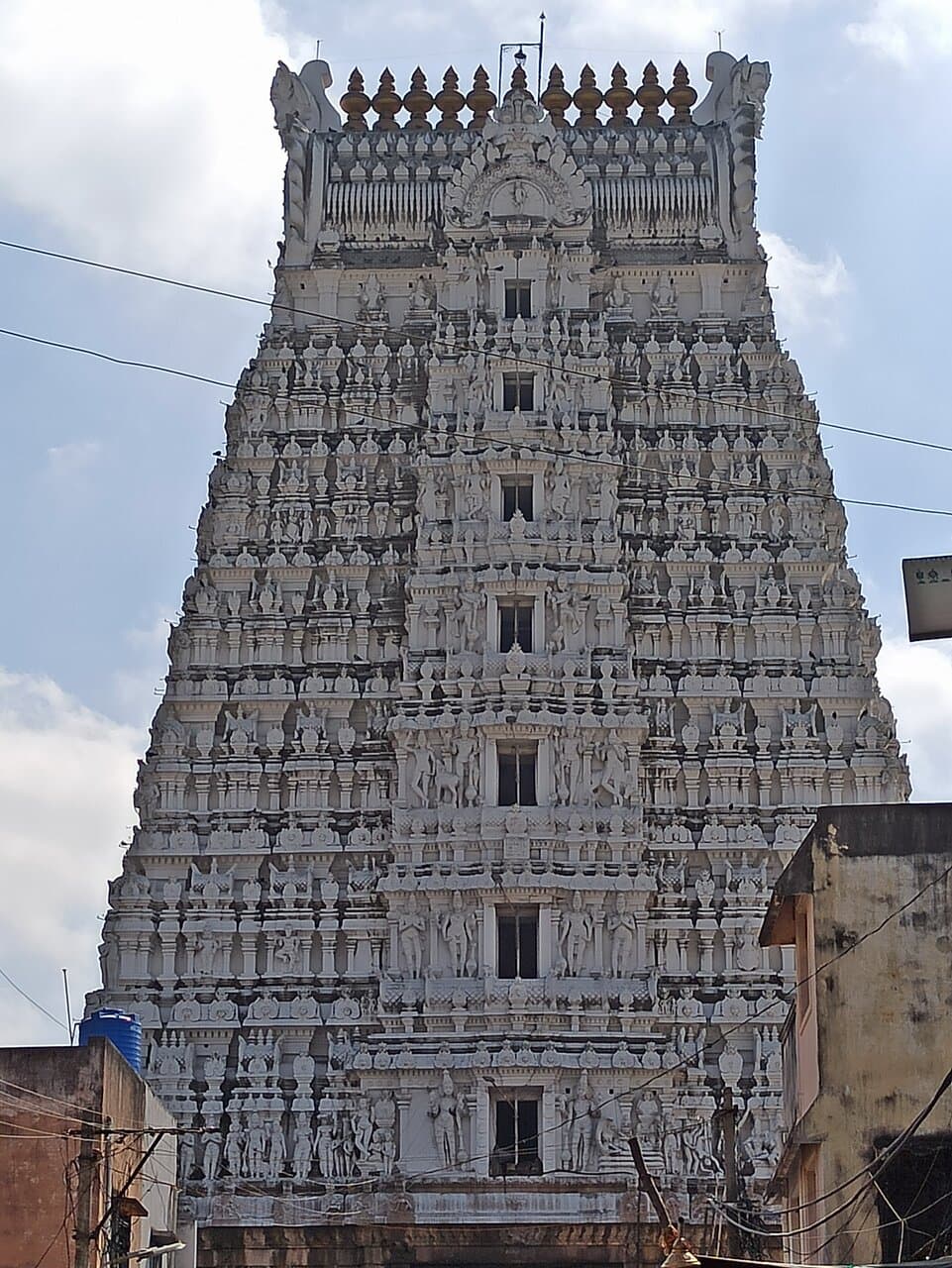
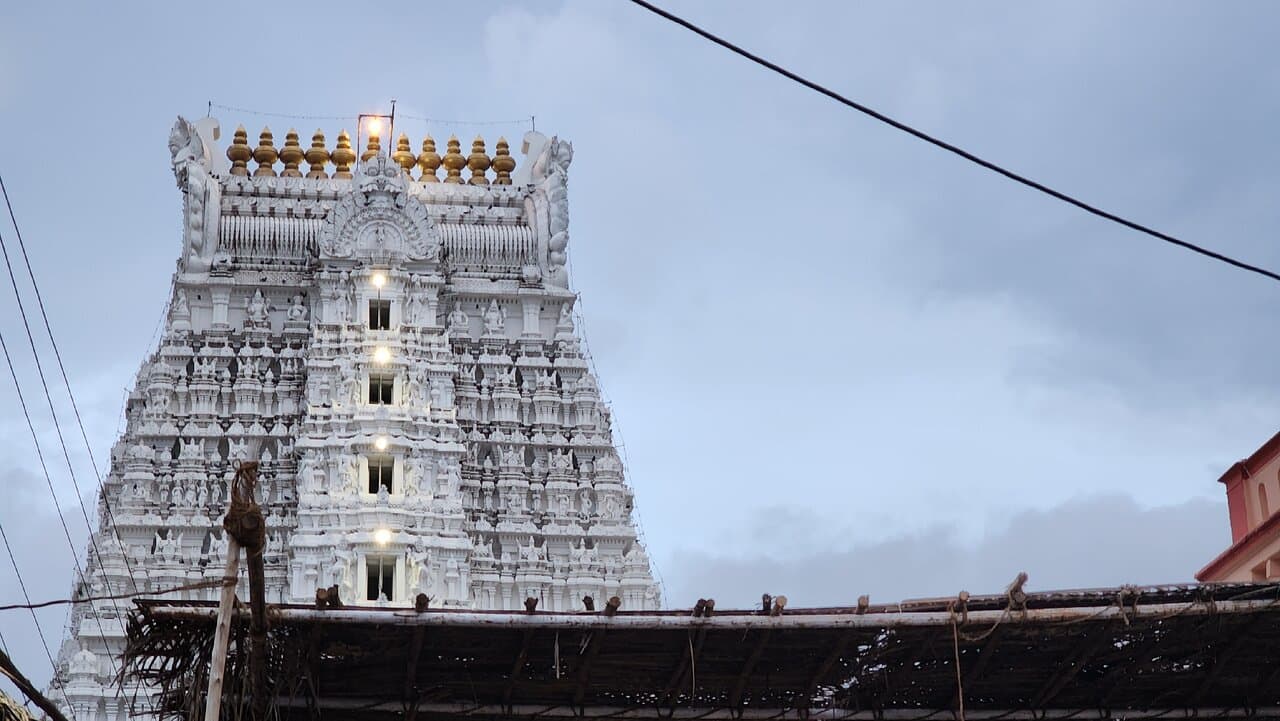
Gopurams: The temple boasts several magnificent gopurams (towering gateways), with the main gopuram standing at 50 meters tall. These gopurams are adorned with intricate carvings and sculptures depicting various deities and mythological scenes.
Mandapams: The temple features numerous mandapams (halls), including the 16-pillared hall and the 100-pillared hall, showcasing exquisite Dravidian architecture and craftsmanship.
Sanctum Sanctorum: The sanctum sanctorum houses the main deity, Lord Govindaraja, in a reclining posture. The idol is beautifully decorated with jewels and garments, reflecting the temple's rich cultural heritage.
Festivals and Events:
Brahmotsavam: This annual festival is one of the most significant events at the temple, attracting thousands of devotees. The festival includes grand processions, special rituals, and cultural performances.
Vaikuntha Ekadashi: Celebrated with great fervor, this festival marks an auspicious day for Vishnu devotees to seek blessings and attain spiritual merit.
Sri Govindaraja Swamy's Annual Float Festival: This event features the deity taken on a grand float procession in the temple tank, accompanied by music, dance, and devotional singing.

Leave the planning to a local expert
Planning Your Visit:
Best Time to Visit: The ideal time to visit the temple is during the winter months (October to March) when the weather is pleasant and conducive for pilgrimage activities.
Timings: The temple is open from early morning (4:30 AM) to late evening (9:30 PM). It is advisable to check the specific darshan (viewing) timings before planning your visit.
Dress Code: Devotees are expected to dress modestly and traditionally. Men are advised to wear dhotis or trousers and shirts, while women should wear sarees or salwar kameez.
Footwear: Footwear should be removed before entering the temple premises. Designated areas are available for storing shoes.
Facilities: The temple provides various facilities for devotees, including accommodation, prasadam (sacred food), and guided tours. Pilgrims can also find numerous hotels and guesthouses in the vicinity.
Conclusion:
Sri Govindarajaswamy Temple is not just a place of worship but a significant cultural and historical landmark. Its rich history, spiritual significance, and architectural splendor make it a must-visit destination for devotees and tourists alike. Whether you seek spiritual solace, historical insights, or architectural marvels, the temple offers a fulfilling and enriching experience. Plan your visit to this sacred site and immerse yourself in the divine ambiance and rich heritage of Sri Govindarajaswamy Temple.