
Srivari Mettu
.jpg&w=1920&q=75)
.jpg&w=1920&q=75)

Overview
Srivari Mettu is a significant and ancient pedestrian route to the Tirumala Venkateswara Temple in Andhra Pradesh. It is one of the two traditional paths used by devotees to reach the temple, the other being Alipiri. Srivari Mettu is shorter and steeper, consisting of approximately 2,400 steps, and it is considered an important pilgrimage for devotees seeking to show their devotion through physical effort.
Historical Significance:
Srivari Mettu holds great historical and religious importance. It is believed that this path was used by Sri Ramanuja, the 11th-century saint and philosopher, during his pilgrimage to Tirumala. The route is also associated with several legends and myths related to Lord Venkateswara, enhancing its spiritual significance. Over the centuries, countless devotees have used Srivari Mettu as a means of penance and devotion.
Architectural Details:
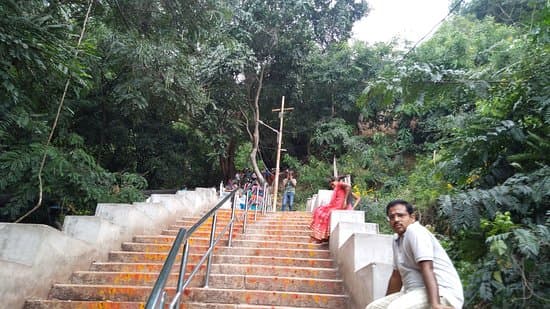
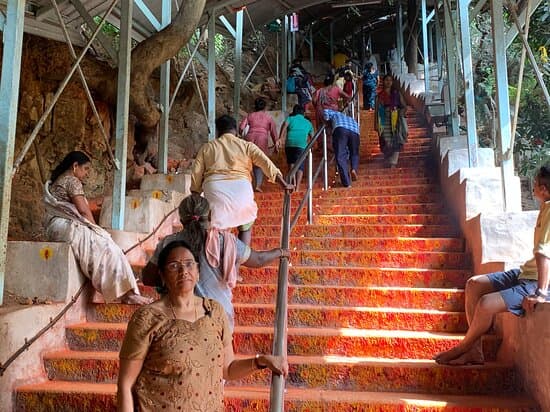
Steps and Pathway: The pathway consists of approximately 2,400 well-maintained steps, with shelters and resting spots along the way. The steps are constructed to provide a challenging yet manageable ascent for pilgrims.
Pilgrim Amenities: The path is equipped with basic amenities such as drinking water, toilets, and first-aid facilities. Lighting and security measures are also in place to ensure the safety of pilgrims.
Resting Spots: There are several shaded resting spots along the route where pilgrims can take breaks, meditate, or offer prayers.
Key Features and Attractions:
Spiritual Ascent: The primary attraction of Srivari Mettu is the spiritual journey it offers. Devotees consider climbing the steps an act of penance and devotion, enhancing their connection to Lord Venkateswara.
Scenic Views: The path offers beautiful views of the surrounding hills and forests, providing a tranquil environment for meditation and reflection.
Temple at the Summit: At the summit, pilgrims reach the Tirumala Venkateswara Temple, where they can have darshan (viewing) of the deity and participate in various rituals and ceremonies.
Nearby Attractions:
Tirumala Venkateswara Temple: The main temple, located at the summit, is one of the most significant Hindu temples in the world, attracting millions of devotees annually.
Srivari Padalu: A sacred spot believed to be where Lord Venkateswara first set foot on the Tirumala hills.
Papavinasam Theertham: A holy waterfall where devotees take baths to cleanse themselves of sins.
Akasaganga Theertham: Another sacred waterfall on the Tirumala hills, known for its spiritual significance.
Local Cuisine:
Temple Prasadam: The prasadam offered at the Tirumala Temple, including the famous Tirupati Laddu, Puliyodarai (tamarind rice), and sweet Pongal, is a must-try.
Andhra Cuisine: Tirupati town and surrounding areas offer a variety of Andhra dishes like dosa, idli, upma, and spicy curries, along with traditional sweets.
Festivals and Events:
Brahmotsavam: An annual nine-day festival at the Tirumala Temple, featuring processions, cultural performances, and various rituals.
Vaikuntha Ekadasi: A major festival celebrated with special poojas and rituals at the temple.
Rathasapthami: Celebrated with processions of the deity on different vahanas (vehicles), attracting thousands of devotees.

Leave the planning to a local expert
Accommodation and Stays:
Guesthouses: The Tirumala Tirupati Devasthanams (TTD) offers various guesthouses and accommodations for pilgrims, ranging from basic to more comfortable options.
Hotels in Tirupati: Numerous hotels in Tirupati town cater to different budgets, providing convenient access to the temple and Srivari Mettu.
Cottages: The temple administration also offers cottages on the Tirumala hills for devotees who prefer staying closer to the temple.
Sustainability and Conservation:
Environmental Conservation: Efforts are made to maintain the natural beauty of the Tirumala hills, including afforestation and waste management programs.
Pilgrim Management: Efficient systems are in place to manage the large influx of pilgrims, ensuring their safety and comfort while minimizing environmental impact.
Cultural Preservation: Initiatives to document and promote the historical and cultural significance of Srivari Mettu, ensuring its legacy is passed on to future generations.
Tips for Visitors:
Best Time to Visit: The ideal time to visit is between October and March when the weather is cooler and more pleasant.
Dress Code: Modest attire is recommended. Men should wear dhoti or pyjama with upper cloth, and women should wear saree or churidar with dupatta.
Footwear: Comfortable footwear is advisable for the climb, although it should be removed before entering temple premises.
Hydration: Carry sufficient water to stay hydrated during the climb. There are also drinking water facilities along the path.
Health Considerations: The climb is physically demanding, so visitors with health issues should consult a doctor before attempting the ascent.
Guided Tours: While not necessary for the climb, a local guide can enhance the overall pilgrimage experience by providing insights into the history and significance of Srivari Mettu.
Conclusion:
Srivari Mettu offers a unique and spiritually enriching journey for devotees of Lord Venkateswara. The combination of physical effort, scenic beauty, and religious significance makes it a memorable pilgrimage. The path’s historical and cultural importance, coupled with the serene environment, provides a profound experience for those seeking to deepen their devotion and connect with the divine.