
Bharat Mata Mandir, Varanasi
.jpg&w=1920&q=75)
Overview
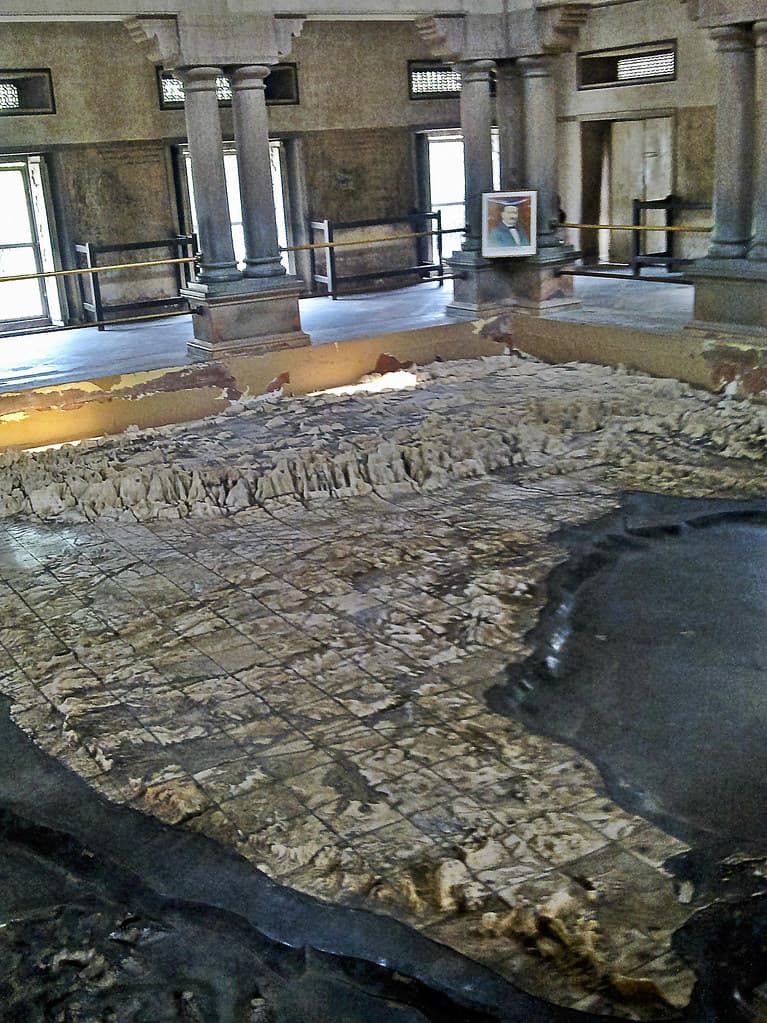
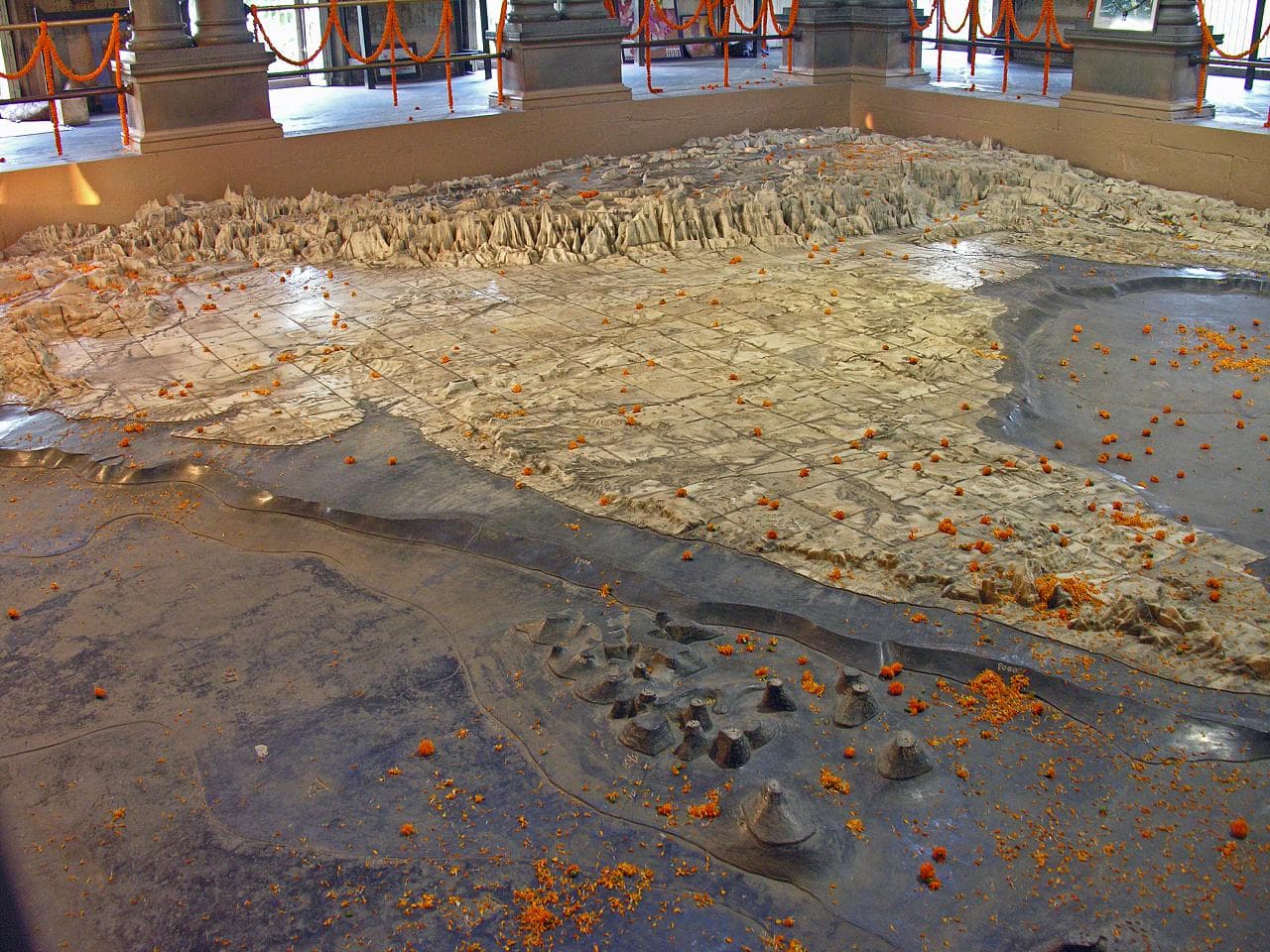
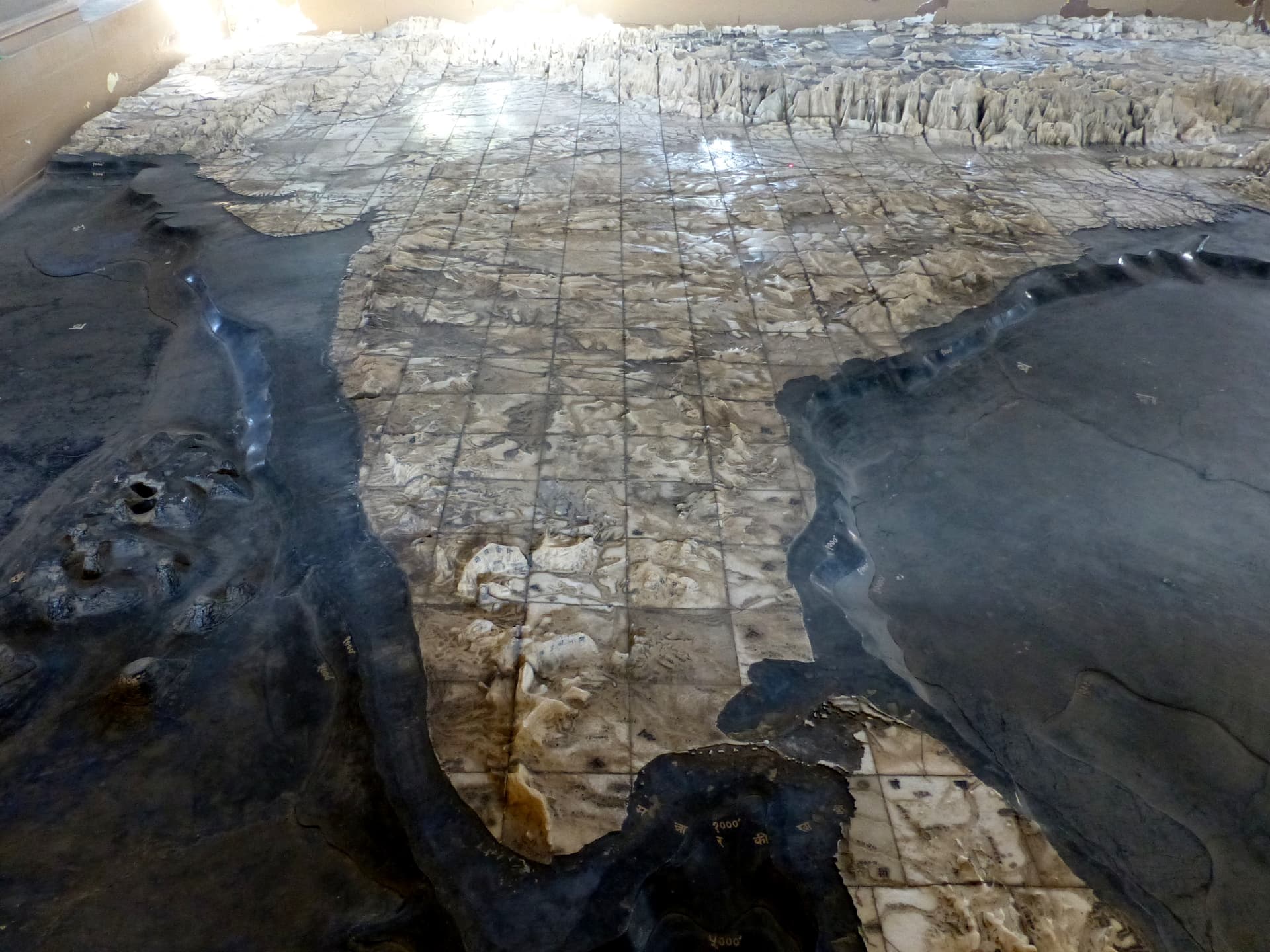
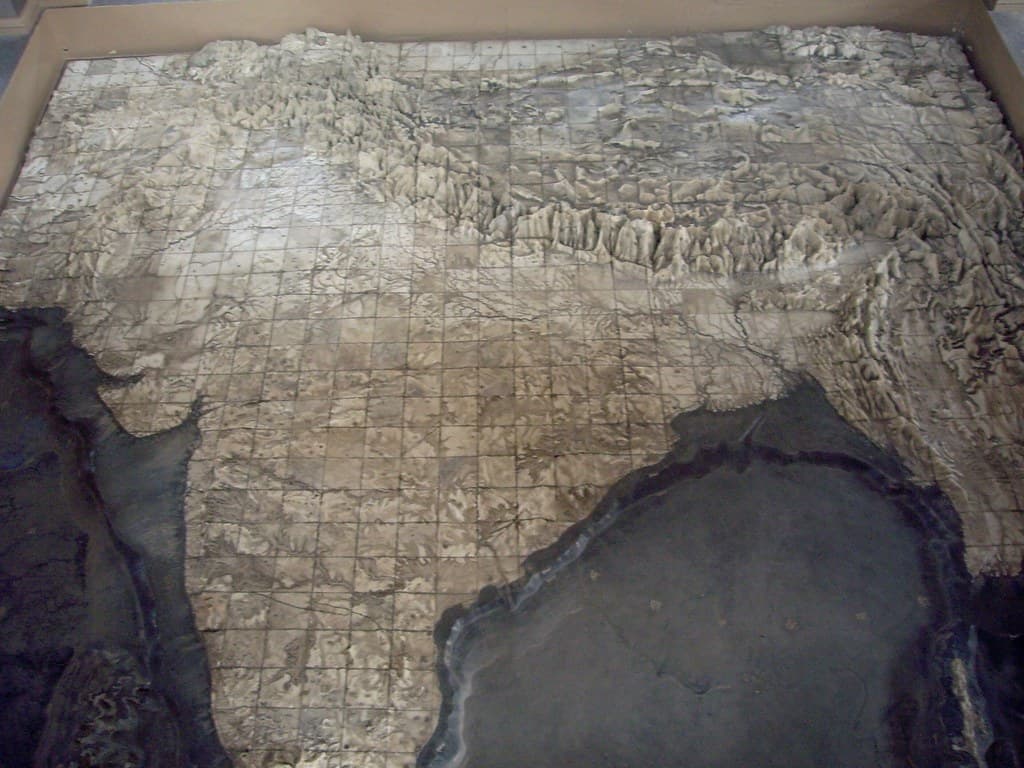
The Bharat Mata Mandir, situated in the historic city of Varanasi, is a striking temple dedicated to Mother India. Established in 1936, this unique temple is notable for its distinct representation of the Indian nation as a mother figure. Unlike traditional temples dedicated to deities, Bharat Mata Mandir features a large marble relief map of India, highlighting its geographical and cultural unity. The temple's design incorporates a blend of architectural elements from various Indian traditions, reflecting the diverse cultural heritage of the country. Inside, visitors can observe the detailed map and gain insights into India's historical and geographical landscape. The temple stands as a symbol of national pride and unity, drawing both pilgrims and tourists who seek to connect with India's identity and heritage. Its location in the heart of Varanasi adds to its significance, offering a deep and reflective experience for those who visit.
Key Features and Attractions
Mother India Map: The central attraction of Bharat Mata Mandir is its relief map of India. This 3D map, carved out of marble, displays the geographical contours of the country, including its mountains, plains, and rivers. This feature is a tribute to India's physical and cultural diversity.
Statue of Bharat Mata: The temple houses a statue of Bharat Mata, a personification of the Indian nation. This statue is symbolic and does not represent a specific deity but rather embodies the spirit of the nation.
Architectural Style: The temple's design incorporates a blend of modern and traditional Indian architectural styles. The use of marble and minimalistic design highlights the central map and statue, keeping the focus on the symbolic representation of the nation.
Historical Significance: The temple was inaugurated by Mahatma Gandhi, who supported the idea of the temple as a symbol of national unity and patriotism. This historical connection adds a layer of significance to the temple’s visit.
Cultural Heritage
Bharat Mata Mandir stands as a symbol of India's national identity and pride. It reflects the spirit of the Indian independence movement and the unity of its diverse population. The temple promotes a sense of national pride and collective identity, aligning with the broader goals of the Indian freedom struggle.
Nearby Attractions
Kashi Vishwanath Temple: One of the most famous Hindu temples dedicated to Lord Shiva, it is located relatively close to Bharat Mata Mandir and is a significant pilgrimage site.
Ramnagar Fort: Situated on the opposite bank of the Ganges, this historic fort offers insights into the royal history of the region.
Sarnath: Approximately 10 kilometers from Varanasi, Sarnath is an important Buddhist site where Gautama Buddha gave his first sermon. It is home to several ancient stupas and museums.
Dasaswamedh Ghat: A major ghat on the Ganges River, known for its evening aarti (ritual worship) that attracts numerous visitors.
Local Cuisine
Varanasi is renowned for its street food and local delicacies. Near Bharat Mata Mandir, you can explore:
- Chaat: Popular snacks like tamatar chaat, aloo chaat, and panni puri offer a flavorful taste of local street cuisine.
- Banarasi Paan: A traditional betel leaf preparation, often enjoyed as a digestive aid and local specialty.
- Kachori: Deep-fried bread served with spicy potato curry or lentil filling.
- Lassi: A refreshing yogurt-based drink, often flavored with various spices or fruits.

Leave the planning to a local expert
Tips for Visitors
Dress Modestly: As with any religious site, it is respectful to wear modest clothing.
Photography: Check if photography is permitted inside the temple, as restrictions may apply.
Timing: Visit early in the morning or late afternoon to avoid peak hours and experience a quieter visit.
Respect the Locale: Be mindful of local customs and practices, particularly in a culturally significant site like Bharat Mata Mandir.
Conclusion
Bharat Mata Mandir is more than just a place of worship; it is a testament to India's collective identity and historical legacy. Its unique portrayal of India as a motherland, combined with its symbolic and historical significance, makes it a notable destination in Varanasi. Whether you're interested in Indian history, culture, or simply exploring new aspects of a diverse country, a visit to this temple offers a profound and enriching experience.