
Kashi Vishwanath Temple
.jpg&w=1920&q=75)
Overview
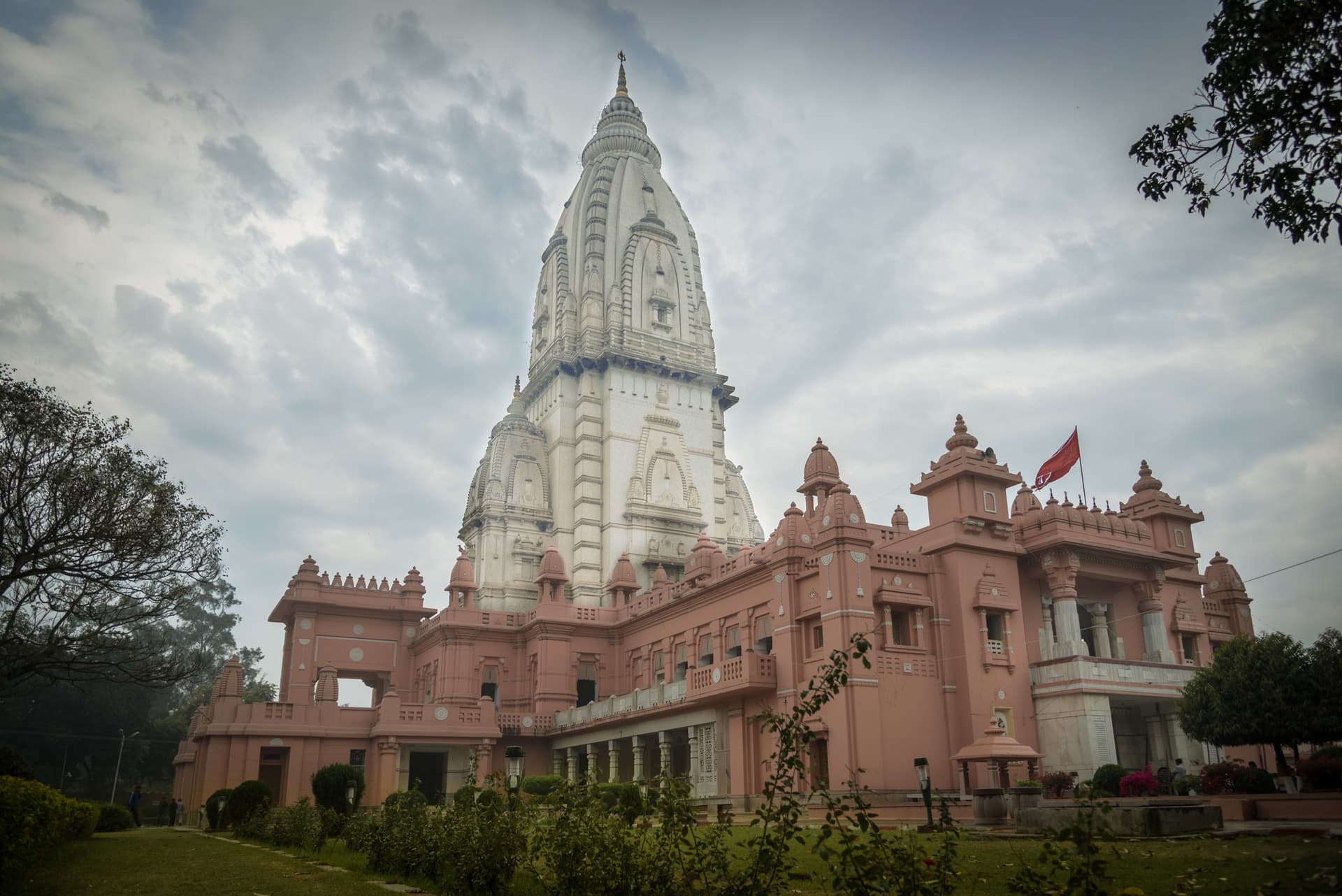
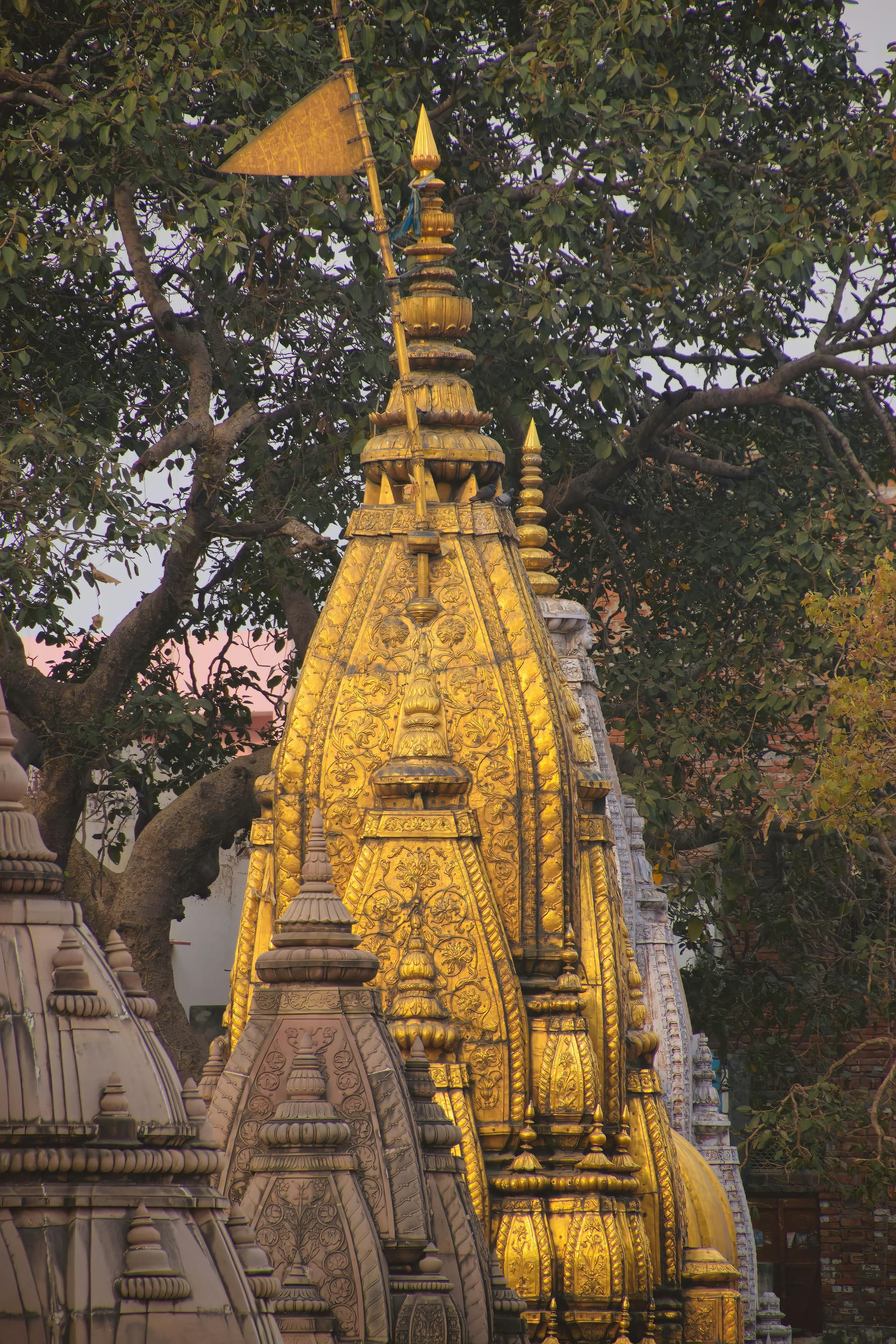
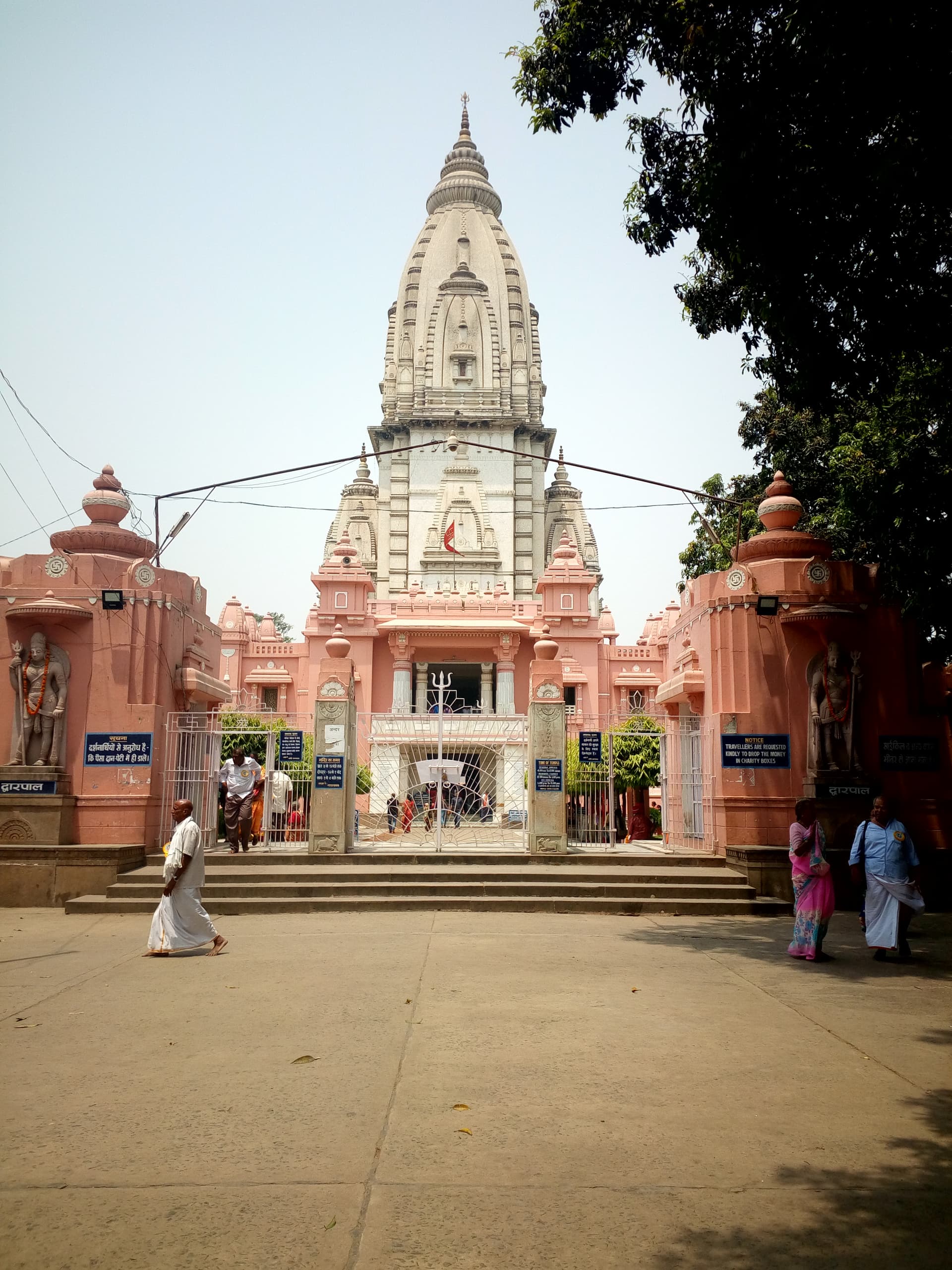
Kashi Vishwanath Temple, located in the heart of Varanasi, Uttar Pradesh, stands as one of the most revered temples in Hinduism. Dedicated to Lord Shiva, the temple is a significant pilgrimage destination for devotees from around the world. The current structure of the temple, built in 1780 by the Maratha ruler, Ahilya Bai Holkar, showcases exquisite architectural features and intricate carvings that reflect the rich cultural heritage of the region. The temple complex, bustling with activity, comprises a series of smaller shrines and courtyards, creating a vibrant and spiritual atmosphere. The main deity, Vishwanath or the "Lord of the Universe," is enshrined in a sanctum adorned with a golden spire, symbolizing its divine significance. Visitors to Kashi Vishwanath Temple can experience the timeless traditions and rituals that have been performed here for centuries, offering a deep connection to the spiritual essence of Varanasi. The temple's location along the banks of the sacred River Ganges further enhances its religious importance, making it a must-visit site for those seeking to immerse themselves in the profound spiritual and cultural legacy of India.
Historical and Cultural Heritage
The history of the Kashi Vishwanath Temple dates back to ancient times. The current structure was constructed in 1780 by Maharani Ahilyabai Holkar of Indore. Despite facing multiple destructions and reconstructions due to invasions, the temple stands resilient, symbolizing the enduring spirit of Varanasi. The temple's golden spire, adorned with 800 kg of gold donated by Maharaja Ranjit Singh of Punjab, is a notable feature and a symbol of its rich heritage.
Key Features and Attractions
Jyotirlinga: The temple is home to one of the twelve Jyotirlingas, the holiest shrines of Lord Shiva. Devotees believe that a visit to the Jyotirlinga grants liberation and eternal peace.
Gyanvapi Well: Located within the temple complex, this well is considered highly sacred. According to legend, the original Shiva lingam was hidden here to protect it from invaders.
Mandap and Garbha Griha: The temple's main sanctum, known as the Garbha Griha, houses the Jyotirlinga. The Mandap, a pillared hall, is where devotees gather to offer prayers.
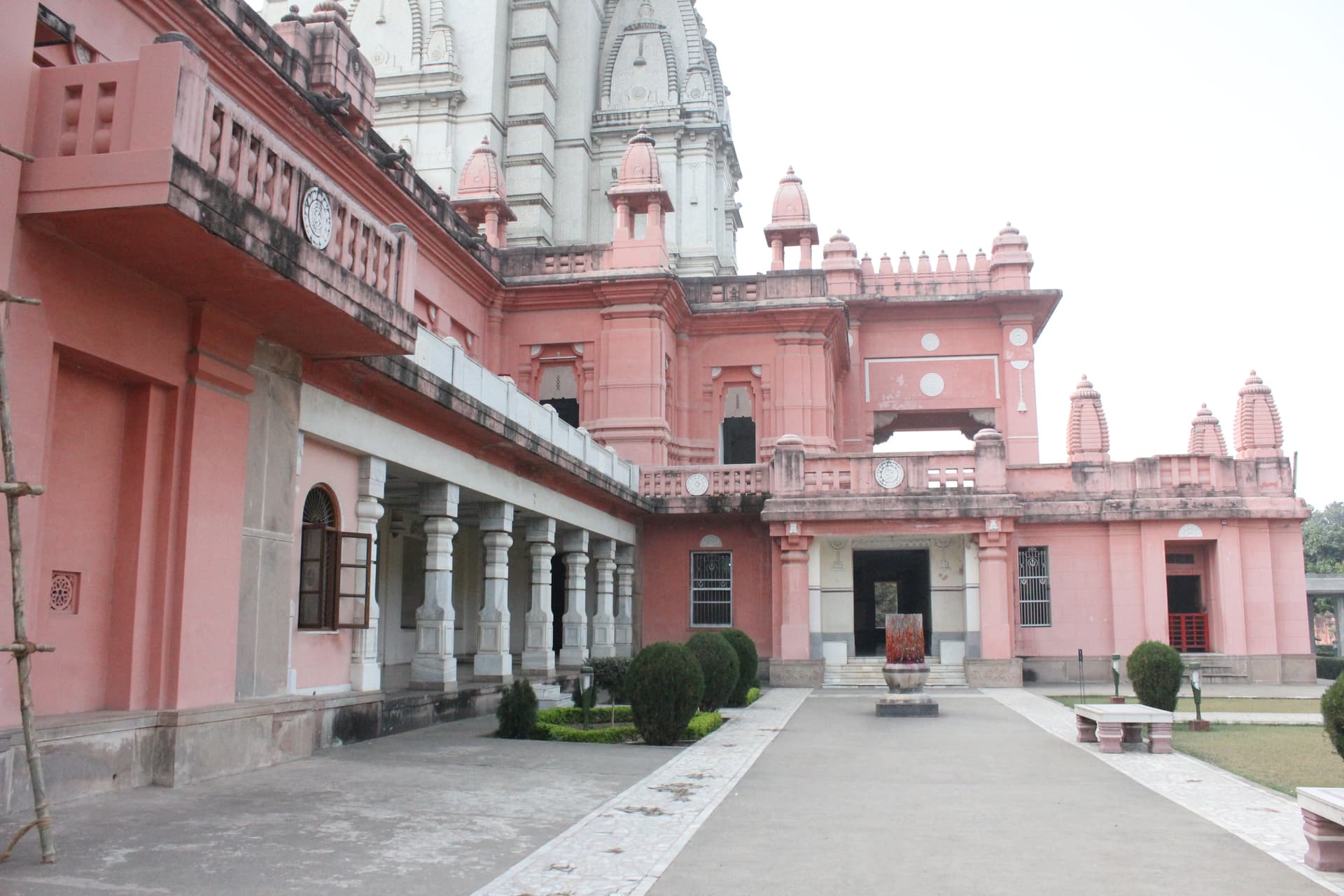
Architecture: The temple exhibits traditional North Indian architecture with intricate carvings and a unique blend of spiritual artistry and historical craftsmanship.
Evening Aarti: The evening Ganga Aarti, performed daily at the Dashashwamedh Ghat near the temple, is a mesmerizing ritual that draws thousands of visitors and devotees.
Nearby Attractions
Dashashwamedh Ghat: One of the oldest and most significant ghats, famous for its evening Ganga Aarti.
Sarnath: A few kilometers from Varanasi, Sarnath is where Lord Buddha delivered his first sermon after attaining enlightenment.
Ramnagar Fort: Located on the eastern bank of the Ganges, this fort is a historical monument showcasing Mughal architecture and housing a museum with rare artifacts.
Manikarnika Ghat: Known as one of the holiest cremation grounds, it is believed that cremation here leads to salvation.
Local Cuisine
Varanasi offers a rich culinary experience with a variety of traditional dishes. Key delicacies include:
Kachori Sabzi: A popular breakfast dish consisting of deep-fried bread served with spicy potato curry.
Banarasi Paan: A betel leaf preparation that is an integral part of Varanasi’s culture.
Chaat: Street food such as Tamatar Chaat, Dahi Puri, and Pani Puri are must-tries.
Malaiyo: A seasonal dessert made from milk froth and flavored with saffron and cardamom, typically available in the winter months.

Leave the planning to a local expert
Tips for Visitors
Best Time to Visit: The ideal time to visit Varanasi is between October and March when the weather is pleasant.
Dress Code: Modest clothing is recommended as the temple is a religious site.
Photography: Photography is not allowed inside the temple premises.
Security: Due to security reasons, electronic devices such as mobile phones and cameras are not permitted inside the temple.
Guided Tours: Hiring a local guide can enhance the experience by providing detailed insights into the temple’s history and significance.
Conclusion
The Kashi Vishwanath Temple is not just a place of worship but a vibrant confluence of faith, history, and culture. A visit to this temple offers a profound spiritual experience, enriched by the city's timeless traditions and vibrant local life. From its sacred rituals to the bustling ghats and delectable cuisine, Varanasi provides an unforgettable journey into the heart of India's spiritual heritage.