
Sri Satyanarayan Tulsi Manas Mandir

Overview
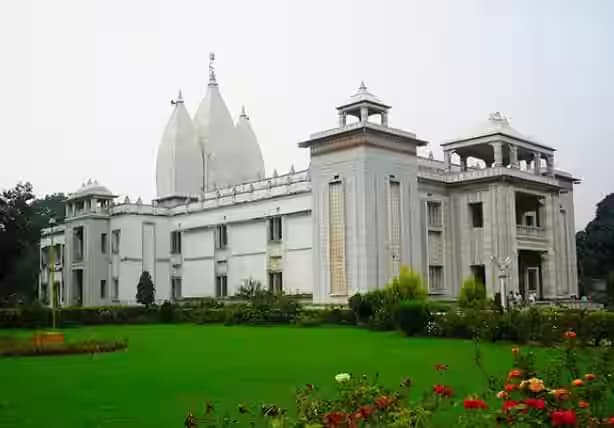
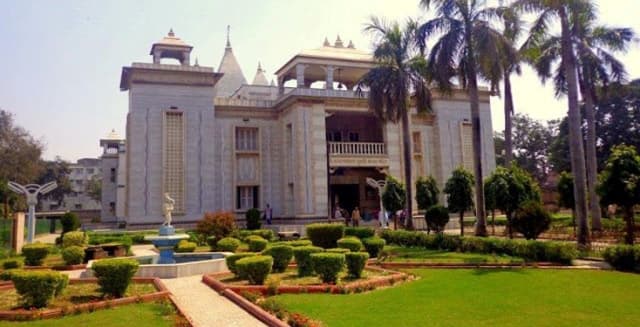
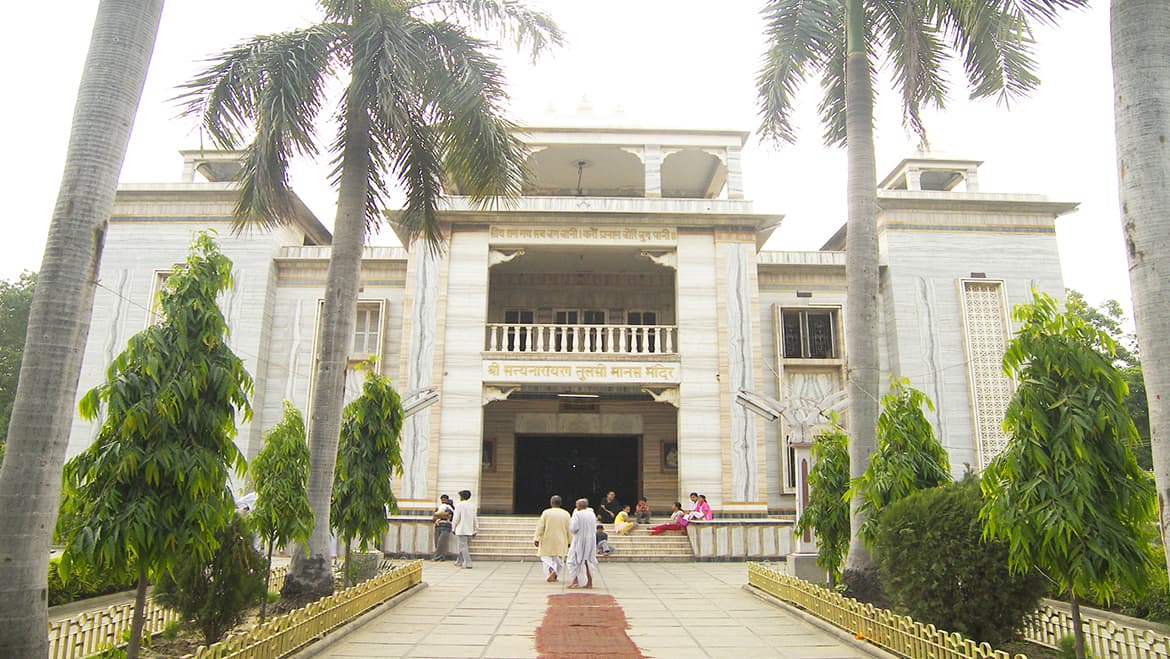
The Sri Satyanarayan Tulsi Manas Mandir, located in the heart of Varanasi, is a revered Hindu temple known for its rich history and architectural splendor. Built in 1964, this temple is dedicated to Lord Rama, an incarnation of Vishnu, and is particularly noteworthy for its association with the epic Ramcharitmanas, written by the poet Tulsidas. The temple's design is characterized by its elegant white marble facade and intricate carvings that depict scenes from the Ramayana. Inside, the walls are adorned with verses from the Ramcharitmanas, creating an ambiance of devotional reflection. Visitors often come to seek blessings and to admire the artistry of the temple's construction. The Sri Satyanarayan Tulsi Manas Mandir also serves as a cultural hub, where religious discourses and events related to Hindu traditions are regularly held. Its central location in Varanasi makes it an accessible and significant site for both pilgrims and tourists interested in exploring the spiritual heritage of the city.
Key Features and Attractions
Architectural Design: The temple's architecture is a blend of traditional and modern elements. The structure features white marble and is adorned with intricate carvings. The design follows the classic Nagara style of temple architecture, which is prevalent in northern India.
Ramcharitmanas Panels: The temple walls are decorated with panels depicting scenes from the "Ramcharitmanas." These vibrant murals illustrate the various episodes of Lord Rama's life, including his birth, exile, and battle against Ravana.
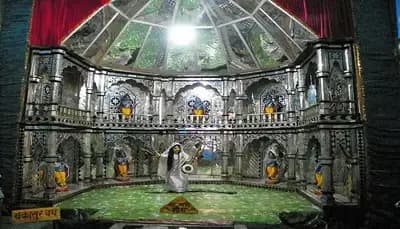
Main Shrine: The central shrine of the temple houses an idol of Lord Rama, along with his consort Sita, brother Lakshmana, and devotee Hanuman. The sanctum is a focal point for devotees and visitors, offering an opportunity for prayer and reflection.
Tulsidas’ Connection: A significant aspect of the temple is its connection to Tulsidas. It is believed that Tulsidas wrote the "Ramcharitmanas" in Varanasi, and the temple serves as a spiritual homage to his literary and devotional contributions.
Cultural Heritage
The Tulsi Manas Mandir is deeply intertwined with the cultural and religious heritage of Varanasi. It represents a fusion of literary tradition and religious devotion. The temple attracts scholars, devotees, and tourists who seek to connect with the spiritual and historical essence of the Ramayana as interpreted by Tulsidas.
Nearby Attractions
Kashi Vishwanath Temple: Located not far from the Tulsi Manas Mandir, this temple is dedicated to Lord Shiva and is one of the most important pilgrimage sites in Varanasi.
Sarnath: Situated a short drive from Varanasi, Sarnath is a significant Buddhist site where Buddha gave his first sermon. The archaeological site features stupas, monasteries, and museums.
Ramnagar Fort: Located on the eastern bank of the Ganges, this historical fort offers a glimpse into the royal heritage of Varanasi.
Local Cuisine
Varanasi is renowned for its vibrant street food and traditional cuisine. Near the temple, visitors can enjoy:
- Chaat: A variety of savory snacks like aloo chaat, papri chaat, and kachori.
- Banarasi Paan: A traditional betel leaf preparation, often enjoyed after meals.
- Kachori and Jalebi: Fried kachoris served with spicy chutneys and sweet jalebis are popular local treats.

Leave the planning to a local expert
Tips for Visitors
Dress Modestly: As a place of worship, visitors should dress modestly and respectfully.
Visit Early: Arriving early in the morning helps avoid crowds and allows for a more serene experience.
Respect Local Customs: Be mindful of local religious practices and customs while visiting the temple.
Photography: Check for any restrictions on photography, especially within the temple premises.
Conclusion
The Sri Satyanarayan Tulsi Manas Mandir is not only a significant religious site but also a cultural landmark in Varanasi. It offers a unique blend of spiritual reverence and literary heritage, providing visitors with insights into the devotional aspects of Hinduism as interpreted through Tulsidas’ epic. Its proximity to other historical sites and the rich local cuisine further enhances the experience for travelers exploring the spiritual heart of India.