Blog
Eco Friendly Initiatives in Wayanad; Preserving People's Paradise
4 minutes
1st May 2024
 by Ananya Iyer
The Importance of Eco-Friendly Initiatives
Wayanad, located in the Southern Indian state of Kerala, within the Western Ghats, is renowned for its stunning natural beauty, lush landscapes, and diverse wildlife. Yet, the biggest concern for this region is the potential environmental harm brought about by modernization and urbanisation. Many eco-friendly initiatives have been taken by the native people here to save the biodiversity of this place. This blog is intended to share some of those initiatives that have been responsible for making Wayanad a sustainable ecosystem.
Why are eco-friendly initiatives important
Obviously, all places should have eco-friendly initiatives to save and conserve the environment around us. Such initiatives will help to maintain the balance between nature and biodiversity, so that the advantages of a healthy ecosystem are enjoyed for generations. Sustainability measures are needed to maintain the ecosystem, maintaining wildlife habitats and preventing ecosystem degradation by reducing pollution, responsible waste management, and conservation of natural resources. The preservation of the ecosystem is not only the key to the survival of loads of plant and animal species but is also the key to keep a beautiful image and an ecological balance at one place. Eco-friendly practices form the primary instrument used to combat climate change. Programs such as climate-friendly carbon level reduction, green diesel and higher-quality greenery restore cut plants and reduce the level of carbon dioxide in the greenhouse in the air. The initiatives play a vital role in addressing the problem of extreme weather conditions, increase in sea level and other potential catastrophic environmental effects, thus contributing to the global efforts to fight against climate change. Environmentally sustainable actions will also pave the way for economic growth. Activities like organic farming, eco-tourism and sustainable forestry create economic prospects and at the same time preserve the natural resources. As an illustration, eco-tourism enables travellers to experience sustainable land use practices that also brings about some profit for local communities without destroying the environment. Such an approach can provide a framework for sustainable economic stability and flexibility in the years to come. Quality of the environment and the health, and well-being of a community are tightly tied to each other. Air, water, and soil are the basics required for the health of humans. Eco-friendly projects that control pollution, manage waste, and improve general health of citizens living in different localities by reducing or imprisoning respiratory diseases, waterborne illnesses, and exposure due to chemicals. It also increases people's mental health and well-being to have access to green areas or natural environments. A number of traditional practices and knowledge systems are intrinsically more sustainable and ecologically sound. Communities can preserve their tradition and their identity by valuing and incorporating these practices in conservation policy, which will also make these conservation policies more successful. Going forward, let us look at what are some of the important sustainable initiatives taken by the people of Wayanad to conserve their greenery.
Sustainable Farming Practices
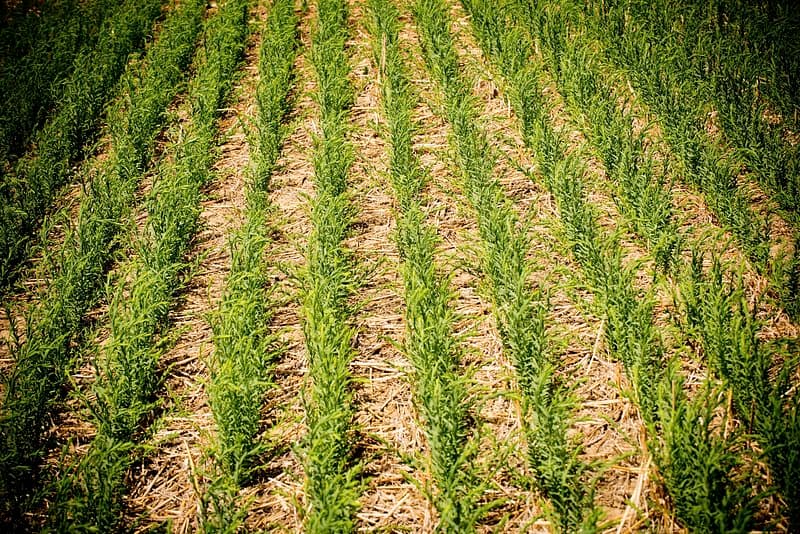
Sustainable Farming Practices - Courtesy of Photographer
One of the popular eco-friendly activities in Wayanad is the practice of sustainable farming . Wayanad has many farmers carrying out sustainable farming where they do not use chemical fertilisers and pesticides, herbicides alongside other chemicals. Sustainable farming, besides protecting the soil fertility, also leads to the good health of the farmers and the conservation of the water resources which inturn reduces the carbon footprint in the area’s agricultural front.
Rainwater Harvesting
.jpg&w=1920&q=75)
Rainwater Harvesting - Courtesy of Photographer
During summer, water scarcity is the most common issue faced in Wayanad. Therefore, many houses and resorts in Wayanad do water harvesting or rainwater harvesting. Roofs are mainly used to collect rainwater; this water is stored and used later. It also helps to reduce the consumption of groundwater; more and more water sources like this are preserved to have water sources continually throughout the year.
Proper waste management
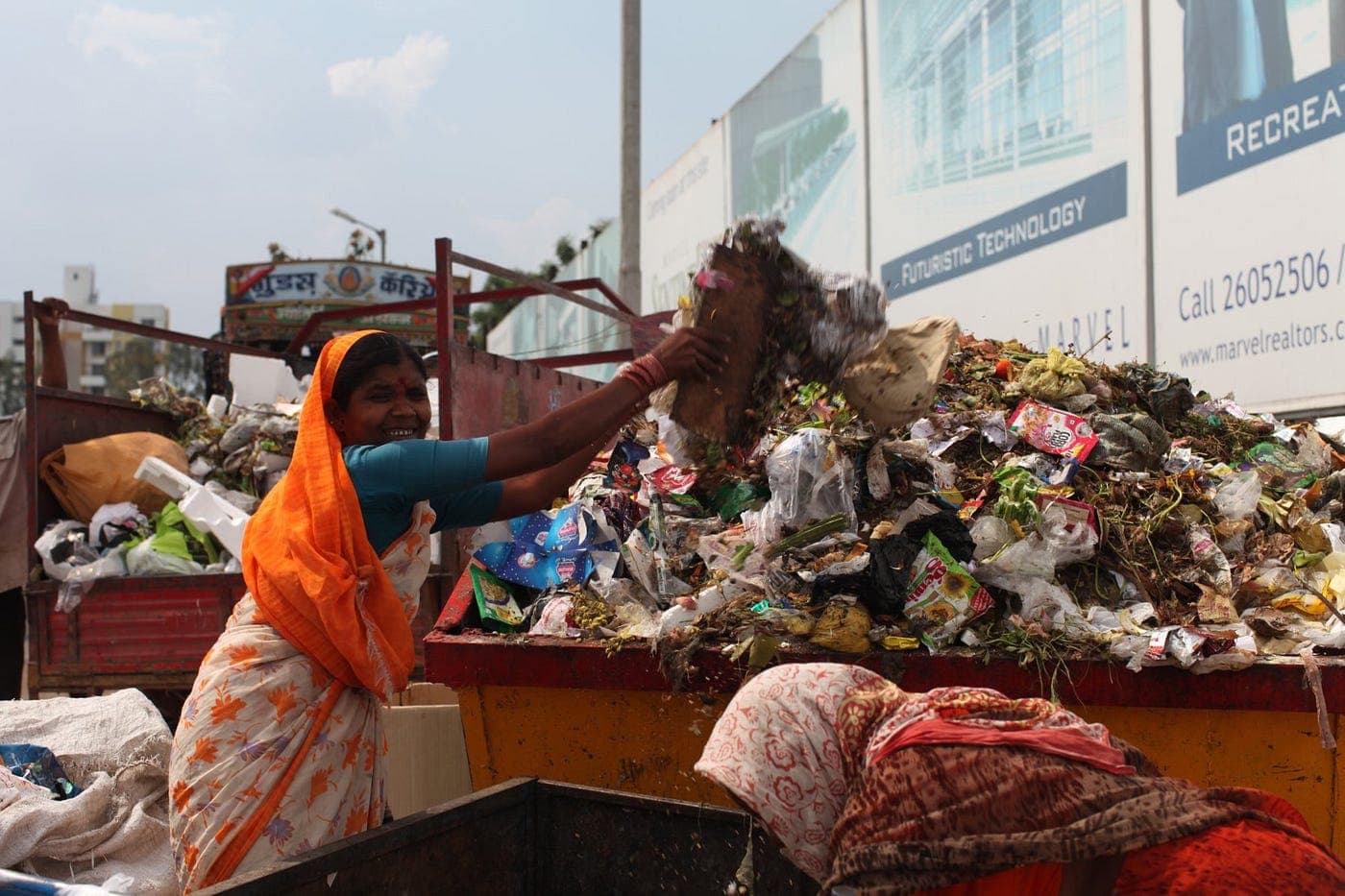
Proper Waste Management - Courtesy of Photographer
Proper waste management is very much essential to preserve the environmental ecosystem in the region. In Wayanad, it is ensured that segregation of waste is done in a much effective way which involves their recycling and decomposition. Most hotels and resorts have been managing waste in a way that is saving the amount of waste that is finding its way to waste handlers or dumpsites.
Conservation of Wildlife and Biodiversity

Wildlife Conservation - Courtesy of Photographer
While the forests and adjacent areas in the Wayanad region are inhabited by natural flora and fauna, a considerable portion of it is facing extinction threats. The concerned authorities have implemented a wide range of initiatives to prevent it. The Wildlife sanctuaries of this area are preserving many of such species that are at the verge of extinction.

Leave the planning to a local expert
Sustainable tourism practices

Sustainable Tourism - Courtesy of Photographer
While tourism is a major income earner for Wayanad, failure to take measures such as its management could lead to environmental threats . Many tour operators and resorts in this city are taking friendly initiatives to ensure sustainable practices which includes using renewable energy sources, minimising waste generation, and ensuring that the guests who are going to stay here also join their hands in practising responsible tourism.
Practising afforestation
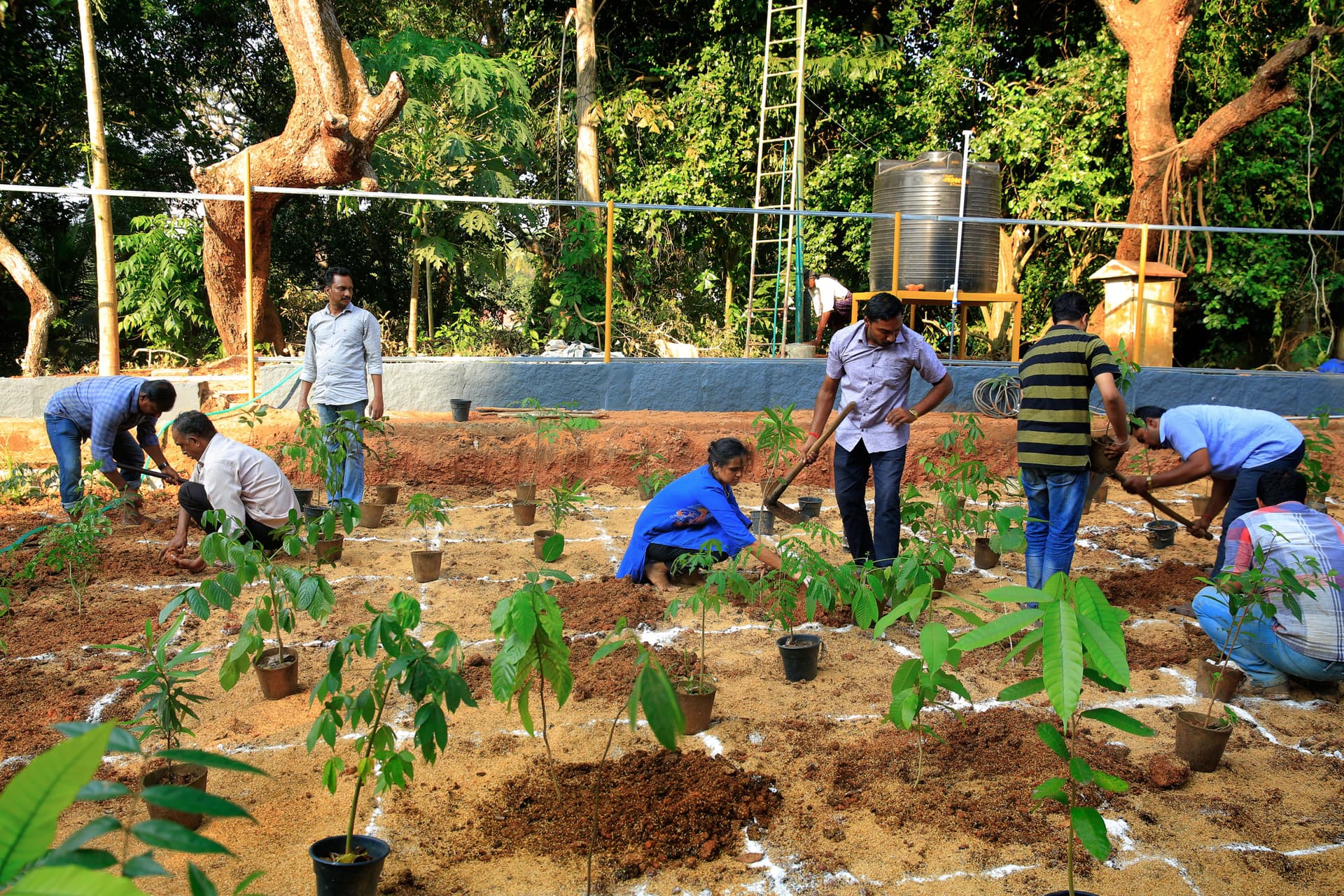
Afforestation - Courtesy of Photographer
A more significant issue, similar to many other parts of the world, is deforestation. A number of projects are being employed to resolve this issue in Wayanad and rebalance the ecology. A few projects, such as planting trees of native species will not only help restore the forest cover, but will also be a living habitat for animals, along with fixing the water cycle.
Community Participation and Education
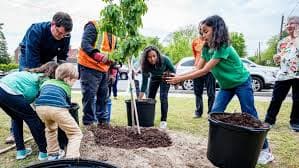
Community Participation - Courtesy of Photographer
The active involvement of the people and education are the key to the prosperous functioning of an eco-friendly project. In Wayanad, a large number of NGOs and local groups operate with a more intensified focus on saving the environment. They conduct regular awareness drives, workshops, and training programs for the people to ensure that the residents know about the advantages of saving the environment and adopting eco-friendly methods.
Conclusion
The eco-friendly solutions of Wayanad can become an example for other landscapes to implement sustainable development which, however, does not harm the environment in any way. In this respect, eco-friendly farming practices, rainwater harvesting techniques, waste management, wildlife protection, and involvement of the locals can serve as excellent learning materials for other tourist destinations across the world. Indeed, it is everyone’s duty to conserve the biodiversity of the region in which they live for the benefit of the generations that are yet to come further.



.jpg&w=1920&q=75)
-optimized.webp&w=1920&q=75)