Culture
Wayanad's tribal communities; Cultural heritage and empowerment
7-8 minutes
9th April 2024
 by Ananya Srijith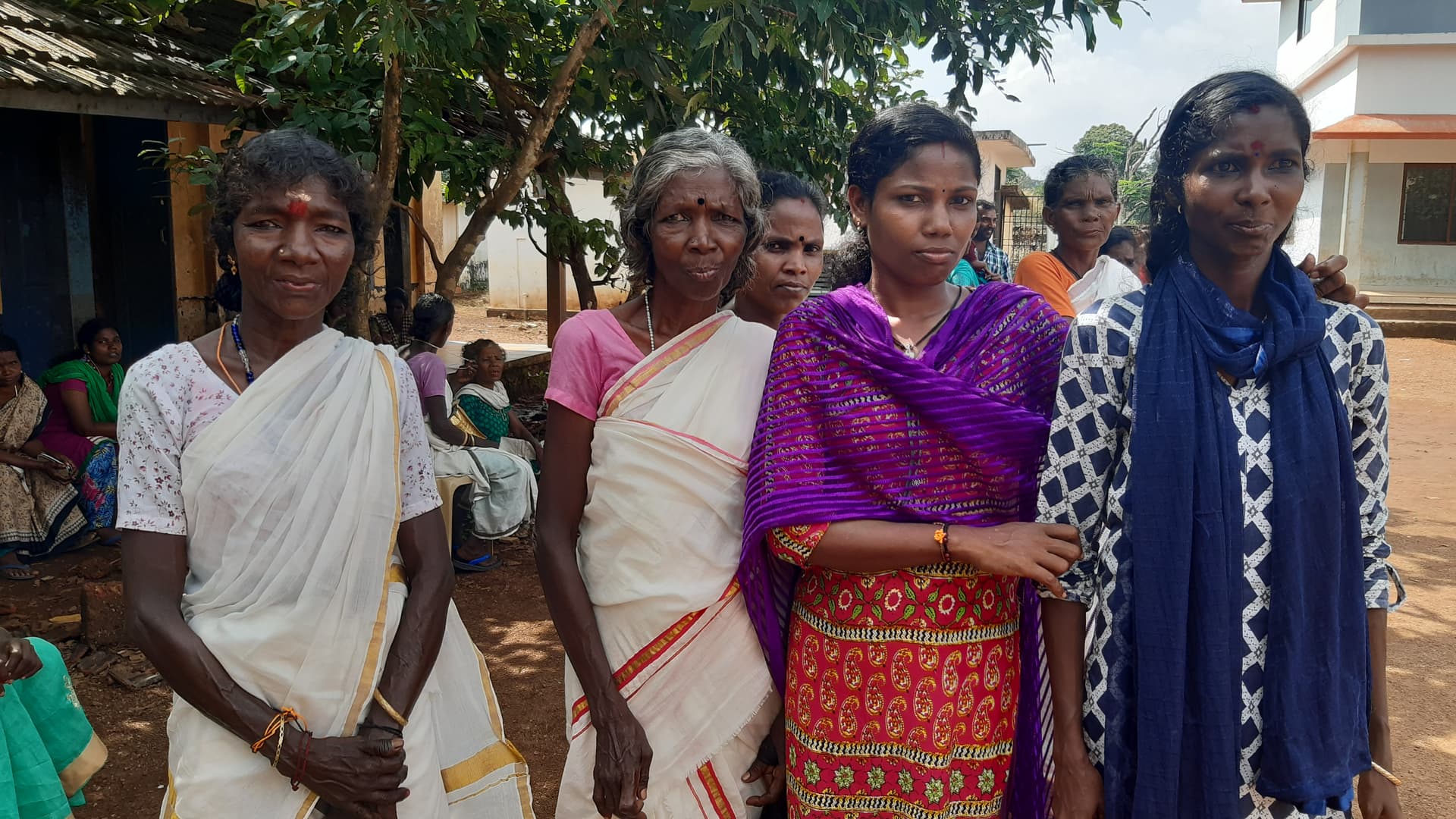
Tribes of Wayanad
The Tribal communities are the crucial elements of society. They are responsible for making society more diverse, authentic, and sustainable. Tribal communities usually keep up the cultural practices that are not common to other communities, the languages and art forms, and the traditions that are very important to the cultural diversity of humanity. A lot of tribes have their traditional knowledge and practices that can make people live sustainably and conserve the resources of nature. They usually know medicinal plants, agriculture, and natural resource management, which can be useful for sustainable development. They also possess a collective decision-making process that leads to societal solidarity and durability.
Tribal communities generally have traditional economic activities like handicrafts, agriculture, and other traditional occupations that have become a part of the country’s economy. Tribal communities have their cultural practices, rituals, and art forms that have become a part of a country’s cultural heritage and are important for the country’s pride. A lot of tribal communities practice spiritual and religious habits that positively help maintain the natural balance of the environment. The recognition and respect for the rights of the tribal communities is the key to the promotion of human rights and social justice for everyone. This blog enlightens the readers about some of Wayanad’s significant tribal communities, their cultural norms, beliefs, practices, cultural sensitivities, context, history, challenges, strengths, member perspectives, ethical considerations, impact, and empowerment.
The Paniya Tribe
The Paniya community has a close-knit structure and values. They are sensitive to issues related to their identification, land rights, and cultural renovation. They regularly face demanding situations in retaining their cultural practices in the face of modernization. They have faced marginalization and discrimination. Leading to socio-monetary challenges within the community. They also have suffered poverty, loss of entry into education and healthcare, and land alienation. They additionally face issues related to social stigma. Despite all these challenges being faced by them, the Paniya tribe has shown resilience and a sturdy community feel. They have a rich cultural heritage they’re happy with and have deep satisfaction concerning their history and culture. They are keen on passing their traditions down to future generations. While engaging with the Paniya tribe, it is indeed important to respect their cultural norms and practices. This consists of seeking permission earlier to document or photograph their ways of life. It is important to respect their privacy. Efforts are being made to empower the Paniya tribe via various projects. These include academic programs, health care offerings, and efforts to guard their land rights.
The Kurichiya Tribe
The Kurichiya tribe, also known as the Kurichiyar, is a tribe primarily seen in the Wayanad district of Kerala. The individuals of the tribe follow a matrilineal group in which the descent is abided by the mother’s line. The tribe contains a custom of verbal literature including myths, tales, folk tales, etc., which goes from one generation to another generation. Hunting has been their traditional livelihood, however, today, many Kurichiyars are engaged in agriculture or different occupations. The Kurichiya tribe, like many other indigenous groups, faces challenges associated with land rights, cultural maintenance, and socio-economic development. The land and forests that are deeply connected to, are increasingly threatened with deforestation and land encroachment. The history of the Kurichiya tribe dates back centuries, and they have a history of resilience, along with having deep expertise in the neighbourhood environment. They are recently seeking out possibilities for training and financial advancement. Efforts should be made to engage with the community sensitively to make sure that their voices are heard, and their rights are reputable. Empowerment should be network-led, respecting their autonomy and self-determination.
The Kattunayakans
The Kattunayakans, also known as the ‘Kadu Kuruba’ are a tribal network, typically located inside the forests of Karnataka and Kerala, consisting of the Wayanad district. Their cultural norms, ideals and practices are deeply rooted in their forest-living way of life and near connection to nature. Traditionally, the Kattunayakans were hunter gatherers and forest dwellers, counting on the woods for his/her livelihood. They also exercise ancestral worship. They speak a dialect of Kannada in Karnataka and Malayalam in Kerala. They have their own folk songs, dances, and musical compositions frequently utilised in rituals and celebrations. Their traditional apparel consists of simple apparel crafted from herbal fibres, ideal for their forest surroundings. They have a deep respect for the forest and its resources, viewing it as their primary provider. With growing touch with out of the door’s world, their conventional manner of existence is through the challenges which includes encroachment of their land and cultural assimilation. Like many other tribal groups, Kattunayakans have faced marginalisation and discrimination in the course of history. Various organisations and authorities have been trying to empower the Kattunayakan community through schooling, healthcare, and sustainable livelihood possibilities.
The Adiyar Tribe
The Adiyar tribe, also called the Adiyan or Adiya is a tribal network basically living in the Wayanad district of Kerala and in some parts of Tamil Nadu and Karnataka. Their cultural norms, beliefs and practices are deeply rooted in their conventional manner of existence and close connection to the woods. Traditionally they have been the hunter-gatherers and forest dwellers, relying on the forest area for their livelihood. They have their personal language Adiya Bhasha, which is a Dravidian Language. However, many Adiyars nowadays additionally speak the local languages of the region they inhabit. Their challenges are similar to what the rest of the tribes mentioned above are facing. They have sturdy communal ties and often rely on collective efforts searching and collecting. Despite demanding situations, many Adiyar people and groups keep pleasure in their cultural history and paintings to keep it alive. Understanding and respecting cultural norms, ideals, and practices of the Adiyar is essential for ensuring their well-being and upkeep their specific cultural history.

Leave the planning to a local expert
The Kurumba Tribe
The Kurumba Tribe, also referred to as the Kuruba or Kurumbar is a tribal network found basically in the Nilgiri District of Tamil Nadu as well as in Kerala and Karnataka. Their cultural norms, ideals, and practices are deeply rooted in their conventional lifestyle. They have their language, Kurumba, which belongs to the Dravidian language circle. However, many Kurumbas nowadays also communicate the nearby languages of the regions they inhabit. They have robust network ties and frequently depend on collective efforts for various activities, which include farming and cultural practices. Despite demanding situations, many Kurumba individuals and communities keep satisfaction in their cultural history and attempt to preserve it. Steps are being taken to document and preserve the language, indigenous knowledge, and lifestyle of the Kurumbas. Government and nongovernmental institutions help Strengthen the Kurumbas people with education, health, and a way to live. Kurumbas have a lifestyle with almost no effect on the environment as opposed to fashionable lifestyles.
Conclusion
Like many other indigenous communities in the world, the Paniyas, the Kattunayakans, Adiyar, and Kurumba tribes represent rich cultural traditions firmly steeped in their historical associations with the land and nature. Despite myriad challenges relating to the loss of traditional lands, lack of adequate access to education and healthcare, and cultural assimilation, the tribes have shown resilience and emotional pride in their heritage. Empowerment programs that largely are targeted at the provision of education, health, and sustainable livelihood options are important to support these communities. While understanding and appreciating the cultural norms, beliefs, and practices of these tribes, it is very important to respect their way of life and cooperate collaboratively towards the goal of their empowerment and the preservation of their unique cultural heritage.

.jpg&w=1920&q=75)

-optimized.webp&w=1920&q=75)