Blog
Top 8 stunning Hill Stations near Chikmagalur
18-20 minutes
9th July 2024
 by Ananya Srijith
Chikmagalur’s top 8 stunning hill stations
Welcome back, dear readers!
My blog this time is here to guide you through a memorable journey to the top 8 stunning hill stations In Chikmagalur! Chikmagalur, lying in the heart of Karnataka is a heaven for all the nature lovers and adventure freaks alike. Such is its beauty that this region has always been in the 'Top Places to Visit for a Getaway Weekend' of those living nearby. Whether you are trekking enthusiast, coffee connoisseur or simply seeking respite in the lap of mother nature, hill stations around Chikmagalur have some place for all interests. Every destination, whether bracketed by the picturesque Kudremukh or surreptitious gems like Kemmangundi offer an experience that will stay etched in your memory forever. Well, just sit back and relax as I’m giving you a virtual tour of these beautiful hill stations. Be it a road trip or you’re just simply planning your next vacation, this blog will give the inner traveller in you enough reasons to set out for this beautiful destination.
KEMMANGUNDI HILL STATION
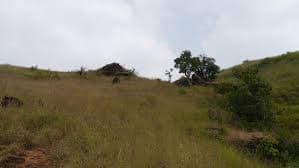
Kemmangundi Hill Station - Courtesy of Photographer
Kemmanagundi Hills, nestled in the midst of Karnataka's Western Ghats, is a picturesque place that attracts tourists because it looks so green and foggy. Perched at an elevation of 1434 metres, Kemmangundi provides panoramic views of the valleys and hills surrounding it. This hill station is rich in historical background as the Maharaja of Mysore, Krishnaraja Wodeyar IV used it as his summer retreat and later gave this place to the Government of Karnataka. Then, the area has a very rich cultural heritage and traditions which are so deeply rooted in the locals. The climate is stable year-round, with temperatures from 10°C to 25°C making it a best summer escape and a lovely winter retreat. The best time to visit is between September - May and after the monsoons when the flora has bloomed. Some of the best places to visit in Kemmangundi are; Hebbe Falls - a picturesque location, Z Point (around 250 km north from Bangalore) & Rajendra Hill that offers amazing experiences for nature lovers. The diverse biodiversity in the region and numerous reserved forest areas have made trekking, nature walks as well as bird watching as the popular activities that one can undertake. From budget guesthouses to high-end resorts, there should be something for your taste and comfort. Local food here is a delightful combination of South Indian traditional flavours with dishes like Akki Rotti and Kesari Bath being highly recommended. When it comes to travel tips, also keep in mind that even during the winter months (October-April) you always want to bring a light jacket or something at least moderately warm as temperatures can drop quite quickly and often without much warning. The hill station is also famous for its festivals & events, especially ones based on celebration of local culture and heritage. Kemmangundi shopping opportunity doesn't disappoint you, as a bunch of local handicrafts and organic products are available to shop.
MULLAYANAGIRI HILL STATION
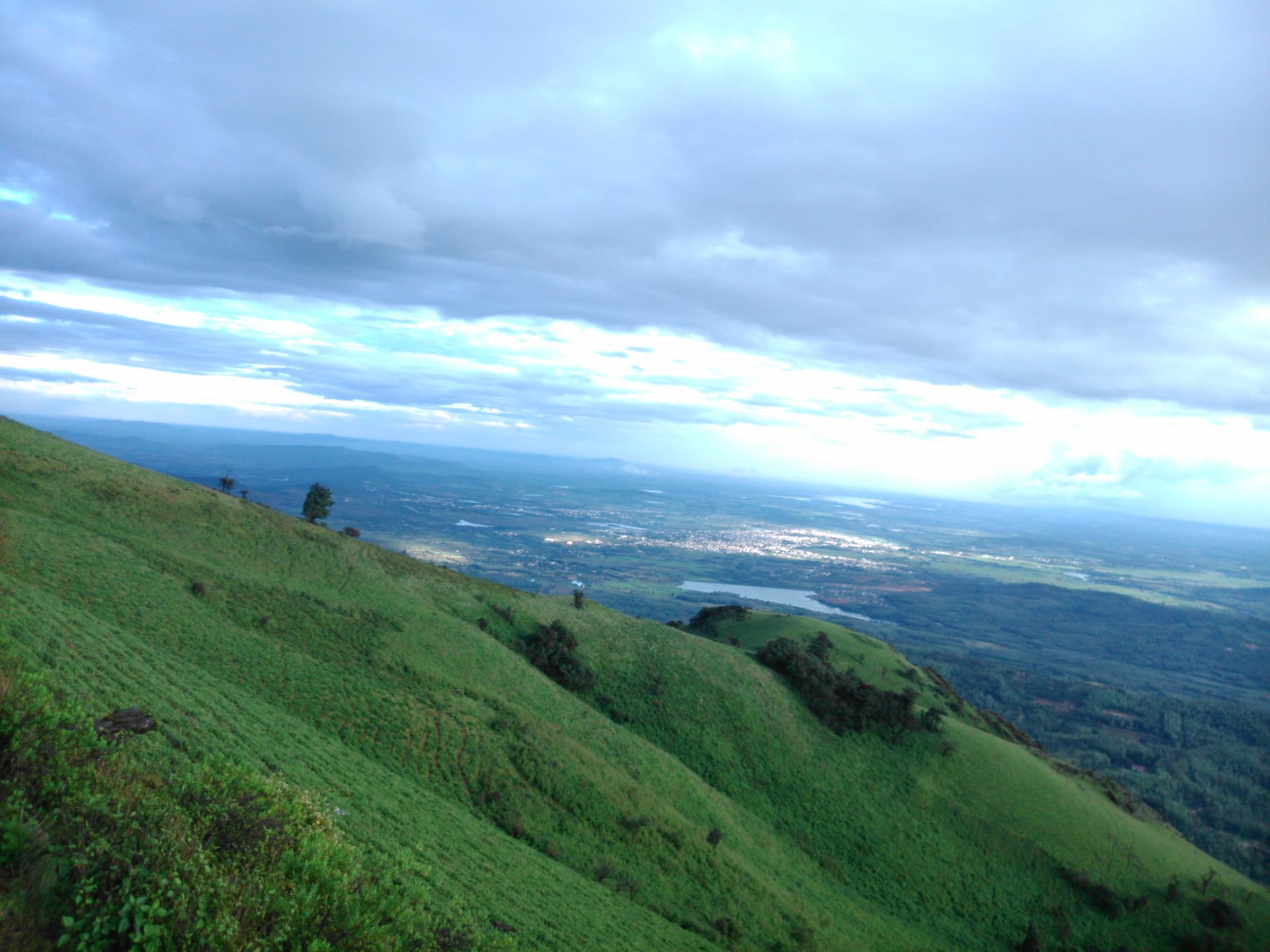
Mullayanagiri - Courtesy of Photographer
Chikkamagaluru district is a place where Mullayanagiri, the highest peak of Karnataka can be found at an average altitude of 1,930 metres in the Western Ghats. Honestly, as one reaches Mullayanagiri for the first time, trust me that feeling is beyond imagination amidst untouched beauty surrounded by hills and valleys with panoramic views all around. It is a resulting terrain of wonder and mystery that attracts tourists from all over the world and has natural beauty in abundance. Originally, Mullayanagiri was considered as an establishment of a saint, Mullappa Swami who came to meditate in the caves at the peak. The temple and the presence of Mullappa Swamy give off an aura of worship in an otherwise deserted little hillock. Along with the cultural legacy, there are many elements of local customs and traditions that make this place quite appealing. Mullayanagiri has cool and pleasing weather, with temperatures varying from 10°C to 25°C which makes it an ideal getaway spot during summer months & a cosy tourist place throughout winters. The best time to visit is between September and February, after the monsoon season when the land will be green and the sky bright, permitting for a great visit. Mullappa Swamy Temple at the summit of Mullayanagiri provides some spiritual solace and blissful scenes. The surrounding region is also known for its trekking trails, such as the trek from Sarpadhari to the peak, which is popular among adventure enthusiasts. Mullayanagiri also boasts of varied and fantastic biodiversity; deep forests, all kinds of flowers; this makes a great place for nature lovers as well photographers. Further, the Baba Budan Giri range is close by and so Manikyadhara Falls etc., are other reasons that make this region more attractive. The accommodation options include everything from homestay and guesthouses to high-end resorts. Hugely popular locally with the flavours of Karnataka Kitchens, local cuisine offers Bisi Bele Bath, Neer Dosa and one of the best coffees which is famous for their strong flavour.
BABABUDANGIRI HILL STATION

Baba Budangiri Hill Station - Courtesy of Photographer
The Baba Budangiri is a lofty peak in the Western Ghats of Karnataka state that stands amidst weather-beaten grasses and tall trees as still as a warrior on sentry at the Shankaracharya point. At an altitude of around 1,895 metres from sea level, it is situated in the Chikkamagaluru district and near to statewide highest peak Mullayanagiri. Baba Budangiri makes such a first impression - serene and mystical, enhanced by the verdant greenery around that gentles the crisp cold air. The revered Sufi saint Baba Budan introduced coffee seeds from Yemen and planted them here in the 17th century, which is why this hill got its name. This incident has turned Baba Budangiri into a holy place for both religions, along with the shrine of Baba Budan that makes numerous believers come from all communities. With an average cool breezy weather of 10°C to 25°C, you can visit the destination all year round. Be that as it may, September to February is the perfect time for trekking and sight-seeing when monsoons rejuvenate everything. It is flanked with a number of tourist destinations such as the Manikyadhara Falls; an alluring waterfall also providing serenity for relaxation, and Dattatreya Peetha - one among other ancient holy sites. Most activities are centred around trekking with trails ranging from easy to very difficult and all of them giving some beautiful sights. Baba Budangiri has a rich biodiversity and is covered with dense sholas, home to many flora and fauna species- some are even endemic to this region. The protected areas near Baba Budangiri are part of the Bhadra Wildlife Sanctuary that is a paradise for wildlife enthusiasts and nature lovers. The stay options around it vary between homestays to luxury resorts, becoming an ideal location for all budgets and trends. The in-residence restaurant serves food inspired by the local cuisine from Karnataka, focusing on dishes cooked with locally sourced produce. Go prepared with warm clothing, and prepare for sudden weather changes when visiting Baba Budangiri. The region is also the stage for numerous festivals and events that showcase its diverse cultural fabric, such as the annual Urs festival at Baba Budan Dargah. Shopaholics have a chance to buy some local souvenirs, such as handicrafts or an obligatory thing which is the famous Chikmagalur coffee. There are obvious interventions in place, along with plans to protect the delicate environment and prevent it from deteriorating for generations to come. With its natural beauty, historic importance and cultural richness, Baba Budangiri is an unmissable place for the travellers in the state of Karnataka.
AGUMBE HILL STATION
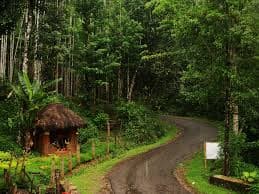
Agumbe Hill Station - Courtesy of Photographer
Agumbe is located in the Malnad region of Karnataka and known as the ‘Cherrapunji of the South’ for its ample rains and lush greenery. Positioned in the Shimoga district, this scenic hill station draws visitors with peculiar mist-topped hills, tall rainforests and idyllic atmosphere. The salubrious weather and scenic beauty of Agumbe makes it nothing less than an ideal getaway from city life for anyone as it promises tranquillity. Being a part of the lasting Green Horizon, Agumbe is historically relevant as it holds much importance when it comes to biodiversity research owing to having played an important role in conducting pioneering studies on amphibians, reptiles and endemic medicinal plants conducted by the Agumbe Rainforest Research Station. It has a rich cultural heritage which embraces the local customs and rituals that makes this place awesome. Agumbe has especially heavy rainfall, with rains occurring for an average of 300 days in a year largely due to the southwest monsoon. With a dry season that offers great visibility post-monsoon (October to February) and pre-monsoon (March to May), the place can conveniently be accessed during these periods. Agumbe attractions are splendid - the sunset views from the Sunset View Point, where the sky many a times turns into vibrant colours on its palette and Barkana Falls. For an experience in the lap of nature you can go on forest treks, bird watching or to any wildlife sanctuaries nearby like Someshwara Wildlife Sanctuary where all one hears is chirping, cooing and hooting birds. Agumbe is famous for its Biodiversity because it hosts several rare species of flora and fauna with plenty native to the area surrounding the rainforest. Choose from budget guesthouses to idyllic eco-lodges that harmonise into its natural settings, one can find the accommodation of his/her choice and get to savour the Malnad cuisine, especially traditional Malnad dishes like Akki Rotti and Bamboo Shoot Curry along with other fresh coconut based dishes. Travel tips for Agumbe include carrying rain gear as rains are pretty common and carrying a good pair of sturdy socks could also help during your stay here. Agumbe Festivals and Events celebrate the rich diversity in culture of this region giving one a sneak peek into its colourful heritage.
KUDREMUKH HILL STATION
Kudremukh - Courtesy of Photographer
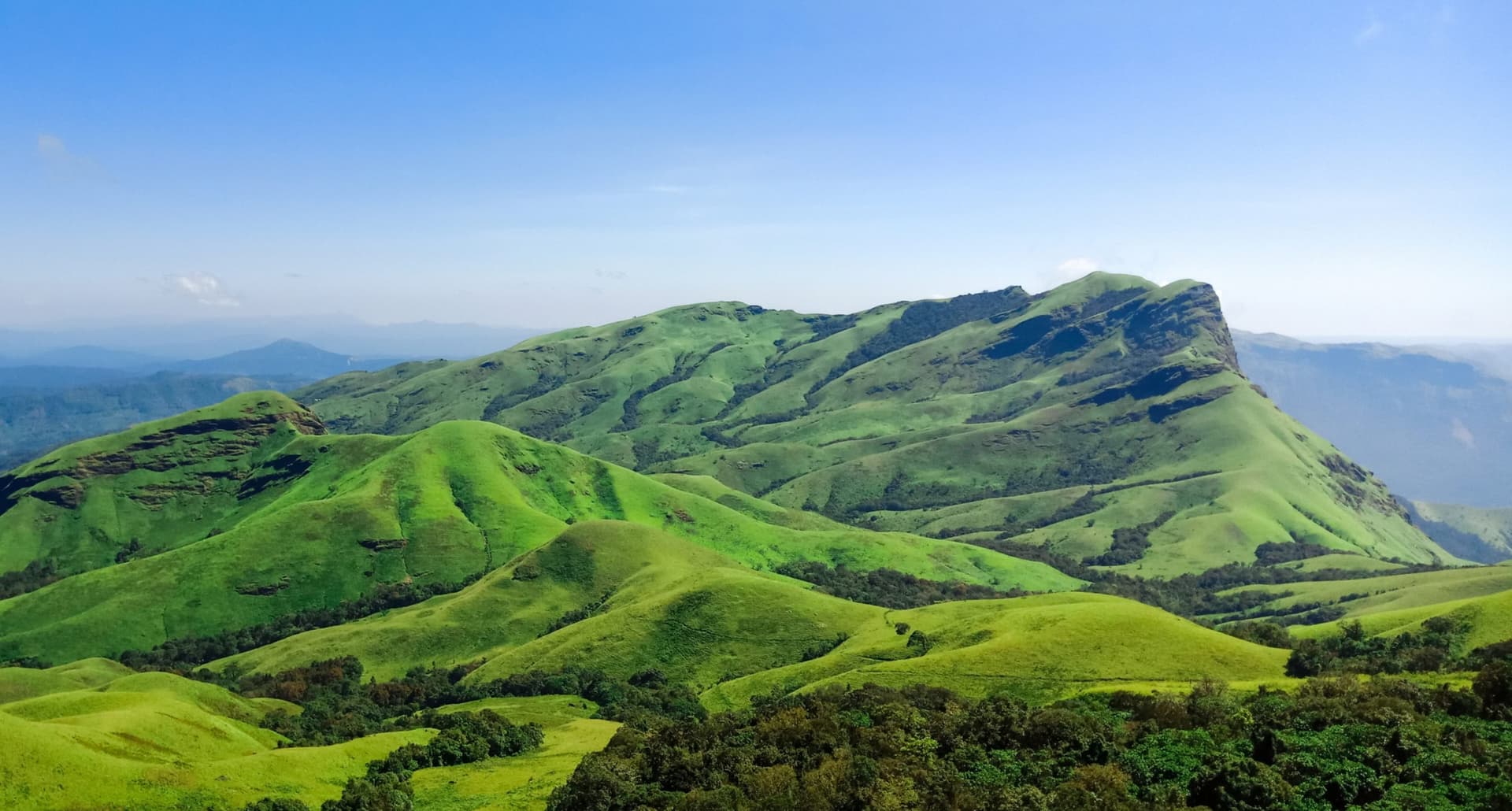
Kudremukh is best known for its breathtaking landscapes, thick forests, and rich biodiversity with a name which means 'horse face’ in Kannada. This area got this unusual title from its unique geographical formations. The thickly wooded hills, the long stretched water reservoirs and a pleasant sound of moving clouds drags everyone to this beautiful hill station. Previously, Kudremukh was a major iron ore mining area and the mining activities were phased out only recently and the efforts to conserve it as a wildlife sanctuary were taken up. The cultural legacy of Kudremukh has forged the local communities, including indigenous tribes such as the Soligas thereby adding unique traditions and a distinctive way of life to the regions' vibrant culture. Kudremukh experiences a salubrious, cool climate conditioned by constant drizzles and the temperature fluctuates between 10°C to 25°C around the year making it an ultimate destination for wildlife admirers as well as adventurers. The best time to visit this place is during October-March which ensures a favourable climatic condition for the tourists who are interested in outdoor activities. The Kudremukh Mountain Peak, which on clear days is said to afford views of the Western Ghats and even the Arabian Sea; there's also a national park named after it, where you'll be able to spot various animal species. You can trek across forests vibrant with wildlife, go bird watching for endemic species such as Malabar whistling thrush and great hornbill or you may choose to explore the Bhagavathi Nature Camp. It has a wonderful biodiversity and the park itself is home to tigers, leopards and deer in abundance as well as other varieties of birds including butterflies. Kudremukh has protected areas across its natural habitats and ecosystems. Accommodation options vary from forest lodges and guesthouses to homestays that provide a taste of life in these parts.

Leave the planning to a local expert
COORG
Coorg Hill Station - Courtesy of Photographer
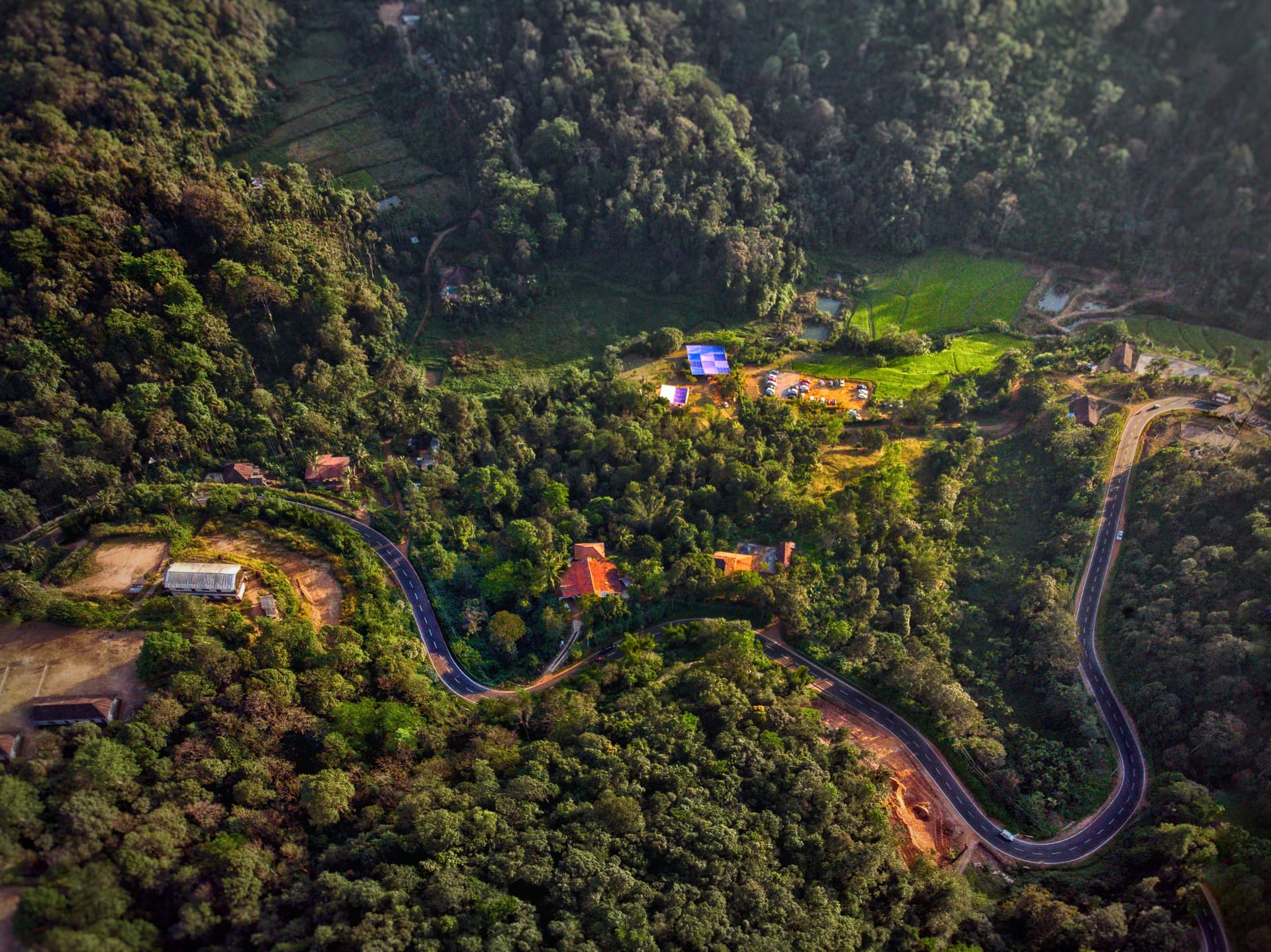
A welcoming hill station located in the scenic Western Ghats of Karnataka goes by the name ‘Kodagu’, officially. It is famous for its beauty, coffee and also heritage in many ways. The first impression of Coorg is of the lush greenery, mist-covered hills, and a tranquil atmosphere that invites visitors to unwind and explore its natural splendour. Coorg sits at 1525 metres above the level of the sea, thus enjoying a cooler climate all year long. As such, this place serves as an ideal destination for summer vacations as well as winter retreats. Historically, Coorg was an independent princely state until it became a part of Karnataka in 1956. The region is known for its brave Kodava warriors and their distinctive culture, characterised by unique traditions. Popular festivals include the famous Kodava festival of 'Kaveri Sankramana,' and a traditional martial art form called 'Kalaripayattu.' Throughout the year, the weather in Coorg is calm with occasional rain, as well as being favourable for trekking, bird watching, and coffee plantation tours. Elephant, Tiger and many bird species make up the variety of wildlife that thrives in Pushpagiri Wildlife Sanctuary (established 1970) which spans 102.6 sq.km and Nagarhole National Park (established 1955) whose total area is 643 sq.km. From luxury themed resorts, with their coffee estates nearby, to guest houses that cost less, there are different places where a person can opt for accomodations in Coorg. Coorg is known for its rich aroma and flavour, one of these is its famous coffee while some popular dishes include Kadambattu (rice dumplings) and Pandi Curry (pork curry). Travelling to Coorg might also require exploring its popular tourist attractions which are Abbey Falls, Raja's Seat (a great scenic viewpoint), and the Namdroling Monastery (Golden Temple) in Bylakuppe. Festivals like 'Puthari,' a harvest festival, and 'Keil Poldhu,' a cultural celebration offer a glimpse into the vibrant cultural heritage of the place. Things to shop here are locally grown coffee, spices, honey, as well as traditional handicrafts like Coorgi jewellery and crafts made from bamboo and cane. In Coorg, environmental conservation efforts have been geared towards sustainable tourism practices aimed at saving its natural beauty and biodiversity in order to make visitors have lasting memories when they tour this beautiful hill station.
SAKLESHPUR
Sakleshpur - Courtesy of Photographer
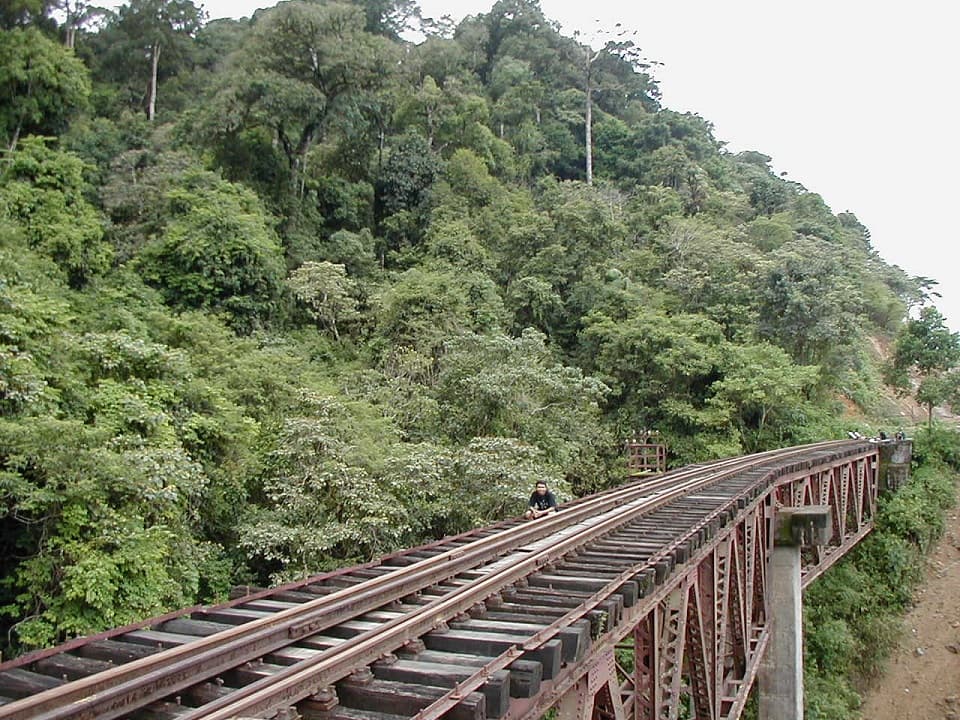
Sakleshpur, a charming hill station in the Hassan district of Karnataka is a hidden treasure in the Western Ghats which is famous for its vibrant greenery, expansive coffee plantations, and biodiversity. The first time you see Sakleshpur, it is like a peaceful paradise where huge hills can be seen all over with mist on top of them and fresh coffee aroma everywhere. Placed at a height of approximately 949 metres, the cool and moderate climate in Sakleshpur makes it a perfect destination for nature buffs and individuals in search of solitude. Coffee plantations in the Sakleshpur area have made the town famous for being one of India’s largest coffee producing regions within Karnataka. There are different cultures and traditions in Sakleshpur that stem from the people who live there. Sakleshpur experiences mild temperatures all year round, fluctuating between 15°C and 25°C. The climatic conditions are especially comfortable for outdoor engagements from October to March. In Sakleshpur, you can find Manjarabad Fort which was constructed in the 18th century by Tipu Sultan, providing an expansive view of the Western Ghats.The Bisle Ghat View Point offers amazing scenes with thick forests and valleys visible. The neighbouring Jenukal Gudda is a favourite trekking spot and has beautiful morning and evening sights. Sakleshpur is home to numerous beautiful waterfalls, including the Magajahalli Falls and Abbi Falls, where people can find peaceful areas for resting or taking pictures. To conserve the area's rich biodiversity areas like Bisle Reserve Forest and Pushpagiri Wildlife Sanctuary are needed which help achieve such protection measures. There are many kinds of places for you to stay at Sakleshpur starting from nice homestays where families stay together, adapting environmentally friendly places which are less expensive than luxurious hotels. The local cuisine is something to write about with its erstwhile Malnad recipes like Akki Rotti or Neer Dosa served with some spicy gravy prepared out of ingredients available around the area. If you are visiting Sakleshpur, make sure to taste the coffee which is well known for being tasty and aromatic.
KALASA
Kalasa - Courtesy of Photographer
Kalasa is a charming hill station that is famous for its temples and abundant greens. This place is also known for its quiet rivers and varying shades of green which flood the landscape making it ideal for meditation due to the amount of calmness it offers. The town is surrounded by coffee plantations and hills. Placed at an altitude of around 900 metres above sea level, Kalasa has a pleasing weather whose temperatures range between 15-25 degrees Celsius all the year round. This place is best visited during October-March period as it has ideal climatic conditions essential for sightseeing and engaging in outdoor activities. The Kalaseshwara Temple, which is a temple dedicated to Lord Shiva, has been known for its historical importance for many years. Pilgrims center around this sacred point during Maha Shivaratri and Navaratri festival days. Dishes like Akki Rotti, Bisi Bele Bath, and traditional sweets like Holige are popular since they reflect Karnataka’s taste bud. In Kalasa and nearby areas, tourists can indulge in fishing as well as picnic lunches at the peaceful Bhadra river, a biodiversity hotspot housing several animal and plant species. It’s also next to Kudremukh National Park which is famous for being home to many living things like leopards, tigers, several butterfly species as well as different types of birds. Visitors to Kalasa have a variety of activities to choose from, including hiking in the Western Ghats, exploring coffee plantations and taking part in temple ceremonies. Through efforts emphasised on green tourism, sustainability initiatives are in place to safeguard the biodiversity so that its natural attractiveness and flora and fauna endure over time. Accommodation in Kalasa ranges from inexpensive guest houses to luxury resorts, situated near coffee plantations, with fantastic views of the surroundings.