Culture
Top 10 must-visit temples in Hampi
3 min
18th July 2024
 by Shethana P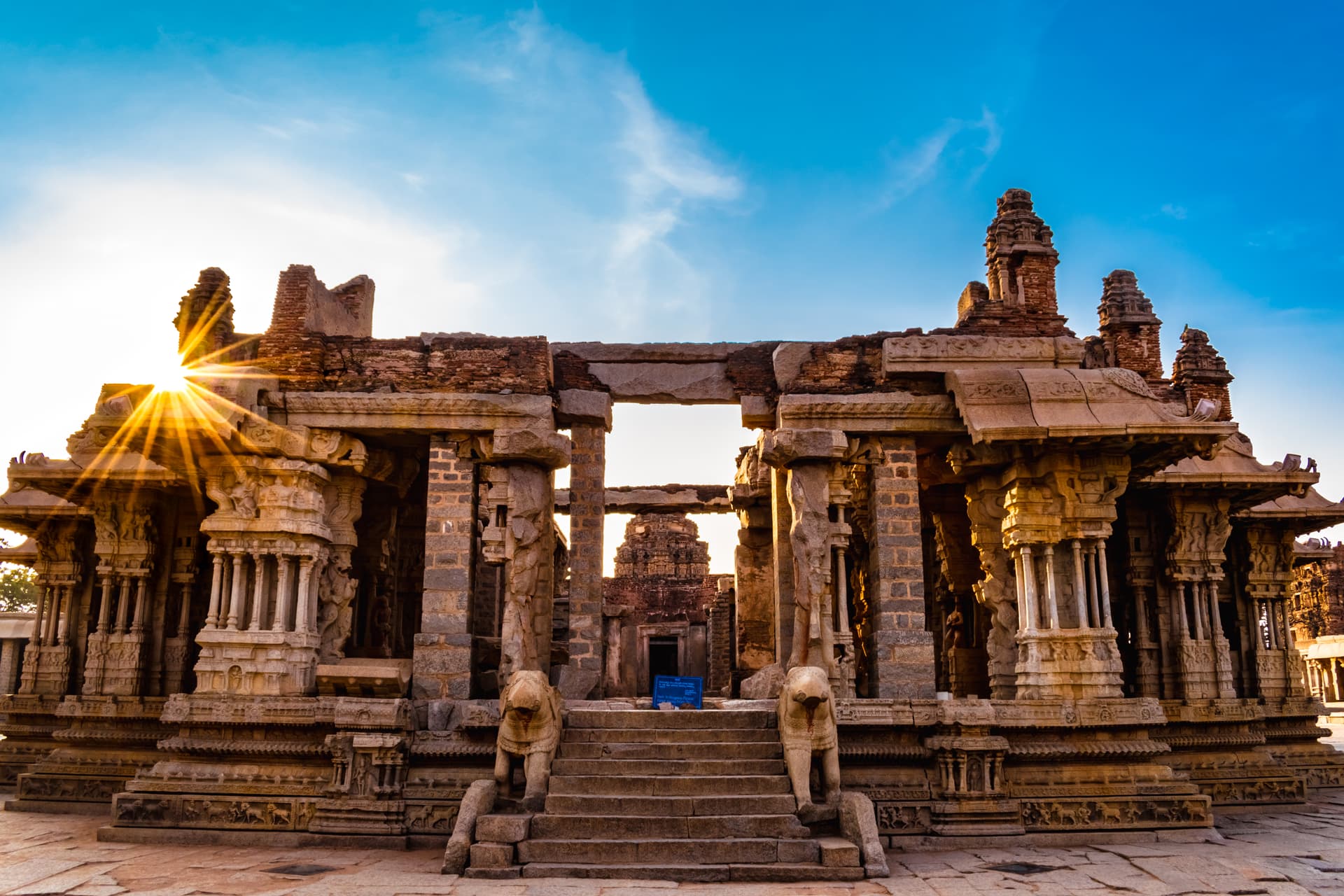
Why should people visit temples in Hampi?
Not just because they are famous! These structures hold cultural significance and divine power, the vintage architecture without modernized machinery makes us wonder how our ancestors built these massive structures by relying on manpower. Devotional or atheist everybody visits these places to gain new experiences and think beyond. Imagine “We are a group of life forms living on a rock that revolves around another rock in space - Yet you don’t believe in miracles!” Travel along with Backpackers United to witness and feel these magical moments. Your Spiritual journey begins here!
Achyutraya Temple
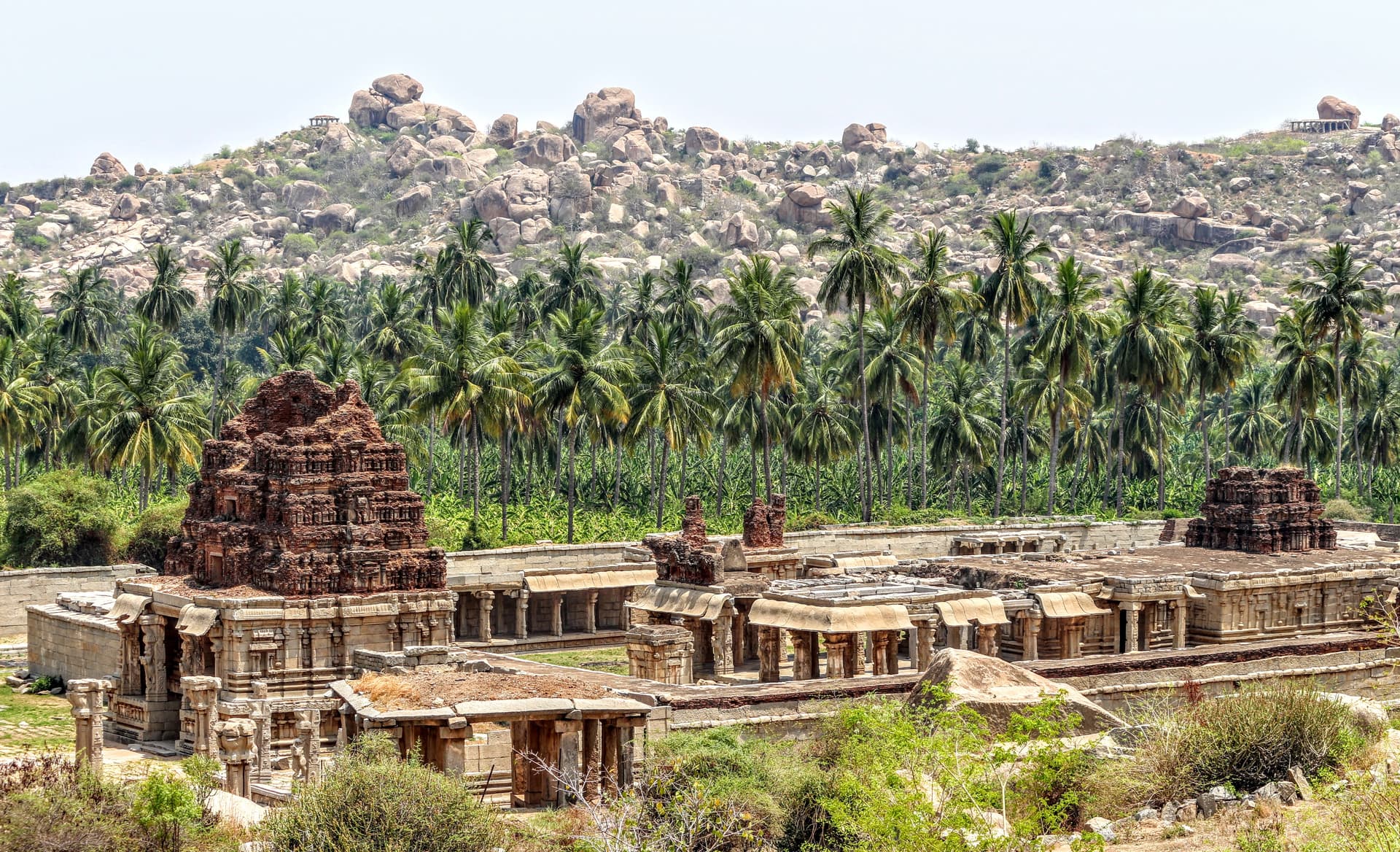
View of Achyutraya Temple - Courtesy of Photographer
This was the last yet grand temple built by the Vijayanagar dynasty before their downfall, it is located between Gandhamadana and Matanga Hills. This was built by Achyuta Deva Raya and named Tiruvengalanatha, the name given to Venkateshwara. The entrance welcomes you with the grand courtyard with beautiful walls carved with tuned designs. The temple is constructed with four main halls which include - antarala, garbhagriha, mahamantapa, and rangamantapa. These halls are dedicated to conducting marriage ceremonies and performing other rituals in earlier days. This temple complex leads you to the Courtesan’s street which had stalls and shops but now it is filled with ruins of the temple and mud. Even if the temples were built several ages ago the distinct artwork and architectural skills can be seen and appreciated.
Badavilinga
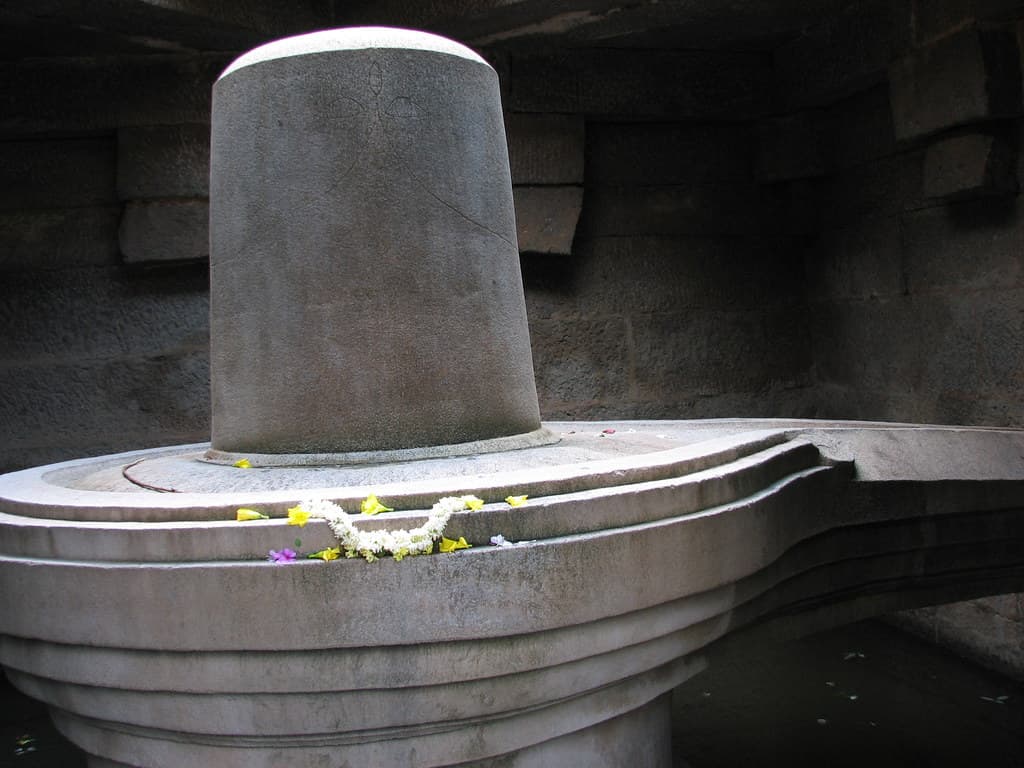
View of Badavilinga - Courtesy of Photographer
This is specially dedicated to Lord Shiva, here “Badavi” means poor woman, and “Linga” is the symbolic representation of Lord Shiva. This is a stand-alone structure with a height of 3 meters and carved with a single black stone. The specialty of this stone is its texture and appearance which has not changed since carved. This place also comes under the Vijayanagar Empire, and the highlight of this temple is, that it was constructed by a poor woman in the early centuries without the involvement of men or workers. This linga is placed at the center surrounded by water with an open ceiling allowing the natural light to reflect on the linga. There are other notable structures like the Lakshmi Narashima statute, and the ‘Vahanas” vehicles of Gods - like the horse chariots, tigers, lions, Nandhi, and many more.
Virupaksha Temple
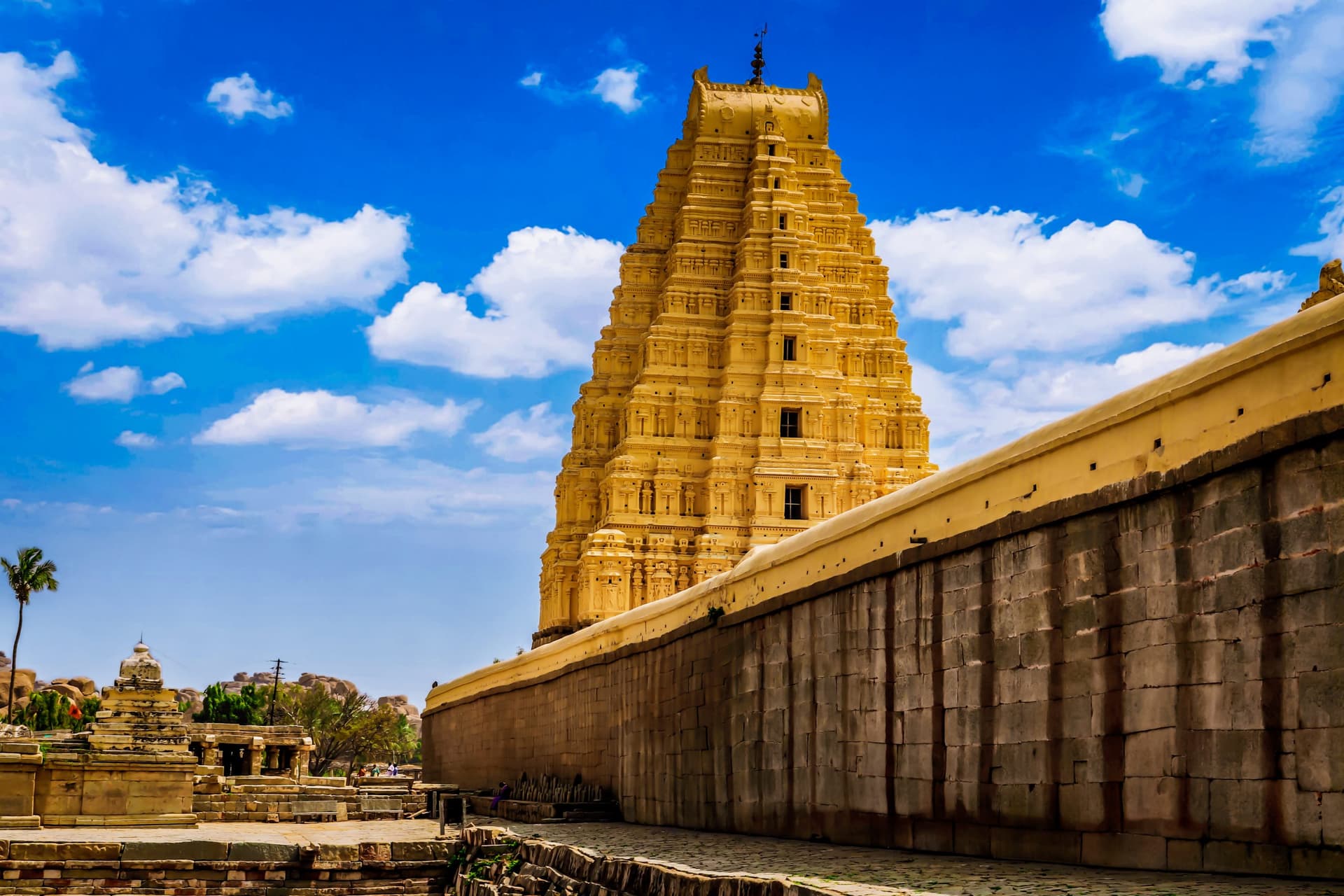
View of Virupaksha Temple - Courtesy of Photographer
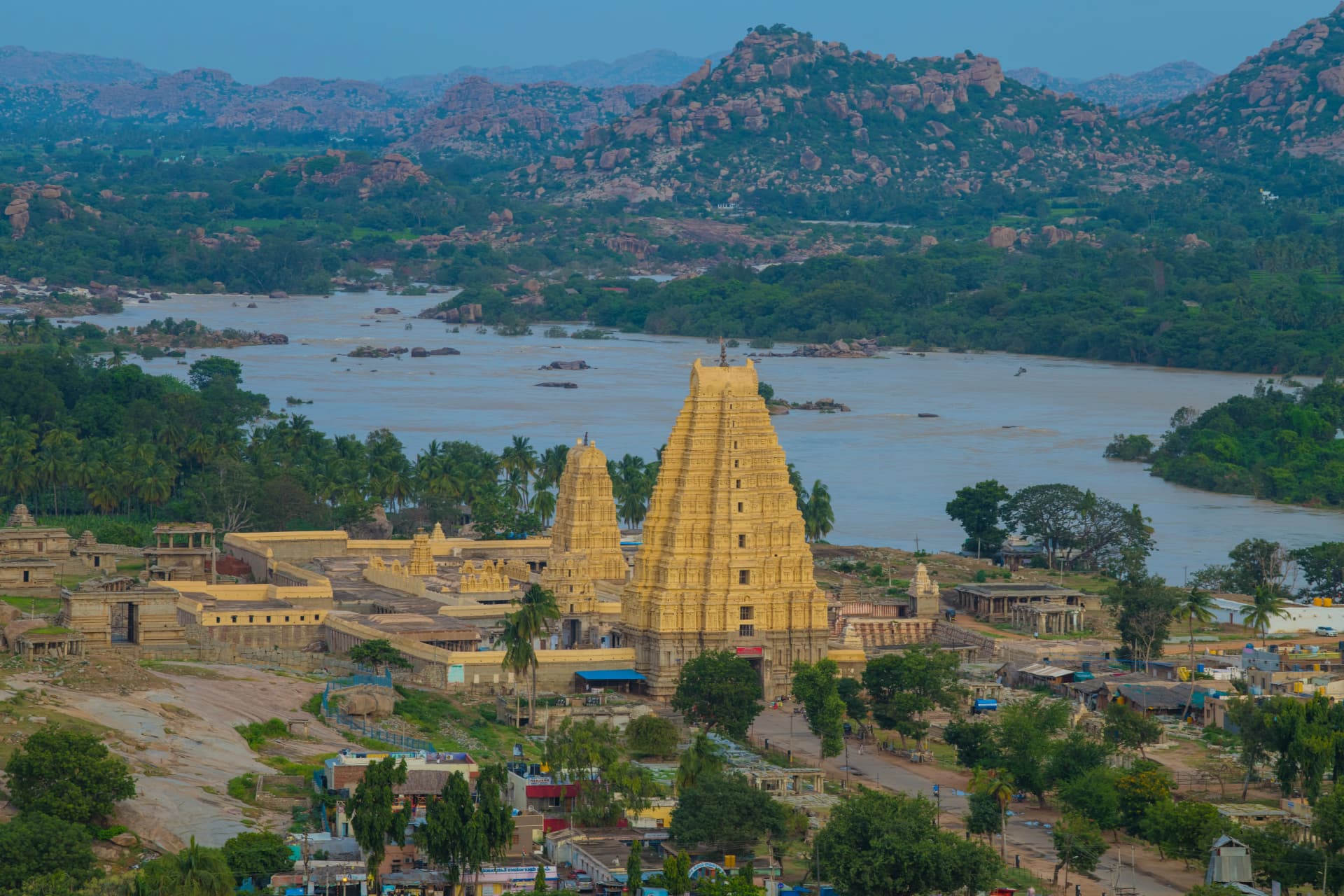
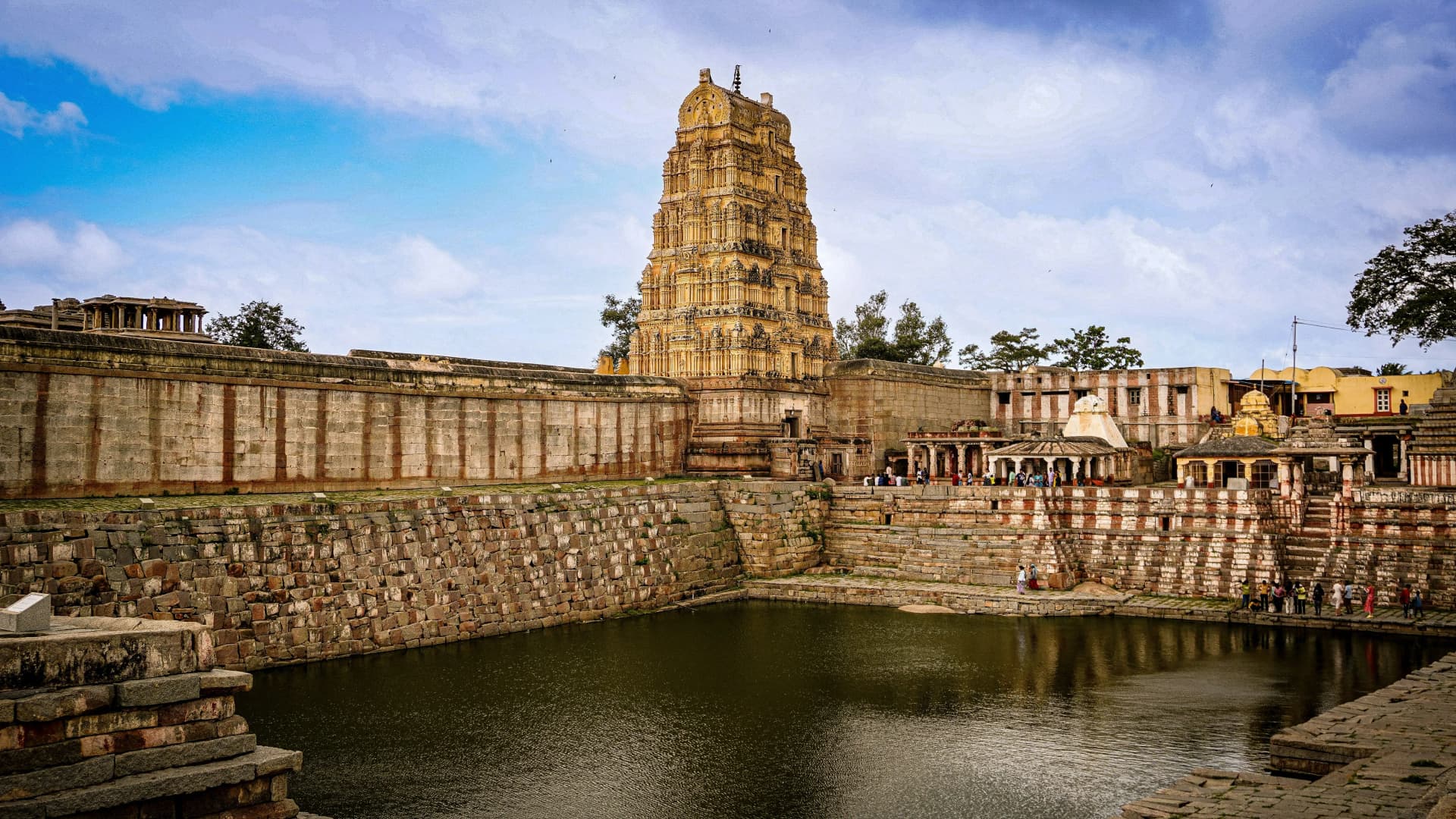
Virupaksha temple is an ancient 7th-century temple which is dedicated to a form of Lord Shiva called the “Virupaksha”. The name is Virupaksha means ‘eye without form’ which is referred to as Shiva, he is considered to be different from all life forms on Earth as he has three eyes - Trinetra and a blue body - Neelaganda. Apart from this the temple also has a complex for two other deities - Bhuvaneshwari and Vidyaranya. This temple is surrounded by three ‘gopuras’ towers while the tower facing east is the main entrance which narrates 9 stories in the art form which is built 50 meters tall. Salute to the craftsmanship of those complicated designs carved on the walls and even floors. The highlight of this place is the inverted shadow of the main tower reflecting inside the temple which ideally needs to fall out.
Vithala Temple
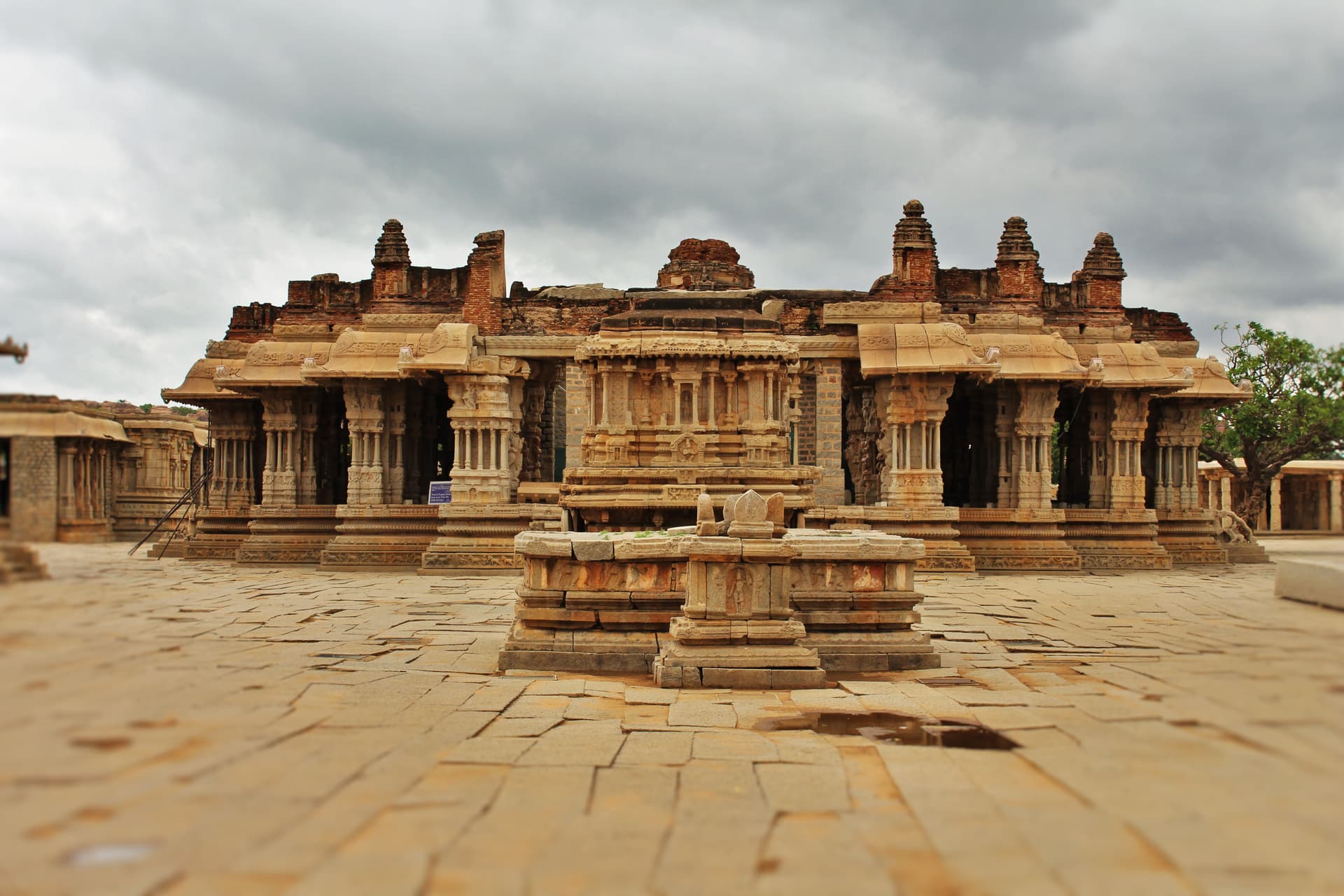
View of Vithala Temple - Courtesy of Photographer
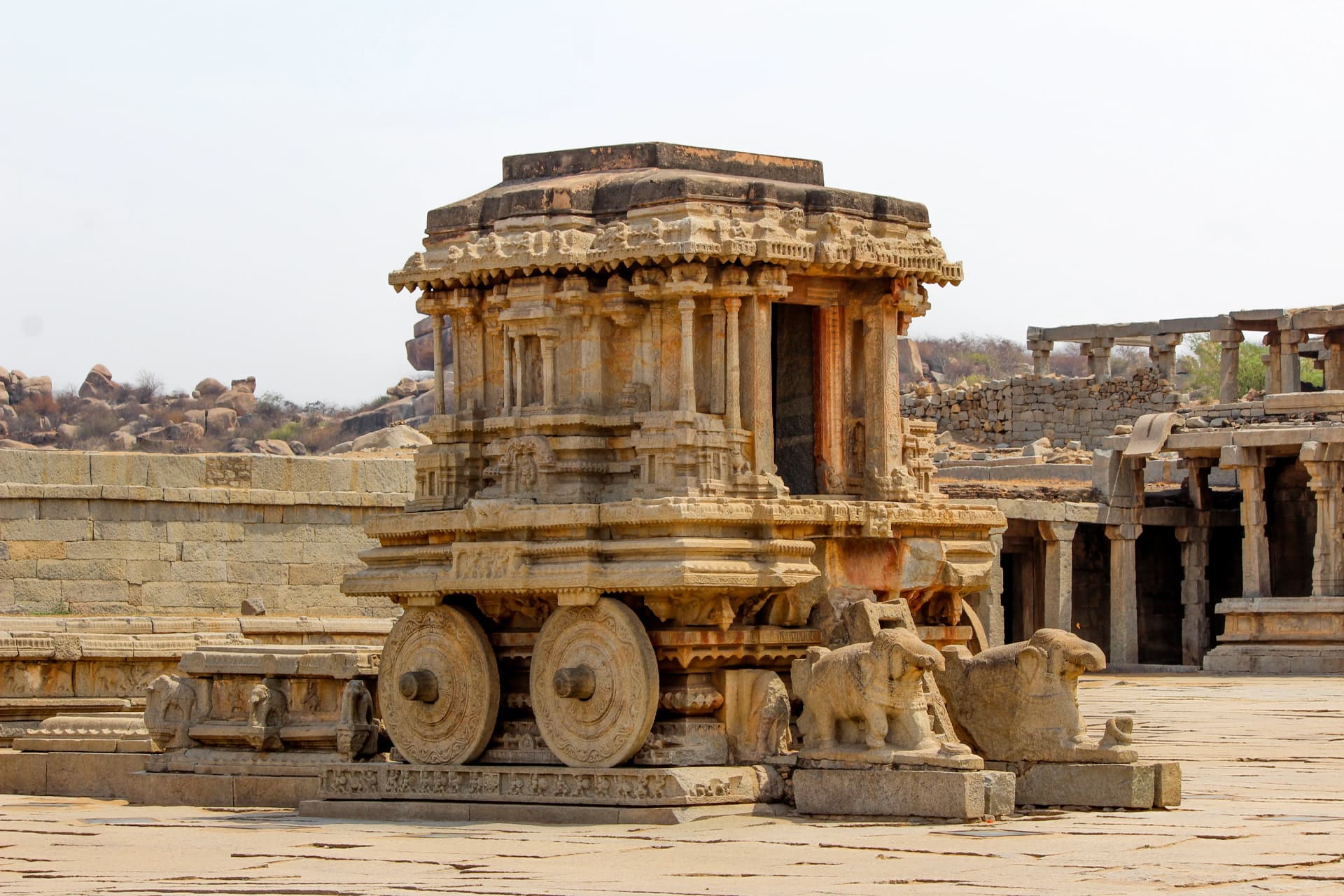
This temple is known for the number of compound walls, gateways, halls, pavilions, and temples located within the structures. Vittala the name given to Lord Vishnu was built in the 15th century and ruled by a massive generation of kings. Entering through the eastern entrance tower, visitors are greeted by a series of platforms leading to the Stone Chariot, which is constructed from multiple granite blocks cleverly disguised by intricate carvings. The chariot, built on a carved platform with mythical battle scenes, features detailed wheels that once appeared to be movable. The remains of vibrant paintings can still be seen on the chariot, indicating that the entire temple was once adorned similarly.
Kadalekalu Ganesha Temple
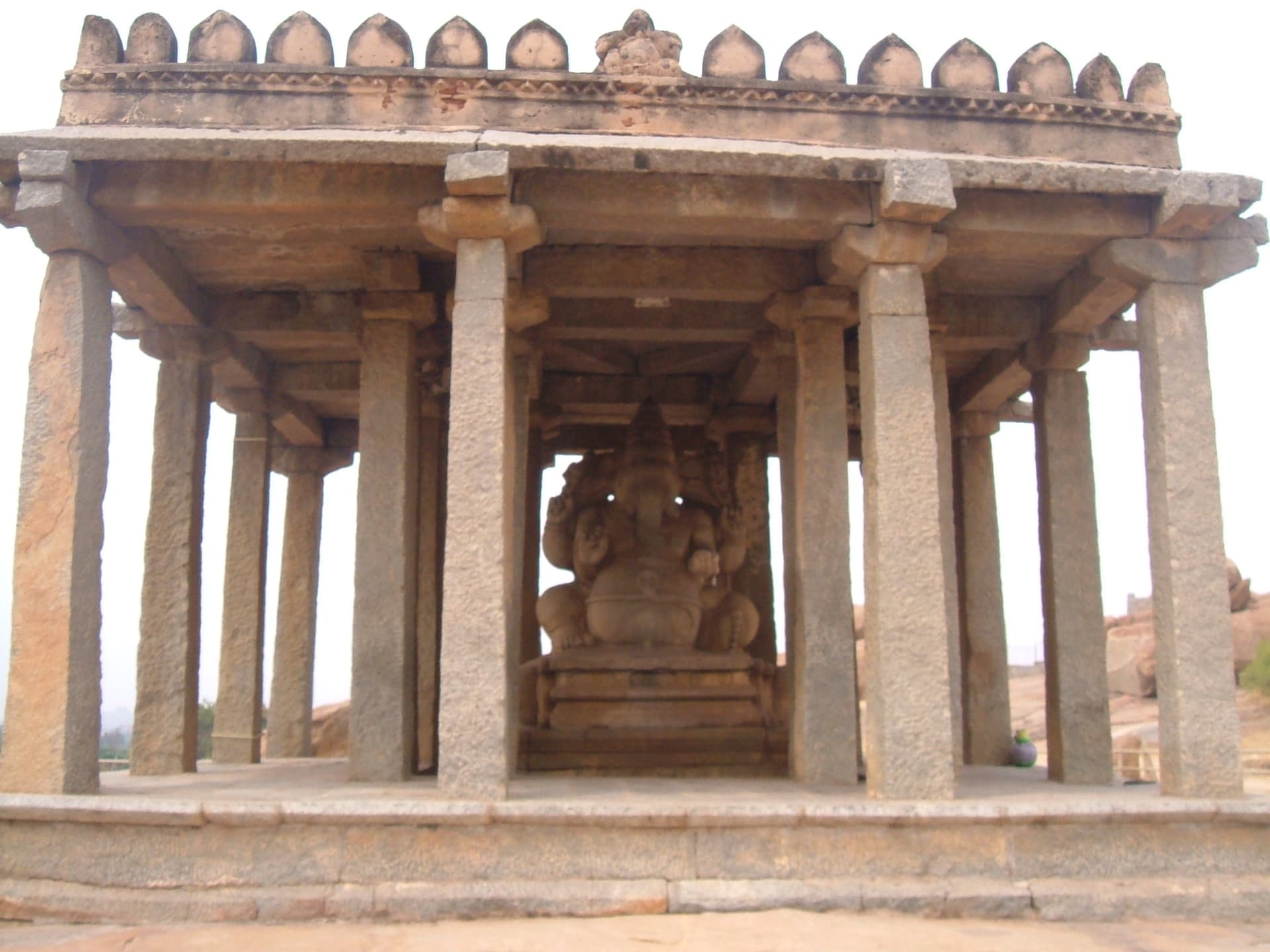
View of Kadalekalu Ganesha Temple - Courtesy of Photographer
Kadalekalu temples owe the name of having the Largest statue of Lord Ganesha that exists in South India. The shrine shadowing the Ganesha Statue is situated on the slopes of Hemakuta Hill in Hampi. Like the Virupaksha temple holding the monolithic idol of Linga, Kadalekalu temple holds only the idol of Ganesh. The statue has a height of 4.6 meters height which is carved in a single huge boulder, usually referred to as huge rocks on the mountains. The highlight of this temple is, Ganesha’s belly is carved big which is a symbolic representation of ‘Kadalekalu’ known as Bengal gram. The temple of Kadalekalu Ganesha is a beautiful stone structure. The temple hall is decorated with tall and slender granite pillars standing in the hall. The pillars are decorated with various mythological characters and themes carved out on them.
Hanuman Temple
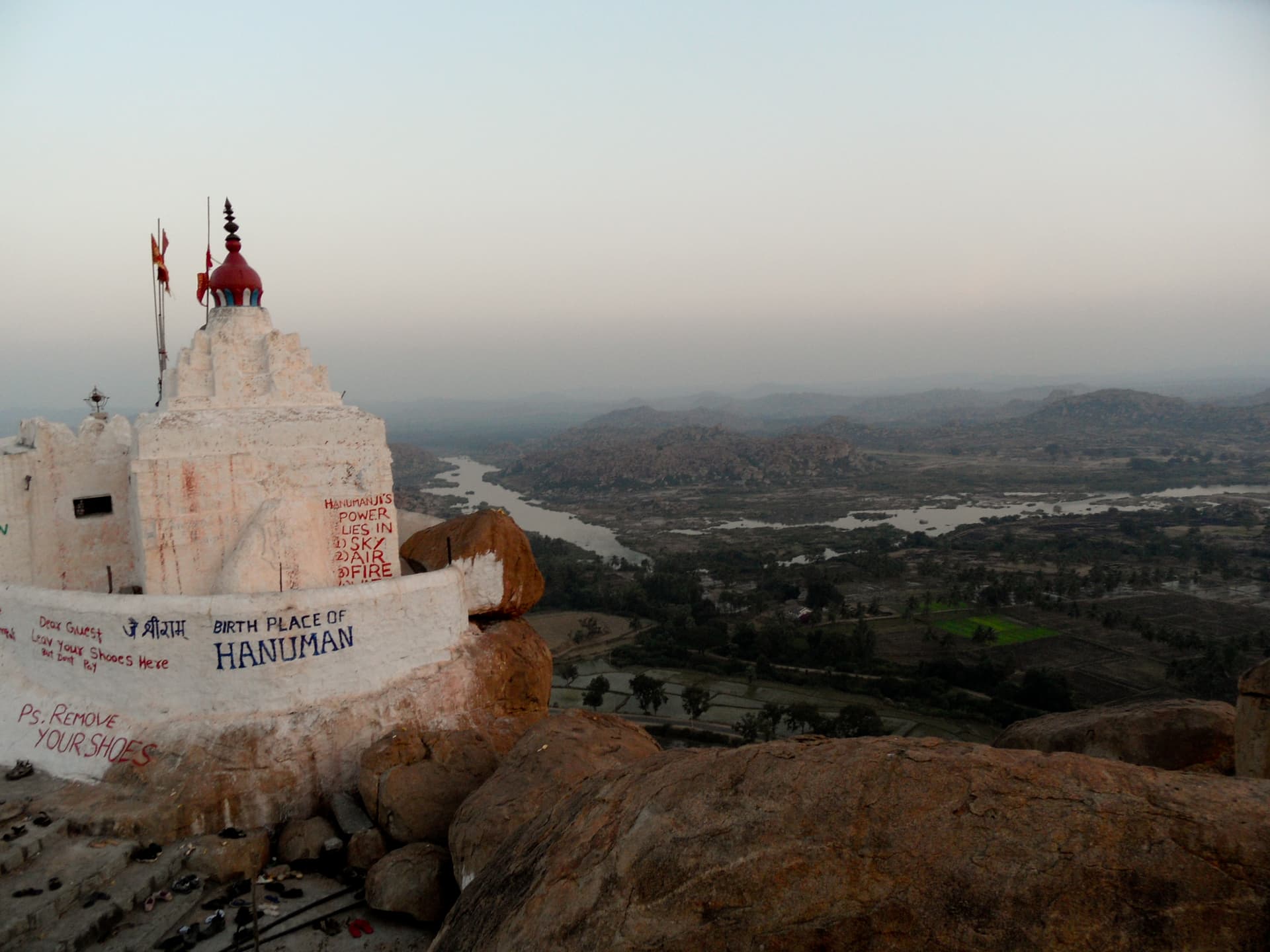
View of Hanuman Temple - Courtesy of Photographer
Hampi holds temple roofs for all Gods! With that context here is the nest temple constructed exclusively for Lord Hanuman. Located just 2KM away from the Virupakahsa temple, the ancient and real name of this temple is “Yantrodharaka Hanuman” temple built by the Dwaita Philosopher and Rajguru, the members of the Vijayanagar empire. The main hero to constructed and designed the temple is Sri Vyasarja 500 years ago which is the latest temple even compared to all the other ruins in Hampi. It is believed that Sri Vyasaraja as a devotee of Hanuman used to draw pictures of him on the rock before he prayed the sketch disappeared after his prayers, so he decided to sculpt an idol and worship. All the visitors read and chanta the Yantrodharaka HanumanStotarm written on the walls to fulfill their wishes.

Leave the planning to a local expert
Lakshmi Narasimha Temple
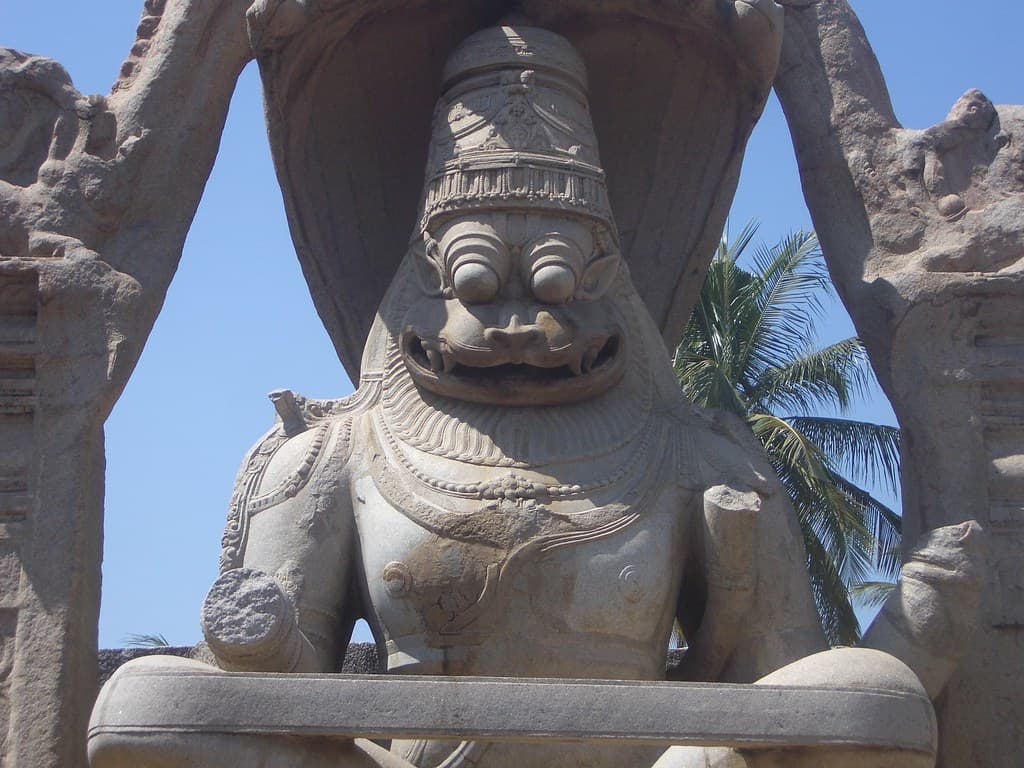
View of Lakshmi Narasimha Temple - Courtesy of Photographer
Lakshmi the goddess of wealth and Narasimha Lord Vishnu’s lion-faced avatar, this temple is dedicated to the husband and wife. The idol of the Lord at the entrance is carved like a seated posture on a coiled seven-headed snake with aggression in his face. Inside the temple, there is a statue of Goddess Lakshmi sitting on his lap. But now the statue is not fully present, the entire part of Lakshmi is broken while the hand, some part of the body attached to Narasimha is visible. Visitors if allowed can see the partial sculpture with detailed architecture, where goddess fingers with rings and beads, and all other tiny aspects are carved perfectly. You can reach this spot on the main road. The shrine is at mid-way of the main road connecting the Sacred Center to the Royal Center. About 200 meters south of the Krishna Temple (take the road that runs through the arch) you can spot a small canal crossing the road.
Hazara Rama
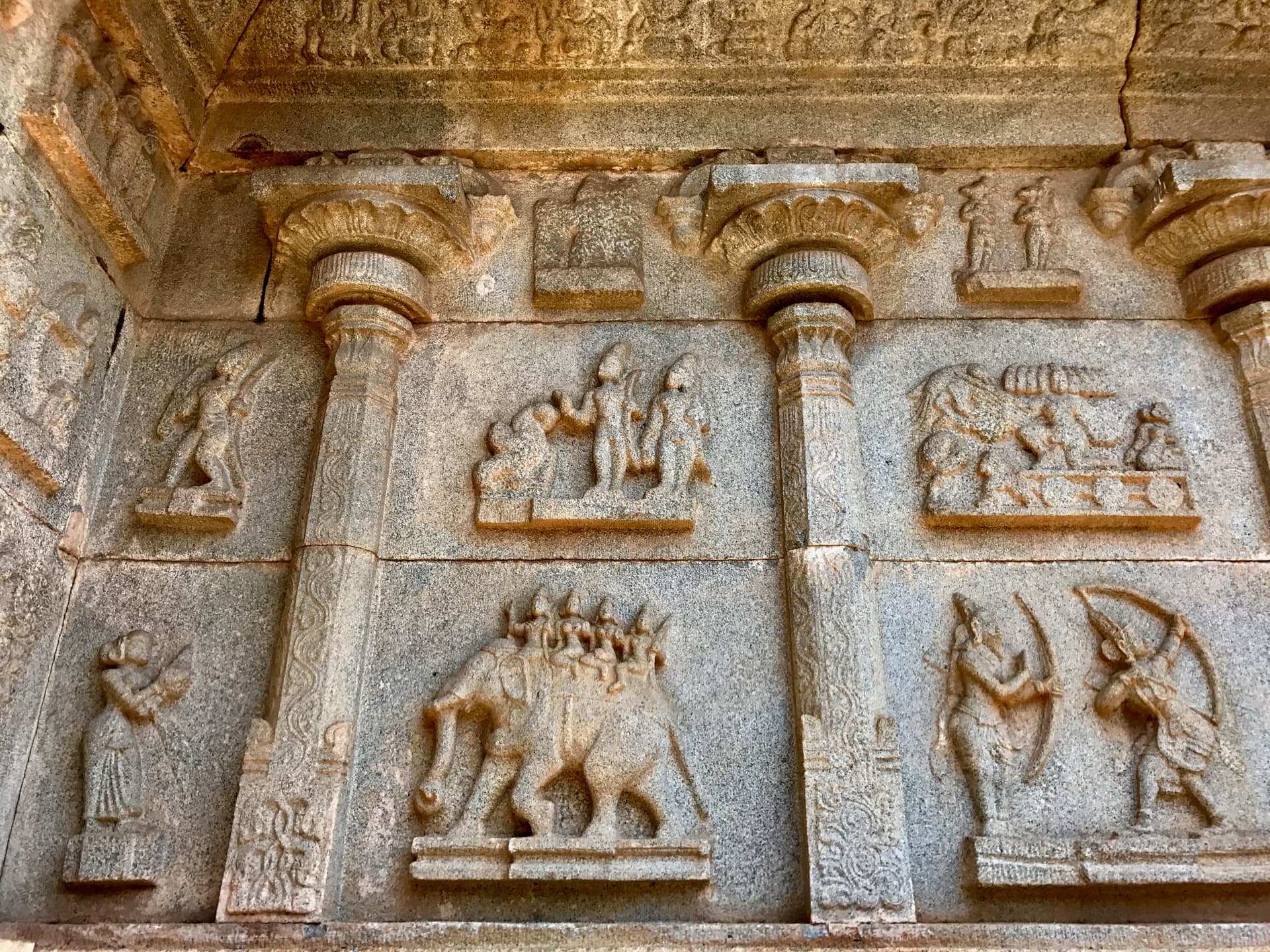
View of Hazara Rama - Courtesy of Photographer
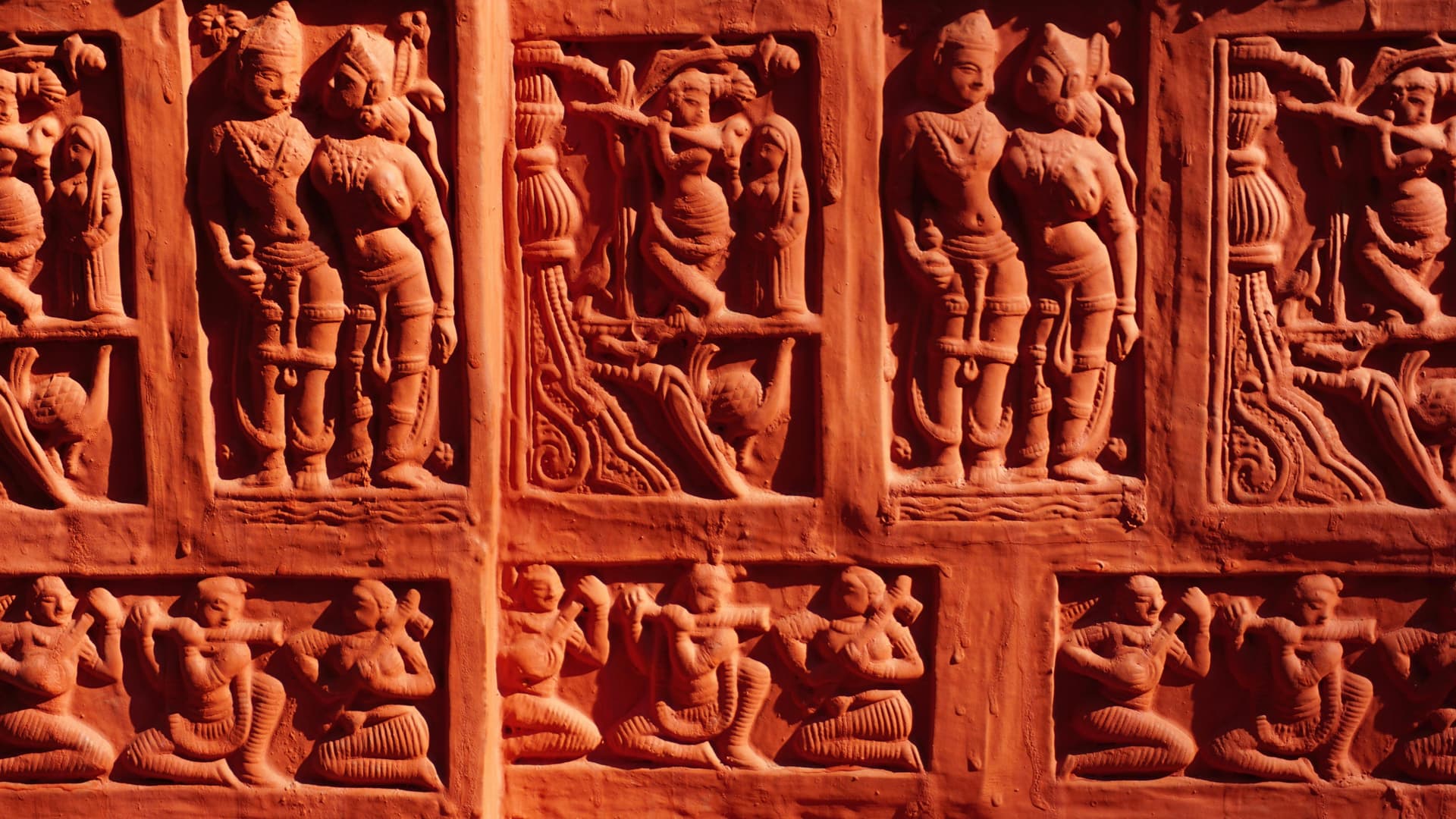
Among all the above temples this one was considered to be the private temple for the kings and the royal family. This temple is dedicated to Lord Rama a Hindu deity. The temples are famous for depicting the entire Ramayana story in their art form. Hazara Rama temple was built in the 15th century by the king of Vijayanagar, Devaraya II. Since this is a private temple for the royal family it was built simple yet meaningful. There is an ardha mantapa, half constructed hall which is later renovated and completed for conducting family rituals.
Hemakuta Hill Temple
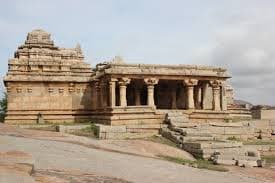
View of Hemakuta Hill Temple - Courtesy of Photographer
Hemakuta Hill Temple complex in Hampi, Karnataka, is a significant and picturesque site that offers a blend of religious, historical, and architectural marvels. Located to the south of the renowned Virupaksha Temple, Hemakuta Hill is dotted with a large number of temples, archways, and pavilions dating back to the pre-Vijayanagara and Vijayanagara periods. The temples on Hemakuta Hill are primarily dedicated to Lord Shiva and are noted for their simple yet elegant architecture, featuring pyramid-like granite roofs and minimalistic carvings. The hill itself provides a panoramic view of Hampi's landscape, with the Virupaksha Temple and the Tungabhadra River in the backdrop. The serene environment and the relatively less crowded temples make it a favored spot for visitors seeking a tranquil experience. The Hemakuta Hill temples, with their unique architectural style and historical significance, add to the rich tapestry of Hampi's cultural heritage, making it a must-visit location for history enthusiasts and devotees alike.
Pattabhirama Temple
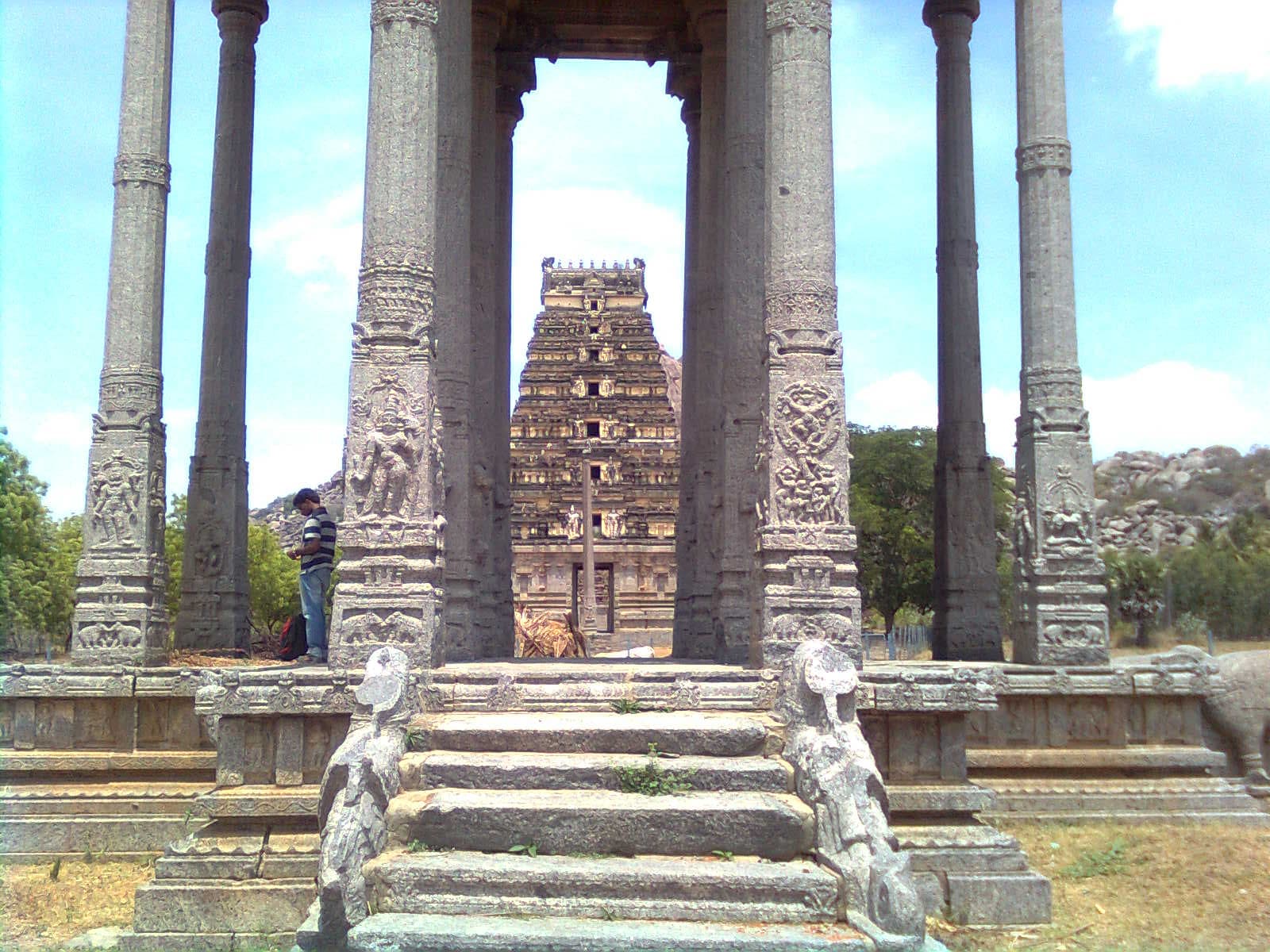
View of Pattabhirama Temple - Courtesy of Photographer
The temple is dedicated to Lord Rama, specifically his coronation as king, known as Pattabhisheka. The main sanctum of the Pattabhirama Temple houses the idol of Lord Rama and is surrounded by a spacious courtyard enclosed by pillared corridors. The temple's inner sanctum, or garbhagriha, features intricately carved pillars and a beautifully sculpted tower, or vimana, which stands atop the sanctum. The temple also includes a large, open pillared hall, known as the maha-mandapa, which is adorned with detailed carvings depicting various scenes from the Ramayana and other Hindu epics. Despite its relative obscurity, this temple remains an important site for historians and visitors interested in the rich cultural heritage of Hampi.
Stepping into Divine power!
The above-mentioned temples convey more than being spiritual, visiting these places will make you believe in miracles and build creativity by witnessing the impossible architectural work centuries back without any modern machinery and tools. The presence of mind that our ancestors had is the reflection of us inviting and discovering new technology to match the olden-day works. At Backpacker United we spread love and positivity through travel which not only is adventurous and thrilling but also belief and confidence to face obstacles in our journey.
"Through hard work, perseverance, and faith in God, you can live your dreams." — Ben Carson