Culture
Spirituality in Kashmir - A sacred journey
5 minutes
25th June 2024
 by Renuka Chandrashekar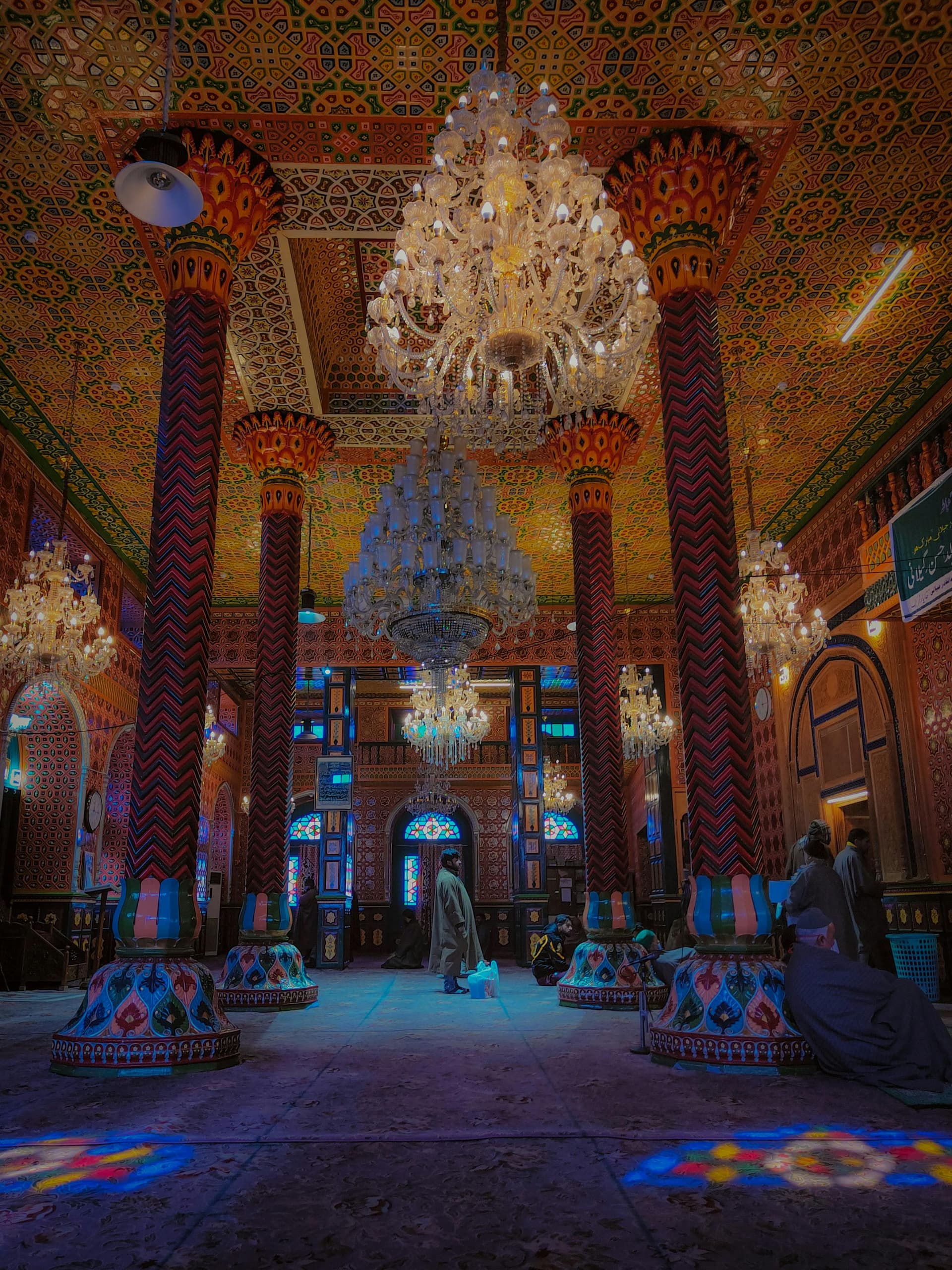
Exploring the spiritual tapestry of Kashmir
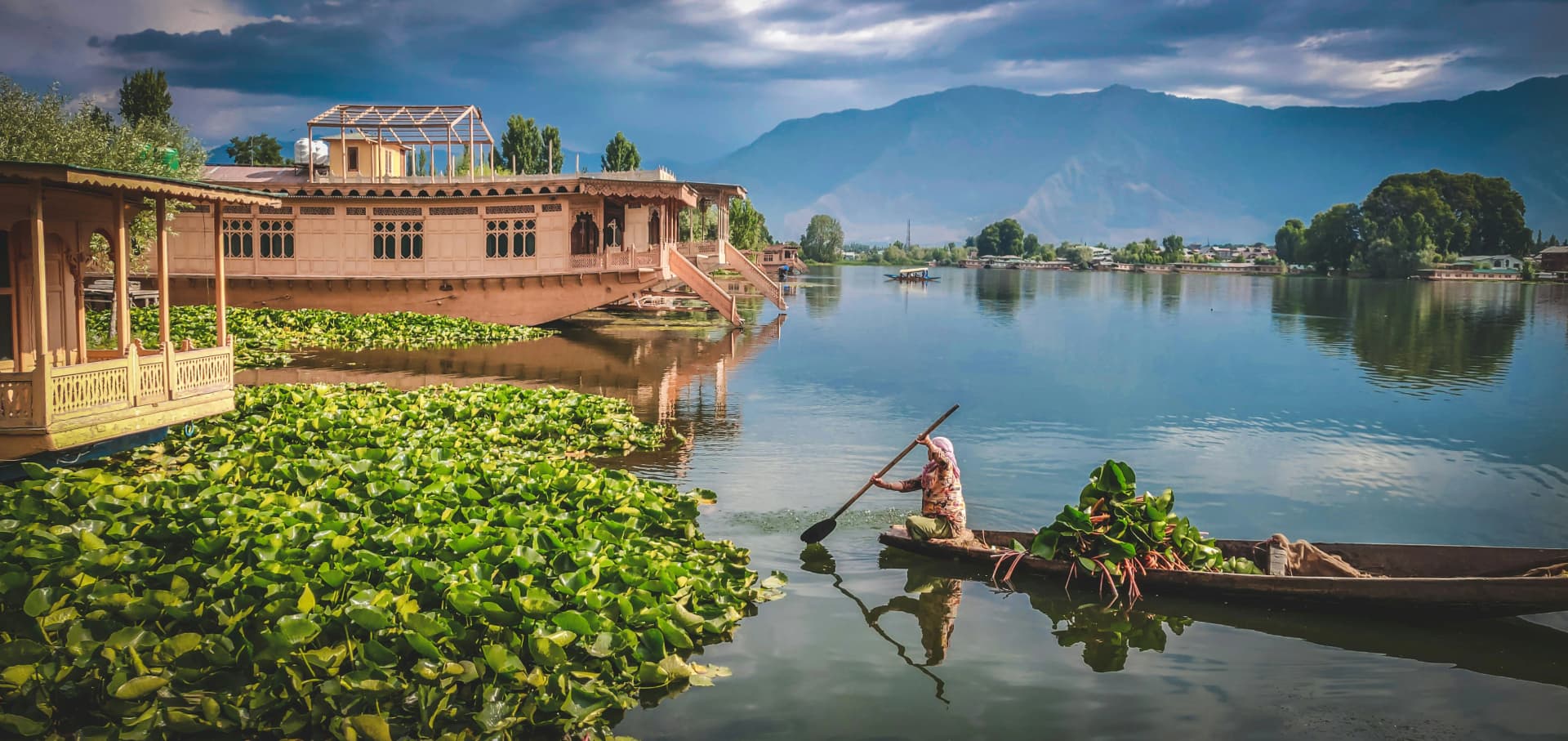
Nestled in the lap of the Himalayas, Kashmir overflows with abundant natural beauty. Often referred to as “Paradise on Earth”, this Himalayan gem is renowned for its majestic snow-capped mountains, vibrant valleys, enchanting meadows, and tranquil lakes. Beyond its natural allure, there lies a spiritual side to Kashmir that reflects its rich cultural heritage. The spiritual and religious landmarks of Kashmir include a diverse range of faiths and beckon travelers and pilgrims from all over the globe. Each site has its own unique history, cultural significance, and architectural grandeur, and is a testament to Kashmir’s long-standing traditions and spiritual legacy. Join us as we go on a journey through the sacred heart of Kashmir.
Amarnath Temple
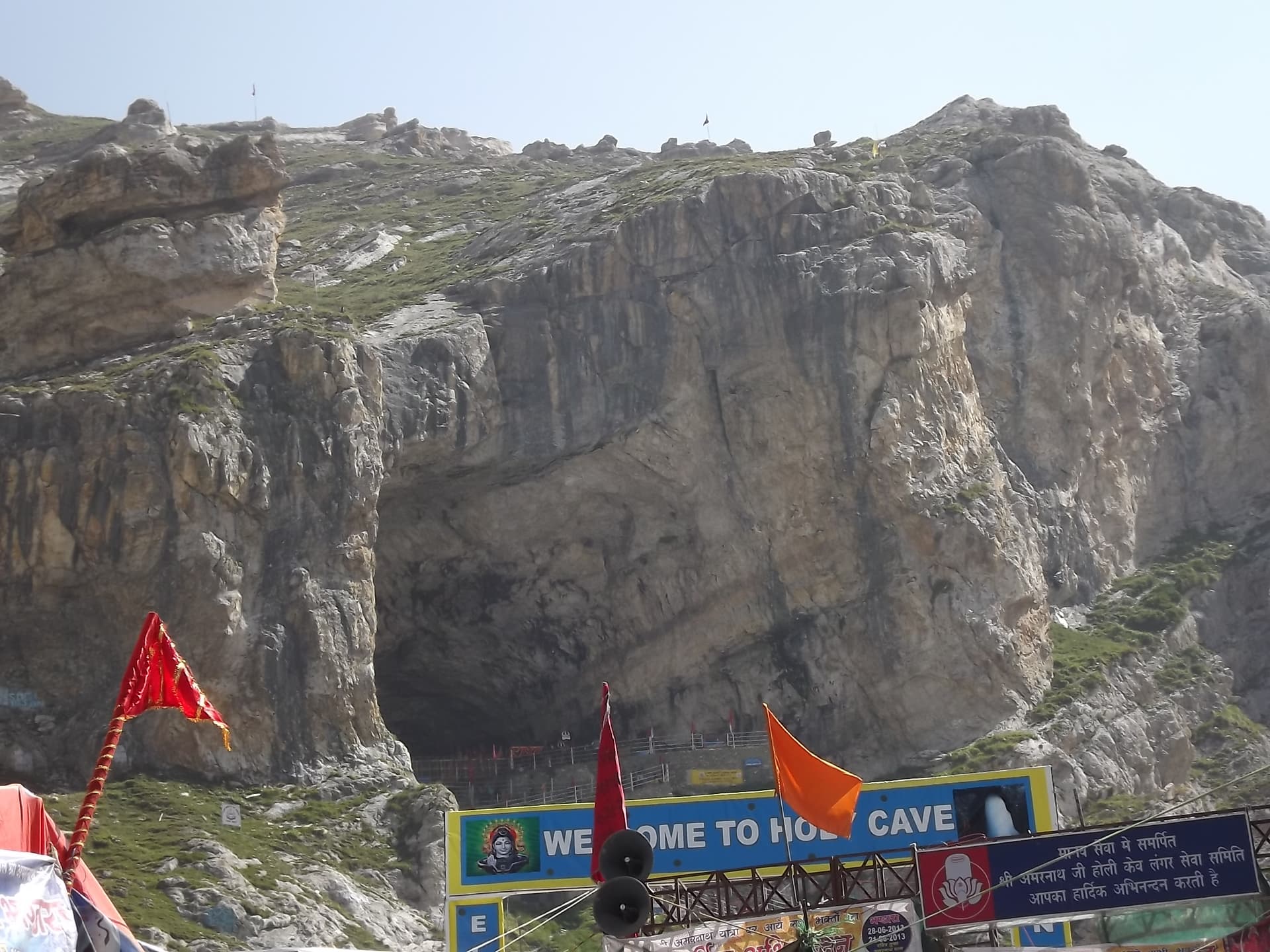
Amarnath Temple - Courtesy of Photographer
Located about 141 kilometers from Jammu and Kashmir’s capital city of Srinagar, the Amarnath Temple is an important Hindu shrine. You can reach the temple through Pahalgam in Anantnag district. It is a cave located at an altitude of 3,888 meters. The temple is dedicated to Lord Shiva as there is a Swayambu Lingam or a self-manifested Shiva Lingam inside the cave, which was formed due to the freezing of water drops that fall from the roof to the floor of the cave. There are two smaller stalagmites that are known to represent Goddess Parvati and Lord Ganesha. Hindus believe that this is the place where Shiva revealed the secret of life and eternity to his divine consort, Parvati. Devotees can visit the temple from July to August, which coincides with the Hindu month of Shraavana. The Amarnath Yatra takes place when the Shiva Lingam reaches its apex. The pilgrimage remains open anywhere between 40-60 days, depending on the formation of the Lingam.
Kheer Bhawani Temple
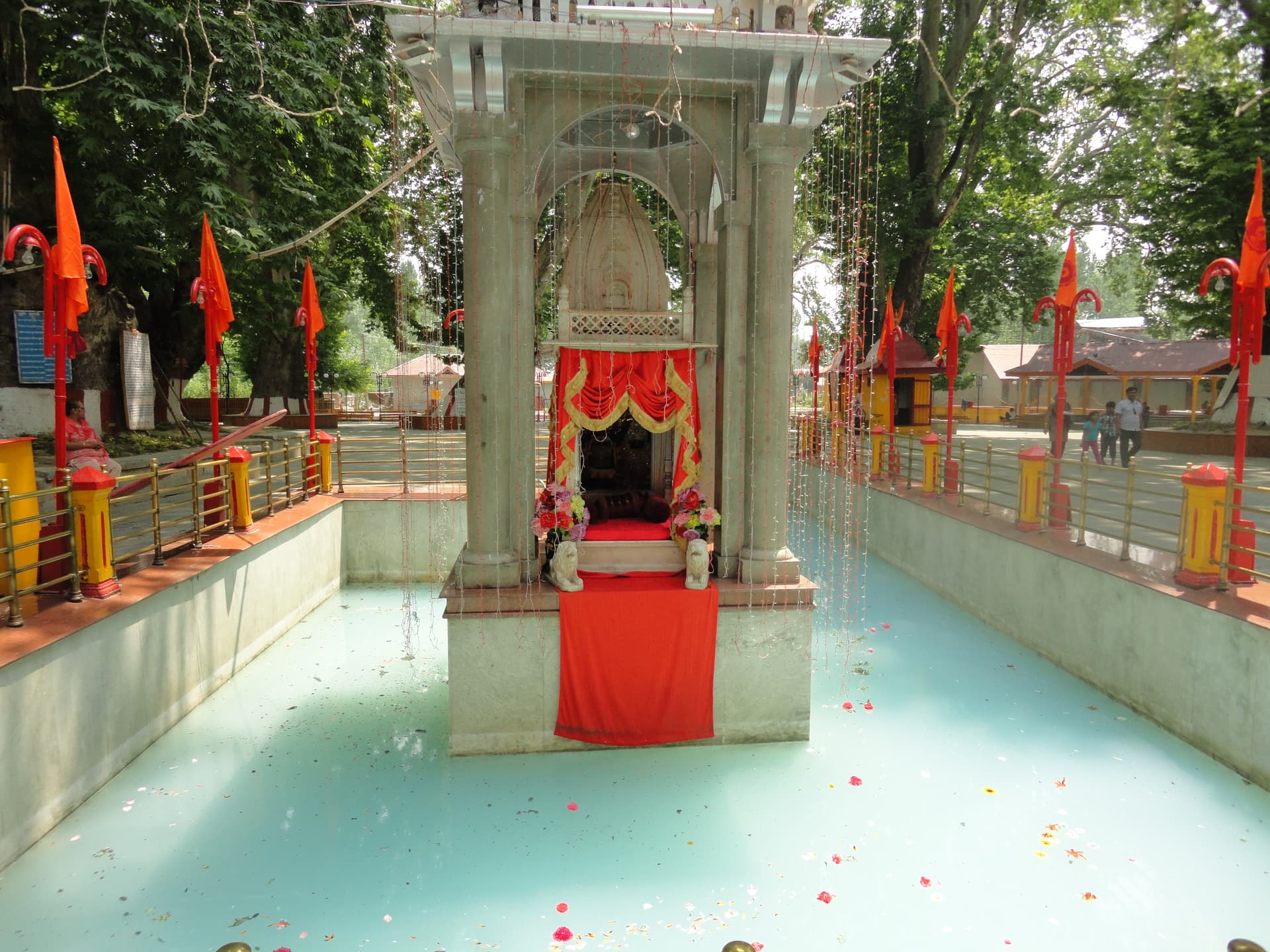
Kheer Bhawani Temple - Courtesy of Photographer
Kheer Bhawani Temple, also known as Ksheer Bhawani or Ragnya Devi Temple is a Hindu Temple dedicated to goddess Kheer Bhawani. It is located in the Ganderbal district of central Kashmir. The term kheer refers to a milk and rice pudding, which is given as an offering to the goddess. Kheer Bhawani also roughly translates to “Milk Goddess”. There is a holy spring around the goddess which is known to change its water into various colors like red, blue, green, orange, green, and blue. It is said to be inauspicious if the spring water turns black. Reportedly, the water changed to a black color during the Exodus of Kashmiri Pandits. During the annual Kheer Bhawani Mela, one can witness a huge gathering of Hindus, and is one of the largest gatherings in the region, after the Amarnath Yatra. Kheer Bhawani is mentioned in ancient Sanskrit literature, including Kalhana’s 12th-century legendary chronicle Rajtarangini, and the astrological treatise Bhrigu Samhita.
Jamia Masjid
.jpg&w=1920&q=75)
Jamia Masjid - Courtesy of Photographer
Located in Srinagar, Jamia Masjid is a popular tourist attraction in Kashmir. Constructed in the 14th century, it is regarded as one of the most important mosques in Kashmir. It was commissioned by Sultan Sikandar Shah Miri in 1394 and was completed in 1402. The mosque is heavily influenced by Persian architecture and also has similarities to Buddhist pagodas. It is a quadrangular building with four turrets or towers, all of which are interconnected by spacious halls. Panoramic views of Srinagar can be seen from these turrets. Historian Mohammad Ishaq Khan notes that the Jama Masjid initially focused on providing religious education. However, as modern education spread among Kashmiri Muslims due to the efforts of Mirwaiz Ghulam Rasul Shah, the Masjid started to play a crucial role in fostering political awareness.
Vaishno Devi Temple
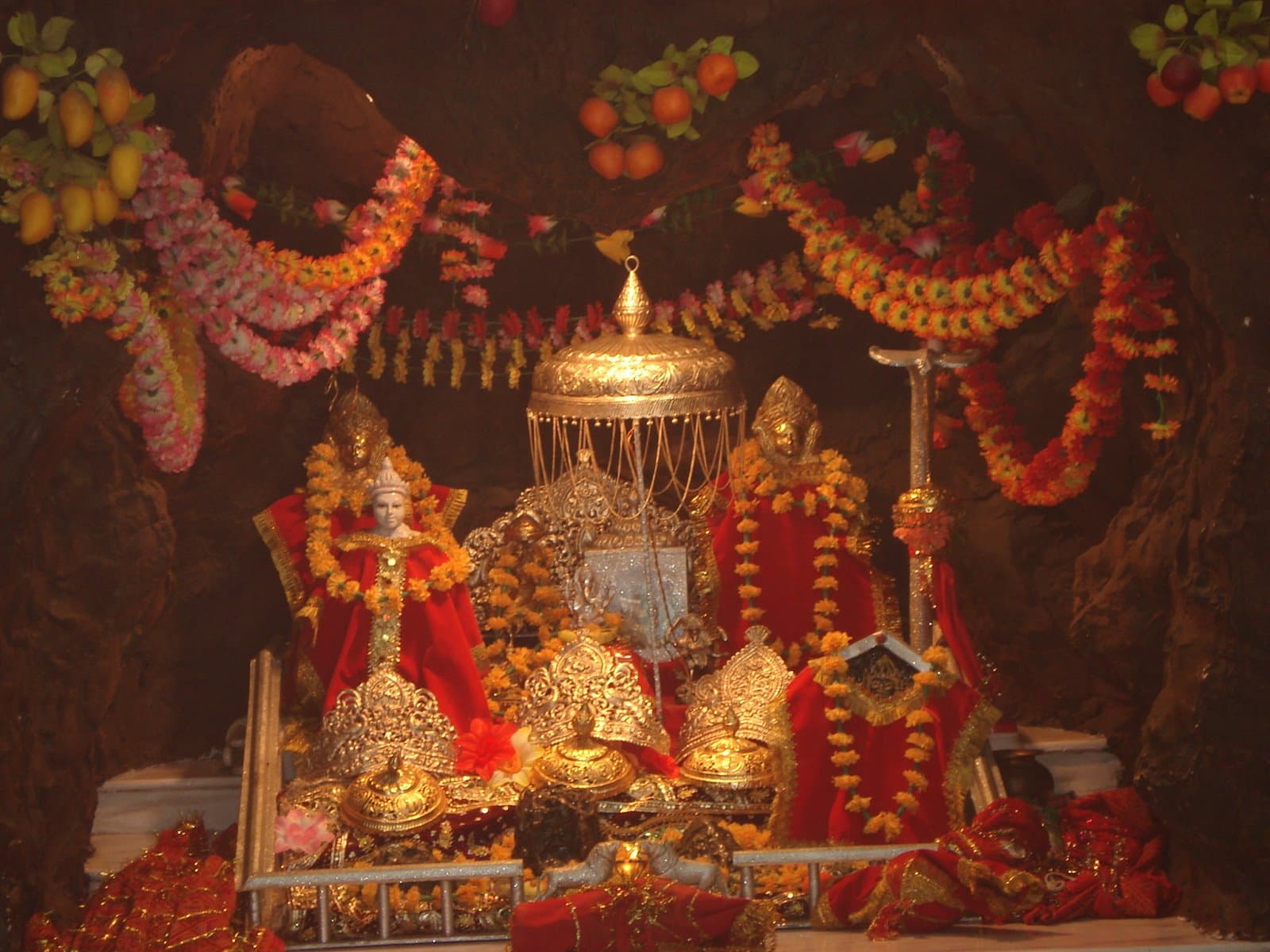
Vaishno Devi Temple - Courtesy of Photographer
Located in the city of Katra in Jammu and Kashmir, the Vaishno Devi Temple is a Hindu Mandir dedicated to Goddess Vaishno Devi. The temple is also known by other names like ‘Shri Mata Vaishno Devi Temple’ and ‘Vaishno Devi Bhavan’. Vaishno Devi is a manifestation of the Hindu Goddess, Durga. The temple is perched on the Trikuta mountain at an elevation of 5,000 feet. It is one of the most popular Hindu pilgrimage sites in India, receiving millions of devotees every year. According to a geological study, the cave in which the idol is situated is said to be nearly a million years old. There is also mention of the goddess in the Mahabharata. It is believed that Lord Krishna advised Arjuna to seek the blessings of Vaishno Devi before the Kurukshetra War. The three revered icons: Mahakali, Mahalakshmi, and Mahasaraswati, all manifestations of Vaishno Devi, are worshipped at the temple. Navaratri and Diwali are celebrated with a lot of grandeur at the Vaishno Devi Temple.
Charar-e-Sharief
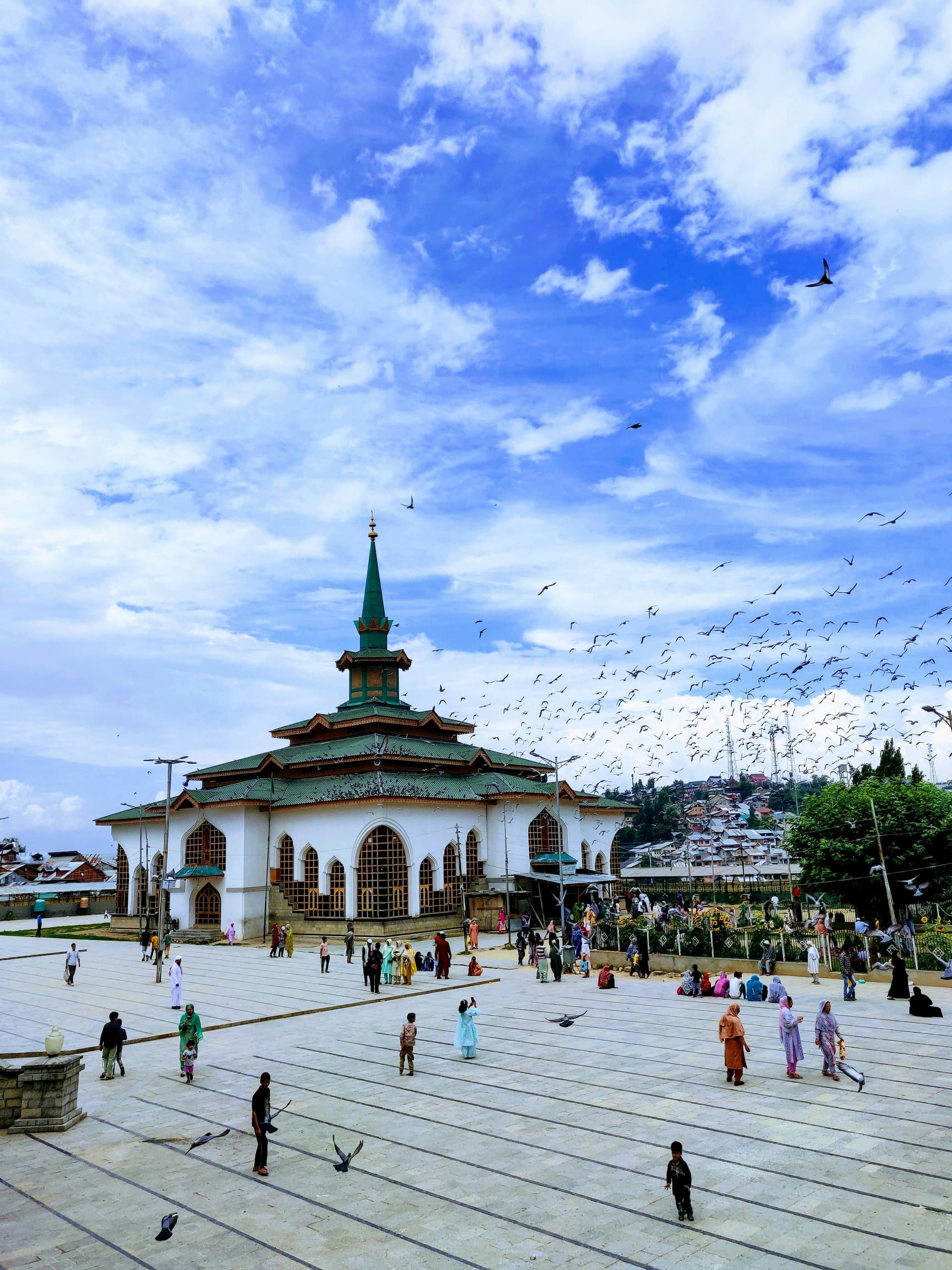
Charar-e-Sharief - Courtesy of Photographer
Charar-e-Sharief is a Muslim shrine, located in the town of Charar-i-Sharief in Jammu and Kashmir. It is one of the oldest sacred shrines of Indian Muslims. The shrine was built in 1460 to honor the Sufi saint, Nund Rishi. It holds deep religious significance in the cultural heritage of Kashmir and is regarded as the holiest site for Muslims in the region. After his death in 1438 AD, Saint Nund Rishi was laid to rest in the town of Charar-i-Sharief. The foundation stone of the shrine was placed in 1446 by Zain-ul-Abidin, the Sultan of the Valley at that time. Besides Muslim devotees, Charar-e-Sharief is also visited by Hindus.
Raghunath Temple
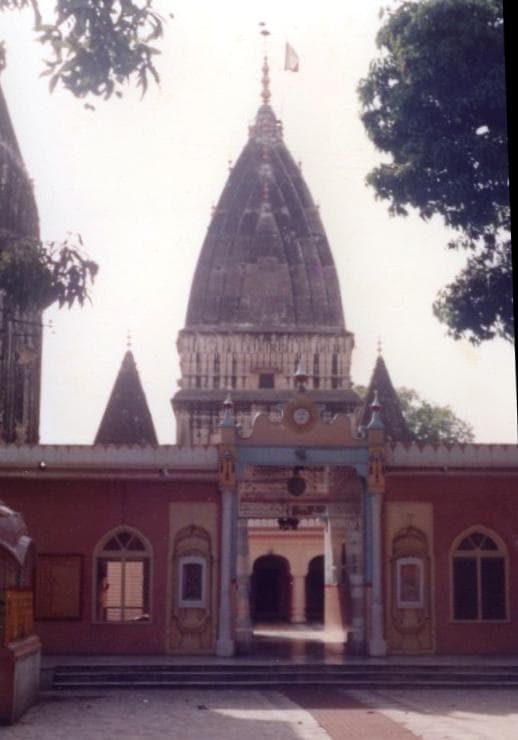
Raghunath Temple - Courtesy of Photographer
The Raghunath Temple is a Hindu temple located in Jammu. The construction of the temple was started by the first Dogra ruler, Maharaja Gulab Singh in 1835 and was subsequently completed by his son, Maharaja Ranbir Singh in 1860. The temple consists of seven shrines and they encompass many deities, including the various incarnations of Lord Vishnu. The central shrine or the Garbhagriha is dedicated to Lord Ram, who is also known by the name Raghunath and is an avatar of Lord Vishnu. The premises of the temple have a school and a library that houses more than 6,000 manuscripts in various Indian languages, with an impressive collection of Sanskrit manuscripts in the Sarada script. The interior panels of the temple have paintings from Hindu epics like Mahabharata, Ramayana, and Bhagavad Gita, along with secular aspects like images of saint Kabir and Sikh communities.

Leave the planning to a local expert
Hazratbal Shrine
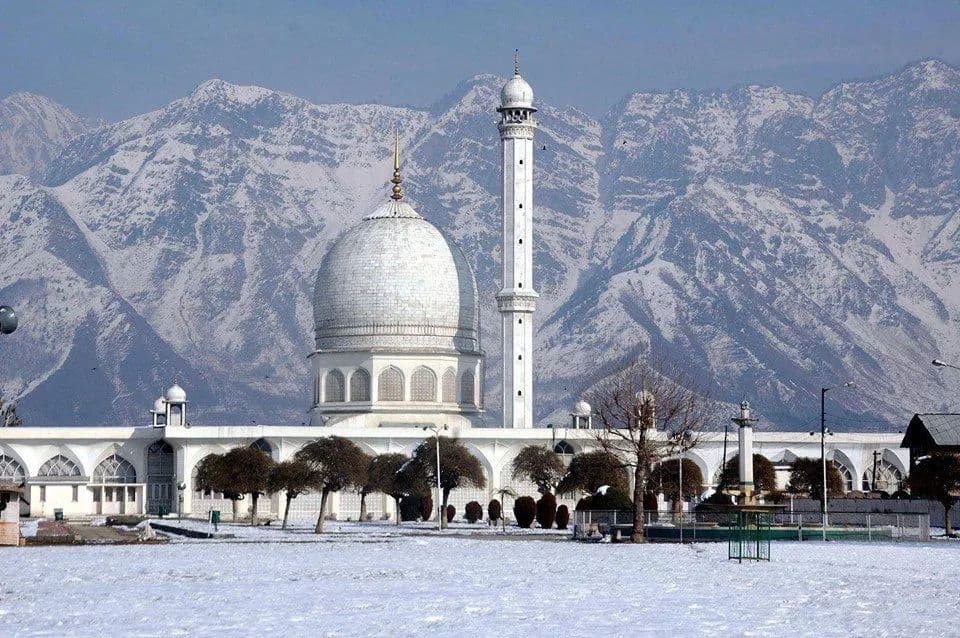
Hazratbal Shrine - Courtesy of Photographer
Popularly known as Dargah Sharif, the Hazratbal Shrine is a holy Muslim shrine located in the Hazratbal locality of Srinagar. Considered to be Kashmir’s holiest Muslim shrine, it is situated on the banks of the beautiful Dal Lake. The name Hazratbal is a combination of two words - Hazrat in Arabic translates to respected and the Kashmiri word Bal means place. The holy shrine contains a relic “Moi-e-Muqqadas”, which is believed to be Prophet Muhammad’s hair. The relic was passed on to different people over the years and was finally transported to Kashmir by Mughal Emperor Aurangzeb after the Prophet himself appeared in the Mughal ruler’s dream ordering the relic to be sent from Ajmer to Kashmir. The shrine is currently under the care of the Banday family and the relic is only displayed to the public on special Islamic occasions.
Shankaracharya Temple
.jpg&w=1920&q=75)
Shankaracharya Temple - Courtesy of Photographer
Located on top of the Shankaracharya hill of the Zabarwan mountain range, the Shankaracharya Temple is a Hindu temple dedicated to Lord Shiva. Also known as the Jyeshteshwara temple, it is at an elevation of 1,000 feet above Kashmir’s valley floor and overlooks the beautiful city of Srinagar. The temple is visited by Kashmiri Hindus on the auspicious occasion of Maha Shivratri, which is known as Herath in the region. It is strongly believed that Indian Vedic scholar Adi Shankaracharya himself visited the temple and his famous literary work, ‘Soundarya Lahari’ was composed here. The temple has since been associated with Shankaracharya, and this is the reason for the temple and the hill to be named after him. The temple has also been featured in popular Bollywood movies and songs as well.
Holy Family Catholic Church
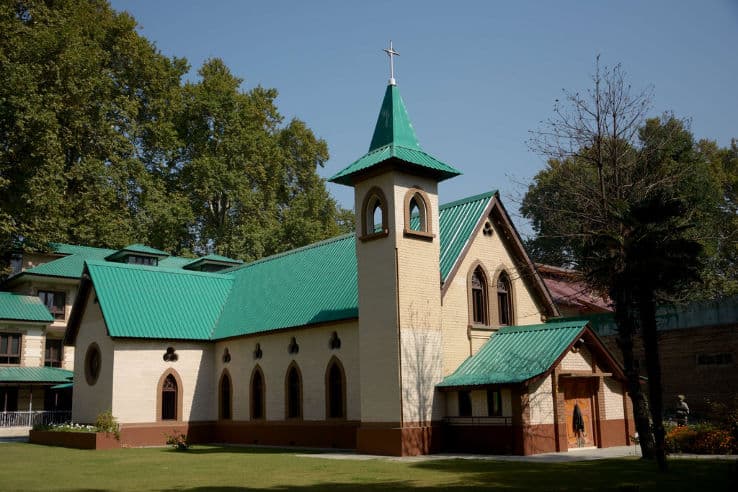
Holy Family Catholic Church - Courtesy of Photographer
The Holy Family Catholic Church is a Roman Catholic Church, located at the Maulana Azad Road in the city of Srinagar of Jammu and Kashmir. The church was established by Father Robert J. Winkley of the Saint Joseph's Missionary Society of Mill Hill in the year 1896. It is one of the oldest and main churches of Srinagar. On June 7th, 1967, the church witnessed a devastating fire, destroying its belfry. It was later rebuilt in 2017 with a new Church bell donated by an Indian Christian family from Moradabad. The church was recently renovated in 2021-22 with the Last Supper sculpted out of wood in it’s alter.
Dastgeer Sahib
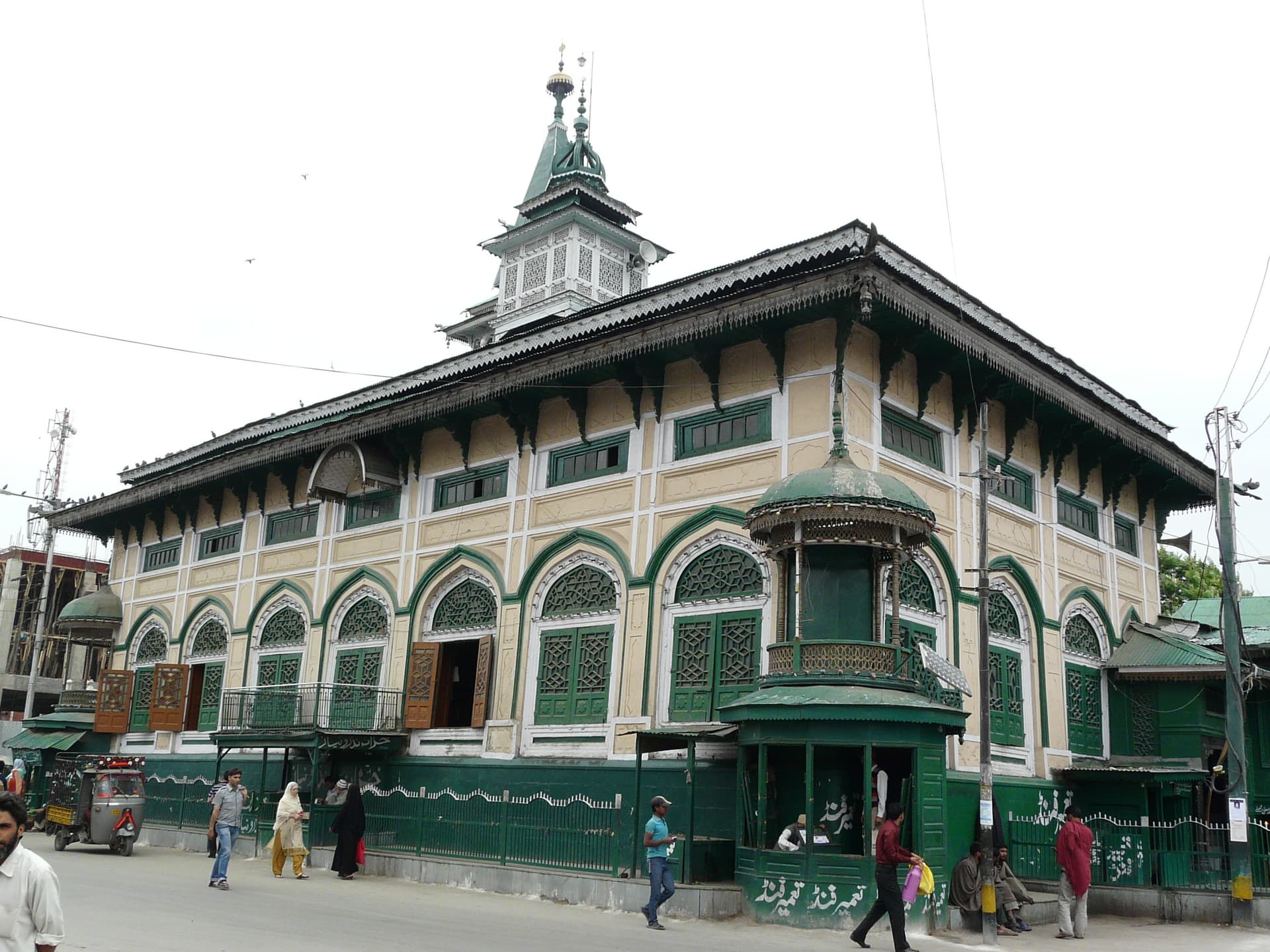
Dastgeer Sahib - Courtesy of Photographer
Dastgeer Sahib is a 200-year-old Sufi shrine in the Khanyar locality of downtown Srinagar. It is believed that a strand of hair belonging to Sufi leader Abdul Qadir Gilani is present inside the shrine. The relic is locally known as Mouia Pak. The shrine also houses an old Quran written by Ali Ibn Abi Talib, prophet Muhammad’s son-in-law. It was built in 1806 and expanded in 1877 by Khwaja Sanaullah Shawl. On the birth and death anniversary of Abdul Qadir Gilani, people from all across Kashmir gather at the shrine to witness the Ziyarat. The shrine was damaged due to a fire in 2012, but the relics remain undamaged due to them being placed in a fire-proof vault. It has since been restored to its original condition.
Conclusion
Those are some of the must-visit religious sites in Kashmir. We hope this was helpful and informative. For more such blogs and other travel content, check out our official website https://backpackersunited.in/
Plan your Kashmir trip with Backpackers United today for an epic adventure!
.jpg&w=1920&q=75)