Agra Fort
Overview
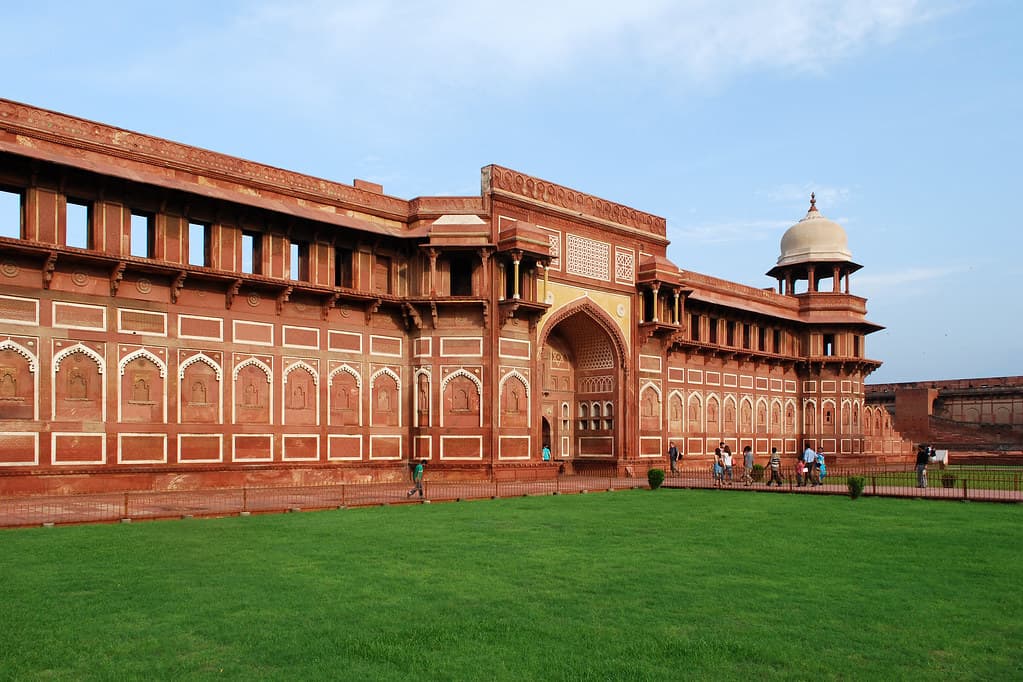
Agra Fort, located in Agra, Uttar Pradesh, India, is a massive red sandstone fortification that played a significant role in the Mughal Empire. Built during the reign of Emperor Akbar in the late 16th century, the fort served as the main residence of the Mughal emperors until the capital was moved to Delhi. Today, it stands as a UNESCO World Heritage Site and an important example of Mughal military architecture and royal living.
Label: Must visit
How to reach: Bike, bus, taxi, auto
Timings: 6:00 AM to 6:00 PM
Time Required: 2 hours
Entry Fee: INR 50 for Indians and INR 600 for Foreigners
Historical Significance:
Agra Fort was constructed by Mughal Emperor Akbar between 1565 and 1573, replacing an earlier structure. It was further developed by Akbar's successors, Jahangir and Shah Jahan. The fort served as the main political and military center of the Mughal Empire during its construction and was the site of significant historical events, including the imprisonment of Shah Jahan by his son Aurangzeb. The fort is a testament to the Mughal Empire’s architectural prowess and strategic military planning.
Architectural Details:
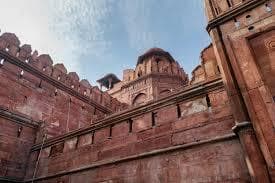
Red Sandstone Structure: The fort is primarily constructed of red sandstone, which gives it a distinctive color and appearance. It features high walls and numerous defensive structures, reflecting its role as a military stronghold.
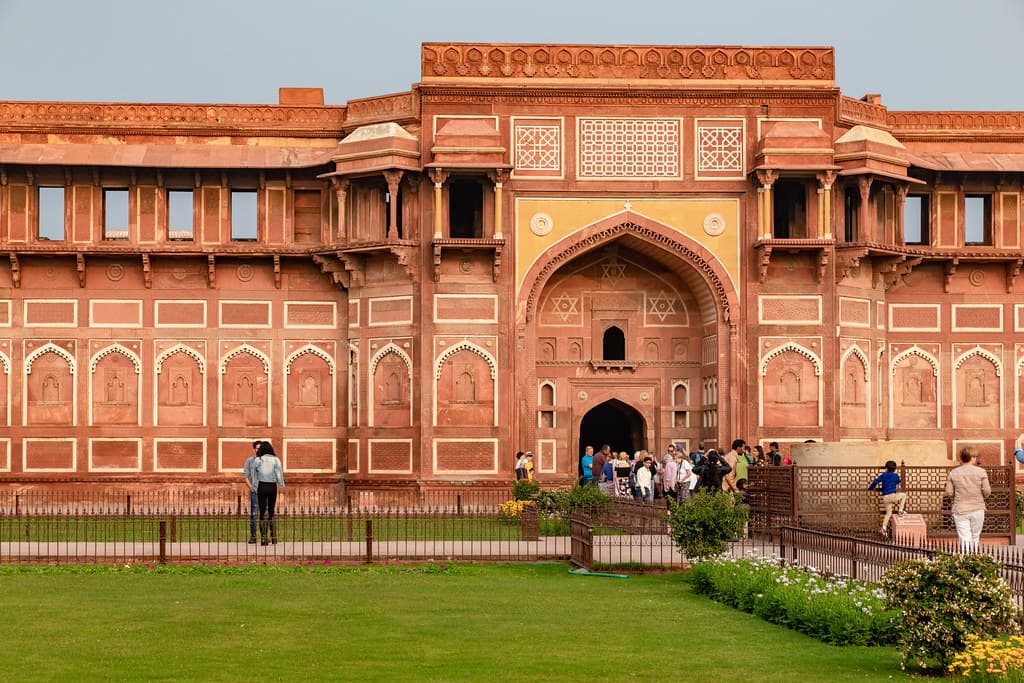
Gates: The fort has several grand gates, including the Delhi Gate, Lahore Gate, and Amar Singh Gate. Each gate has its own historical and architectural significance.
Palaces and Buildings: Inside the fort, there are several notable structures, including:
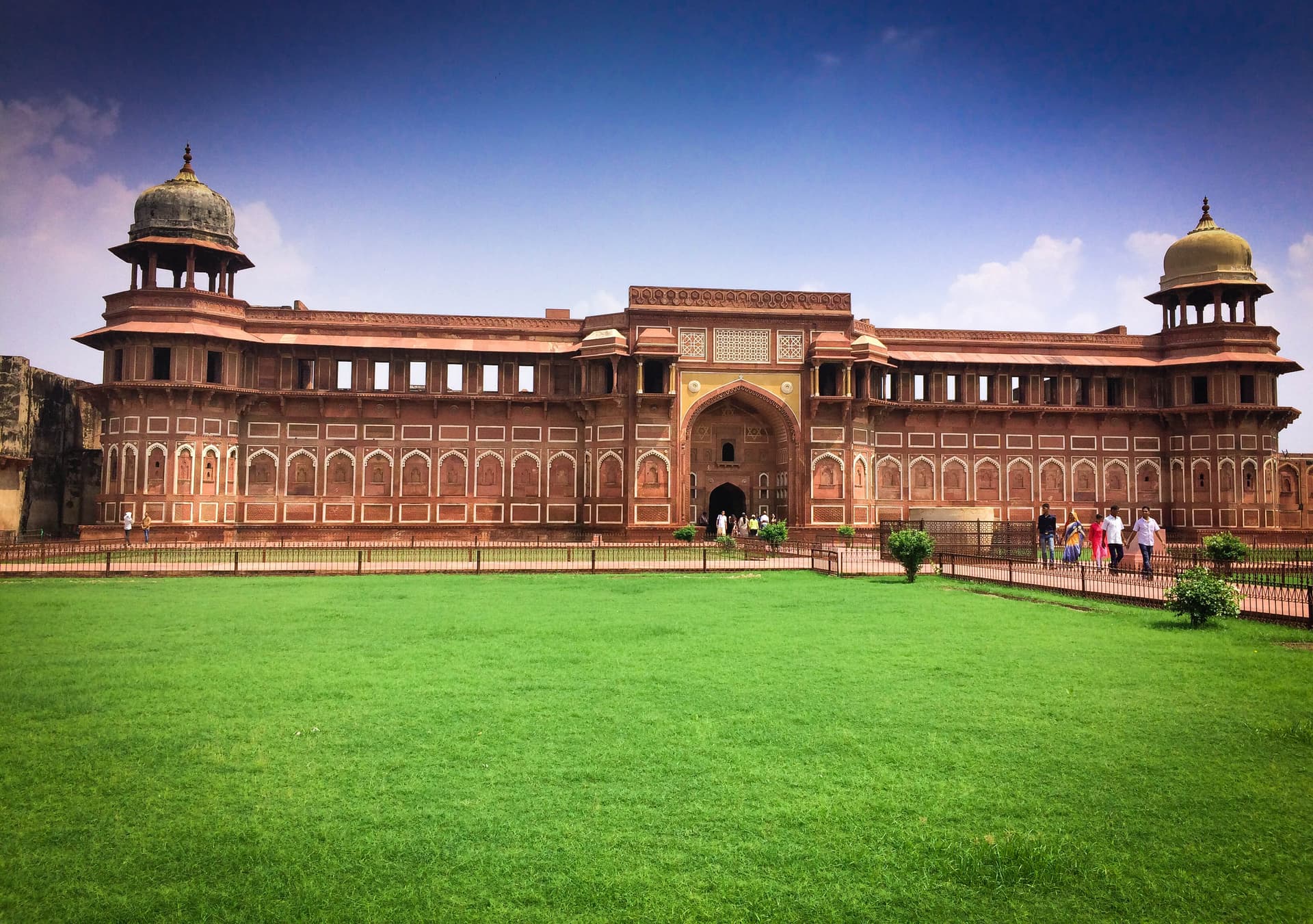
- Jahangir’s Palace: A large, three-story palace built by Emperor Jahangir, featuring elaborate Mughal architecture and ornate decorations.
- Khas Mahal: A white marble palace built by Shah Jahan, known for its intricate carvings and luxurious design.
- Diwan-i-Am: The Hall of Public Audience where the emperor addressed his subjects and conducted official business.
- Diwan-i-Khas: The Hall of Private Audience, used for more intimate meetings with high-ranking officials and dignitaries.
- Moti Masjid: A beautiful white marble mosque built by Shah Jahan, characterized by its simplicity and elegance.
Key Features and Attractions:
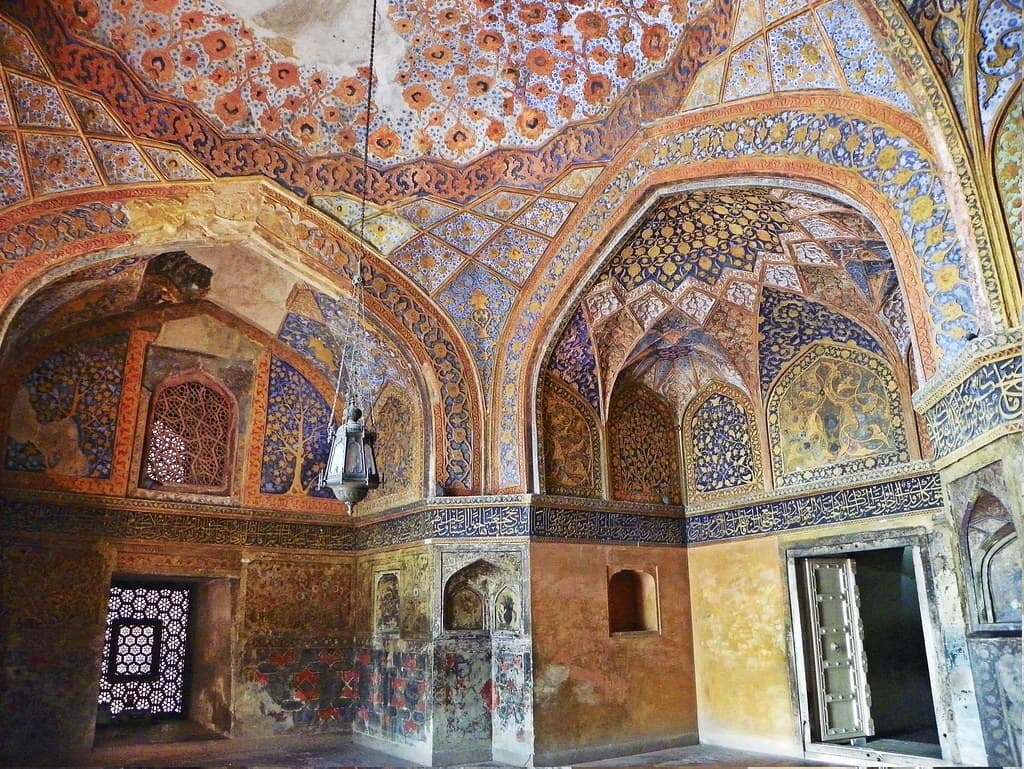
Mughal Architecture: The fort showcases the grandeur of Mughal architecture with its intricate carvings, expansive courtyards, and elaborate decorations. It represents a blend of military and residential architecture.
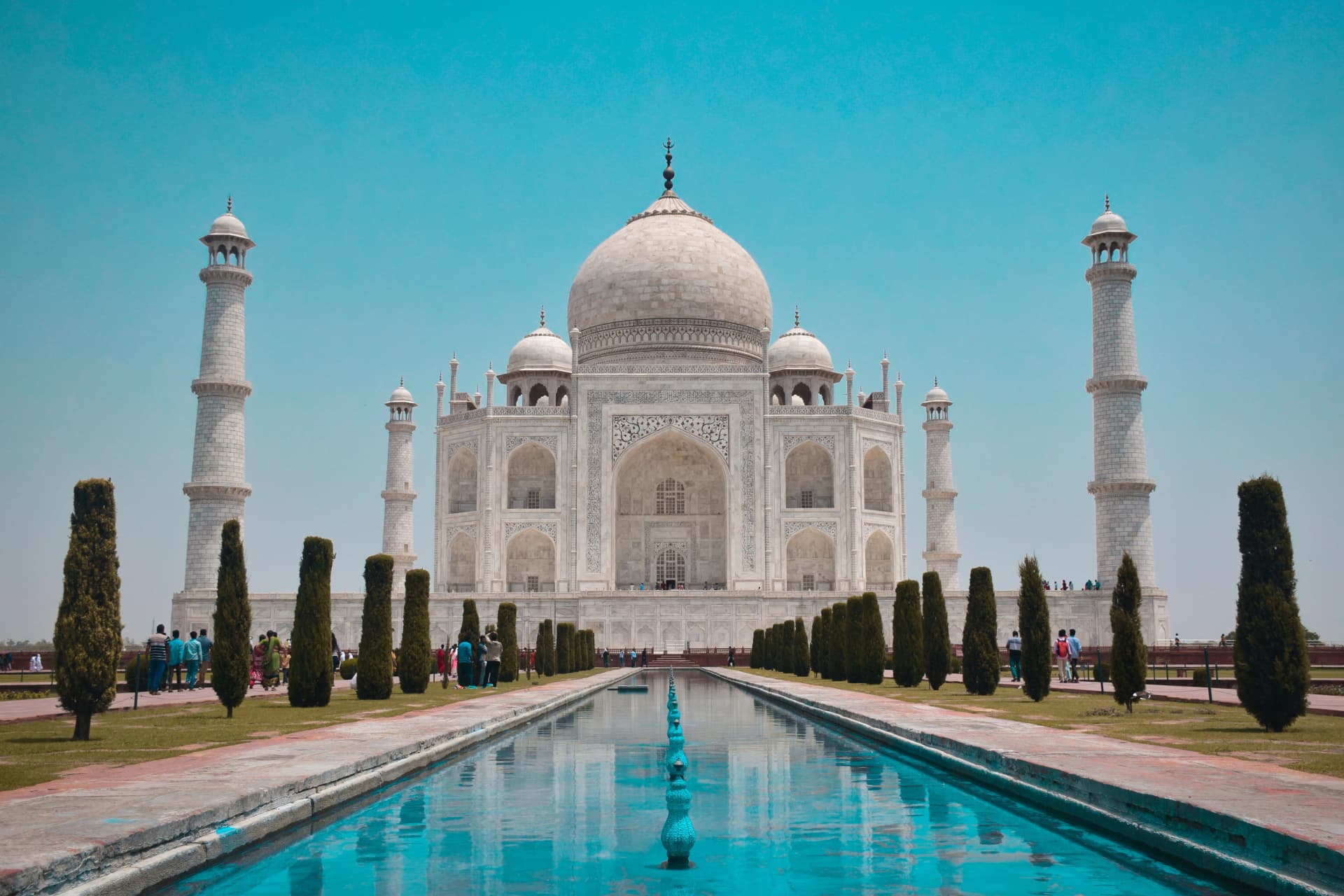
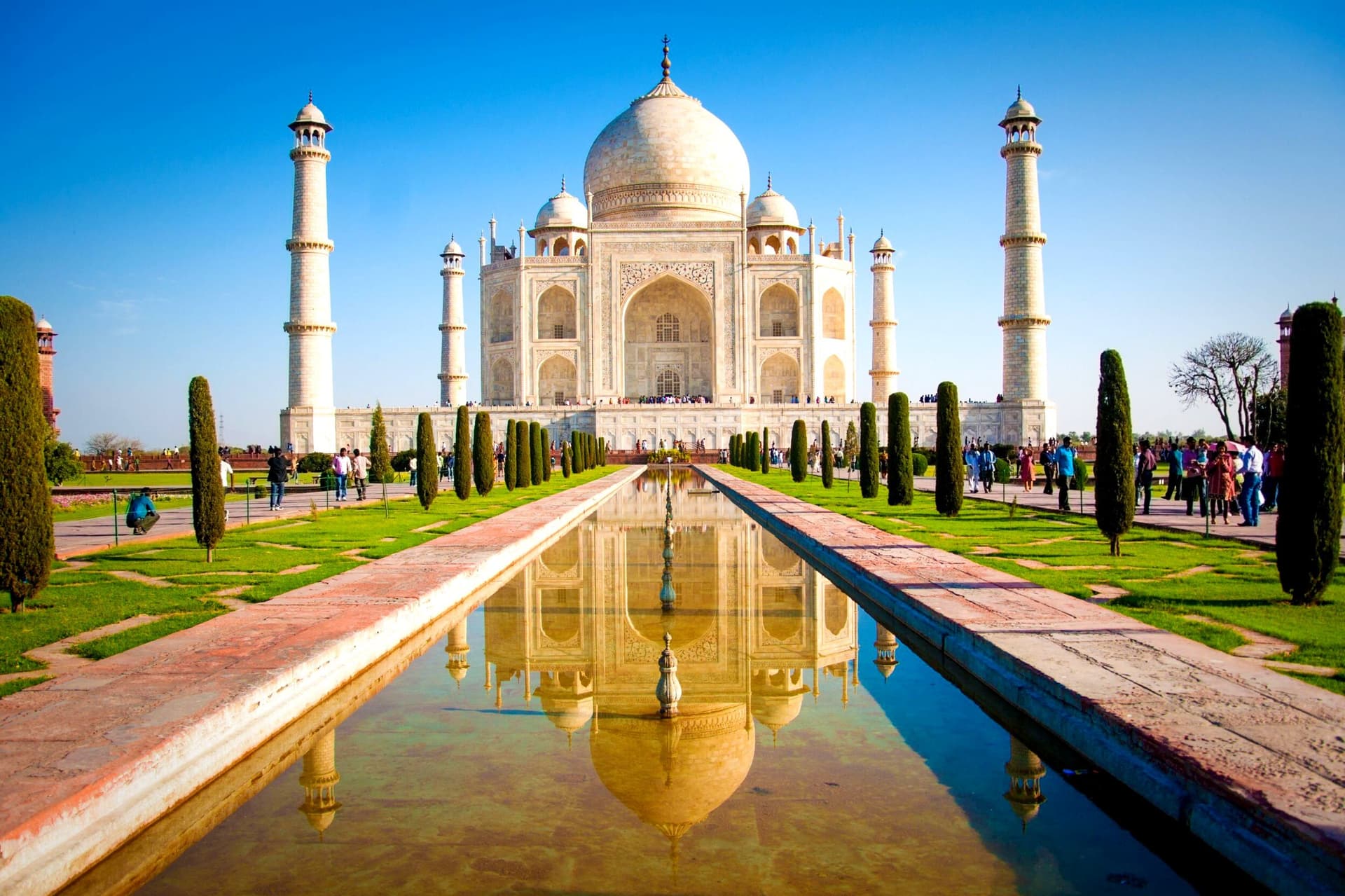
Views of the Taj Mahal: From certain vantage points within the fort, visitors can enjoy panoramic views of the Taj Mahal, providing a unique perspective of the iconic monument.
Historic Walls and Moat: The fort’s walls are adorned with defensive features, including bastions, battlements, and a moat that once served as a protective barrier.
Cultural Heritage:
Agra Fort reflects the peak of Mughal architectural and cultural achievements. It was an important center of administration, culture, and power during the Mughal era. The fort’s design incorporates both military functionality and luxurious living spaces, illustrating the multifaceted nature of Mughal rule.
Nearby Attractions:
Taj Mahal: The world-famous mausoleum built by Shah Jahan for his wife, located just a short distance from Agra Fort.
Itimad-ud-Daulah’s Tomb: Known as the "Baby Taj," this earlier Mughal tomb features intricate marble work and is a precursor to the Taj Mahal.
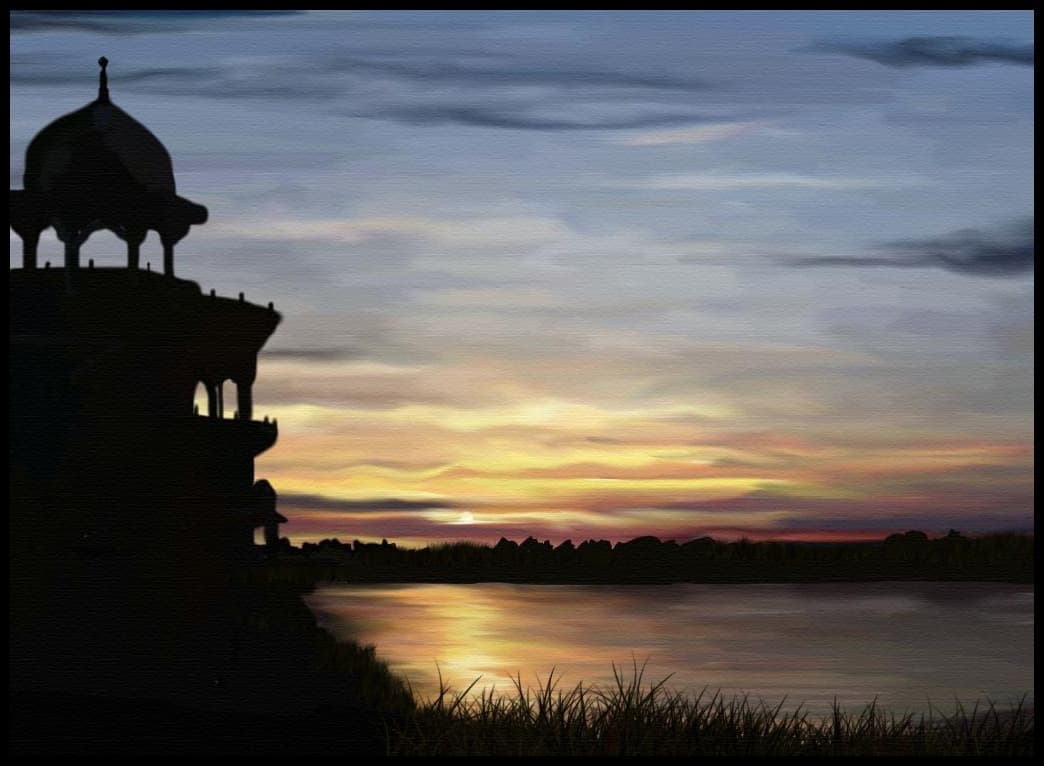
Mehtab Bagh: A garden across the Yamuna River offering a scenic view of the Taj Mahal, particularly at sunset.
Local Cuisine:
Mughlai Cuisine: Agra is renowned for its Mughlai dishes, including rich biryanis, kebabs, and curries.
Street Food: Popular local snacks include chaat (savory snacks), petha (a sweet made from ash gourd), and various regional sweets like jalebi and rasgulla.

Leave the planning to a local expert
Festivals and Events:
Agra Mahotsav: An annual cultural festival celebrating Agra’s heritage through music, dance, and craft exhibitions.
Local Festivals: Major Indian festivals such as Diwali and Holi are celebrated with vibrant festivities and special events in Agra.
Accommodation and Stays:
Luxury Hotels: The Oberoi Amarvilas and ITC Mughal offer luxurious accommodations with views of the Taj Mahal and proximity to Agra Fort.
Mid-range Hotels: Various hotels provide comfortable and moderate-priced stays, offering good access to both Agra Fort and other local attractions.
Budget Lodging: Guesthouses and budget hotels are available for more economical lodging options in the vicinity.
Tips for Visitors:
Best Time to Visit: Early mornings and late afternoons are ideal for visiting to avoid crowds and experience the fort in cooler temperatures.
Guided Tours: Consider taking a guided tour to gain a deeper understanding of the fort’s history and architectural features.
Photography: Photography is allowed in most areas, but be mindful of any restrictions or guidelines to protect the fort’s artifacts and architecture.
Conclusion:
Agra Fort is a significant historical and architectural site, offering a glimpse into the grandeur of the Mughal Empire. Its impressive design, historical importance, and strategic location make it a must-visit destination for those interested in Mughal history, architecture, and Indian heritage. The fort’s well-preserved structures and artifacts continue to captivate visitors and provide insight into a pivotal period in Indian history.