Akbar's tomb
.jpg&w=1920&q=75)
Overview
Akbar's Tomb is a majestic mausoleum located in Sikandra, a suburb of Agra, Uttar Pradesh, India. This architectural marvel was built to honor the Mughal Emperor Akbar, one of the greatest and most influential rulers in Indian history. The tomb, set in a sprawling garden, reflects the grandeur and vision of Akbar's reign.
Label: Off beat
How to reach: Bike, bus, taxi, auto
Timings: 6:00 AM to 6:00 PM
Time Required: 2 hours
Entry Fee: INR 10 for Indians and INR 100 for Foreigners
Historical Significance:
The construction of Akbar’s Tomb began in 1605, commissioned by Akbar himself, and was completed by his son, Emperor Jahangir, in 1613. Akbar’s reign marked a period of cultural, architectural, and administrative innovation, and his tomb is a testament to his contributions to the Mughal Empire. The site not only serves as a burial place but also as a symbol of the emperor's legacy.
Architectural Details:
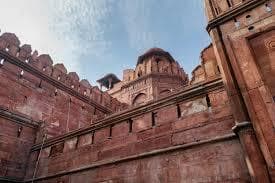
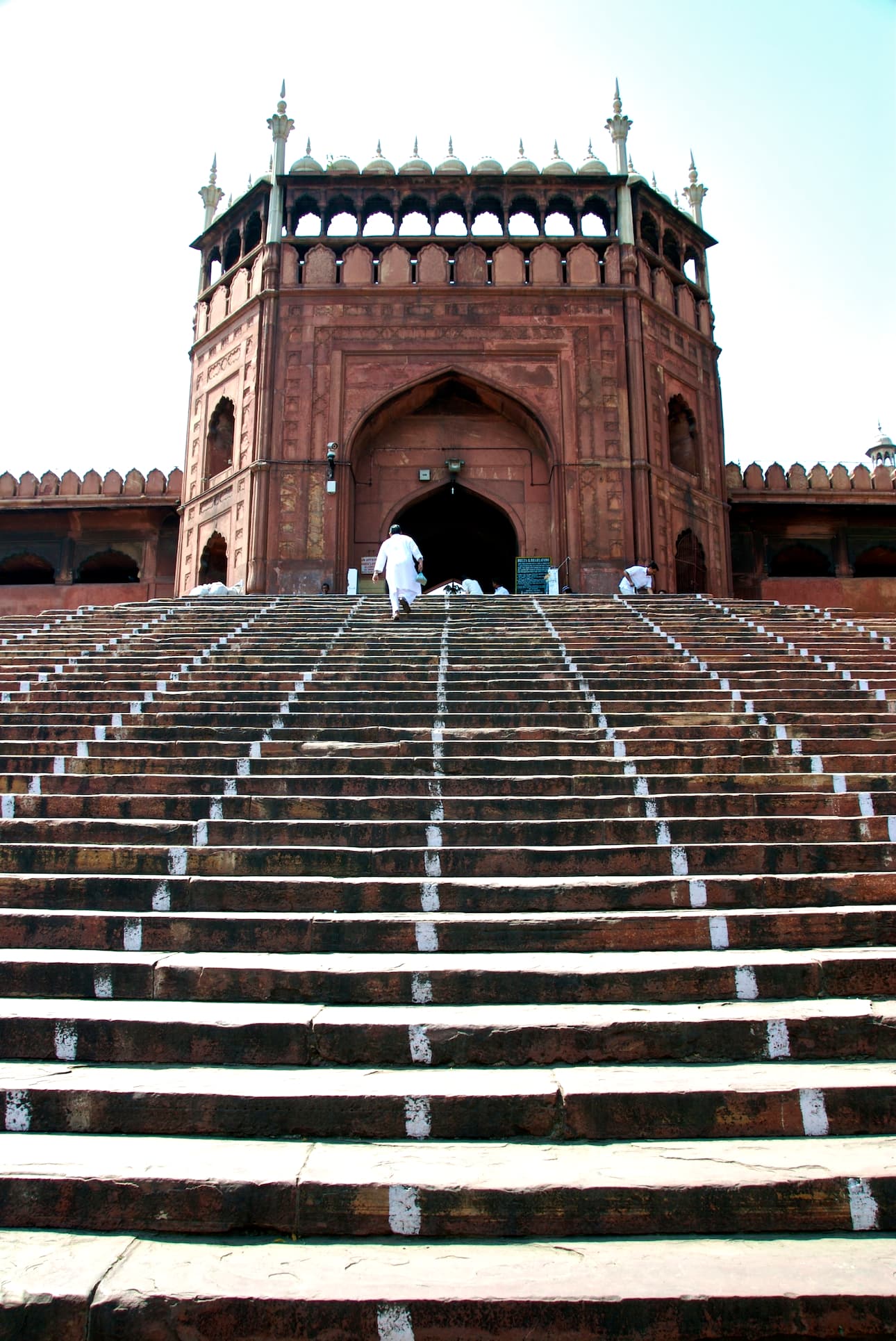
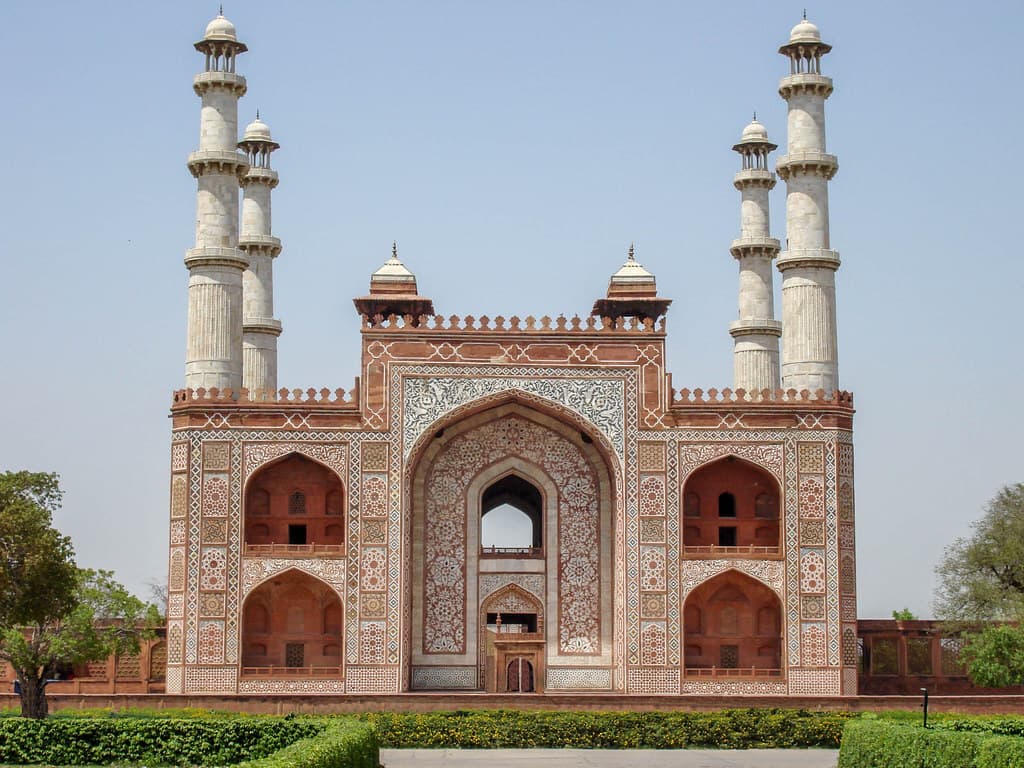
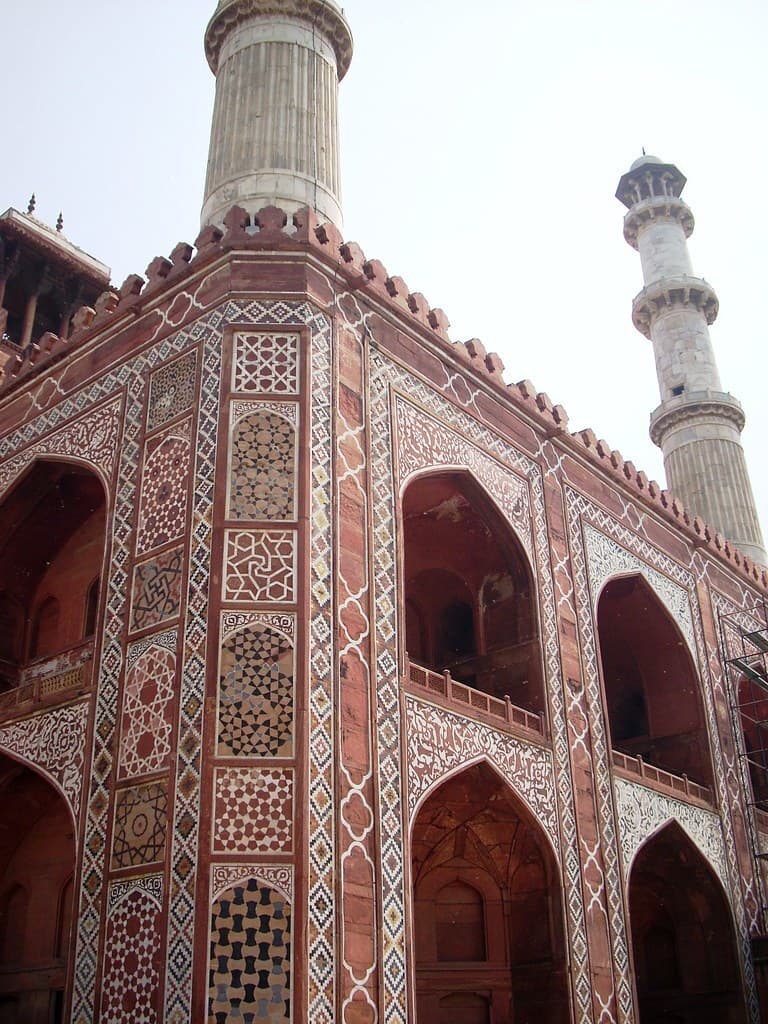
Design and Structure: The tomb is an excellent example of Mughal architecture, showcasing a blend of Islamic, Hindu, and Persian design elements. The structure is made primarily of red sandstone with white marble inlays.
Entrance Gate: The main entrance is an imposing gateway with four white marble minarets, inspired by the Char Minar style. The gate is richly decorated with intricate carvings and floral patterns.
Main Mausoleum: The tomb itself is a multi-tiered structure, with a central dome surrounded by smaller chhatris (pavilions). The central cenotaph is positioned under an open sky, adhering to Akbar’s preference for simplicity.
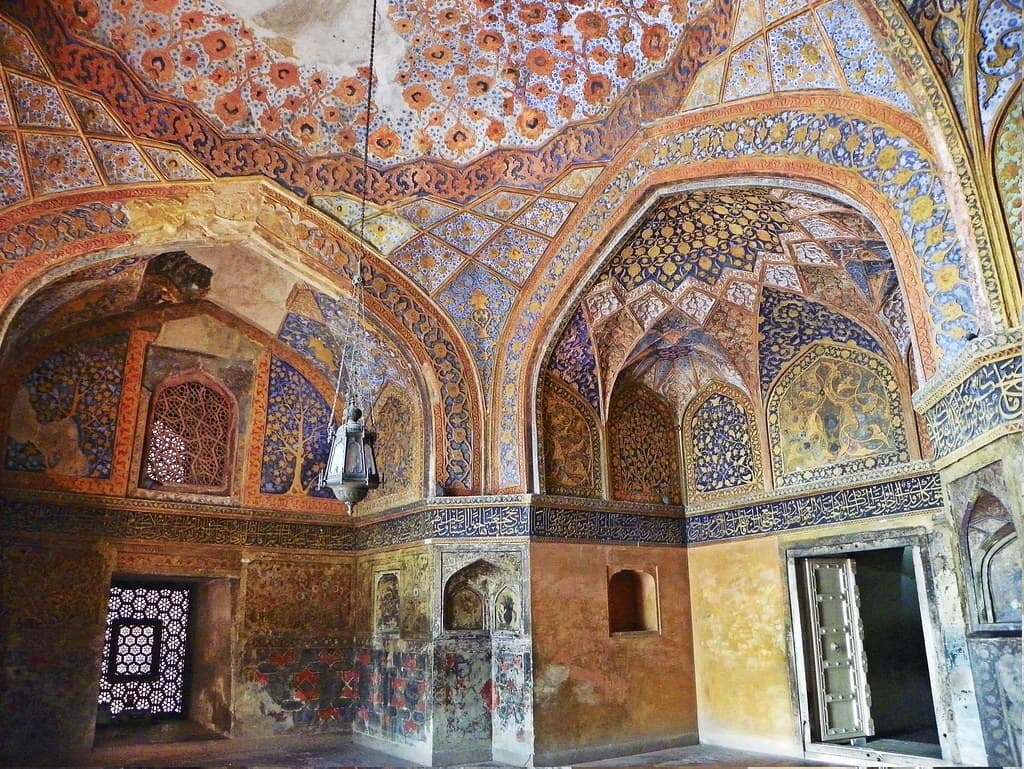
Inlay Work and Decoration: The interior and exterior walls of the tomb are adorned with delicate inlay work, featuring geometric and floral designs using semi-precious stones.
Key Features and Attractions:
Charbagh Garden: The tomb is situated within a traditional Mughal Charbagh (four-quarter) garden, divided by walkways and water channels that symbolize the Islamic concept of paradise.
Central Tomb: The tomb itself is located in the middle of the garden, accessible by a series of paths that lead through the lush greenery.
Architectural Harmony: The blending of different architectural styles and the use of red sandstone with white marble inlays reflect Akbar’s vision of cultural and religious integration.
Cultural Heritage:
Akbar's Tomb is a reflection of the emperor’s inclusive and innovative approach to governance and culture. The amalgamation of various architectural styles in the tomb symbolizes Akbar's efforts to create a unified empire that respected diverse cultural traditions.
Nearby Attractions:
Agra Fort: A significant historical and architectural landmark, located a short drive from Sikandra.
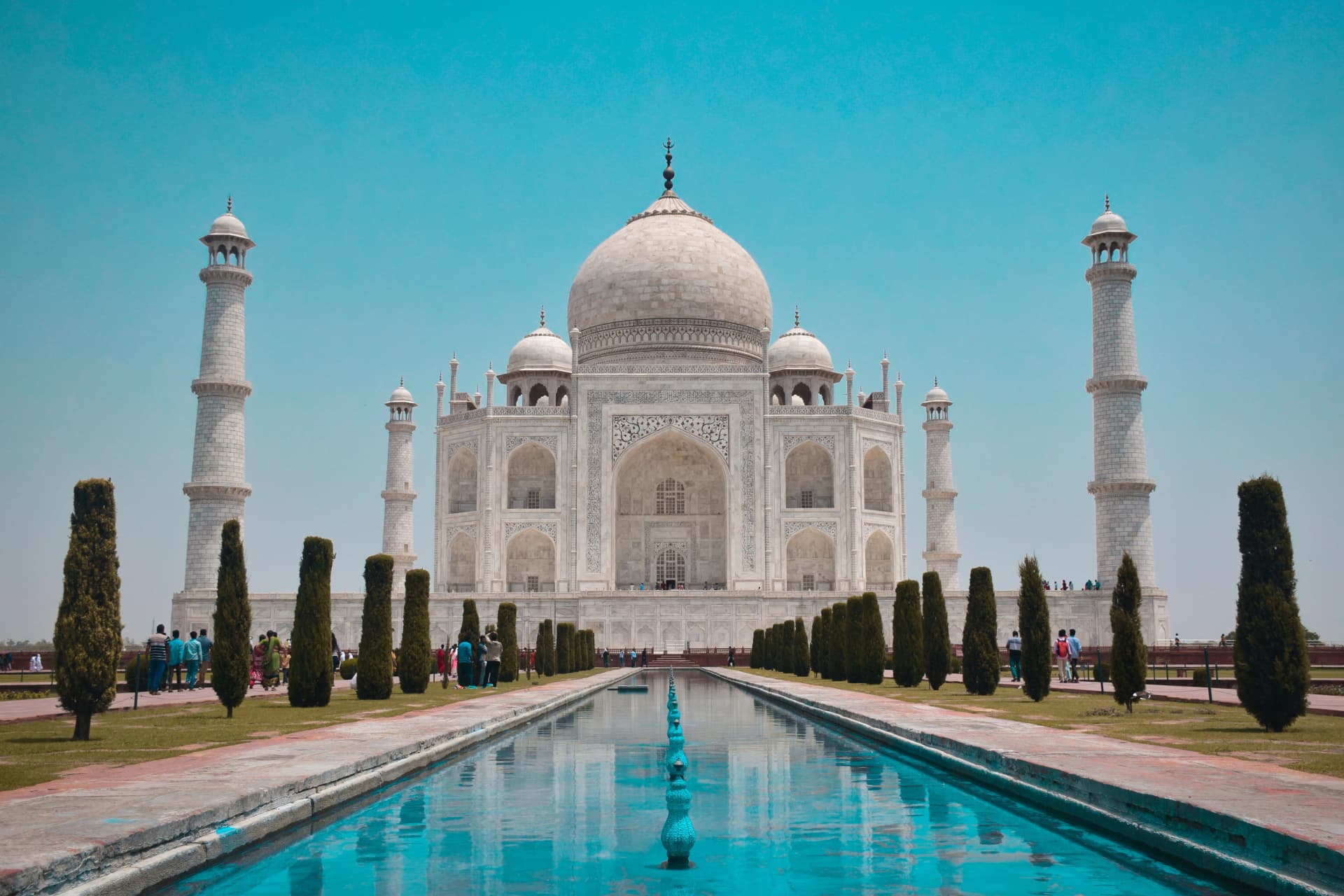
Taj Mahal: The iconic mausoleum built by Shah Jahan, located in Agra, offering a rich historical and visual experience.
Itimad-ud-Daulah's Tomb: Known as the "Baby Taj," this tomb provides insights into the architectural developments leading up to the construction of the Taj Mahal.

Leave the planning to a local expert
Local Cuisine:
Mughlai Cuisine: Agra is famous for its rich and flavorful Mughlai dishes, including biryanis, kebabs, and creamy curries.
Street Food: Visitors can enjoy local delicacies like petha (a sweet made from ash gourd), chaat (savory snacks), and various regional sweets.
Sustainability and Conservation:
Efforts are ongoing to preserve Akbar’s Tomb, focusing on maintaining the structural integrity and aesthetic beauty of the monument. Conservation projects address issues such as pollution, wear and tear from tourism, and natural aging of the materials.
Tips for Visitors:
Best Time to Visit: Early mornings and late afternoons are ideal to avoid the heat and crowds.
Guided Tours: Hiring a guide can enhance the experience by providing detailed historical context and architectural insights.
Photography: The tomb and its gardens offer excellent photography opportunities, particularly during the golden hours of sunrise and sunset.
Conclusion:
Akbar’s Tomb is a monumental tribute to one of India’s greatest emperors. Its architectural grandeur, historical significance, and serene gardens make it a must-visit destination for those interested in Mughal history and culture. The tomb stands as a testament to Akbar’s legacy, showcasing his vision of a culturally integrated and artistically rich empire.