Jama Masjid
.jpeg&w=1920&q=75)
Overview
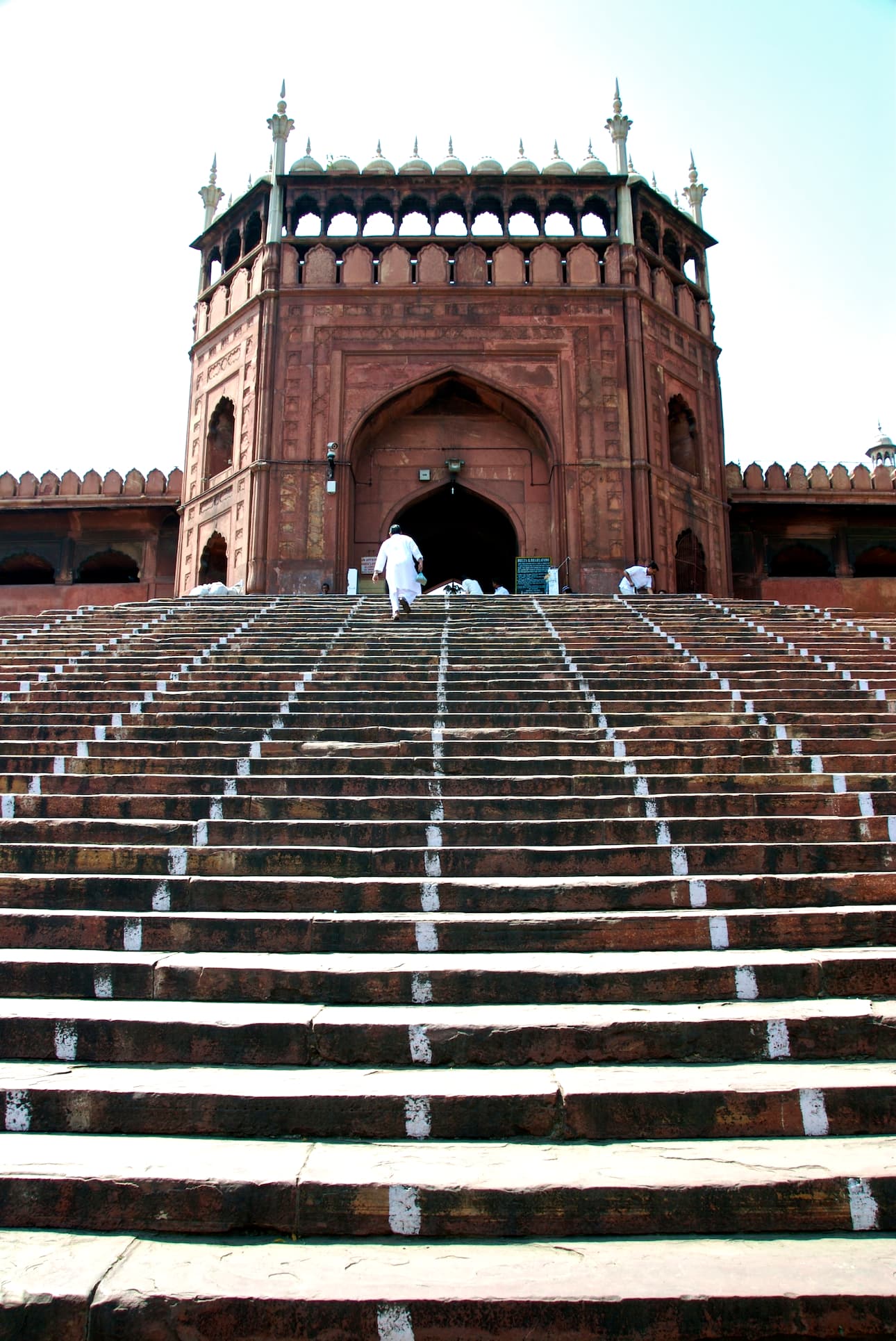
Jama Masjid, also known as Masjid-i Jahan-Numa, is one of the largest and most magnificent mosques in India. Located in Old Delhi, it stands as a testament to the architectural prowess of the Mughal era. Commissioned by Mughal Emperor Shah Jahan, the mosque was completed in 1656 and remains a major religious and cultural landmark.
Label: Religious
How to reach: Bike, bus, taxi, auto
Timings: 6:00 AM to 6:00 PM
Time Required: 1-2 hours
Entry Fee: Free
Historical Significance:
Jama Masjid was built during the reign of Shah Jahan, who is also known for constructing the Taj Mahal. The mosque was intended to be a central place of worship for Muslims in the capital city of the Mughal Empire. Its construction took six years and involved over 5,000 workers. The mosque has witnessed numerous historical events, including the Indian Rebellion of 1857 and various freedom movements.
Architectural Details:
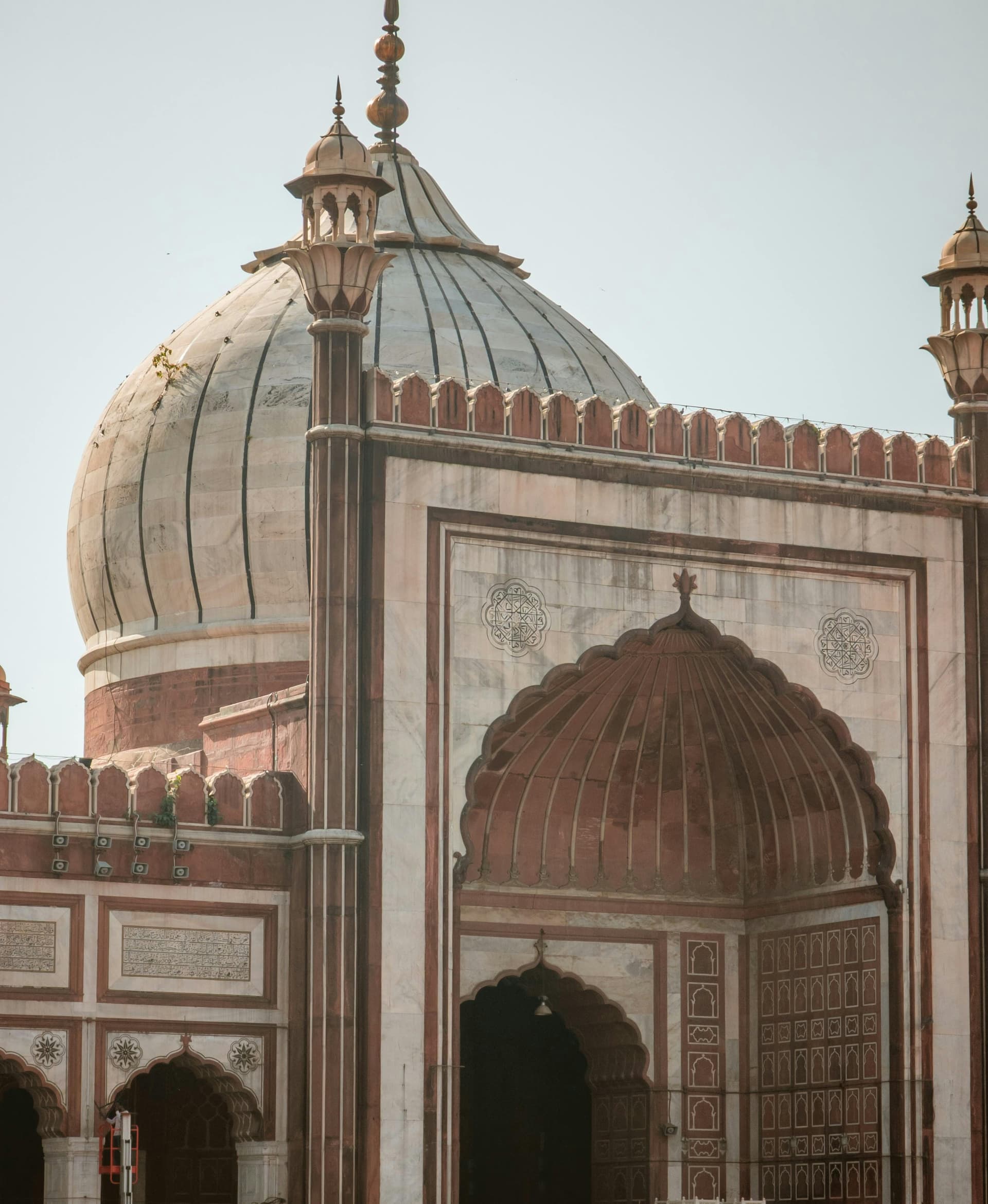
Structure: The mosque is constructed primarily from red sandstone and white marble, materials characteristic of Mughal architecture. The use of these materials gives the mosque its distinctive appearance.
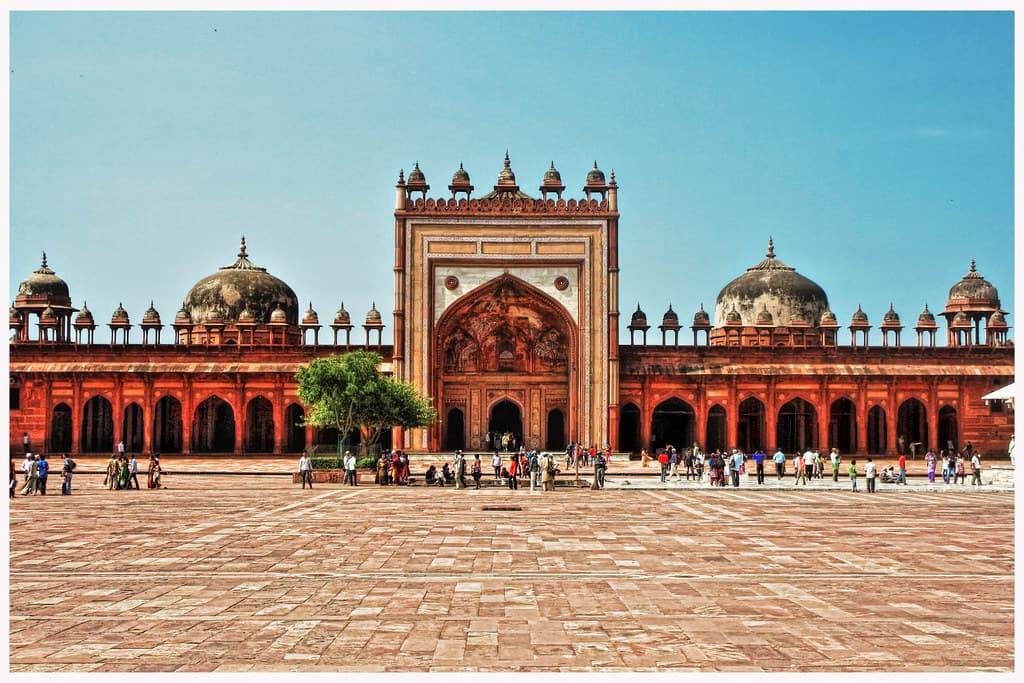
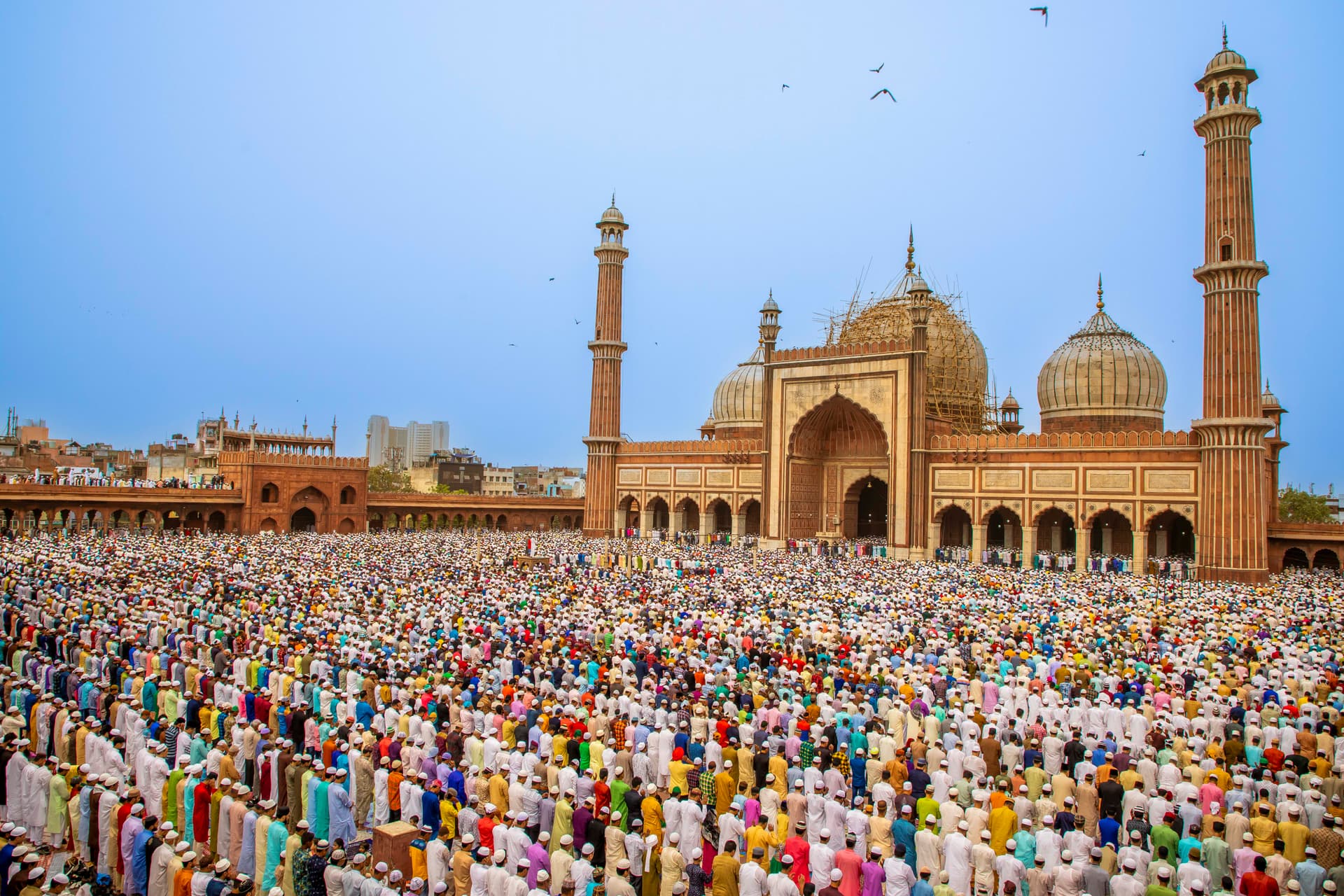
Courtyard: The vast courtyard of Jama Masjid can accommodate more than 25,000 worshippers at a time. It is an open space where congregational prayers are held, especially during festivals like Eid.
Minarets and Domes: The mosque features three large domes and two towering minarets, each 40 meters high. The domes are made of white marble, while the minarets are adorned with black and white stripes of marble.
Main Prayer Hall: The main prayer hall is adorned with high arches and intricately carved panels. The hall houses a mihrab (prayer niche) and a minbar (pulpit), both of which are essential features of mosque architecture.
Key Features and Attractions:
Friday Congregations: Jama Masjid is especially vibrant on Fridays when large congregational prayers are held. The atmosphere is filled with devotion and community spirit.
Architecture and Design: The mosque's intricate designs, including calligraphy, inlay work, and lattice screens, showcase the pinnacle of Mughal art and craftsmanship.
View from the Minarets: Visitors can climb the southern minaret for a panoramic view of Old Delhi, including the bustling Chandni Chowk and the Red Fort.
Cultural Heritage:
Jama Masjid reflects the rich cultural and religious heritage of the Mughal era. It serves as a symbol of the Islamic architectural legacy and continues to be a central place for religious activities and cultural gatherings. The mosque's architecture and history attract scholars, historians, and tourists from around the world.
Nearby Attractions:
Red Fort: A UNESCO World Heritage Site and another architectural masterpiece from the Mughal era, located just a short distance from Jama Masjid.
Chandni Chowk: One of Delhi's oldest and busiest markets, offering a variety of goods, from textiles to street food, and a vibrant cultural experience.
Raj Ghat: The memorial of Mahatma Gandhi, located on the banks of the Yamuna River, providing a serene and historical experience.

Leave the planning to a local expert
Local Cuisine:
Mughlai Cuisine: The area around Jama Masjid is famous for its Mughlai cuisine, including dishes like kebabs, biryanis, and nihari. Karim’s, a famous restaurant, is located nearby.
Street Food: The bustling lanes around the mosque are filled with vendors selling delicious street food, including jalebi, chaat, and parathas.
Festivals and Events:
Eid Celebrations: Jama Masjid is a focal point for Eid prayers, drawing thousands of worshippers who gather to celebrate the festival with prayer and communal meals.
Ramadan: During the holy month of Ramadan, the mosque is especially busy with nightly prayers (Taraweeh) and community iftars (breaking of the fast).
Tips for Visitors:
Dress Code: Visitors should dress modestly, covering their heads and removing shoes before entering the mosque. Scarves and robes are usually available at the entrance for those who need them.
Best Time to Visit: Early mornings or late afternoons are ideal to avoid the heat and crowds.
Photography: Photography is allowed, but it’s important to be respectful, especially during prayer times.
Conclusion:
Jama Masjid stands as a monumental representation of Mughal architectural and cultural heritage. Its grandeur, historical significance, and role as a central place of worship make it a must-visit destination in Delhi. The mosque’s blend of architectural beauty, cultural richness, and spiritual significance offers a profound experience for all who visit.